REVIEW · COOKING CLASSES
Cooking Class and Market Visit in Negombo
Book on Viator →Operated by Real Lanka Holidays · Bookable on Viator
Negombo smells like hot spices and sea air. This hands-on class turns that into a meal you can actually cook. I like the tight flow from local market to kitchen, and the fact you’re not just watching from the sidelines. You’ll handpick produce, spices, and seafood, then learn how to build Sri Lankan flavors step by step, with host Shashi explaining what matters and why.
Two big things I love: you get real ingredient shopping (fish, fruits, and veg from the market) and you end up making multiple dishes, not one quick recipe. The meals in this class lean heavily on coconut-based curries and spice-forward sides, and you’ll create dishes that match what you picked. One consideration: with only about 1.5 hours in the kitchen, you should expect a focused, practical session, not a slow, leisurely cooking marathon.
In This Review
- Quick hits before you go
- Negombo Vegetable Market: Where You Learn to Shop Like a Local
- What you’re likely to notice (and why it matters)
- From Sea Air to the Pan: Sri Lankan Cooking Techniques You Can Reuse
- Spice isn’t just heat
- The home-cooking difference
- The 3-Hour Rhythm: Pickup Windows and a Realistic Time Plan
- Afternoon vs late pickup
- What You Actually Get Out of It (Beyond the Meal)
- Why the price can make sense
- Who This Class Is Best For (And Who Should Think Twice)
- A quick consideration
- Practical Tips So You Get the Most From the Day
- Should You Book This Negombo Cooking Class?
Quick hits before you go
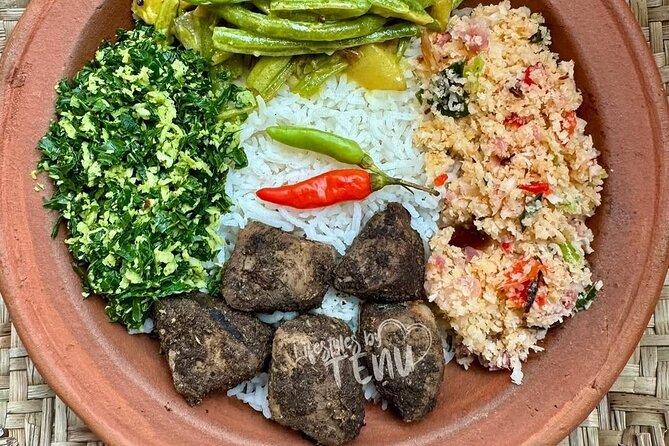
- Market buying first: you pick ingredients in Negombo, including seafood and local produce, before anything gets cooked
- A home-style setup: the cooking happens in a Sinhalese home setting, not a show-kitchen
- You’ll learn the logic of Sri Lankan spice: curry leaves, cinnamon, chili, and fresh herbs show up with purpose
- Multiple dishes, not just one: you’ll typically cook a fuller Sri Lankan meal set, with sides and curries
- Host guidance you can talk to: Shashi’s explanations help you understand choices, not just follow steps
Negombo Vegetable Market: Where You Learn to Shop Like a Local
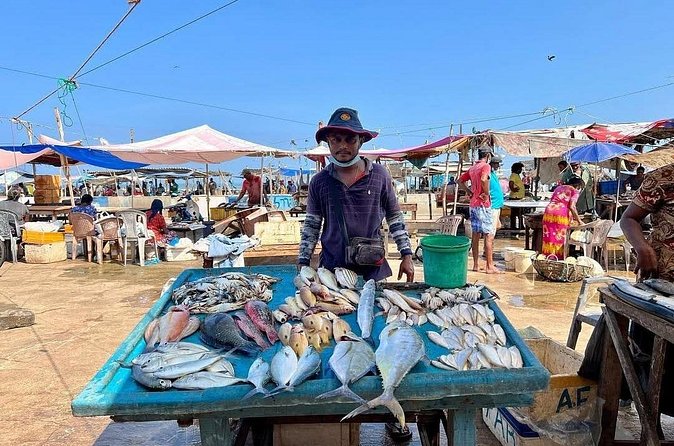
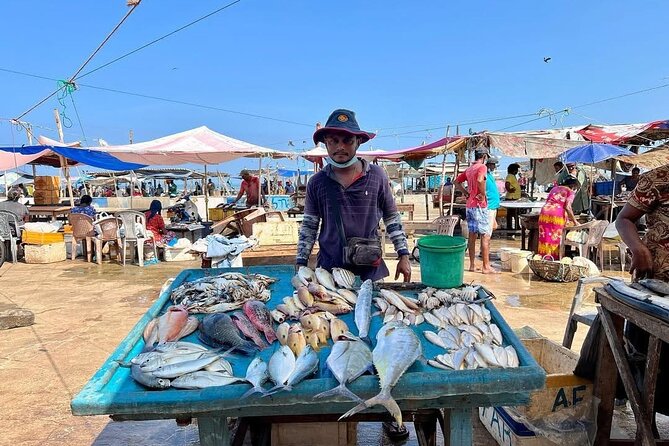
The market stop is the heart of the experience, because Sri Lankan cooking starts long before the pot heats up. You’ll spend about 30 minutes in the Negombo Vegetable Market after a short drive, wandering among vendors with bright produce and the kind of spice environment that’s hard to recreate from a supermarket shelf.
What makes this useful is that you’re learning selection, not just sightseeing. You’ll get a feel for how locals look at ingredients—choosing what looks fresh, what smells right, and what fits the dish you’re aiming for. If you’ve ever tried to cook curries at home and had them come out flat, this is where you get the missing piece: ingredient choice drives flavor.
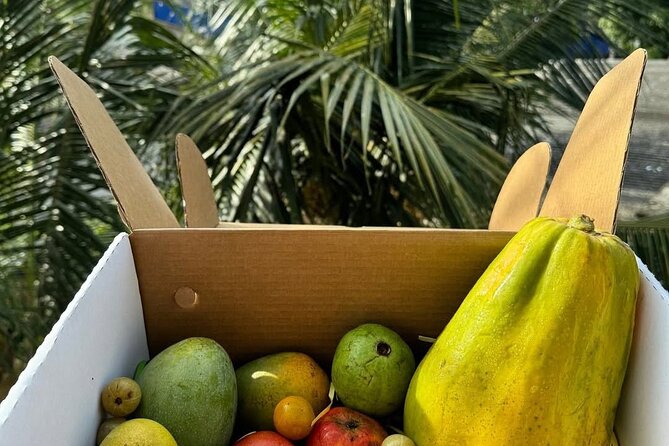
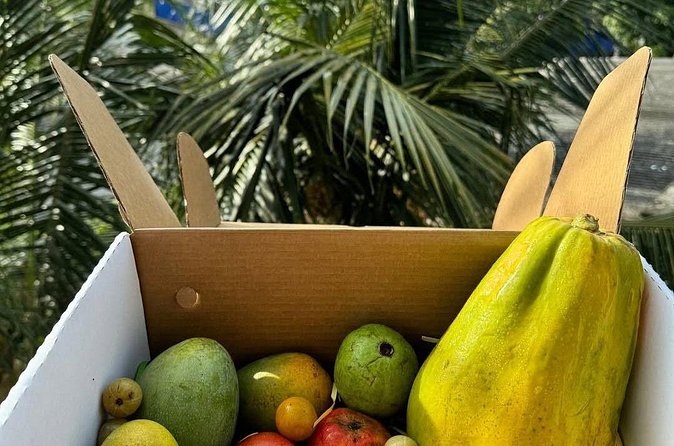
You’ll also see fruit and vegetables alongside spices and, depending on what’s available, seafood too. The class is built around everyday Sri Lankan food culture, so it’s not just exotic produce for show. It’s the real working pantry that most Sri Lankan meals depend on—rice, coconut, seasonal produce, and spices that are used in specific combinations.
If you’re the type who gets bored when tours feel rushed, 30 minutes might feel short. But in a market, that’s often the right length to actually make choices, ask questions, and keep the day moving toward cooking. Bring comfortable shoes and a curious mindset, because the learning is in the small decisions.
You can also read our reviews of more shopping tours in Negombo

What you’re likely to notice (and why it matters)
Sri Lankan cuisine is shaped by centuries of influence—Indian, Arab, Portuguese, Dutch, and Malay touches show up in ingredients and technique. The result is a cooking style that’s guided by aroma and balance: coconut to round out heat, chili for punch, and spice blends that rely on both ground spices and whole aromatics.
The market teaches you to think this way. When you see curry leaves, cinnamon, chili, and fresh herbs in context, you start to understand why they’re used together, not randomly scattered.
From Sea Air to the Pan: Sri Lankan Cooking Techniques You Can Reuse
After the market, you’ll head to the kitchen with a short drive and about 1.5 hours to cook. This part is what turns ingredients into confidence. You’re not just tasting your way through Sri Lanka—you’re learning how to make a full meal using traditional techniques passed down through generations.
The cooking focuses on the Sri Lankan flavor pattern: rich coconut-based curries, spicy sambols, and well-cooked rice. Depending on what the class is doing that day, you may also find dishes like jackfruit curry or a fish-based curry. Reviews highlight tuna and devilled prawn curry specifically, which tells you the class isn’t only vegetarian or only mild.
A key advantage here is that you get to work with multiple dishes. That matters because Sri Lankan meals are usually made as a set: the curry is one component, the sides balance it, and rice ties it all together. When you learn only one dish, it’s hard to recreate the full plate at home. Here, you get a more complete toolkit.
Spice isn’t just heat
Sri Lankan cooking uses spice like structure, not just intensity. Curry leaves add a green, aromatic base. Cinnamon can bring warmth that feels different from plain sweetness. Fresh herbs and seasoning layers help the final dish taste rounded, not one-note.
In practice, that means you’ll learn how ingredients are added and timed—how you build aroma before liquids, and how coconut-based flavors develop as they simmer. Even if your home kitchen isn’t set up like theirs, the method carries over.
Also, you’ll get practical guidance while you cook. One review mentions Shashi’s excellent explanations and communication. That’s exactly what you want from a class like this: not vague encouragement, but clear steps and the reasoning behind them.
The home-cooking difference
This class is set up in a Sinhalese home environment. That changes the vibe. You’ll likely see a more lived-in rhythm than in a formal classroom, and you’ll get a real sense of daily Sri Lankan cooking habits—how people think about ingredients, how they talk through flavor, and how a meal is assembled.
It also means you’ll get more from the experience if you’re comfortable asking questions. If you’re unsure about ingredient substitutions, this is when the host can help you translate what you did into something you can repeat later.



The 3-Hour Rhythm: Pickup Windows and a Realistic Time Plan
This runs about 3 hours total, and it’s built to be practical in Negombo. Pickup is offered from Negombo hotels, and you’ll typically have two daily pickup options: an 11:00 am to 12:00 pm window, or an 6:00 pm to 7:00 pm window.
The day shape looks like this:
- Drive to the market area (about 15 minutes), then about 30 minutes in the market
- Short drive to the cooking location (about 10 minutes), then about 1 hour and 30 minutes cooking
- Return to Negombo (about 15 minutes)
Why this matters for you: it’s long enough to do real shopping and cook a meal set, but not so long that it drains an entire day. If you’re trying to fit culture and food into a busy itinerary, this is a solid slot.
Afternoon vs late pickup
The schedule includes an evening option, which can be handy if you want daytime free for beach time or sightseeing and still get your cooking experience. If you prefer to eat with daylight around, choose the morning window. If you like a more relaxed pace and dinner timing, the evening window can feel more natural.
Either way, expect a structured flow: market first, cooking after, then drop-off back in Negombo.
What You Actually Get Out of It (Beyond the Meal)
Yes, you end up eating what you cook. That alone is worth something—tourist food often costs money and leaves you hungry for better flavor later. Here, you’re creating the food, so you know what’s in it and why it tastes the way it does.
But the bigger value is transferable skill. When you learn the Sri Lankan method for building curries and sides, you’re not stuck repeating a single dish. You can apply the same logic to other proteins and vegetables you find at home.
Reviews also point out how much work goes into dishes like tuna curry and devilled prawn curry, which hints that the class isn’t just “quick instructions.” You’ll likely do real preparation, not just assembly. That’s good if you want to come away feeling like you earned the meal.
Why the price can make sense
At $70 per person, this isn’t the cheapest activity in Negombo. But you’re paying for three things that many cheaper classes skip:
- market ingredient selection with a guided context
- hands-on cooking time (about 1.5 hours)
- a complete, Sri Lankan-style meal set, prepared and eaten
Also, this is a private tour/activity, meaning it’s only your group. For families, small friend groups, or couples who want a more personal pace, private access can be where the value really shows.
If you’re traveling solo, you may feel the price more, but it can still be a smart use of money if cooking is a genuine interest. If you just want a snack and a photo, you’d probably get better value elsewhere.
Who This Class Is Best For (And Who Should Think Twice)
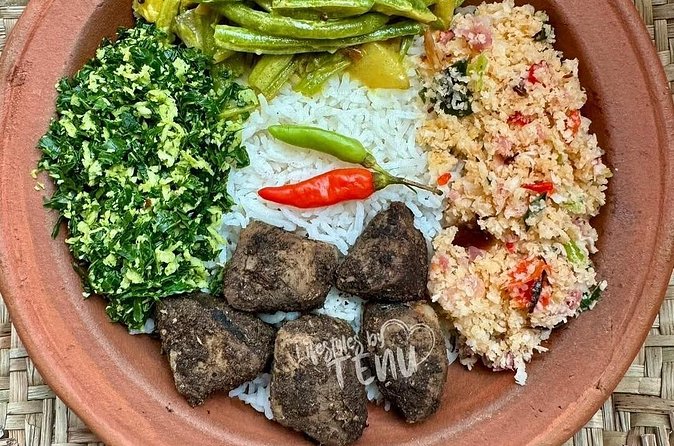
This fits food lovers who want more than a tasting menu. If you like markets, enjoy learning why flavors work, and want the chance to make curries and sambols yourself, you’ll likely feel at home here.
It also works well for travelers who want an authentic, non-rushed cultural experience in Negombo. The home-style setting and ingredient-driven lesson give you a window into daily food culture rather than a performance.
A quick consideration
Sri Lankan food often leans spicy. The class centers on chili, sambols, and curry flavors, so if you’re extremely heat-averse, consider managing your expectations. A helpful approach is to tell your host what you can handle before cooking starts, so you can adjust the portions or technique you use.
Practical Tips So You Get the Most From the Day
A cooking class can go two ways: you either learn a lot, or you spend the day watching and hoping it all makes sense. You can steer it toward learning.
- Take notes on ingredient choices you remember from the market. Even simple details like what you picked and what it was used for helps later.
- Ask one or two questions about spice balance while you’re cooking, not after the meal.
- Wear shoes you don’t mind getting scuffed if the market area is crowded.
- Come hungry. You’ll end with the meal you helped make, so don’t plan a big lunch right beforehand if you can avoid it.
If you’re planning your overall Sri Lanka trip, Negombo is a smart place for this class because it’s close to where seafood and coastal produce feel natural. The market-to-cooking flow also sets you up to understand Sri Lankan dishes wherever you eat next.
Should You Book This Negombo Cooking Class?
Book it if you want a hands-on Sri Lankan food lesson that starts with real market shopping and ends with a meal you cooked yourself. The ingredient-focused market stop, the home-style cooking setting, and the chance to make multiple dishes (with examples like tuna curry or devilled prawn curry) are exactly what make this feel worth your time and money.
Skip it or look for another option if you dislike spicy food or if you’re expecting a long, slow cooking day with lots of downtime. This is structured and efficient, designed for a full experience in around 3 hours.
If cooking is your kind of travel, this is one of the best ways to turn Negombo from a place you pass through into a place you actually taste and learn.