REVIEW · NEGOMBO
Half Day Tour to Muthurajawela, Lagoon, Dutch Canal and Mangroves
Book on Viator →Operated by Wondrous Tours · Bookable on Viator
The canal ride makes time feel slower. In a few hours, you’ll move from Negombo’s shoreline scenes into the Muthurajawela wetland and mangroves, with a boat section that traces the old Dutch route through waterways still used by local life.
I especially like the focus on wildlife viewing, with bird watching as the main event—think kingfishers and big raptors in the right habitat. I also like the practical setup: hotel pickup and drop-off plus a tuk-tuk transfer means you spend your energy on the water, not on logistics.
One drawback to keep in mind: this experience depends on good weather, and sightings are never a sure thing when animals control the schedule. If the skies don’t cooperate, your tour may shift or be refunded.
In This Review
- Key Highlights to Look For
- Where Negombo Turns Into Wetland: The Big Idea
- Getting There in Real Life: Pickup and Tuk-Tuk Transfer
- Stop 1: Muthurajawela Marsh and the Dutch Canal Boat Ride
- What can slow you down here?
- Negombo Lagoon and Fisher Life Along the Water
- Mangroves: Where Birds, Monkeys, and Monitors Share Space
- A note on expectations
- Your Guide Matters More Than You Think
- What Makes This Tour Good Value at $59
- Timing, Duration, and How to Fit It Into Your Day
- Who Should Book This Half-Day Wetland and Bird Watching Tour
- Conditions That Can Change Your Experience
- Should You Book It?
- FAQ
- How long is the Half Day Tour to Muthurajawela, Lagoon, Dutch Canal and Mangroves?
- Where does this tour operate?
- What’s the price per person?
- Is hotel pickup and drop-off included?
- How do you travel during the tour?
- Are any admission tickets included?
- What’s included in the tour cost?
- What should I know about weather before booking?
- Is the tour private?
- What is the cancellation policy?
Key Highlights to Look For
- Muthurajawela Marsh boat time with a long stretch on the water (about two hours at Stop 1)
- Dutch Canal route tied to the old colonial transport link
- Bird watching that’s actually the point, not a side note
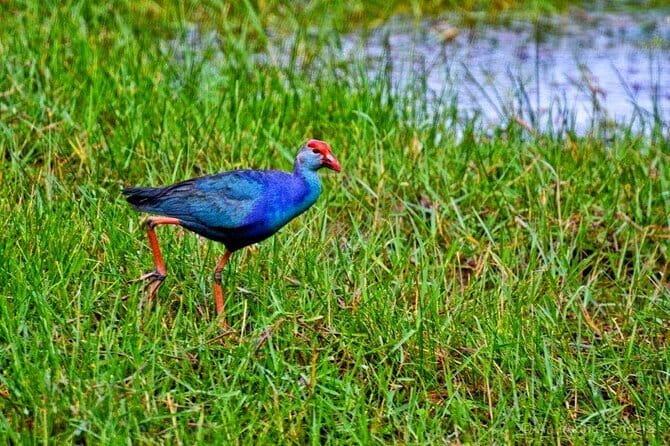
- Mangrove habitat where you can watch for monkeys, monitors, and more
- Hotel pickup + tuk-tuk keeps the morning (or afternoon) simple
Where Negombo Turns Into Wetland: The Big Idea
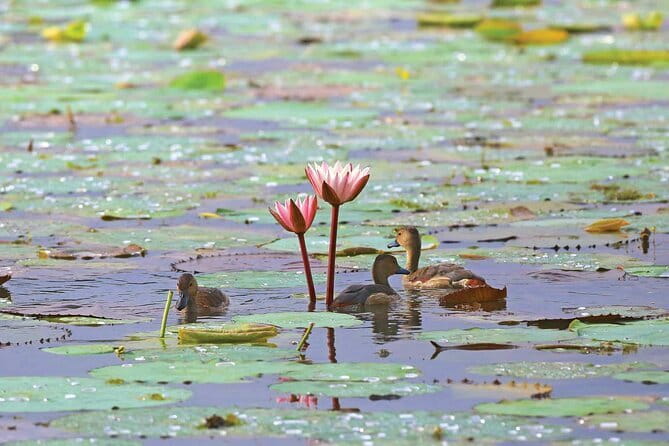
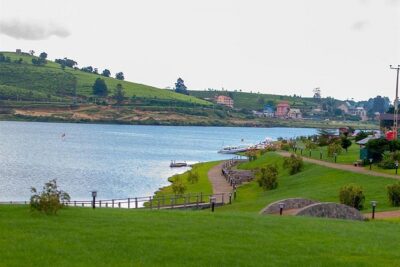
This half-day tour is built around one theme: water life on Sri Lanka’s west coast, just outside Negombo. You start near town, then slide into the calmer world of lagoon edges, marsh waterways, and mangroves—places where the “land” is really a network of channels.
If you like your nature trips to be hands-on and visual, this fits. You’re not just driving past scenery. You’re moving through it by boat while the guide looks for birds and animals, then you’re back on land to connect it all to the people who fish and work along the water.
The time frame is also a big deal. Three hours is short enough to fit around beach time or dinner plans, but long enough to get more than one habitat type into the same trip.
You can also read our reviews of more tours and experiences in Negombo.


Getting There in Real Life: Pickup and Tuk-Tuk Transfer
You can expect hotel pick-up and drop-off to a nearby location, which matters in Negombo because distances can add up fast. The tour uses a tuk-tuk for the transfer, and you’ll be given mineral water during the tour.
Why I like this approach: it keeps the experience from feeling like a logistics puzzle. Instead of worrying about local transport schedules, you’re handed a timed plan. You also get a “local pace” from the tuk-tuk ride—slow enough to notice how the area looks before you reach the water.
Also, it’s private for your group. That usually means you’re not squeezed into a crowd while trying to spot birds or animals in tricky sightlines.
Stop 1: Muthurajawela Marsh and the Dutch Canal Boat Ride
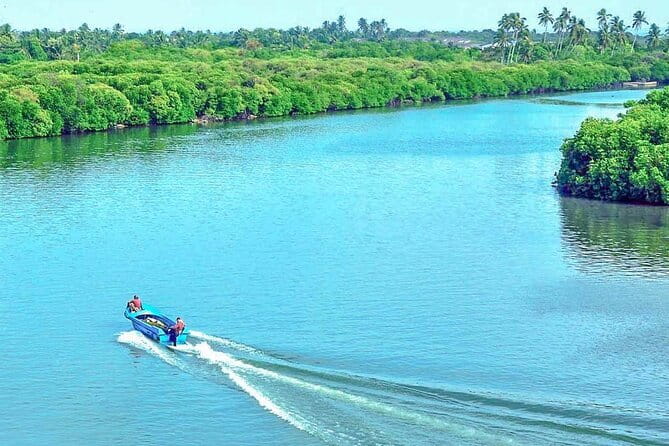
Stop 1 is where the tour earns its reputation. You’ll spend about two hours in the marsh area, starting a boat ride that goes through the Dutch Canal.
This canal segment is more than a name. It used to be an important transportation link for the Dutch colonial administration, which gives the ride extra meaning even if you’re not a museum person. You’re traveling the same kind of route that shaped how goods and people moved through this coastal wetland zone.
What this part feels like in practice is calm and watchful. The marsh and canal environment rewards patience. You’ll be looking across the waterline for movement and listening for activity in the vegetation. It’s also the segment where many of the best animal sightings tend to happen, because the habitat is dense and full of food sources.
What can slow you down here?
Two things: wildlife timing and water conditions. Even in good weather, animals decide when they want to show themselves. And if the water is moving more than expected, it can change how easy it is to track fast birds. That’s not a flaw—it’s just how wetland viewing works.
Negombo Lagoon and Fisher Life Along the Water
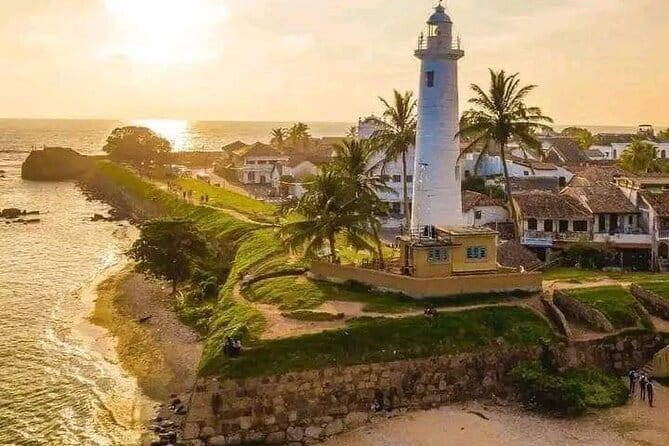
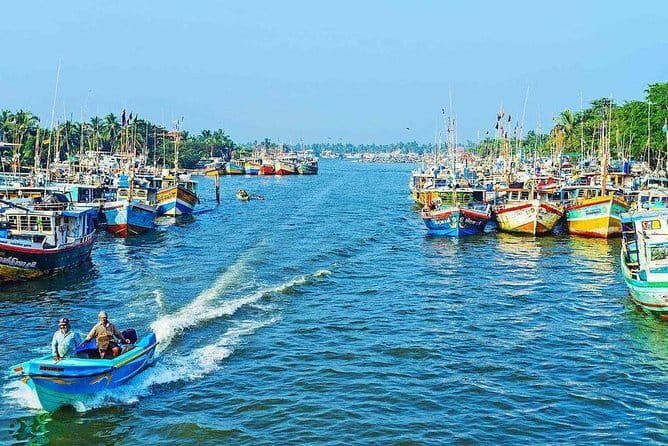
After the marsh-and-canal stretch, the tour shifts to the lagoon world near Negombo. This is where you get a stronger sense of how people share the same watery space.
You’ll see lagoon and seaside areas, with a chance to witness fishermen in the lagoon. That detail matters because it keeps the trip grounded. Wetlands aren’t only “nature sites.” They’re working landscapes with routines you can understand just by watching.
This portion is also where you may notice different kinds of bird behavior. In wetland edges and lagoon channels, birds often hunt in short bursts—then disappear into reeds or mangrove roots. If your goal is bird watching, this is usually the most satisfying type of viewing: active, not staged.

Mangroves: Where Birds, Monkeys, and Monitors Share Space
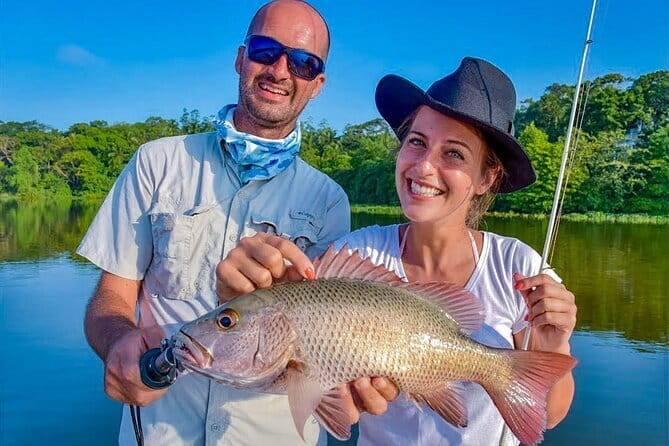
Mangroves are the tour’s final big nature ingredient. Mangroves aren’t just “trees near water.” They’re a whole system—roots that trap sediment, nurseries for small fish, and hiding places for wildlife.
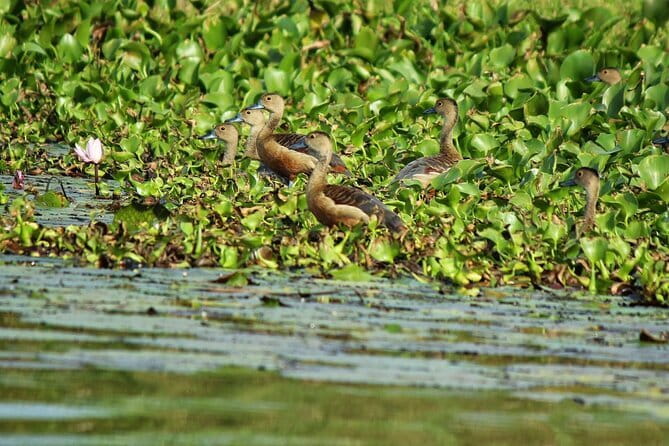
In the best moments, you’ll get sightings that fit the mangrove setup: monkeys and water monitors can show up around the edges, and birds use the structure for perching and hunting. If you’re the type who gets excited by quick passes and sudden stillness (the wetland version of jump scares, minus the danger), you’ll probably love this part.
Bird watching is heavily featured here, and the kinds of species that people often hope for are tied to the coastal food web. From what’s been reported on similar outings, you can run into multiple kingfisher types and even larger birds such as sea eagles or big raptors when conditions line up.
A note on expectations
Even with a great guide, you’re not guaranteed every species. Wetland viewing can be weather and season dependent, and animals move. What you can control is mindset: come ready to watch patiently rather than chasing a checklist.
Your Guide Matters More Than You Think
The tour is powered by the guide’s spotting skills and energy. Several standout experiences highlight a guide who stays enthusiastic, pays attention to small signals, and keeps the group focused on what’s happening right now.
In some cases, the guide also provided snacks and refreshments during the outing, including fresh coconuts and bananas. That kind of simple food break helps keep the experience comfortable, especially during the calm stretches where you might otherwise feel restless.
You also benefit from having someone interpret the landscape for you. Wetlands are confusing from the ground. From the water, you still need context—where birds hunt, where animals hide, and what to look for in the mangrove structure. A good guide turns a “pretty boat ride” into a “use your eyes” experience.
What Makes This Tour Good Value at $59
$59 per person for a three-hour private nature boat trip sounds straightforward, but the value depends on what you get.
Here’s the practical breakdown:
- You get hotel pickup and drop-off
- tuk-tuk transfers included
- mineral water during the tour
- all government taxes included
- the time on the water covers multiple habitats: marsh/canal, lagoon areas, and mangrove viewing
- admission for at least the marsh segment is listed as free
So you’re not paying just for a boat. You’re paying for transport, time, and an organized route that compresses a lot of Negombo’s watery ecology into a short window.
Also, it’s booked well in advance on average, which usually means it’s holding demand for a reason: it’s short, scenic, and wildlife focused without being exhausting.
Timing, Duration, and How to Fit It Into Your Day
The tour runs about 3 hours. Stop 1 alone takes about 2 hours, and the remaining time covers additional lagoon and mangrove viewing.
That matters for planning. You can slot this in between a beach session and dinner, or after a late breakfast without turning your day into an all-day grind. It’s also short enough to work for people who want wildlife but don’t want a long tour schedule.
If you’re sensitive to “time on the water,” treat it as real boat time. One experience described the overall tour as long, mainly because there’s plenty of nature viewing and animal searching. The good news is you’re outdoors and focused; the “long” part usually feels like pacing rather than a slog.
Who Should Book This Half-Day Wetland and Bird Watching Tour
This is a strong match if:
- you’re staying in Negombo and want a nature outing without leaving the area
- you want bird watching and real wetland habitat, not just a short scenic drive
- you enjoy animal watching in mangroves and lagoon edges
- you like trips that feel thoughtful and relaxed, with time to observe rather than constant rushing
It can also work for families or mixed groups if everyone can handle moderate physical activity. The tour notes a moderate physical fitness level requirement, which usually means getting on and off transport and spending time outdoors is part of the deal.
If you’re the kind of traveler who needs guaranteed wildlife sightings, keep your expectations flexible. Wetlands reward patient looking more than certainty.
Conditions That Can Change Your Experience
Two realities affect what you’ll see:
- Good weather is required. If conditions are poor, the tour can be offered on a different date or you can receive a full refund.
- Animal sightings depend on behavior. Even on a good day, birds and mammals might show up on their own schedule.
This is also why I think the short duration is smart. You get a meaningful slice of habitat without overcommitting. When conditions are right, the best sightings can pack a lot of excitement into those hours.
Should You Book It?
I’d book this tour if you want an efficient way to experience Negombo’s watery side—especially if mangroves and bird watching are your priorities. The combination of Dutch Canal framing, a real boat segment, and the chance to spot monkeys and different birds makes it feel like more than a “nice stroll.”
Skip it only if you dislike boat time, are very weather-sensitive, or need a tour that runs the same way no matter what. Wetlands are alive. That’s the point.
FAQ
How long is the Half Day Tour to Muthurajawela, Lagoon, Dutch Canal and Mangroves?
It’s listed as about 3 hours approximately.
Where does this tour operate?
The tour is in Negombo, Sri Lanka.
What’s the price per person?
The price is $59.00 per person.
Is hotel pickup and drop-off included?
Yes, hotel pick-up and drop-off to hotels in the closest locations are included.
How do you travel during the tour?
You’ll use a tuk-tuk for the transfer as part of the included services, and there is a boat ride during the experience.
Are any admission tickets included?
Admission is listed as free for the marsh stop segment.
What’s included in the tour cost?
Included items are hotel pick up and drop off, tuk-tuk transfer, mineral water, and all government taxes.
What should I know about weather before booking?
This experience requires good weather. If it’s canceled due to poor weather, you’ll be offered a different date or a full refund.
Is the tour private?
Yes. It’s described as a private tour/activity, so only your group participates.
What is the cancellation policy?
You can cancel for a full refund up to 24 hours in advance. If you cancel less than 24 hours before the start time, the amount paid is not refunded.