REVIEW · COLOMBO FOOD & STREET FOOD TOURS
Negombo Express Food Tour with 7+ Tastings
Book on Viator →Operated by Capital Tour By Tuk Tuk · Bookable on Viator
Negombo’s food is best sampled on a tuk tuk crawl, not a single sit-down meal. I like that this tour strings together 7+ tastings across classic Sri Lankan street food and South Indian favorites, so you get variety without wasting time. I also appreciate how the experience is planned end-to-end, including pickup and staying on track through the full route.
One thing to plan for: some dishes can be spicy, so if you’re heat-sensitive, tell your guide early and adjust as you go.
In This Review
- Key highlights worth planning around
- Negombo Eats, Moved By Tuk Tuk
- The 3½-Hour Flow: What the Timing Really Means
- King Coconut Welcome Drink: A Cool Start That Makes Sense
- Ceylon Tea and Spices: Add-On Flavor, Not an Afterthought
- Three Types of Hoppers: Crispy, Soft, and Egg Hopper
- Mushroom Masala Dosa and Short Eats: A Satisfying Middle Act
- Seafood Kottu Roti and Coconut Rotti: The Negombo Finale
- How Much $36 Really Gives You
- Spice Level: The One Practical Consideration
- Pickup, Mobile Ticket, and Being Near Public Transport
- Who Should Book This Food Tour (And Who Should Skip)
- Should You Book the Negombo Express Food Tour?
- FAQ
- How long is the Negombo Express Food Tour?
- How much does it cost per person?
- What kinds of food tastings are included?
- Is pickup included?
- Is this tour private?
- Do I automatically get the Ceylon tea and spice tasting?
- Will I receive a mobile ticket?
- Is the meeting area near public transportation?
- What happens if the weather is bad?
- What’s the cancellation policy?
Key highlights worth planning around

- King coconut welcome drink to start cool and local
- Ceylon tea and spice tasting you can add by request
- Three hopper styles: crispy, soft/fluffy, and classic egg hopper
- Mushroom masala dosa plus short eats for a satisfying mix of Sri Lankan and South Indian flavors
- Negombo-style finale with seafood kottu roti and coconut roti
- Private tour format so it’s only your group
Negombo Eats, Moved By Tuk Tuk
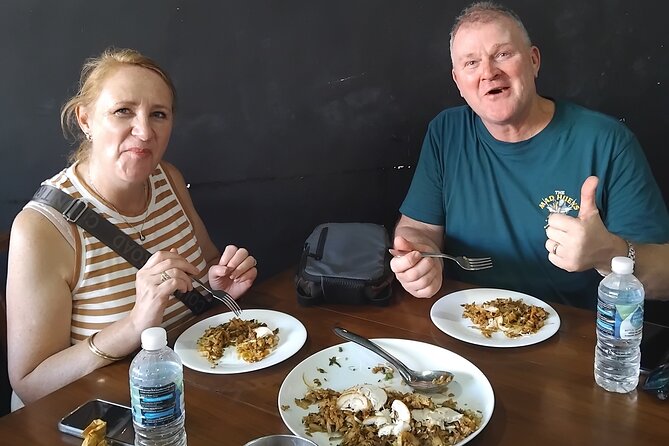
Negombo is one of those Sri Lankan places where food lives in motion. You can’t really understand the range of flavors just by reading a menu or trying one restaurant. On this tour, the plan is built around small stops you can reach efficiently, with time to taste rather than just watch.
I like that you’re not stuck in a long, formal meal. Instead, you’re bouncing between bites that explain the local logic: sweet, sour, salty, spicy, and starchy all show up in different ways. The route ends with the kind of street food Negombo is known for, so your last hours feel like the payoff.
Because it’s a private tour, it works well if you’re traveling as a couple, with friends, or as a small family. You’re not waiting for strangers to finish. The pace is set for your group, which also makes it easier to ask questions about what you’re eating and how it’s made.
You can also read our reviews of more tours and experiences in Negombo.


The 3½-Hour Flow: What the Timing Really Means
The tour runs about 3 hours 30 minutes, which is a sweet spot. Long enough to sample multiple dish styles, short enough that you’re not spending the day in food mode. That timing matters in Negombo because street food is best when you’re ready to taste right when it’s served, not hours later.
You can also expect a rhythm: sip something first, taste something savory next, then move into more filling plates. By the time you hit the dosas and kottu roti, you’re eating “real meal” portions, not just crumbs.
If you’re the type who gets overwhelmed by too many stops, this still works because the tour is structured: you know you’re going from one themed item to the next. The order also builds flavor: coconut and tea early, hoppers next, then dosa and short eats, and finally seafood street food.
King Coconut Welcome Drink: A Cool Start That Makes Sense
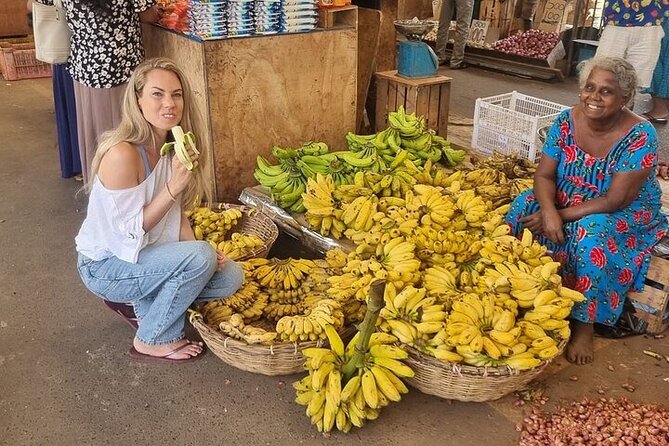
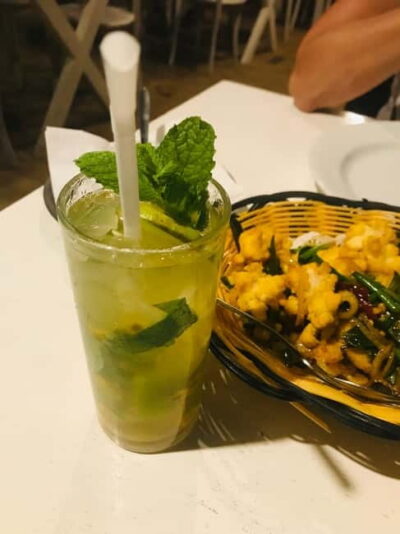
Every good food tour needs a warm-up, and here it’s king coconut. You start with a natural drink that locals enjoy for its refreshing taste. I like this kind of opening because it does two jobs at once: it cools you off and it primes your palate for the rest of the meal.
Practically, it’s also an easy way to begin if you’re not sure what to order later. Once you’ve had coconut, you’ll start noticing how often coconut shows up in Sri Lankan cooking—not just in curries, but in textures and pairings.
If you’re sensitive to sweetness or prefer savory starts, don’t worry. King coconut isn’t a dessert; it’s a light, drinkable beginning that doesn’t overpower what comes next.
Ceylon Tea and Spices: Add-On Flavor, Not an Afterthought
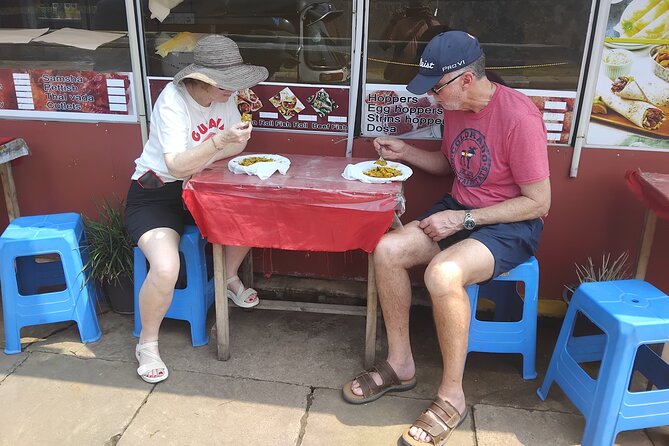
This part is handled in a smart, low-pressure way. Ceylon tea and spice tasting is included if you request it. That’s a big deal for your decision-making, because not everyone wants the same “tea lesson” experience.
If you enjoy understanding how ingredients shape flavor, you’ll likely find it worthwhile. Ceylon tea is famous for a reason, and the spice element helps connect the dots between what you taste and what’s happening in Sri Lankan cooking. Even if you’re not trying to memorize aromatics, it’s the kind of stop that makes later dishes feel less random.
The main thing to watch: since this is on request, think about whether you want it before you arrive. If you’re curious, ask. If you’d rather focus on food only, you can keep the tour lighter and spend more time on the tasting plates.
Three Types of Hoppers: Crispy, Soft, and Egg Hopper
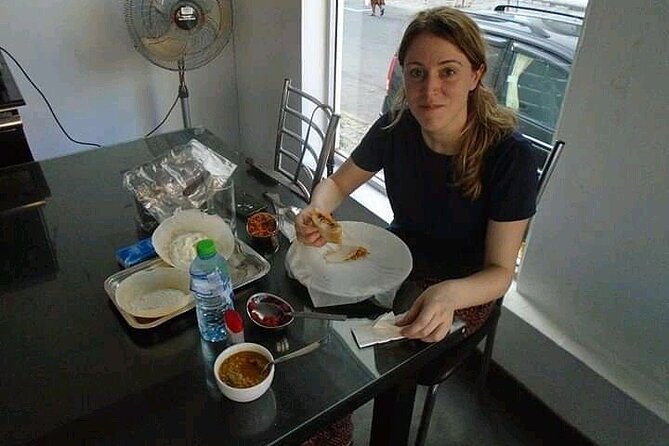
Hoppers are a Sri Lankan icon, and this tour gets specific by offering three types: crispy hopper, soft & fluffy hopper, and a classic egg hopper. That variety is where the experience earns its value.
Why it matters: hoppers look similar at a glance, but they taste different. The crispy version gives you crunch and a deeper toasted edge. The soft and fluffy one leans into comfort and tenderness. The egg hopper adds richness and changes the texture profile in a way that’s hard to replicate with any other dish.
I like that this isn’t just one “hoppers tasting.” You’re actually comparing styles. If you’ve never eaten hoppers before, it’s also a fast way to learn which texture you enjoy most—crisp, soft, or eggy and filling—so you can order confidently later.


Mushroom Masala Dosa and Short Eats: A Satisfying Middle Act

After hoppers, the tour moves into mushroom masala dosa and other popular short eats. This is where the food scene broadens into South Indian influence, without losing the Sri Lankan street-food feel.
A dosa is a smart tasting choice because it carries flavor through the batter and the filling at the same time. The mushroom masala adds earthy depth, which also balances out the earlier coconut and tea. Then the short eats help round out the experience with smaller, shareable bites.
This middle section is where you’ll probably start feeling the total meal come together. By now you’re not just sampling—you’re building an actual lunch/dinner worth of variety, spread across different dish styles.
If you’re traveling with someone who worries about “too much starch,” don’t cancel your enthusiasm. The tour’s variety comes from how each dish handles texture and spice, not just from eating different foods.
Seafood Kottu Roti and Coconut Rotti: The Negombo Finale
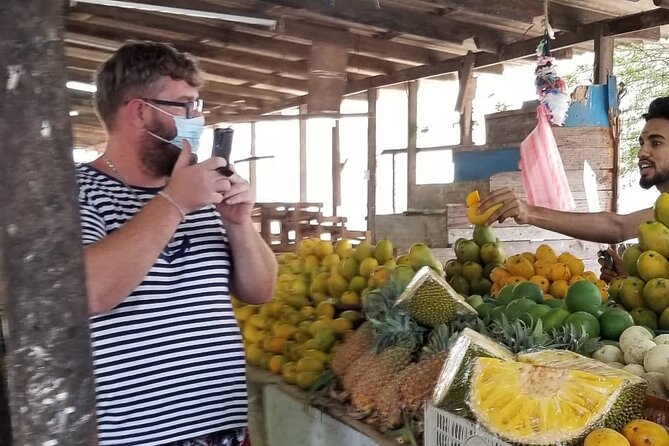
You end with Negombo’s specialty: seafood kottu roti, paired with coconut roti and other street bites. This is a strong finish because it’s both flavorful and distinctly local to the region’s food identity.
Kottu roti is a street-food favorite, and the seafood version adds a different flavor direction than the more common chicken or vegetarian variations. You’ll get that familiar street-food rhythm—savory, hot, and full of seasoning—plus the sea-forward element that makes it feel like a Negombo-specific plate rather than a generic Sri Lankan dish.
Coconut roti pairing also matters. It gives you a different texture and a flavor that plays well with spicier elements. The combination helps the finish feel complete, not just “one last heavy item.”
If you love street food, this finale is the part you should remember. You’re getting the kind of meal people seek out when they’re in town for food, not just sightseeing.
How Much $36 Really Gives You
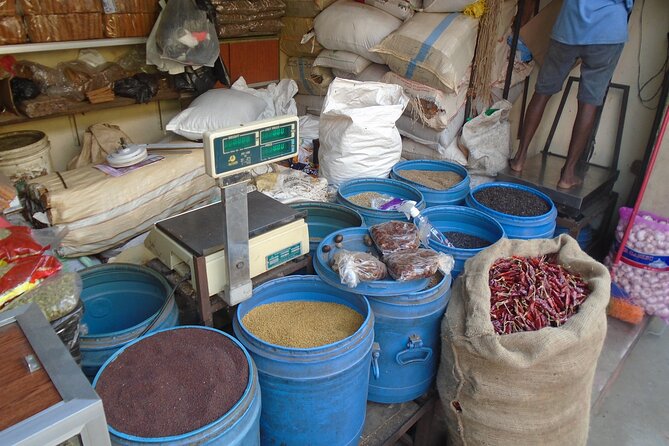
At $36 per person, this tour is trying to solve a common problem in food travel: the cost of transportation, the cost of guided ordering, and the cost of sampling multiple foods without planning a whole route yourself.
Here, your money goes into several real things:
- Multiple tastings (7+), including set dish styles rather than random snacks
- Tuk tuk transport between stops, which saves time and keeps the pacing tight
- A guide-led experience that helps you eat efficiently and ask questions
- A private tour format, meaning your group is the only one involved
Is it a bargain compared to a single restaurant meal? Yes, especially if you’d otherwise pay for multiple meals while trying to figure out what to order. Is it also “cheap” in the way of a casual snack walk? Not really. You’re paying for structure, transport, and a curated set of tastings that end with seafood kottu roti.
For me, the biggest value sign is the way the menu items are planned as comparisons—like the three hopper textures—plus the way the tour ends with a region-known dish.
Spice Level: The One Practical Consideration
One review note that fits real life: some people find the food too spicy. That’s not a reason to skip the tour. It’s a reason to manage it smartly.
Here’s what I suggest you do:
- Tell your guide right at the start that you prefer mild spice.
- Ask which items are the hottest in the lineup (hoppers and kottu can vary depending on sauces).
- Be ready to adjust. If something is too much, you can still keep tasting the other components.
If you love spice, you’ll probably have a great time because the tour hits the flavors Sri Lanka is known for. If you don’t, you can still enjoy it—just communicate early.
Pickup, Mobile Ticket, and Being Near Public Transport
This experience includes pickup offered, and you’ll use a mobile ticket. It’s also listed as near public transportation, which gives you a Plan B if pickup timing or logistics aren’t perfect for your schedule.
In real terms, this matters because food tours can be frustrating if you spend energy finding the meetup spot. Pickup helps you start focused on eating, not navigating. And if you’re staying in an area where you can reach transit quickly, being near public transportation can keep you flexible.
The tour is also described as private, which means you won’t be stuck sharing your food pacing with strangers.
Who Should Book This Food Tour (And Who Should Skip)
This tour is a good match if you want:
- A structured way to try multiple Negombo dishes in one morning or afternoon stretch
- Real street-food style eating, not just one restaurant stop
- A mix of Sri Lankan and South Indian influence, from hoppers to dosa to kottu roti
- A group-focused experience with private time
You might think twice if:
- You only want a mild, low-spice meal and don’t want to communicate about spice level
- You dislike tuk tuk rides or short rides between stops (this tour is designed for movement)
For first-timers in Sri Lanka food, it’s also a strong “taste orientation” tour. It can help you understand what you like before you plan your own meals.
Should You Book the Negombo Express Food Tour?
If you like food travel where the focus is practical tasting, I’d book this. The value comes from the lineup: coconut drink to start, three hopper styles for real comparison, dosa and short eats as a mid-course mix, then seafood kottu roti as the finale. That’s a smart structure for 3½ hours.
Book it especially if you:
- Want a guide to handle ordering and pacing
- Prefer variety without building your own food route
- Like the idea of a tuk tuk tour instead of walking-only
Before you go, send a quick note about spice preference and consider whether you want the Ceylon tea and spice tasting add-on. Those two choices can make the tour feel either like a perfect match or just a bit off.
FAQ
How long is the Negombo Express Food Tour?
It’s about 3 hours 30 minutes.
How much does it cost per person?
The price is $36.00 per person.
What kinds of food tastings are included?
The tour includes king coconut, three types of hoppers (crispy, soft & fluffy, and classic egg hopper), mushroom masala dosa with short eats, and a finale featuring seafood kottu roti with coconut rotti and other street bites. It’s also described as having 7+ tastings.
Is pickup included?
Pickup is offered.
Is this tour private?
Yes. It’s a private tour/activity, and only your group participates.
Do I automatically get the Ceylon tea and spice tasting?
It’s included upon customer request.
Will I receive a mobile ticket?
Yes, a mobile ticket is included.
Is the meeting area near public transportation?
The tour is listed as near public transportation.
What happens if the weather is bad?
The experience requires good weather. If it’s canceled due to poor weather, you’ll be offered a different date or a full refund.
What’s the cancellation policy?
You can cancel for a full refund up to 24 hours in advance of the experience’s start time.