REVIEW · CANOES & KAYAKS
Negombo: Kayaking in the Lagoon
Book on GetYourGuide →Operated by Api machan tours · Bookable on GetYourGuide
A lagoon like this feels made for slow mornings. Negombo’s kayaking tour is a calm, guided way to see mangroves up close and watch everyday coastal life from the water.
What I like most is the mix: birdlife sightings (herons, kingfishers, cormorants) plus the chance to pass fishing activity that you’d miss from shore. The other big plus is that your guide helps you go at the right pace, including time on winding, beginner-friendly channels.
One thing to plan for: you’re out in warm sun on open water for about 2 hours. Bring a hat and sunscreen, and don’t underestimate how warm it can feel even when the water is calm.
In This Review
- Key Things That Make This Kayak Tour Worth Your Time
- Captain’s Landing to the Lagoon: What the Start Feels Like
- Entering Negombo Lagoon: Mangrove Channels by Kayak
- Birdwatching Mode: Herons, Kingfishers, and Cormorants
- Traditional Fishing Along the Waterline
- How the 2-Hour Timing Works (and Why It’s a Sweet Spot)
- Sunrise or Sunset Paddles: When the Lagoon Feels Like It’s Holding Still
- Effort Level: What You’re Really Doing Physically
- What’s Included for $20: The Value Breakdown
- Who This Kayaking Experience Is Best For
- Should You Book Kayaking in Negombo Lagoon?
- FAQ
- Where is the kayak tour meeting point?
- How long is the kayaking experience?
- How much does it cost?
- What’s included in the tour price?
- Is transportation or meals included?
- What language is the live guide?
- What should I bring?
Key Things That Make This Kayak Tour Worth Your Time
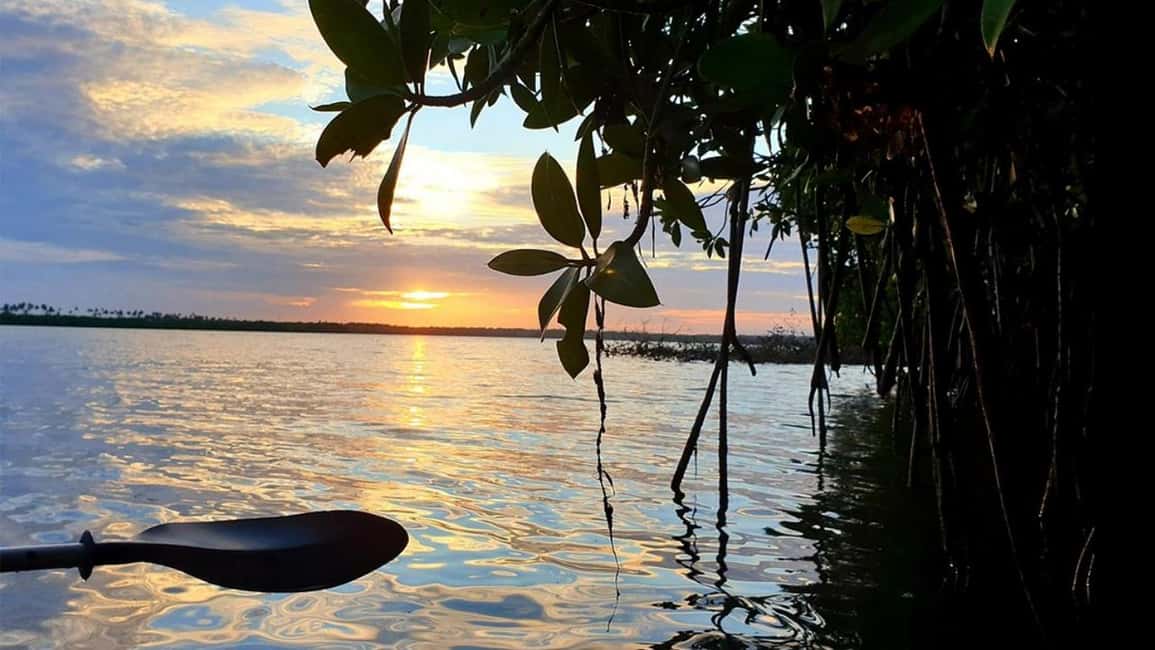
- Mangroves you can actually reach: kayaks slip into areas motor boats can’t reach.
- Bird spotting with a purpose: you’ll look for herons, kingfishers, and cormorants, not just generic “pretty birds.”
- Fishing life at human scale: you’ll see traditional net-casting practices up close as you paddle past.
- A route that fits both beginners and regular paddlers: calm lagoon conditions and guided coaching.
- Real care for the lagoon: one guide was noted for collecting rubbish as they went, which says a lot about attitude.
- Tranquil timing: the experience is especially soothing for sunrise or sunset paddles.
Captain’s Landing to the Lagoon: What the Start Feels Like
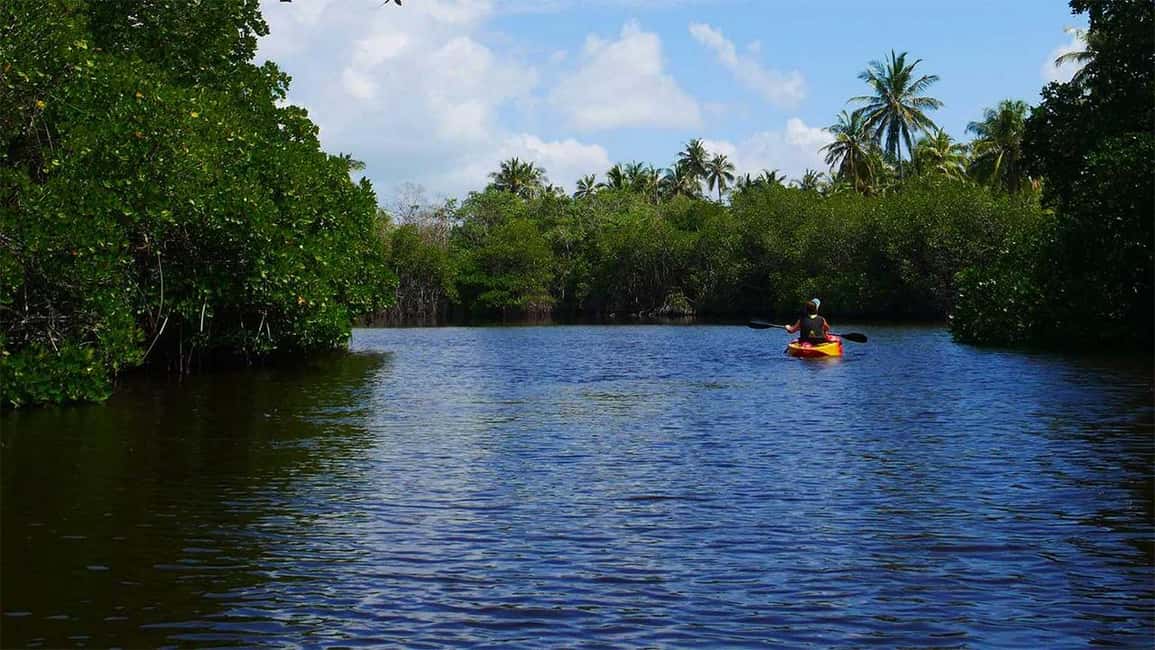
Most outdoor trips in Sri Lanka are either a race or a scramble. This one is different. You meet at Captain’s Landing, get set up, and then you’re on the water pretty fast—enough time to feel the lagoon shift from “place you pass through” to “place you’re in.”
Before you paddle, there’s a safety briefing and basic paddling instructions, plus a professional instructor, kayak, paddles, and safety equipment. That matters because lagoon kayaking isn’t about strength as much as control: keeping your kayak pointed the way you want, and learning how to correct your angle without panicking or working too hard.
This is also a private group experience. That’s a real value add if you want less crowd noise and more guide attention—especially helpful for bird spotting, since you’ll be trying to spot small movements near mangrove edges.
The tour lasts 2 hours, so it’s long enough for a satisfying loop through the lagoon waterways, but not so long that you’ll be exhausted or bored. It’s built for a “go slow, see more” style of travel.
You can also read our reviews of more tours and experiences in Negombo
Entering Negombo Lagoon: Mangrove Channels by Kayak
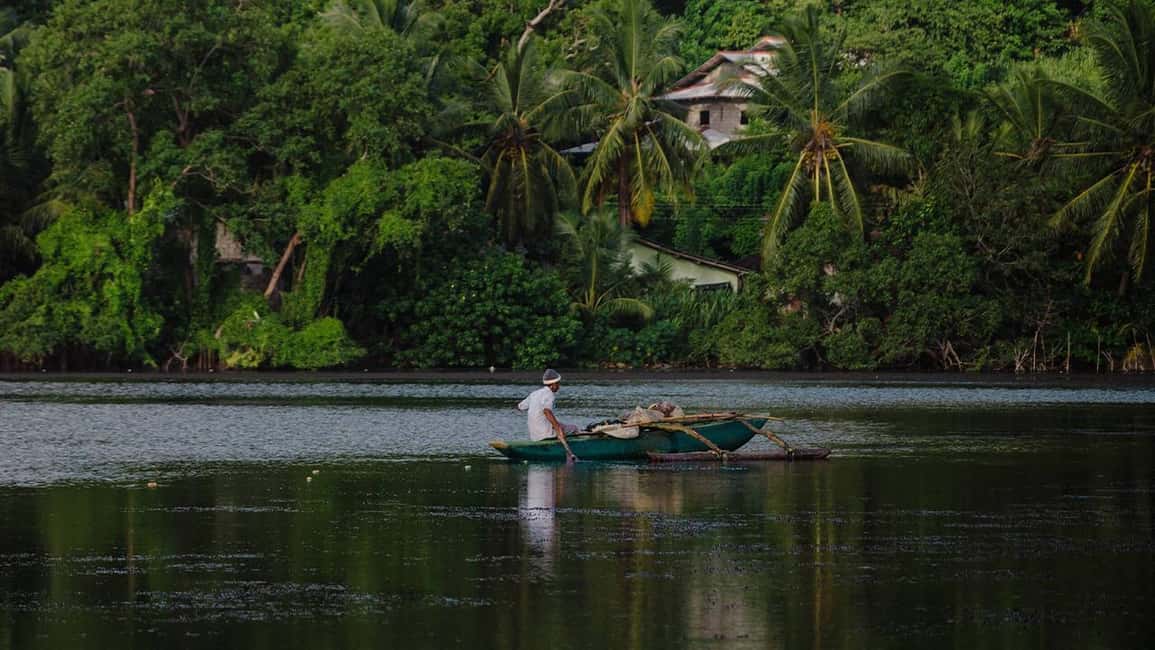
Once you launch, the lagoon does the work for you. Kayaks move quietly, slowly, and with a little wobble—exactly what you want in a mangrove environment. You glide past lush mangroves and along winding waterways that feel like they were designed for small boats.
Why this part is so good for your travel day: mangroves are busy ecosystems, but from the shore they can look like a dark wall of plants. On a kayak, you’re not fighting distance. You’re passing the roots and channels at human pace, which makes it easier to notice details like how birds use the edges and how the water changes around the mangrove cover.
The tour is also described as something you can do whether you’re new to kayaking or you’ve done it before. That makes sense for a lagoon like this. Calm water reduces the “fear factor,” while the narrow-ish waterways give you enough turns and guidance to keep it interesting.
One detail that stands out from the experiences people share: you get into mangrove areas that motor boats can’t reach. That’s the difference between seeing the lagoon and accessing it.
Birdwatching Mode: Herons, Kingfishers, and Cormorants
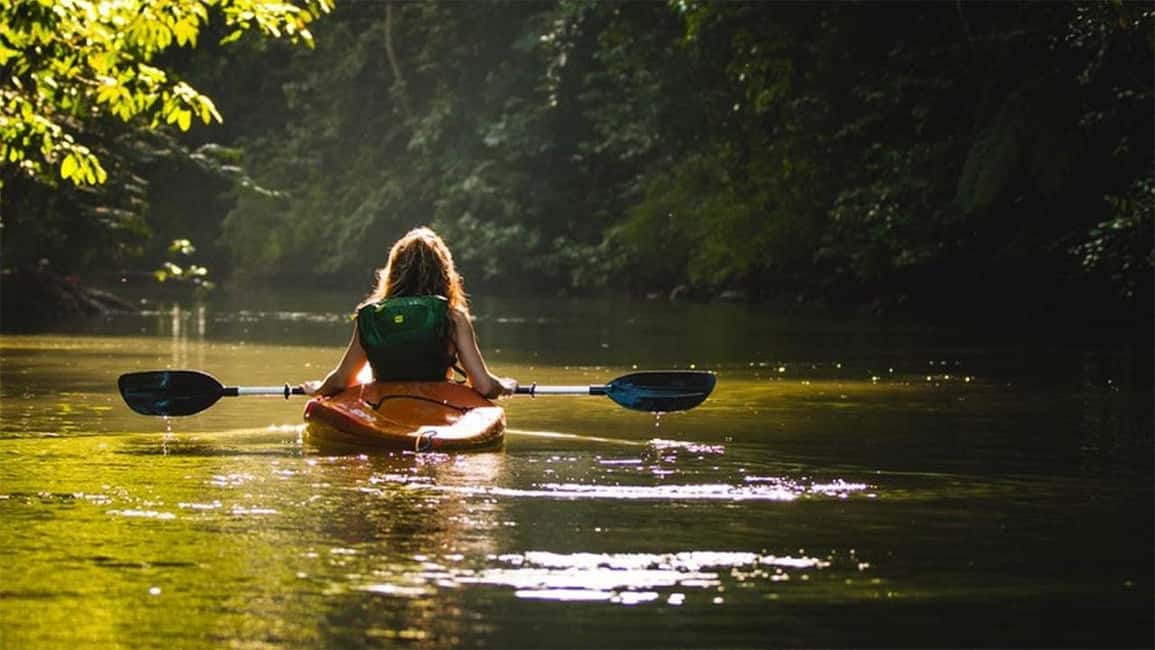
If you’re the type who likes nature but doesn’t want to turn your whole day into a wildlife exam, this is a great match. The guide focuses your attention on birds you’re likely to see in this habitat, including herons, kingfishers, and cormorants.
What makes bird spotting work on a kayak? Two things: you move slowly enough to notice reactions, and you’re close enough to pay attention to small cues—like a bird lifting its head, pausing, or shifting position along a branch or root.
So instead of “Look, bird!” you get a more practical approach. You’ll learn what to look for, and your guide’s job is to help you recognize what’s around you while you’re still paddling smoothly. That’s also why a tour guide helps more than a solo paddle here—you’re not just hoping for sightings.
If you care about photography, this is a good environment because the kayaking pace keeps you from rushing. You can usually adjust your position and stop briefly without creating a big disruption. The goal is calm observation.
Traditional Fishing Along the Waterline
Kayaking in Negombo isn’t only about mangroves and birds. One of the tour’s strongest hooks is watching traditional fishing practices firsthand—close enough to see how fishermen cast nets and work from their side of the lagoon life.
Seeing this from a kayak changes the scale. On land, you often get a glance or a quick photo. On water, you get continuity: you pass by, you observe their rhythm, and you understand how the lagoon is part of daily work—not just a pretty backdrop.
This is also where the cultural side becomes practical. Your guide shares insights into the lagoon’s ecosystem and why it matters to the region, but the best context comes from watching people use the water the way they always have.
One especially memorable detail mentioned by a guest: the guide didn’t just talk about environmental care—they collected rubbish along the route. That kind of small action makes the whole experience feel more responsible, and it signals that the guide understands the lagoon as a living workspace, not a disposable attraction.
How the 2-Hour Timing Works (and Why It’s a Sweet Spot)
Two hours sounds short until you’re on calm water with a guide who’s building in time for observation. Then it starts to feel exactly right.
You’ll spend time paddling through the lagoon waterways, stopping and adjusting as needed for bird sightings and fishing-life moments. The tour doesn’t rush you to “cover” everything. Instead it keeps the pacing slow enough that you can actually notice what’s around you.
It also gives you an easy planning advantage back on land. After the paddle, you’re not stuck with a full-day commitment. That’s useful if you’re pairing this with Negombo sights, coastal meals, or a travel day that already has a lot going on.



Sunrise or Sunset Paddles: When the Lagoon Feels Like It’s Holding Still
One of the highlights is the chance to enjoy the tranquil beauty of the lagoon at sunrise or sunset. If you’ve ever tried to photograph birds in harsh midday light, you know why this matters. Softer light often makes it easier to see subtle details—and the lagoon atmosphere usually feels calmer.
This kind of timing can also improve your overall experience. In the morning or evening, there’s less glare off the water, and the whole area tends to feel less busy and more reflective. That’s when a kayak fits perfectly: you’re not powering through scenery, you’re gliding with it.
So if your schedule allows, consider choosing a starting time that lines up with sunrise or sunset. You’ll likely feel the difference more than you’d expect.
Effort Level: What You’re Really Doing Physically
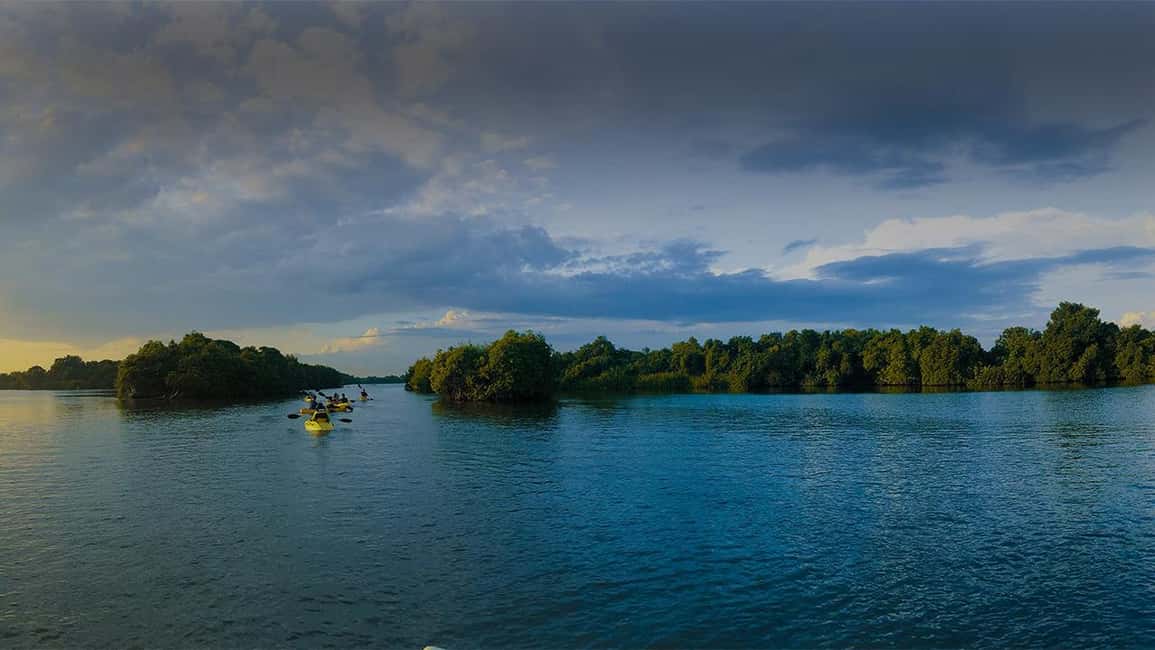
This trip is best described as a guided paddle in calm lagoon conditions—not white-water adventure. You’ll get basic instruction at the start, and the waterways are suited for beginners as well as experienced kayakers.
That still doesn’t mean it’s “zero effort.” Paddling uses your arms, shoulders, and core, and after a while your posture matters. The good news: because the water is serene and the route is designed for viewing and passing through narrow channels, you’re not constantly battling chop or currents.
If you’re someone who struggles with repetitive motion (or you get wrist/shoulder fatigue), I’d do two things:
- pace your strokes smoothly, and don’t overreach
- remember that turning the kayak is often more about angle control than force
The tour’s instruction and equipment set you up for that. If you follow the guide’s cues, it should feel like a relaxing workout at most.
What’s Included for $20: The Value Breakdown
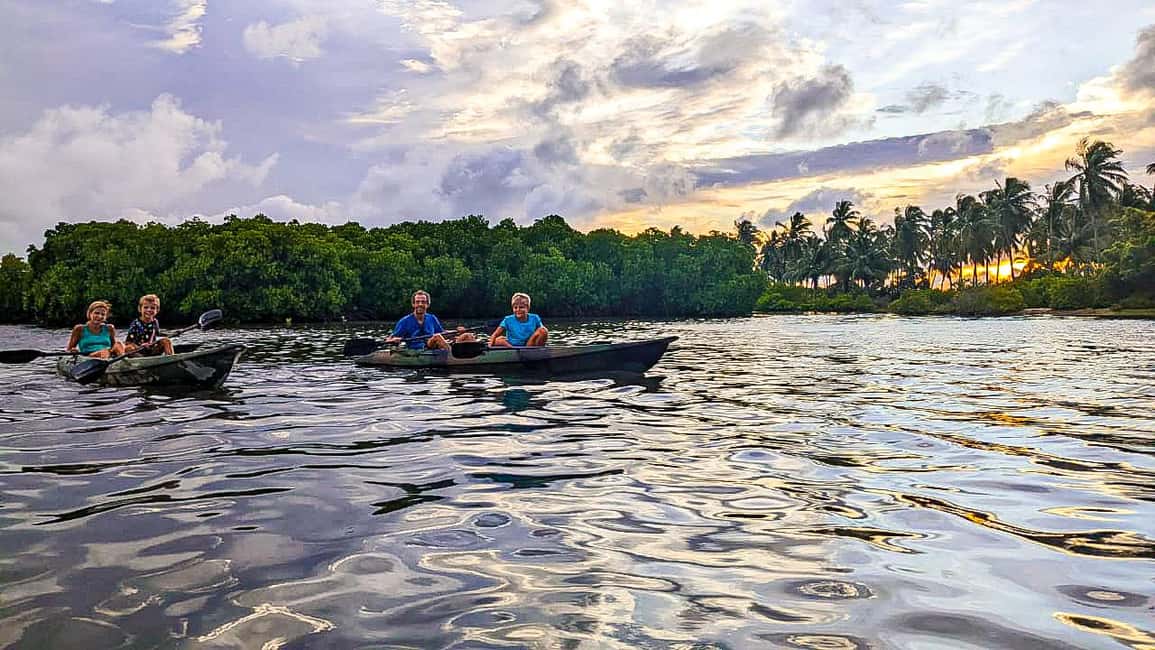
The price is listed at $20 per person, and for this type of activity, that’s mostly about access and guidance.
Here’s what you get:
- guided kayaking with a professional instructor
- kayak, paddles, and safety equipment
- safety briefing and basic paddling instructions
- wildlife and cultural insights from your local guide
What you don’t get:
- transportation to and from Negombo
- meals and drinks
To me, the “value” is less about the equipment and more about the guide’s job: directing your attention, explaining what you’re seeing, and helping you stay safe in small waterways. In mangrove and bird habitats, that guidance changes the experience from “we paddled around” into “we understood what we saw.”
Also, the tour is a private group, which can be a strong deal if you’re traveling with a small circle and want a quieter, more personal outing.
One practical note for budgeting: if you need a driver or tuk-tuk to reach Captain’s Landing, add that cost into your plan. And if you’ll be hungry afterward, plan a meal after the 2-hour tour.
Who This Kayaking Experience Is Best For
This tour is a smart pick if you want:
- nature without rough conditions
- wildlife spotting with an actual guide-led focus
- a look at local fishing life from the water
- a short, pleasant time block (2 hours) instead of a full-day tour
It’s also a good fit if you’re traveling with someone who doesn’t want adrenaline but still wants something hands-on. The calm lagoon setting makes it easier to enjoy the surroundings rather than white-knuckle your way through.
If you’re an experienced kayaker, you may find the pace relaxed, but the payoff is in access—especially the ability to go into mangrove areas that larger boats can’t reach. That’s exactly the kind of “different angle” benefit you want from a guided trip.
Should You Book Kayaking in Negombo Lagoon?
Yes, I’d book it if you like slow travel done right: quiet water, mangrove roots, and birds you can name because someone points them out. The strongest reasons to choose this specific kayaking experience are the mangrove access, the focused birdlife route, and the chance to witness traditional fishing practices close up.
Skip it only if you’re very sensitive to sun and heat or you’d be unhappy paddling for 2 hours even at an easy pace. If that’s you, bring protection, hydrate, and ask the guide for pacing help at the start.
If you want a genuinely local-feeling nature outing that doesn’t waste your time, this is a solid call in Negombo.
FAQ
Where is the kayak tour meeting point?
The meeting point is Captain’s Landing.
How long is the kayaking experience?
The duration is 2 hours.
How much does it cost?
The price is $20 per person.
What’s included in the tour price?
It includes a guided kayaking tour with a professional instructor, plus the kayak, paddles, safety equipment, a safety briefing and basic paddling instructions, and wildlife and cultural insights from your local guide.
Is transportation or meals included?
No. Transportation to and from Negombo and meals and drinks are not included.
What language is the live guide?
The live tour guide speaks English.
What should I bring?
Bring a hat and sunscreen for sun protection, and be prepared for warm weather.