REVIEW · NEGOMBO
Sigiriya and Dambulla Tour (All Inclusive)
Book on Viator →Operated by Overa Tours · Bookable on Viator
Sigiriya and Dambulla in a single day sounds ambitious, and that is exactly why it works. You get the big-ticket UNESCO sights without having to juggle schedules across multiple days, and the day is built around one simple goal: ancient Sri Lanka, up close.
I especially like the mix of hard effort and calm reward. Sigiriya’s 1200-step climb earns its views, and Dambulla’s cave temples slow your pace with Buddhist murals and sculptures. The other win is practical: private, air-conditioned transport with an English-speaking driver, plus lunch and entrance fees handled.
One consideration: this is a 14-hour outing with a moderate fitness requirement, and the Sigiriya climb can feel spicy in the heat. If you are hoping for a gentle walk-and-shop day, this is not it.
In This Review
- Key things I’d plan around
- Why the Sigiriya + Dambulla combo feels efficient
- The 6:00 am start and the 14-hour time reality
- Sigiriya Rock Fortress: steps, the lion gateway, and that cliffside drama
- Dambulla Golden Rock Cave Temple: murals, sculptures, and the value of the pause
- Lunch and countryside pacing: a real break, not just a stop
- Price and what you actually get for $140.20
- Driver vs guide: what to expect from the human behind the wheel
- Things to watch: weather, clothing, and that rock climb
- Who should book this, and who should skip it
- Should you book Sigiriya and Dambulla (All Inclusive)?
- FAQ
- What time does the tour start?
- How long is the tour?
- What’s included in the tour price?
- Do I need to pay entrance fees at the sites?
- What should I wear for the cave temple?
- Is the tour fully refundable if plans change?
Key things I’d plan around
- The day starts at 6:00 am and runs about 14 hours, so you need stamina and a light breakfast plan
- Sigiriya’s rock climb is the main workout: expect steps and sun exposure
- Dambulla caves are impressive, but the visit feels quicker than people might imagine once you’re inside
- Entrance fees, lunch, and water are included, which helps keep the day stress-free
- You must dress for holy sites (shoulders and knees covered) and bring your passport
Why the Sigiriya + Dambulla combo feels efficient
This tour is basically a best-of day: one site that shows how kings tried to conquer geography, and one site that shows how faith shaped art for centuries. You’re looking at two UNESCO World Heritage Places that feel very different in mood, even though you visit them on the same schedule.
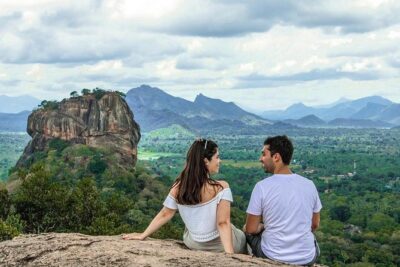
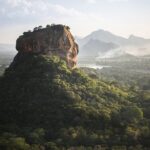
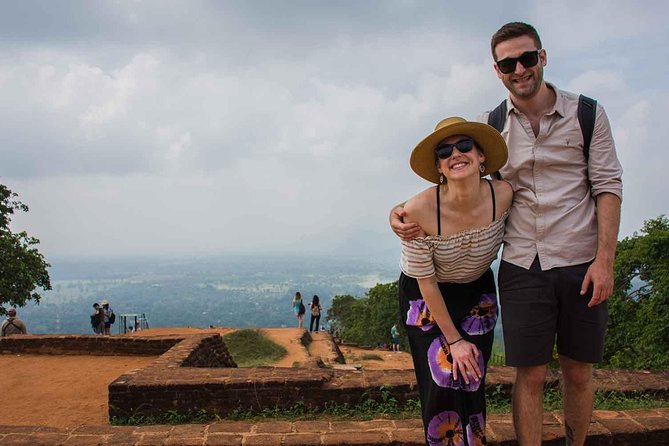
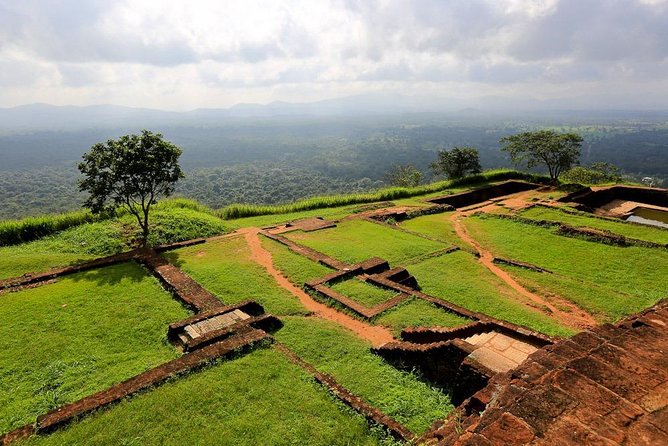
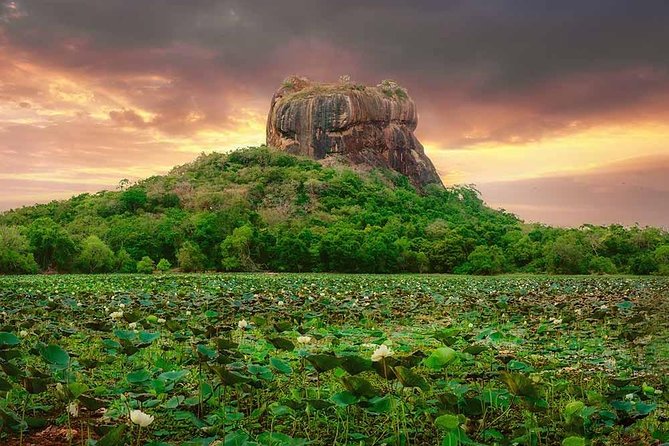
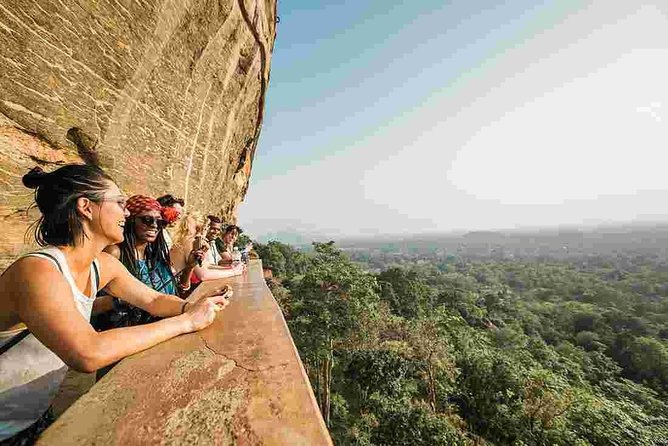
Sigiriya is about height, power, and spectacle. The rock rises roughly 600 feet from the plains, and the fortress/palace complex was used by King Kassapa in the late 5th century CE. You feel that scale as soon as you’re near the rock, then again when you hit the steps.
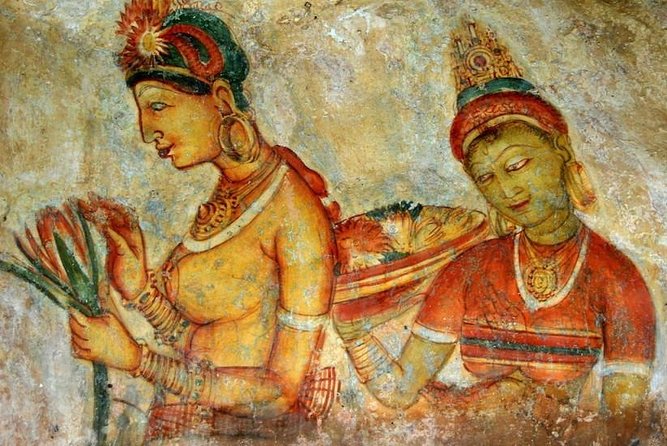
Dambulla shifts the tone. The cave temple complex has monastic roots dating back to the 1st century BCE, and over time it received renovations by royal and elite patrons. You’re not climbing for views here—you’re stepping into a space built for devotion, with murals and sculptures showing a pan-Asian artistic tradition.
For many people, the biggest value is simply time. If you only have one full day in Sri Lanka (or you want to avoid early-morning chaos across multiple tours), this combo gives you two must-sees before dinner.
You can also read our reviews of more tours and experiences in Negombo.


The 6:00 am start and the 14-hour time reality
The schedule is built for an early start: departure is set for 6:00 am, and you return to the same meeting point area afterward. The whole day runs about 14 hours. That means you should treat this like a full outing, not a “quick trip.”
What I like about the timing is that it lines up with how these sites work in real life: cooler morning temperatures for the climb at Sigiriya, then a calmer middle-of-the-day pace for Dambulla and lunch. That said, you’re still outdoors for part of the day, so sun protection matters.
Also plan your energy. Bring water (you get mineral water during the tour), wear supportive shoes, and keep your expectations realistic: you will see a lot, but you won’t have hours and hours to wander every corner.
If your travel style is slow and spontaneous, this day might feel packed. If your style is “show me the highlights with logistics handled,” you’ll feel right at home.
Sigiriya Rock Fortress: steps, the lion gateway, and that cliffside drama
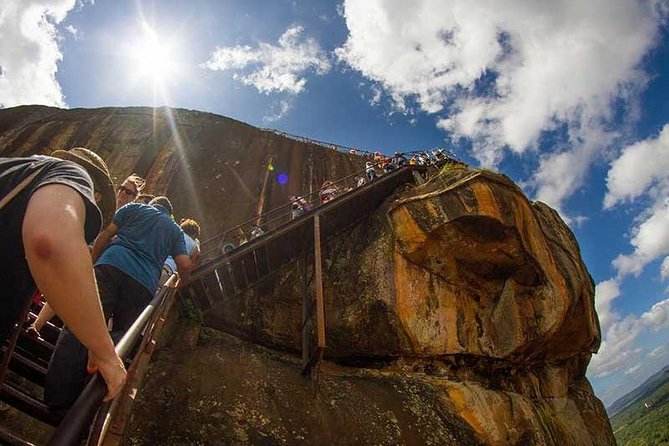
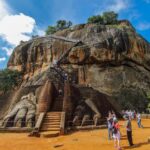
Sigiriya is often described as the Lion Rock, and the name makes sense once you understand the approach. The old palace entrance was through a massive lion-head sculpture, originally called Sinha-Giri. Today, only the lion paws remain at the base, but it’s a helpful clue: the whole place was designed to feel like you’re entering a royal world before you even reach the summit.
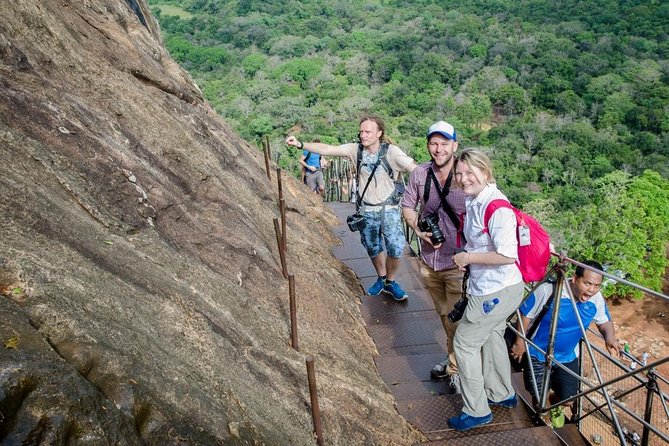
The climb itself goes via about 1200 steps. That’s not a gentle stroll. You’ll feel it in your legs and you’ll notice it in the sun, even on a good day. The fortress/complex dates to the 5th century and was associated with King Kassapa, who used this elevated site as a royal palace and stronghold.
What to do so the climb doesn’t bully you:
- Pace yourself. Don’t sprint early; you’ll want energy for the top.
- Take short breaks whenever you need them. The crowd moves in waves anyway.
- Keep your eyes up, not just on your feet. The rock and surrounding views are part of the reward.
One more practical point: your clothing matters. You’re visiting sacred sites during the broader day, so aim for clothing that covers shoulders and knees from the start, not something you have to change halfway through.
Dambulla Golden Rock Cave Temple: murals, sculptures, and the value of the pause
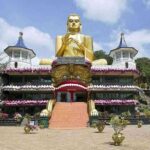
After Sigiriya, Dambulla feels like the temperature shift you didn’t know you needed. The golden rock cave temple was a religious pilgrimage site with monastic beginnings in the 1st century BCE. Over time, the caves weren’t just left alone—royal and Buddhist elites renovated them regularly to support faithful visitors.
Inside, you’re looking at a large collection of Buddhist murals and sculptures. The theme here is art meant for devotion: repeated figures, expressive styles, and the sense that these spaces were cared for over long periods, even through cycles of abandonment.
The biggest thing to know in advance: the cave visit is shorter than Sigiriya. You’ll have time to see a lot, but you’re not going to have hours to linger in every alcove. That can be a good thing. It helps you avoid the “stand and stare until your brain goes numb” effect.
If you want to make the most of it, use your time like this:
- Look up early for the murals so you get the overall impression first.
- Then slow down and check details in a smaller number of caves rather than rushing through everything.
This stop is ideal if you like cultural stops where the site design shapes how you experience it—cooler air, dimmer light, and stories told through painted surfaces.
Lunch and countryside pacing: a real break, not just a stop
Lunch is included at a local restaurant, and I think that’s one of the underrated parts of an all-inclusive day. When meals are included, you avoid that annoying planning scramble—especially on a tight schedule where you might otherwise end up eating something convenient and forgettable.
The lunch break also helps reset your legs after the Sigiriya climb. You’ll likely be ready to sit down and cool off a bit, even if the day is exciting. This is a good point to drink water, loosen your posture, and prepare mentally for the final site and return ride.
Because the day is long, I’d approach lunch like a strategic pause. Eat enough to keep your energy steady for the drive back, but don’t overdo it. You want to enjoy the final moments rather than fighting a post-meal crash.
Price and what you actually get for $140.20
At $140.20 per person, this isn’t a bargain priced like a bus ride to a single museum. But it’s also not priced like a luxury private driver with every personal add-on. The value comes from what’s bundled:
- Private transport with an English-speaking driver
- Entrance fees for Sigiriya and Dambulla
- Lunch at a local restaurant
- Mineral water during the tour
- All government taxes
If you try to piece this together yourself, you’d spend time coordinating vehicles, paying tickets separately, and figuring out timing. Here, the goal is a smooth flow from pickup to sites to return—especially helpful on an early departure.
Another plus: it’s described as private, so you’re not sharing the experience with random strangers the way you might on a crowded group tour. There’s also mention of group discounts, which can help if you’re traveling with friends or family.
Just be honest with yourself about one thing: the price is paying for time, transport, and friction removal. If you already love organizing on your own, you might not see “value.” If you want a single day that feels handled, you probably will.
Driver vs guide: what to expect from the human behind the wheel
One detail I found useful in how the day is set up: the driver is the driver, not necessarily a full-time guide in the storytelling sense. That’s common on tours where the company focuses on transport logistics.
So if you care about deeper explanations—who built what, why certain murals look the way they do—come ready to ask questions or do a little prep before you go. A driver can still help with timing and practical info, and in many cases they’re great at keeping the day on track.
What you can count on here is the practical side. The vehicle is air-conditioned, and the driver speaks English, which keeps the day from getting lost in translation when schedules shift or when you have simple questions.
When a tour works, it’s not because someone gives a perfect lecture. It’s because you feel un-rushed and well taken care of. Based on the overall feedback tone for this experience, that’s the strength.
Things to watch: weather, clothing, and that rock climb
A couple of rules can make or break the day:
Weather matters. The experience notes that it’s weather dependent. If conditions are poor, you’ll be offered a different date or a full refund.
Dress code is real. You should wear clothing that covers shoulders and knees for sacred sites. Don’t plan to solve this at the last second. Bring something that’s already compliant.
Bring your passport. You’re asked to have valid passports for entering the sites.
Fitness is moderate, not couch-only. You should be ready for the Sigiriya climb and the steps. The Dambulla portion is easier physically, but the day still takes stamina because it runs long.
Finally, a small warning born from a negative experience tied to timing and communication: if you don’t get clear confirmation details or you’re unsure about pickup, double-check before morning. Keep your expectations flexible, and make sure you know where you’re meeting and when. Early starts are unforgiving if plans wobble.
Who should book this, and who should skip it
This is a great fit if you want:
- Two UNESCO stops in one day without managing transport or tickets yourself
- A day built around a morning climb and an afternoon culture stop
- Private logistics with English-speaking support
- Lunch included so you can focus on the sites
You might skip it if:
- You hate long days and prefer slow, minimal-hustle sightseeing
- You have limited mobility and aren’t comfortable with a large stair climb
- You want a deep, guided lecture at every stop rather than a primarily driver-led logistics day
If you’re traveling with family, this could work well for adults who can handle steps, but it’s worth being honest about who in your group can do 1200 steps comfortably.
Should you book Sigiriya and Dambulla (All Inclusive)?
I’d book this if you’re the type of traveler who loves hitting major sights efficiently and prefers a day that’s planned for you. The big strengths are clear: entrance fees are handled, lunch is included, and the air-conditioned private transport makes the long day feel doable.
Choose it with open eyes if you’re sensitive to heat, short on stamina, or hoping for an easy walk. The Sigiriya climb is the point, and it demands respect.
If your goal is one memorable day that mixes palace-forgotten rock engineering with cave-temple art, this tour is a solid bet—especially for first-timers who want UNESCO highlights without the hassle.
FAQ
What time does the tour start?
The tour starts at 6:00 am.
How long is the tour?
It lasts about 14 hours.
What’s included in the tour price?
Hotel pickup and drop-off to nearby locations, air-conditioned private transport with an English-speaking driver, mineral water, lunch at a local restaurant, entrance fees to Sigiriya Rock and Dambulla Temple, and all government taxes.
Do I need to pay entrance fees at the sites?
No. Entrance fees for Sigiriya and Dambulla are included.
What should I wear for the cave temple?
Wear clothing that covers your shoulders and knees, since it’s a sacred/holy place.
Is the tour fully refundable if plans change?
Yes. Free cancellation is available up to 24 hours in advance for a full refund, and weather issues may also lead to a different date or a full refund.