REVIEW · NEGOMBO
Visit Negombo by Scooty – All Inclusive
Book on Viator →Operated by Capital Tour By Tuk Tuk · Bookable on Viator
Negombo feels real in just four hours. This all-inclusive city tour by Scooty puts you face-to-face with everyday coastal life, and I especially like the Negombo fish market stop plus the included time at the Negombo Lagoon. One thing to plan for: the fish market can be intense, with strong smells and a crowd vibe.
I also like that the private transport and pickup help you skip the hassle of figuring out how to stitch sites together. And if you care about value, the package bundles the usual add-ons—bottled water, snacks, and a meal—so you don’t watch your budget melt while you’re sightseeing.
In This Review
- Quick Highlights
- Why Negombo Works So Well In A Half-Day
- Scooty, Tuk Tuk, Van, or Car: Picking Your Ride
- The Value Angle: What’s Included (And What You’ll Still Pay For)
- Stop-By-Stop: What You’ll See and What It Teaches You
- Negombo Fish Market: Coastal Life Up Close
- Negombo Lagoon: Water Systems and Sea Connection
- Negombo Dutch Fort: Portuguese and Dutch Layers
- St. Mary’s Church on Grand Street: Little Rome in Real Life
- Sri Mutthu Mari Amman Temple: Dravidian-Style Detail
- Negombo Beach: A Simple Walk Between Town and Sea
- The Hamilton Canal (Dutch Canal): A British-Era Water Project
- Angurukaramulla Temple: Another Faith Stop in the City Loop
- Food and Street Scene: Where the Tour Shines
- Timing and Smart Preparation for a 4-Hour Day
- Who This Tour Fits Best
- Should You Book This Negombo By Scooty Tour?
- FAQ
- How long is the Negombo city tour?
- How much does the tour cost?
- Is pickup included?
- Is this tour private?
- What’s included in the price?
- Which stops have admission tickets included?
- Is a boat ride included?
- Do I get a ticket on my phone?
- Is cancellation free?
- Who can participate?
Quick Highlights

- Included meals and snacks: bottled water, snacks, and lunch or dinner are part of the deal
- Market-to-lagoon pacing: fish market energy followed by quieter lagoon time
- Faith and fort layers: Dutch Fort, Christian churches, and temple visits in one loop
- Flexible vehicle options: Scooty, tuk tuk, van, or car, depending on your choice
- Real local guidance: guides like Romal focus on practical food-and-culture stops
- A half-day that fits: about four hours, with pickup and a private group setup
Why Negombo Works So Well In A Half-Day
Negombo is on Sri Lanka’s west coast, north of Colombo, and it has a “hang around” feel even when you’re just passing through. It’s known as a Catholic-heavy place—often called Little Rome—so churches are part of the street scene, not a special separate attraction. At the same time, the fishing trade and lagoon waters shape daily life.
This tour works because it connects three worlds without making you waste hours: the busy coastline (fish market and beach), the water system (lagoon plus the canal connection), and the layered historic-and-faith sites. You get a sense of the city’s rhythm fast, which is ideal if you’re short on time or want an organized start without doing logistics on your own.
You can also read our reviews of more tours and experiences in Negombo.


Scooty, Tuk Tuk, Van, or Car: Picking Your Ride
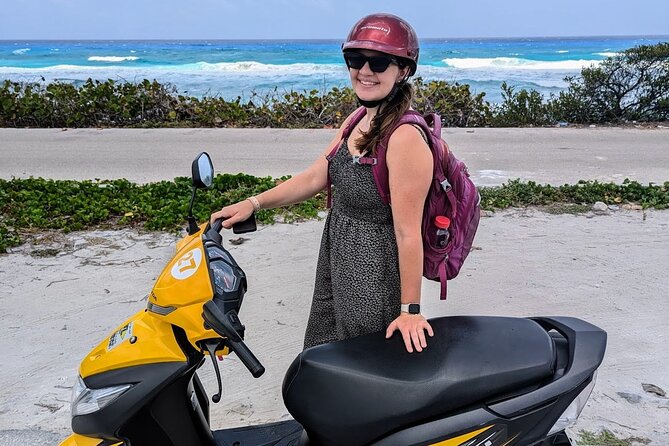
The big advantage here is flexibility. You can go by Scooty or choose alternatives like tuk tuk, van, or car, so you’re not stuck with one style if you don’t feel like riding a scooter. The tour is private, meaning it’s just your group, and that usually translates to smoother timing—less waiting for strangers, more time where you actually care.
Pickup is offered, which matters in Negombo because your day starts the moment you leave. You also get a mobile ticket, so you’re not hunting for paper while you’re trying to get moving.
From the experience accounts I reviewed, the drivers and guides come across as friendly and attentive—especially with family groups. If you’re choosing a motorbike-style option, the tone is also about comfort and safety, not showy speed.
The Value Angle: What’s Included (And What You’ll Still Pay For)
At $25 per person for about four hours, the headline value is the package itself. Included items help you control costs while you’re out:
- Bottled water and snacks
- Private transportation
- Entrance fees for included sights (including Buddhist temple charges)
- Lunch or dinner
That’s a lot of the stuff that usually turns into small, annoying expenses later. When you add up tickets plus a meal plus local transport, this kind of “all-in” structure is where the bargain lives.
The only notable extra is the boat ride: it’s not included, and it’s priced per boat booking (not per person). If you want that water-on-water angle, you’ll want to budget it separately.
Stop-By-Stop: What You’ll See and What It Teaches You
Negombo Fish Market: Coastal Life Up Close
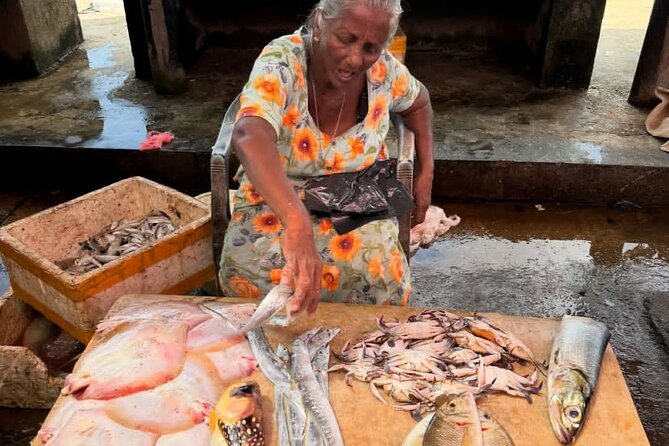
The tour starts (or quickly gets rolling) with the Negombo Fish Market, right on the beach. This is not a museum-style stop. You’re watching fishermen at work: untangling nets, sorting boats, and dealing with the catch as it moves through the day. You’ll see typical species handled and dried—shark, tuna, sardines, mackerel, and more.
What I like about this stop is the learning-by-looking effect. Even if you don’t know the fishing process, you can instantly read the basics: scale, speed, teamwork, and the sea’s constant role in the economy.
Practical note: come with an attitude for smells and close quarters. If you’re sensitive to strong odors or crowds, this is the part where you should brace yourself.


Negombo Lagoon: Water Systems and Sea Connection
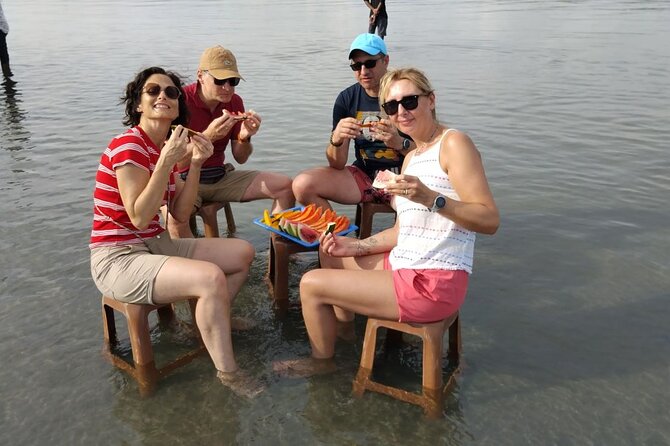
Next comes the Negombo Lagoon—a wide estuarine lagoon on Sri Lanka’s southwest coast. It’s fed by small rivers and a canal, and it connects to the sea through a narrow channel near Negombo city. This kind of stop is a change of pace from the fish market because the focus shifts from hands-on work to the bigger water system that makes fishing and settlement possible.
I find lagoon time useful because it explains the geography behind the daily grind. When you see the water connection, the city’s layout makes more sense, and you can picture how materials, boats, and livelihoods move.
Negombo Dutch Fort: Portuguese and Dutch Layers
The Negombo Dutch Fort adds a historic angle without getting too heavy. The fort was originally built by the Portuguese to defend Colombo. The Dutch captured it in the 1600s, then rebuilt it in 1672 with a pentagonal design. Today, it functions as a prison.
That last detail is important. You’re not looking at a “fully restored for tourists” setting. You’re seeing a working structure shaped by centuries of power struggles and reuse.
If you like architecture or you just enjoy understanding how European powers left fingerprints across coastal Sri Lanka, this stop gives you a clear reference point.
St. Mary’s Church on Grand Street: Little Rome in Real Life
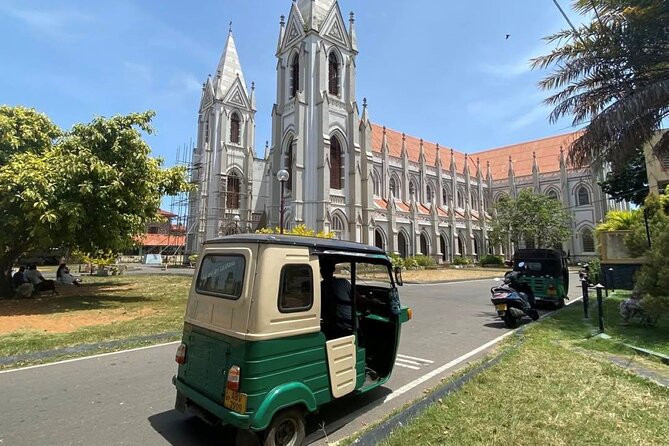
Negombo’s Christian identity shows up in churches all over town, and St. Mary’s Church is one of the most central. The Portuguese era helped shape the area’s nickname, Little Rome, and St. Mary’s Church construction began in 1874. It’s the kind of stop where a short visit helps you read the city’s character instantly.
Even if you’re not religious, church architecture and street placement tell you how communities organized life around faith for generations.
Sri Mutthu Mari Amman Temple: Dravidian-Style Detail
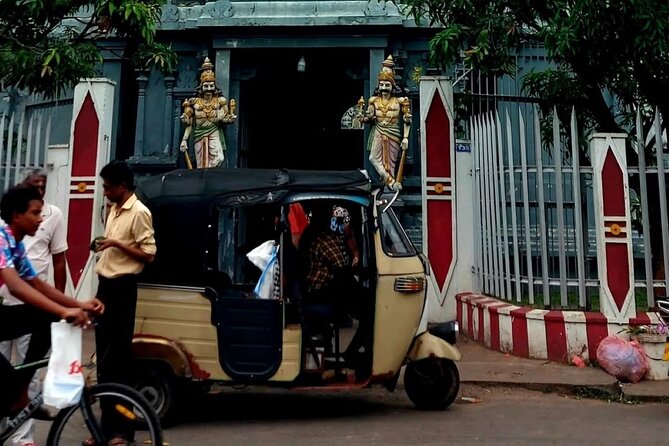
Then you’ll head to Sri Mutthu Mari Amman Temple, described with traditional Dravidian architectural style. This is a quick stop, so think of it as a cultural snapshot: a short look at another belief tradition that helps explain why Negombo feels distinct from many other South Asian beach towns.
Respect matters here. Keep your voice low, dress modestly if you can, and treat the visit like you’d want someone to treat your sacred space.
Negombo Beach: A Simple Walk Between Town and Sea
Negombo Beach is about 6 km from the international airport, and it’s a good “reset” after the more structured stops. This is a Christian fishing town with narrow streets and local boutiques nearby—so you get the sense of living around the sea, not just visiting it.
The beach portion is short (around 30 minutes), so it’s more of a stroll-and-breathe moment than a full swim or long beach day. Still, it’s valuable because it ties the market and lagoon back to the open coastline.
The Hamilton Canal (Dutch Canal): A British-Era Water Project
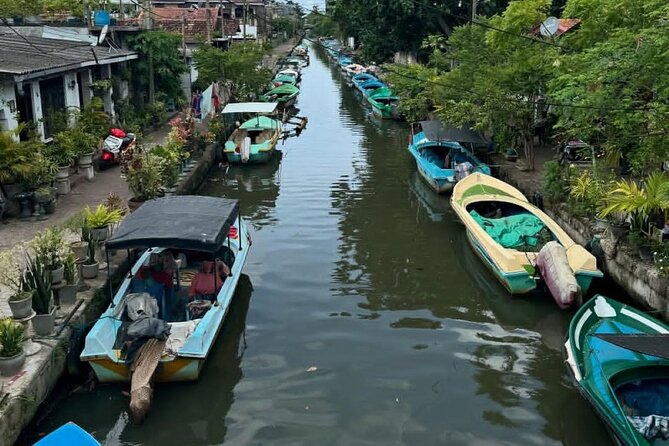
One of the most interesting “engineering” parts of this day is the Hamilton Canal, also called the Dutch Canal. It’s a 14.5 km waterway connecting Puttalam to Colombo through Negombo. British builders created it between 1802 and 1804, including work to drain saltwater from the Muthurajawela wetland.
Even with limited time, this detail changes how you see the region. You’re not just looking at water because it’s pretty—you’re seeing how people tried to control it for settlement and use. If you like history that shows up in practical infrastructure, this will land.
Angurukaramulla Temple: Another Faith Stop in the City Loop
The tour also includes a stop at Angurukaramulla Temple. Negombo is often described as a major Catholic center, with over 90% of the population following the faith and more than 50 churches and shrines. Whether you connect that context directly to the temple visit or just treat it as a reminder that Negombo’s streets carry religious meaning, this stop keeps the tour grounded in the city’s real identity.
Food and Street Scene: Where the Tour Shines
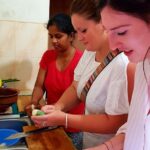
This experience is often picked specifically for how it handles food and everyday culture. In the accounts I reviewed, people loved the way guides steer you toward local life—especially market areas—and then connect you with good places to eat without wasting time.
Romal is one guide name that comes up in a strong way, and the common thread is trust: you’re not just shown a site. You get answers to questions, and the stops aim for practical value, including excellent meals at local restaurants.
If you’re the type who likes to taste your way through a place (or you just want one safe, guided shot at street food), this is a good fit. The key is to go with the mindset that you’ll follow the guide’s lead on what to try and where to go, rather than trying to outsmart the day on your own.
Timing and Smart Preparation for a 4-Hour Day
Because this is about four hours, you’ll want to treat it as a tight loop. It’s designed to cover multiple distinct parts of Negombo without rushing each stop into a photo-only drive-by.
To keep it comfortable, I’d do the basics:
- Wear shoes you can walk in easily at markets and church areas
- Bring sun protection and a light layer (coastal weather shifts fast)
- Expect strong smells at the fish market portion
Also, double-check whether you want a boat ride upgrade. It’s listed separately and priced per boat booking (not per person). If you think you might want it for sunset-style water views or just the novelty of being on the canal system, decide ahead of time so you don’t feel rushed.
Who This Tour Fits Best
This tour fits best if you:
- Want a high-coverage Negombo overview in a short window
- Like a mix of markets, water, churches, and forts
- Care about value because meals and entry fees are included
- Prefer a private group setup for less waiting and more attention
It can also work well for families. One account specifically highlighted a family group and praised the friendliness and curiosity of the drivers, which is a good sign for a smoother experience when kids are involved.
If you’re only interested in one theme—pure beach time, deep archaeology, or a long boat-only day—you might feel the half-day structure is too “compact.” But if you want a grounded introduction to Negombo, it’s well matched.
Should You Book This Negombo By Scooty Tour?

I’d book it if your priority is an efficient, guided hit of Negombo’s core identity: fish market work, lagoon geography, historic Dutch-Portuguese fort layers, and the Little Rome church-and-temple rhythm—without the usual ticket and meal chaos.
I’d think twice if you’re extremely sensitive to crowded, odor-heavy areas, because the fish market stop is part of the point. And if you want a boat ride, plan for the extra fee in advance so it’s a choice, not a surprise.
If you’re budgeting your time in Sri Lanka and you want a memorable Negombo introduction that doesn’t nickel-and-dime you all day, this is a strong pick at $25.
FAQ
How long is the Negombo city tour?
It runs for about 4 hours (approx.).
How much does the tour cost?
The price is $25.00 per person.
Is pickup included?
Yes, pickup is offered.
Is this tour private?
Yes. It’s a private tour/activity, so only your group participates.
What’s included in the price?
Bottled water, snacks, private transportation, entrance fees (including Buddhist temple charges), and lunch or dinner are included.
Which stops have admission tickets included?
Admission tickets are included for the Negombo Fish Market, Negombo Lagoon, Negombo Dutch Fort, St. Mary’s Church – Grand Street, Sri Mutthu Mari Amman Temple, Negombo Beach, and Angurukaramulla Temple.
Is a boat ride included?
No. The boat ride is not included. It’s priced per boat booking for $25.00.
Do I get a ticket on my phone?
Yes. You receive a mobile ticket.
Is cancellation free?
Free cancellation is available. You can cancel up to 24 hours in advance for a full refund.
Who can participate?
Most travelers can participate.