REVIEW · NATIONAL PARKS
Wilpattu National Park: Morning or Afternoon Safari
Book on GetYourGuide →Operated by Tiger Safaris · Bookable on GetYourGuide
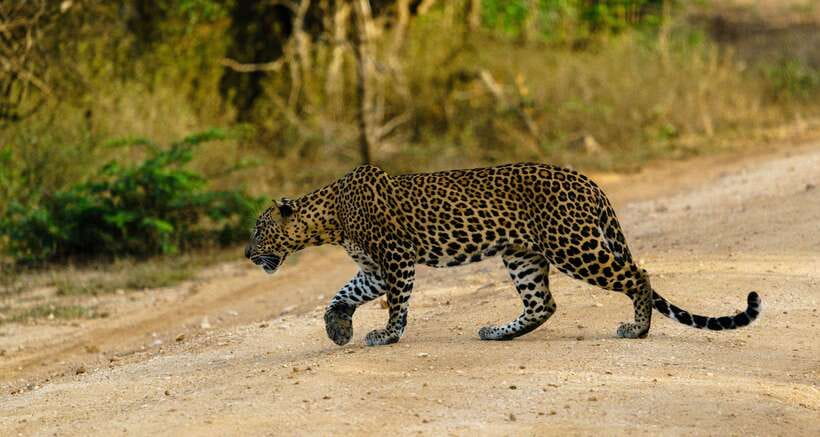
Leopards are the real reason to come. Wilpattu is a big, old national park with scrub, grass plains, and lakes—and this safari is built to give you a leopard-focused outing in comfortable 4×4 jeeps. I like that you get a proper guide-led route (with binoculars) and that the day is designed around real animal-spotting time, not just driving past trees.
One consideration: sightings are never guaranteed, and the quality of the spotting can vary with guide language and how focused the guide is on wildlife during your drives.
In This Review
- Key highlights worth your attention
- Wilpattu Safari in Plain Terms: What You’re Really Buying
- Morning vs Afternoon Safari: How to Choose the Right Slot
- Pickup, Jeep Comfort, and the Pace You’ll Feel
- What 4 Hours Inside Wilpattu Looks Like
- Leopards, Elephants, Bears, and the Rest of the Cast
- The Guide and Language Factor: Where Your Experience Can Change
- Price and Value: Is This $35 Safari a Good Deal?
- What to Bring (Since Food and Drinks Aren’t Included)
- Weather, Wildlife Odds, and How to Think About “Success”
- Who This Safari Suits Best
- Should You Book This Wilpattu Safari With Tiger Safaris?
- FAQ
- How long is the Wilpattu safari?
- Where do they pick you up and drop you off?
- Is hotel pickup and drop-off included?
- What’s included in the safari price?
- Are national park tickets included?
- Is food and drinks provided?
- What language will the guide speak?
- Can I bring alcohol or drugs?
- Is the safari suitable for pregnant women?
- What animals can you expect to see?
Key highlights worth your attention
- Hotel pickup and drop-off from several areas, including Negombo, Colombo, Anuradhapura, and more
- 4×4 jeep safari plus binoculars, so you’re not squinting like it’s a bad movie
- Four hours in Wilpattu exploring the park’s best-known areas for wildlife chances
- Stop points with purpose, including Kudiramale Point, Pomparippu, and the Villu zones
- English guide with audio option, which helps you learn what you’re actually seeing
- Strict rules (no alcohol/drugs) that keep the experience focused on wildlife
Wilpattu Safari in Plain Terms: What You’re Really Buying
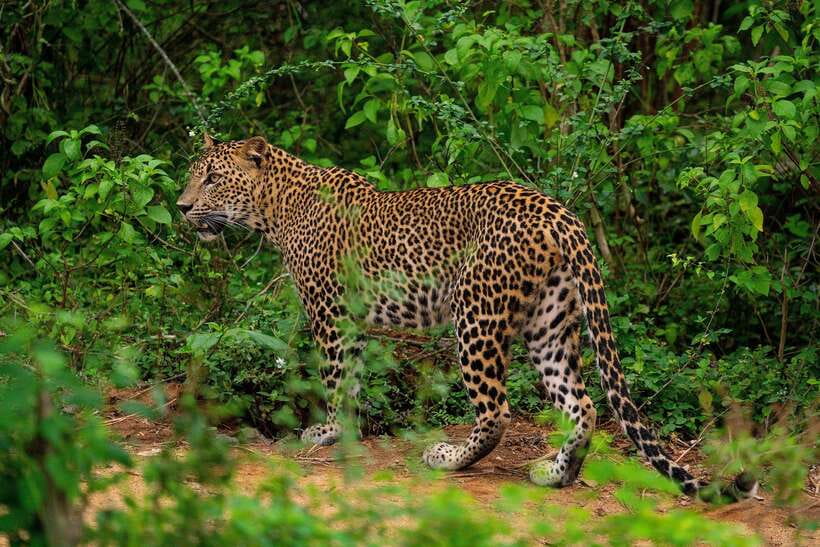
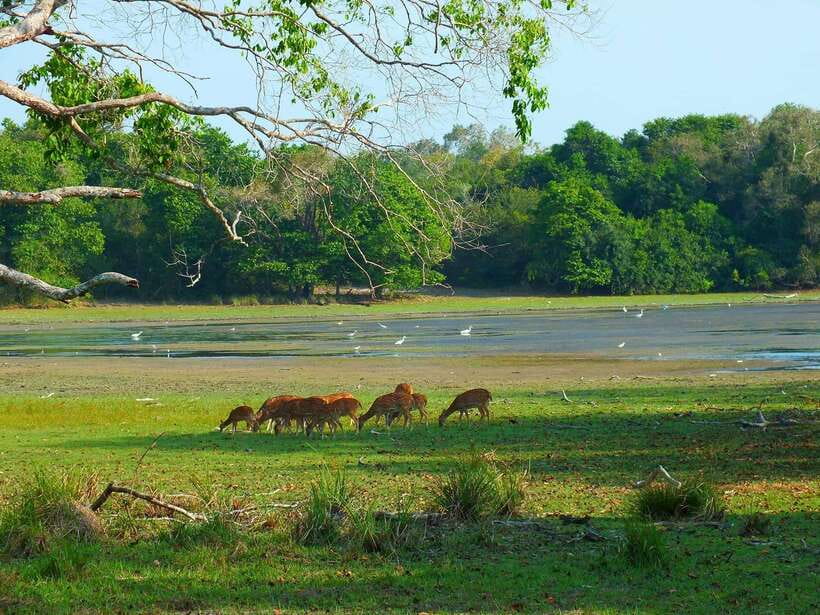
You’re paying for time in one of Sri Lanka’s most well-known wildlife parks, with a route that tries to maximize sightings. The park itself matters here: Wilpattu mixes dense scrub, open grass areas, and water-filled spots. That mix is exactly where you tend to find animal movement—deer stepping into open space, birds working the edges, and the bigger predators using cover and watch points.
This safari is also designed to be easy logistically. You’re not cobbling together transport, hiring a driver, and figuring out where to go. Instead, you get organized pickup, a comfortable jeep ride, and a guided experience inside the park. For many visitors, that’s the value: more time watching, less time coordinating.
You can also read our reviews of more tours and experiences in Negombo


Morning vs Afternoon Safari: How to Choose the Right Slot
The option is basically about your body clock and how you want your day to run. Since the activity is offered as a safari experience and the schedule can vary by availability, I’d treat morning and afternoon as two different styles of the same outing.
Here’s how I’d choose:
- If you want a calmer start and less day heat pressure, pick the morning slot.
- If you’re doing a road trip and need a flexible timing window, afternoon can fit better.
- If you’re staying far from the park, the total day length (pickup + park time + return) can matter more than the label morning/afternoon.
Your best move is to choose based on when your pickup works smoothly from your location. The safari itself includes 4 hours of sightseeing inside Wilpattu, and the rest is travel time.
Pickup, Jeep Comfort, and the Pace You’ll Feel
This tour is built around convenient pickup and drop-off from multiple areas in Sri Lanka: Nochchiyagama, Sinharagama, Galkadawala, Anuradhapura, Negombo, and Colombo (pickup and return options are listed with these places). Your pickup timing is also straightforward: you wait in the lobby about 10 minutes before the scheduled time.
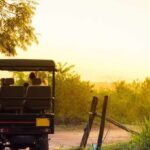
Once you’re in the jeep, the ride is part of the experience. It’s a 4×4 safari jeep with room for comfort, and that matters in a park where you’ll be bouncing along and stopping frequently. I also like that binoculars are included. You’ll get more out of the drive when you can actually zoom in on distant movement rather than only guessing at shapes.
One thing to keep your expectations practical: the safari can involve a lot of careful driving and positioning, not constant motion. If wildlife is active farther into the day (or closer to particular areas), the guide’s ability to read conditions affects how smoothly the hunt goes.
What 4 Hours Inside Wilpattu Looks Like
Inside the park, you’re not doing a checklist walk. You’re in a jeep, following a guide who navigates between habitats and sighting hotspots. Expect rugged tracks, frequent stops, and those quiet stretches where everyone’s suddenly staring in the same direction.
The safari tour highlights several key zones:
- Kudiramale Point: often used as a vantage-style area where visibility can help you spot activity.
- Pomparippu: another named zone that’s part of the route the guide uses to raise the odds of sightings.
- Villu areas: these water-filled zones can be great for birdlife and for animals that come to drink or move around water edges.
What’s special about this structure is that it matches how wildlife behaves. Deer and birds often use the edges and open patches. Predators don’t usually “announce” themselves—they use cover and timing. A route that bounces between scrub, open areas, and water zones gives you more opportunities to see something, even when leopards stay hidden.
Leopards, Elephants, Bears, and the Rest of the Cast
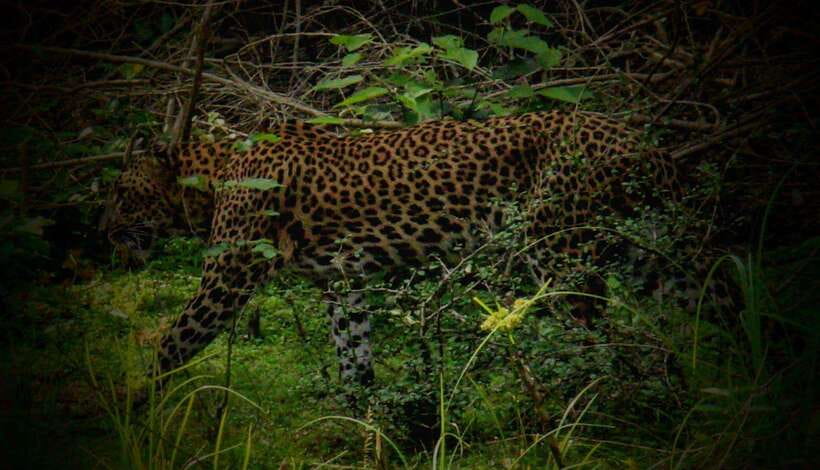
The star you’re hoping for is leopards. Wilpattu is known for having a population of them, and this safari is explicitly aimed at leopard chances. But a good safari isn’t only about one animal.
You might also see:
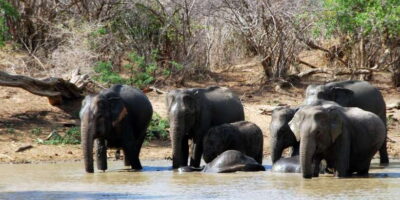
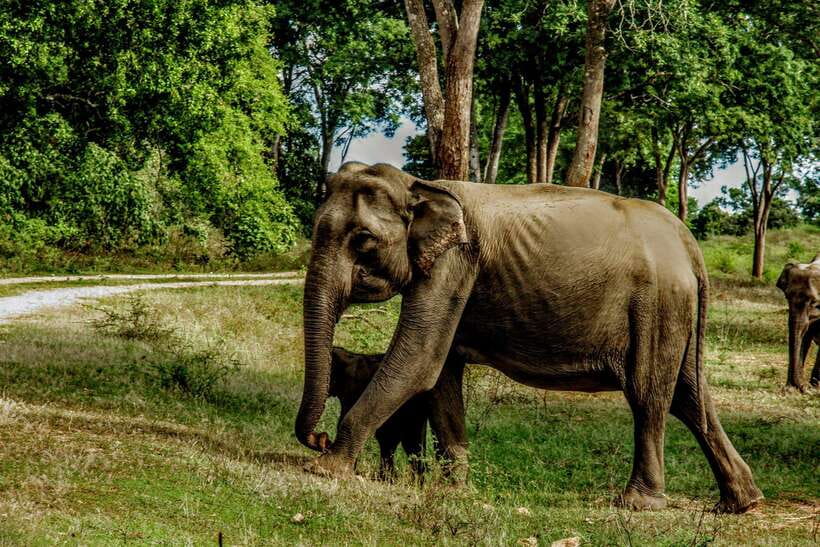
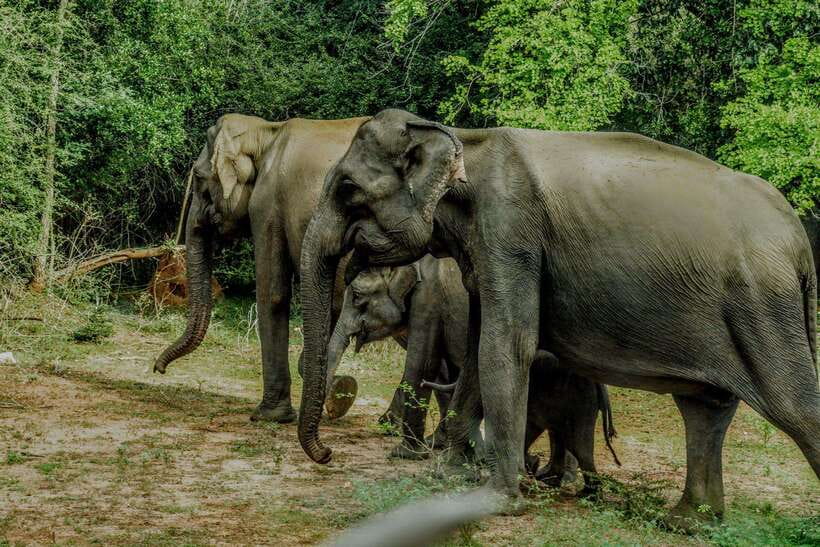
- Elephants
- Sloth bears
- Spotted deer
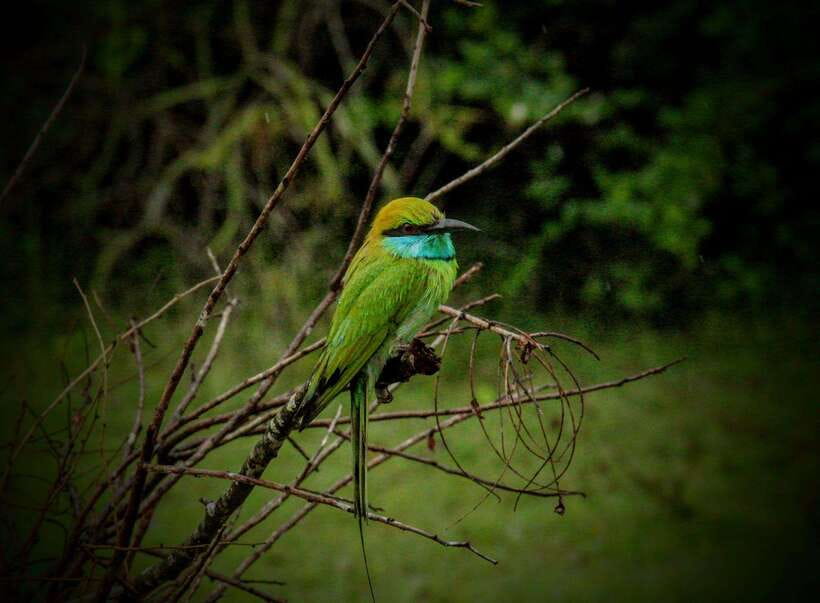
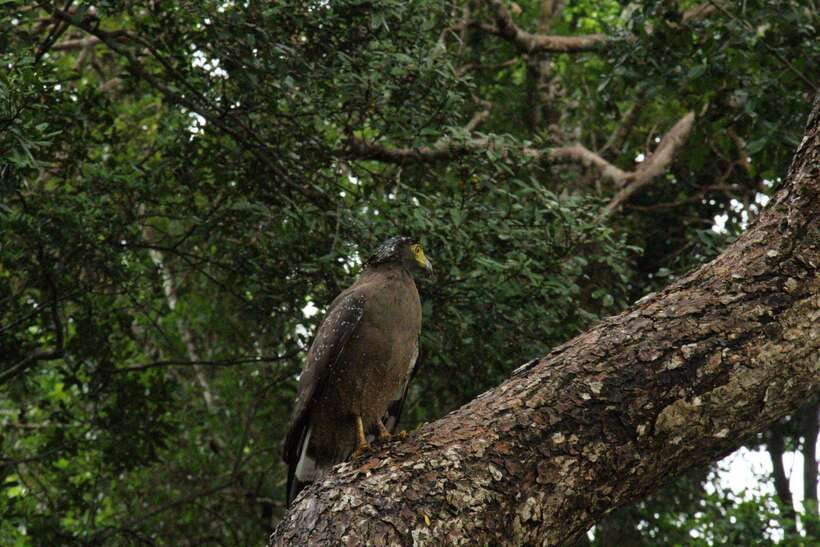
- A range of birds
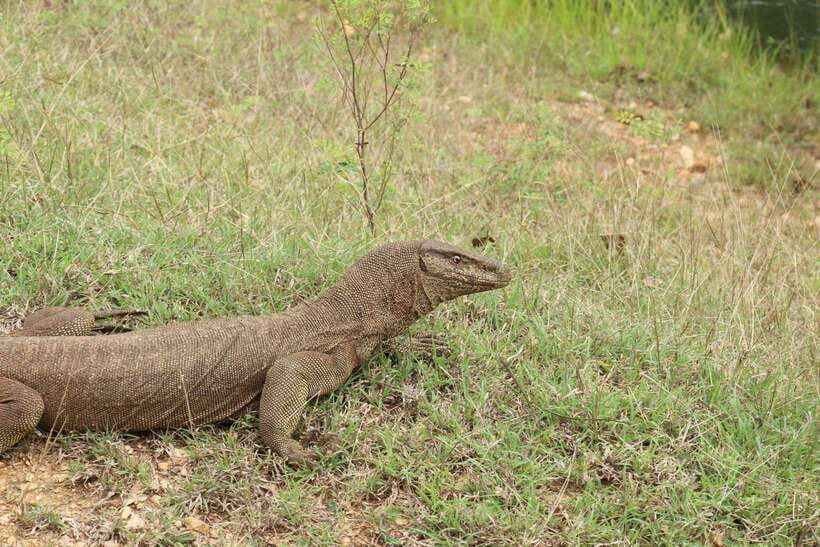
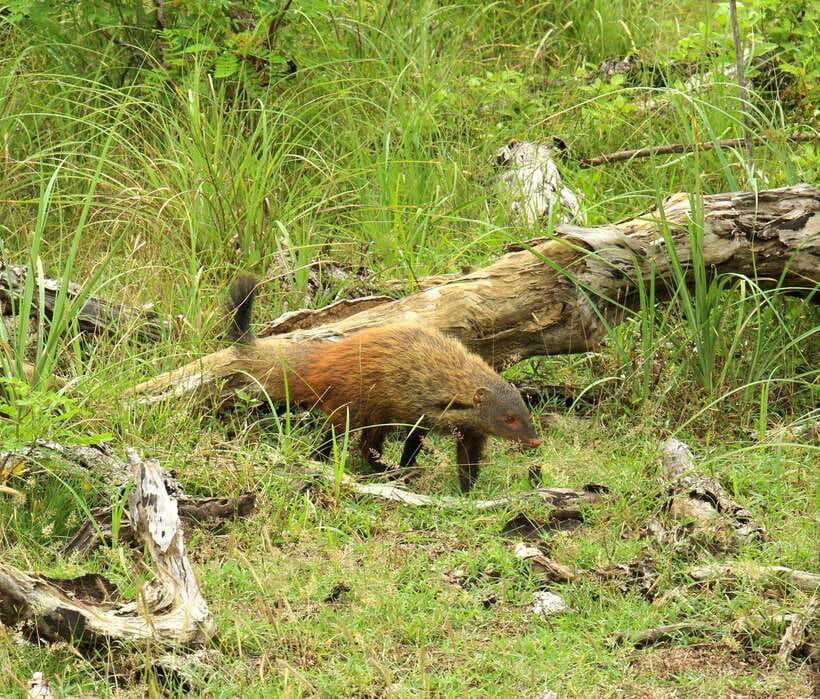
- Other wildlife that shows up when you’re moving through the park’s different habitats
Now, here’s the honest part: sometimes you get a day heavy on smaller animals (deer, monkeys, birds) and you miss the headline species. Sometimes you hit the jackpot with a leopard sighting. Either way, the real value is that you’re in the right ecosystem, with a guide who tries to steer you toward where animals are likely to be at that moment.


The Guide and Language Factor: Where Your Experience Can Change
This safari includes an English live tour guide, and there’s also an optional English audio guide. That should help you understand what you’re seeing—animal names, behavior, and what to look for next.
But quality can vary. On some safaris, the guide’s ability to find and identify species can be uneven, and that changes your experience fast. When spotting is weak, you may spend more time driving slowly with less real wildlife focus, or you may get distracting non-safari conversation.
What I’d do to protect your money:
- Pick a departure time where you’ll have patience (wildlife days are unpredictable).
- If English support is important to you, confirm that your specific guide is comfortable in English before you go.
- Don’t expect every stop to be a major sighting—yet do expect the guide to keep the wildlife search front and center.
Price and Value: Is This $35 Safari a Good Deal?
The safari is priced at $35 per person, but you should budget for national park entry tickets (about $37). Food and drinks are not included.
So the real total is closer to:
- Safari service: $35
- Park tickets: about $37
- Optional extras: food/drinks you bring or buy
Is it good value? It can be, because you’re getting:
- Pickup and return from multiple locations
- A 4×4 jeep experience
- A guide plus binoculars
- About 4 hours of sightseeing inside Wilpattu
The biggest value killer isn’t price—it’s the day. If weather is rough or wildlife is quiet, you’ll still spend time inside the park, and sightings may be fewer. That’s not a scam; it’s just nature being nature. Still, it’s why the guide’s spotting focus matters so much.
For me, this works best if:
- You want a guided safari without the hassle of arranging vehicles and routes yourself.
- You’re comfortable adding park tickets to the budget.
- You’re willing to treat it like wildlife watching, not a guaranteed leopard delivery system.
What to Bring (Since Food and Drinks Aren’t Included)
Because food and drinks aren’t included, plan your day like this:
- Pack water and a simple snack so you’re not hungry while you’re waiting for that one good stop.
- Bring sun protection. Even if the safari is only 4 hours, you can still get sun fast with jeep stops and open areas.
- Wear shoes that handle uneven ground around the jeeps and stops.
Also remember the rules: no alcohol and no drugs. And it’s not suitable for pregnant women.
Weather, Wildlife Odds, and How to Think About “Success”
Rain or bad visibility can reduce what you see, even if the guide does everything right. On the flip side, great sightings sometimes happen when conditions are just right—light, animal movement, and the guide’s positioning.
What counts as a “successful” safari day in Wilpattu:
- You see multiple animals, even if they’re not always the biggest ones
- You get good looks through binoculars
- The guide helps you identify species and read behavior
- The day feels focused on wildlife, not constant chat
And what to watch out for:
- Long pauses for non-safari conversations with other jeeps (it eats your spotting time)
- Guides who don’t seem to identify animals confidently
- Any situation where the jeep time feels wasted because the hunt isn’t the priority
Who This Safari Suits Best
This Wilpattu safari is a strong fit for:
- Wildlife-first travelers who want a guided, comfortable jeep day
- People doing Sri Lanka in a road-trip style who want pickup and drop-off built in
- Visitors who are happy to spend time observing birds and deer while still hoping for a leopard
It’s not a great fit if:
- You need flawless, high-English instruction the whole time
- You expect guaranteed leopard sightings
- You want a low-effort, sit-still experience (this is a drive/spot rhythm with frequent movement and stops)
Should You Book This Wilpattu Safari With Tiger Safaris?
I’d book it if you want a practical safari setup with pickup, a comfortable 4×4 jeep, binoculars, and a route that targets the park’s well-known wildlife zones like Kudiramale Point, Pomparippu, and Villu areas. At $35 plus park tickets, it’s priced like a real safari service—not a budget trick.
Don’t book it if you’re the type who needs a specific wildlife guarantee, or if you’re worried about language/guide consistency. Since leopard sightings depend on the day, your experience will rise or fall based on wildlife activity and the guide’s ability to spot confidently.
If you’re flexible, patient, and wildlife-minded, this is a solid way to spend your time in Wilpattu.
FAQ
How long is the Wilpattu safari?
The activity duration is listed as 5 to 10 hours, with 4 hours of sightseeing inside Wilpattu National Park.
Where do they pick you up and drop you off?
Pickup and drop-off options include Nochchiyagama, Sinharagama, Galkadawala, Anuradhapura, Negombo, and Colombo.
Is hotel pickup and drop-off included?
Yes. Hotel pickup and drop-off at Wilpattu, Nochchiyagama, Sinharagama, and Negombo are included as stated.
What’s included in the safari price?
Included are a comfortable 4×4 jeep, an experienced guide/driver, binoculars, and pickup and drop-off as described.
Are national park tickets included?
No. National Park entry tickets are not included and are about $37.
Is food and drinks provided?
No. Food and drinks are not included.
What language will the guide speak?
The tour includes a live English guide, and there’s also an optional English audio guide.
Can I bring alcohol or drugs?
No. Alcohol and drugs are not allowed.
Is the safari suitable for pregnant women?
No. It is listed as not suitable for pregnant women.
What animals can you expect to see?
The safari aims to spot leopards, elephants, deer, bears (including sloth bears), and birds, along with other wildlife in Wilpattu.