REVIEW · MULTI-DAY SRI LANKA TOUR PACKAGES
12 Days 11 Nights Experience Nature Culture & Beauty Of Sri Lanka
Book on Viator →Operated by Travel With Asa · Bookable on Viator
You can pack a lot of Sri Lanka into 12 days. This trip strings together ancient sites, hill-country tea towns, safari time, and beach sunsets—all with a driver who keeps things moving.
I especially like the private format. Only your group goes, so you get less waiting around and more flexibility when the day changes.
The second thing I like is the mix of experiences. You get cave temples, a classic Kandy cultural stop, the train to Ella, elephants in Minneriya, and whale watching from Mirissa. One trade-off: the route is busy, so expect long driving days between regions.
In This Review
- Key Highlights You’ll Actually Feel on the Trip
- Starting From Negombo: A Private Driver Makes the Whole Circuit Easier
- Day 1: Sigiriya Rock Fortress, Dambulla Caves, and a Real Countryside Village
- Day 2: Polonnaruwa Ruins, Pidurangala Rock, and Minneriya Elephants
- Day 3: Kandy Culture Starts With Spices, Then the Sacred Tooth Relic
- Day 4: Kandy Viewpoints, Botanic Gardens, Tower Views, Waterfalls, and Nuwara Eliya
- Day 5: The Train to Ella and the Nine Arches Bridge
- Day 6: Ella Hikes and Cave Wonders Around Nil Diya Pokuna
- Day 7: Yala Safari, Buduruwagala Statues, Tissa Wewa, and Kataragama Temple
- Day 8: Mirissa Coastline, Coconut Tree Hill, and Whale Watching
- Day 9: More Coconut Tree Hill Time for a Slower Finish
- Day 10: Galle Fort Lighthouses, Koggala Lagoon Area, and Jungle Beach
- Day 11: Galle Dutch Fort and Kosgoda Turtle Conservation
- Day 12: Colombo Finale—Gangaramaya Temple, Galle Face Promenade, and Viharamahadevi Park
- What $1,480 Covers (and What to Budget Extra)
- Who Should Book This Sri Lanka Nature and Culture Tour
- Should You Book This Tour?
- FAQ
- How long is the tour?
- Where does the tour operate, and is pickup offered?
- Is this a private tour?
- Are admission tickets included?
- Is tipping included?
- What’s included in the trip cost from the provided details?
- Is there free cancellation?
Key Highlights You’ll Actually Feel on the Trip
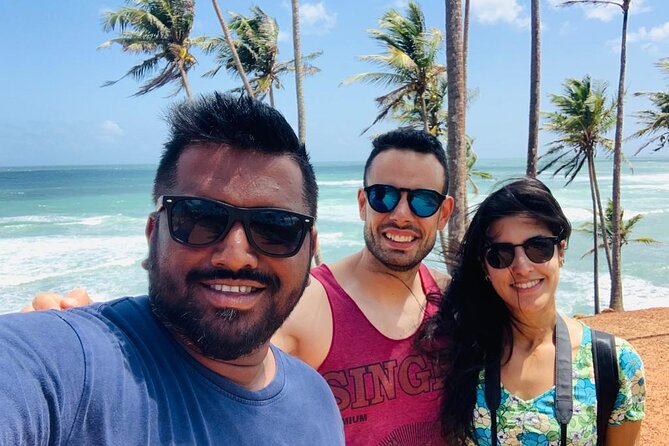
- Private driver-led touring with an air-conditioned vehicle for day after day of moving around
- Sigiriya + Dambulla plus a rural countryside village visit that goes beyond postcard stops
- Minneriya National Park and dry-season elephant viewing tied to the Minneriya Reservoir
- Ella by train with the Hatton to Haputale stretch and the Nine Arches Bridge area
- Yala National Park with ecosystems ranging from forest to wetlands near the Indian Ocean
- Galle Fort + turtle conservation before finishing in Colombo’s parks and viewpoints
Starting From Negombo: A Private Driver Makes the Whole Circuit Easier
This tour is based out of Negombo, and it includes pickup offered (plus a mobile ticket). In practice, that matters because you’re not piecing together buses or chasing connections across multiple regions.
You’ll travel in an air-conditioned vehicle with fuel surcharge, parking fees, and passenger insurance included. The setup is built for long days: there’s unlimited mileage per day, and it’s not stuck to office hours.
The best part is how many guide names show up in the feedback—Asa, Shan, Prasa, and Asantha. Over and over, the theme is safe driving, good planning, and a pace that can fit what you want to do that day.
One thing to note: the included list focuses on transport and the driver, not on your hotel nights. Since the package doesn’t spell out accommodation for you in the included section, confirm lodging details before you book.
You can also read our reviews of more tours and experiences in Negombo.

Day 1: Sigiriya Rock Fortress, Dambulla Caves, and a Real Countryside Village
Day 1 is your “wow, Sri Lanka has range” start.
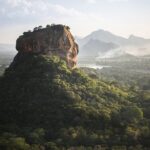
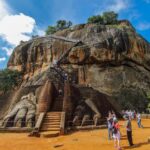
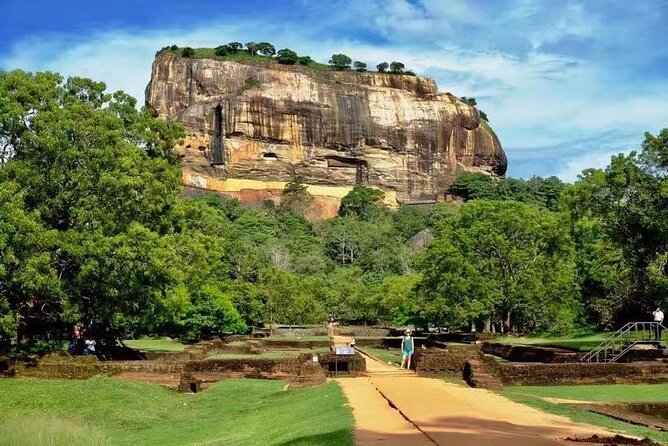
You begin with Sigiriya, the ancient rock fortress and palace built by King Kashyapa. The descriptions focus on technical stone work and the famous wall art set into the environment. It’s a strong opening because you’re not just seeing ruins—you’re seeing how engineering and artistry were fused into a dramatic place.
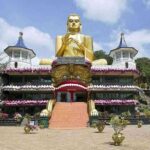
Next is Dambulla, listed as the largest and best-preserved cave temple complex in Sri Lanka, with rock rising about 160 meters above surrounding plains. This stop is also marked as free admission in the tour details, which is a nice bonus. The cave setting changes everything: it’s cooler, quieter, and easier to focus than many open-air sites.
Then you add a village day in Sigiriya itself. The included activities—paddy fields, a bullock cart ride, a traditional catamaran ride in a lake, chena cultivation, and cooking—are where this itinerary separates itself from “drive-by culture.” You’ll get less of the staged vibe and more of what daily life looks like here.
Practical tip: go into this day with a comfortable mindset. Some segments are active (cart rides, outdoor walking). You don’t need hiking shoes for everything, but solid footwear helps.
Day 2: Polonnaruwa Ruins, Pidurangala Rock, and Minneriya Elephants
Day 2 keeps the ancient theme but swaps the scenery from rock fortresses to ruin-and-garden city energy.
Polonnaruwa was Sri Lanka’s second capital after the earlier capital fell. The big draw here is variety: Brahmanic monuments built by the Cholas, plus the monumental ruins of a planned garden-city associated with Parakramabahu. Even if you’re not a history specialist, the scale makes it hard to ignore.
Then you climb or scramble toward Pidurangala Rock, a large rock formation a few kilometers north of Sigiriya. It’s tied to Sigiriya’s broader story, so it feels like a companion visit rather than a random add-on.
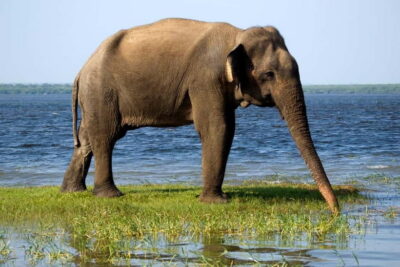
The big emotional payoff comes in Minneriya National Park. The tour description points to the dry season elephant gatherings on the banks of the Minneriya Reservoir. If you’re traveling during the dry season, this is one of the best chances on the itinerary to see elephants group up in numbers rather than as single sightings.
Trade-off to keep in mind: wildlife days can be unpredictable by nature and timing. The park time is listed as 4 hours, and admission isn’t marked as included, so you’ll want to budget for park fees and game-drive rules when you confirm the final details.
Day 3: Kandy Culture Starts With Spices, Then the Sacred Tooth Relic
Day 3 shifts from hill-country ruins to Kandy’s spiritual center.
You start at Sirilak Spice & Herbal Garden. It’s listed as free admission, and the focus is practical: Sri Lanka’s key spices like Ceylon cinnamon, pepper, cloves, cardamom, nutmeg, plus vanilla and mace. This is the kind of stop that helps later—when you smell something in a restaurant or shop, you’ll know what you’re looking at.
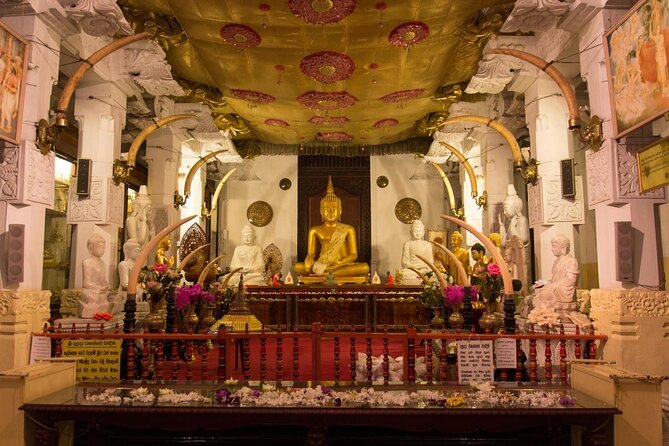
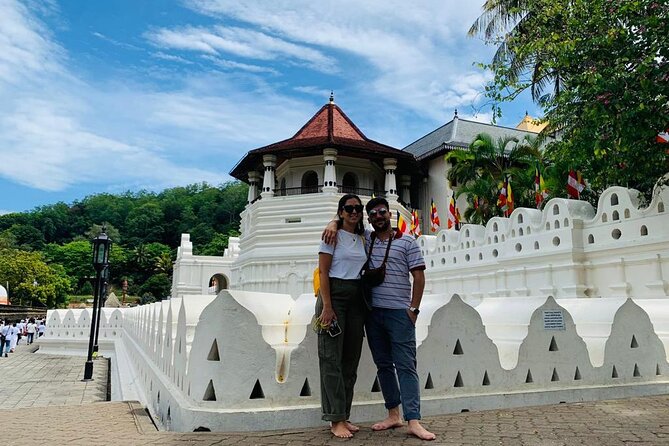
Then it’s Temple of the Sacred Tooth Relic (Sri Dalada Maligawa). The temple houses the tooth relic of the Buddha and sits within the former royal palace complex of Kandy. Even if you’ve visited other temples, this one feels central because it’s tied directly to the kingdom’s identity.
After that, you get Kandyan dance (Avanhala). This is a good cultural contrast to temple time. Dance here is rooted in Udarata and Sinhalese forms, and it’s short enough that you don’t feel “toured out.”
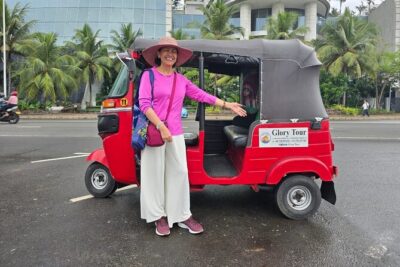
Finally, you end with Kandy Lake viewpoints by private tuk-tuk, with commentary as you ride. That combination—temple focus, performance, then open-air views—helps the day land gently instead of feeling like nonstop indoor stuff.
Day 4: Kandy Viewpoints, Botanic Gardens, Tower Views, Waterfalls, and Nuwara Eliya
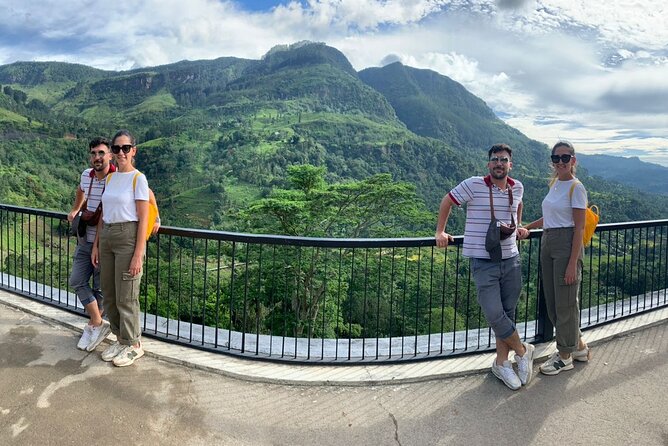
Day 4 is a full plate of views. And it’s the day where the itinerary clearly aims for variety: city overlooks, gardens, a tower, waterfalls, then tea-country small-town vibes.
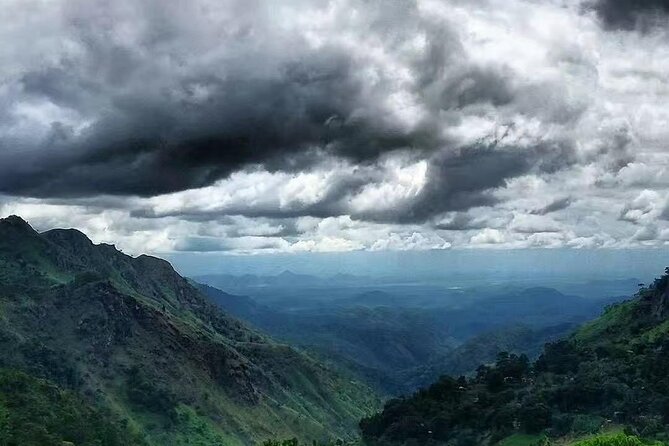
You start with a viewpoint at Arthur’s Seat in Kandy. The location on the hillside above sea level gives a panorama over Kandy, including the lake area. It’s short (30 minutes) but high-impact if the weather plays nice.
Next comes Royal Botanical Gardens in Peradeniya, also a big-name Kandy-area stop. The description calls out its popularity and location near the Mahaweli River. Even without memorizing plant species, it’s a good reset from temples and gives you space to slow down.
Then you climb Ambuluwawa Tower for broader views. Tower stops aren’t everyone’s favorite type of activity, but when you’re moving through Sri Lanka’s multiple elevation zones, this one helps you understand the geography.
You add Ramboda Waterfall next. The description gives you a size reference (109 meters high), plus a sense of how the waterfall is formed by the Panna Oya tributary. Waterfalls are one of the easiest “nature wins” in a road trip.
After that, you reach Nuwara Eliya, the tea-hills city. It’s listed as free admission for the stop. You then spend time at Gregory Lake (reservoir built during British Governor Sir William Gregory’s period), where you’ll get the gentle, British-colonial-era feel that still hangs around tea country.
Day 5: The Train to Ella and the Nine Arches Bridge
This is one of the most memorable transport days on the whole circuit.
The tour description lays out the train rhythm: starting from Colombo Fort Railway station, reaching Nanu Oya by around 1:00 a.m., and arriving near Ella by around 3:22 p.m. The “best scenic” stretch is said to be Hatton to Haputale.
This matters because train travel in Sri Lanka is not just getting from point A to B. It’s part of the show—slower pace, changing elevations, and a steady sense of distance closing behind you.
When you arrive, you’re guided to the Nine Arches Bridge, often called the Bridge in the Sky. The description emphasizes it as a colonial-era railway viaduct and highlights the structure’s engineering charm. It’s a classic Sri Lanka photo stop, but it works best when you treat it as a viewpoint and linger instead of rushing through.
Tip: trains can run on tight schedules and plans can change. The day’s goal is scenery, not speed, so keep your expectations flexible.
Day 6: Ella Hikes and Cave Wonders Around Nil Diya Pokuna
Ella days are built around viewpoints and short nature attractions.
You start with Little Adam’s Peak View Point. The tour frames Ella as a hiking hotspot with phenomenal views over tea plantations and mountain ranges. Admission isn’t included here, so it’s one of those steps where you should check what fees apply for the viewpoints and trails you’ll access.
Next is Nil Diya Pokuna, described as an underwater pond in a cave/tunnel complex, believed to be built by King Ravana. The pond is listed as lying 80 meters deep inside the mountain cave complex. This is the kind of stop that feels different from a standard lookout because it’s a myth-meets-physics location.
Then you visit Rakkhiththa Kanda Aranya Senasanaya (Rajamaha Viharaya) near the Galbokka Forest Reserve. It’s a temple stop, but placed on the edge of forest scenery, so it fits Ella’s softer, more nature-centered feel.
You end with Ravana Ella Falls. The description ties it to the legend of Sita hidden in caves behind the waterfall and mentions Ravana Ella Cave. That storytelling piece is a fun way to connect the hike to local culture.
One caution: cave and falls days can involve uneven footing. Bring shoes you can walk in, and plan for damp conditions if the weather is humid.
Day 7: Yala Safari, Buduruwagala Statues, Tissa Wewa, and Kataragama Temple
Day 7 is where the tour leans hard into wildlife and multi-faith spiritual sites.
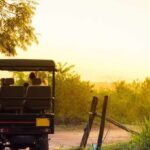
First up is Yala National Park, described as the most visited and second-largest park in Sri Lanka, bordering the Indian Ocean. The ecosystems range from moist monsoon forests to freshwater and marine wetlands. That mix is a big deal because it increases the chance of seeing more than one type of environment in a single safari window.
The stop is listed as free admission in the tour details, but the tour itself still includes a safari time of 4 hours. In real life, confirm what part is covered and what you pay locally, especially for vehicle/game-drive requirements.
After the safari, you visit Buduruwagala Temple, with a complex of seven statues belonging to the Mahayana school. The description notes that the statues date back to the 10th century and that the gigantic Buddha statue still shows traces of its original paint. It’s a contrast to the safari: slower, quieter, and more about craftsmanship.
Then there’s Tissa Wewa, a reservoir in Tissamaharama thought to be constructed in the 3rd century BC for irrigation and water supply. It’s a “land-use” site, and those often get overlooked, but they explain how this region supports farming and life.
Finally, you go to Kataragama Temple, which the description says is dedicated to both the Buddhist guardian deity Kataragama deviyo and the Hindu War God Murugan. That cross-religious draw makes it one of the more unusual religious stops in the itinerary.
Day 8: Mirissa Coastline, Coconut Tree Hill, and Whale Watching
After intense culture and national parks, Day 8 shifts into beach rhythm.
You go to Coconut Tree Hill in Mirissa, a lateritic headland adjacent to the Indian Ocean and located within a coconut plantation area. It’s listed as 2 hours here, which is enough time to get your photos and actually enjoy the sea air.
Then it’s Mirissa Beach for 2 hours. The itinerary focuses on the coast vibe and sunsets, which matches the tour’s overall promise of beach time.
After that, you add whale watching from Mirissa. The description states it’s one of the most exciting water activities and notes that blue whales are often spotted. It also says it’s one of the best places for whale and dolphin watching. Admission isn’t listed as included, so budget for the activity fee and follow the local safety guidance onboard.
Practical tip: bring a light layer for boat time, and be ready for salt spray. Whale trips run on nature timing.
Day 9: More Coconut Tree Hill Time for a Slower Finish
Day 9 is oddly specific: Coconut Tree Hill again, listed as free admission with a much longer time block (6 hours).
That can mean you’ll have a slow day planned around views and relaxed pacing rather than a second major attraction. The practical win is that you’re not stacking another long-distance day right after whale watching.
Use the extra time wisely. Take breaks, hydrate, and give your legs time to recover before Galle and Colombo.
Day 10: Galle Fort Lighthouses, Koggala Lagoon Area, and Jungle Beach
Day 10 moves you into Sri Lanka’s southwest coast, where the vibe gets older and more coastal.
You start at Galle Fort Lighthouse (Pointe de Galle Light). The description calls it Sri Lanka’s oldest light station and notes it’s operated by the Sri Lanka Ports Authority. Even if you’re not a lighthouse enthusiast, it’s a good orientation point for Galle’s seafront architecture.
Next is Koggala Lake, described as a coastal town at the edge of a lagoon. The description notes it’s bounded by a reef on one side, which helps explain why the area feels distinctly maritime.
Then you head to Jungle Beach, described as a compact sand beach with a tiki-style beach bar/seafood spot. This is your easygoing swimming and sunbathing segment—one of those “don’t overthink it” blocks.
Day 11: Galle Dutch Fort and Kosgoda Turtle Conservation
This day keeps Galle front and center.
You visit Galle Dutch Fort, described as a fortified old city founded by Portuguese colonists in the 16th century, with later expansion by the Dutch. The key experience is the car-free streets and old architecture inside stone sea walls.
Then you visit Kosgoda Sea Turtle Conservation Project. The description frames it around protecting environmental balance, and it’s a reminder that Sri Lanka’s coast isn’t just scenery—it’s habitat and conservation work.
This combination works well: you get heritage buildings one moment, then conservation education the next. That kind of pairing is why the itinerary feels balanced, not just “photo stops.”
Day 12: Colombo Finale—Gangaramaya Temple, Galle Face Promenade, and Viharamahadevi Park
Your final day is Colombo, with a mix of religious, oceanfront, and park time.
First is Gangaramaya (Vihara) Buddhist Temple, described as one of Colombo’s important temples, with a mix of modern architecture and cultural essence. It’s on Beira Lake and was completed in the late 19th century.
Then you head to Galle Face Green, an ocean-side urban park stretching along the coast. The promenade was laid out in 1859 by Governor S… (the name is truncated in the details you were given), but the important part is the setting: sea views in the heart of the city.
Finally, you visit Viharamahadevi Park, described as the oldest and largest park in Colombo. It’s located in Cinnamon Gardens in front of the colonial-era Town Hall and built by the British colonial administration.
This finish is nice because it doesn’t end on a “big-ticket attraction.” It ends on places where you can slow down and watch daily life.
What $1,480 Covers (and What to Budget Extra)
At $1,480 for 12 days, the price feels most fair when you think about what you’re buying: private transport with an air-conditioned vehicle, passenger insurance, driver meals and accommodation, parking, and unlimited mileage.
That’s a lot of hassle removal. Instead of assembling your own route across Sri Lanka, you get a driver-led circuit through multiple regions—ancient sites, hill country, national parks, and the southwest coast.
Now the costs you should plan for: the tour details label many sights as not included for admissions. You’ll also want to account for tipping, since it’s explicitly expected for guides and restaurants.
Also double-check what your package includes for lodging and meals. Your itinerary makes it clear the driver is covered, but your own hotel nights and meals are not listed under the included section. If lodging is part of the total price, great—just confirm so you don’t get surprised later.
Who Should Book This Sri Lanka Nature and Culture Tour
This is a strong fit if you want a one-driver solution for a country that can otherwise feel like a puzzle to navigate.
You’ll likely enjoy it if you like:
- mixing temples and ruins with wildlife and beaches
- taking scenic travel seriously, especially the train to Ella
- a private pace where the guide (Asa, Shan, Prasa, Asantha style) can plan around your energy
It may not be the best match if you hate a packed schedule, because the trip jumps through multiple regions and keeps travel time in the mix.
Should You Book This Tour?
I’d recommend booking if your priority is a high-coverage Sri Lanka trip with private guiding, safe transport, and big variety in a single run—from Sigiriya and Kandy to Minneriya, Ella, Yala, Mirissa, and Galle.
Before you say yes, do two quick checks:
- confirm what’s included for your lodging and meals, since only the driver’s meals and accommodation are clearly listed
- estimate extra spending for admission tickets and tipping, since many stops are marked not included
If you’re okay with a full itinerary and you want one organized loop through Sri Lanka’s best-known nature and culture zones, this one looks like solid value.
FAQ
How long is the tour?
The experience is listed as 12 days (about 11 nights).
Where does the tour operate, and is pickup offered?
The tour is associated with Negombo, Sri Lanka, and pickup is offered.
Is this a private tour?
Yes. It’s a private tour/activity, meaning only your group will participate.
Are admission tickets included?
Many stops are marked as admission tickets not included, but some specific stops are marked as free (for example, Dambulla and Sirilak Spice & Herbal Garden). You should budget for admissions at sights that are not marked as free.
Is tipping included?
No. Tipping is expected for guides, restaurants, and hotel lobby.
What’s included in the trip cost from the provided details?
Included items listed are an air-conditioned vehicle, fuel surcharge, parking fees, passenger insurance, driver’s meals and accommodation, and unlimited mileage per day (not 8-5). You’ll also receive a mobile ticket.
Is there free cancellation?
Yes. Free cancellation is listed, with a full refund if you cancel up to 24 hours in advance.