REVIEW · CITY TOURS
City Tour in Colombo
Book on Viator →Operated by Tangerine Tours · Bookable on Viator
Colombo gets real fast on this loop. It’s an easy way to string together the city’s big sights from Galle Face through temples and colonial landmarks, with an English-speaking guide in an air-conditioned vehicle.
I especially like the mix of stops—you go from the Dutch Hospital’s colonial warehouses to Gangaramaya’s calm, lakeside temple grounds. I also like the practical setup: hotel pickup/drop-off in Colombo and bottled water, so you can focus on seeing rather than figuring out transport.
One thing to plan for: entrance tickets aren’t included for key stops like Gangaramaya and the Colombo National Museum (and also the Lotus Tower), so your total cost can rise once you’re on the ground.
In This Review
- Key Highlights You’ll Actually Feel During This Tour
- Getting Your Bearings in Colombo’s Fort-and-Sea Belt
- Dutch Hospital: Colonial Architecture, Modern Life, No Rush
- Colombo Fort and Pettah: Where History Meets Daily Motion
- St Anthony’s Shrine: A Calm Church Stop That Works
- Gangaramaya Vihara: The Lakeside Temple Stop That Takes Time
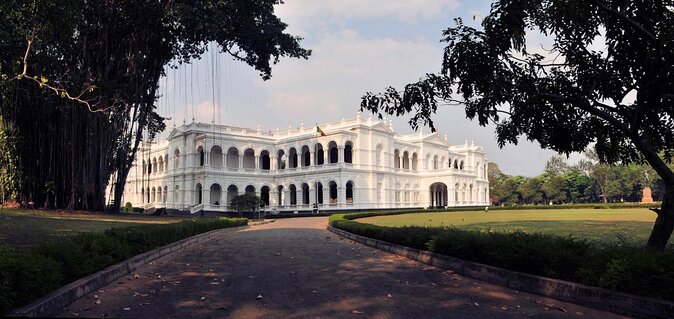
- Colombo National Museum: Your Best Shot at Understanding the Island
- Jami Ul-Alfar Mosque: Color, Detail, and Quick Appreciation
- Old Town Hall, Lotus Tower, Independence Square, and the Lighthouse Trivia You’ll Remember
- Galle Face Green: Finish With Ocean Air and Easy Sightlines
- Price and Timing: When This Tour Feels Like a Win
- Should You Book This Colombo City Tour?
- FAQ
- How long is the Colombo City Tour?
- What does the tour cost and when do people usually book it?
- Where does the tour start and end?
- What’s included in the price?
- Are entrance tickets included?
- What happens if the weather is poor?
Key Highlights You’ll Actually Feel During This Tour
- Dutch Hospital Shopping Precinct: a quick 15-minute stop where colonial-era architecture meets modern shops and food.
- Colombo Fort drive-through: see the heart of power and commerce, including the old legislature area (for 53 years) near the Fort.
- Gangaramaya (Vihara) Buddhist Temple: a longer 45-minute visit with an ornate setting and a lakeside feel.
- Colombo National Museum: 1.5 hours devoted to Sri Lanka’s past, with artifacts and art beyond the quick photo stops.
- Colombo Lighthouse details: a stop with standout trivia—built/completed in 1857 and tied to Dent’s clockwork (also linked to Big Ben).
- Galle Face Green: the oceanfront wind-down, ideal for a final stretch before you head back.
Getting Your Bearings in Colombo’s Fort-and-Sea Belt
This tour is built for one simple goal: getting you oriented in Colombo without burning hours on logistics. You start at Galle Face, then the route swings through the Fort area, religious landmarks, and major colonial-to-modern landmarks before returning to the seaside green.
The timing matters. With about 4 to 6 hours, you get enough time to step into a few places, not just peek from the roadside. The stop lengths are practical too: shorter visits for places like St Anthony’s Shrine and Jami Ul-Alfar Mosque, plus longer blocks for Gangaramaya and the National Museum.
If you’re arriving with a limited first day—or you’re craving a structured overview—this style of route helps. You’ll also feel the geographic logic: Colombo’s “old power” and “everyday city life” cluster around the Fort and Pettah area, while the “sea air and big skyline” is closer to Galle Face and the lighthouse area.
You can also read our reviews of more city tours in Colombo


Dutch Hospital: Colonial Architecture, Modern Life, No Rush
Your first stop is the Dutch Hospital Shopping Precinct, timed at about 15 minutes with admission free. This is the kind of place where you can get what you need quickly: the original colonial bones of the buildings are still there, but the space now functions as a social and shopping area.
What I like about this stop is the contrast. You’re not only looking at old walls—you’re walking through a living, working area where boutiques and eateries operate in the same space. It’s a good “warm-up” before you hit more sacred sites and museums later.
The drawback is also simple: 15 minutes is a snapshot. If you want deep time inside shops, you’ll need to come back later on your own. Treat it as a first-arrival reset and a photo-and-stroll moment.
Colombo Fort and Pettah: Where History Meets Daily Motion
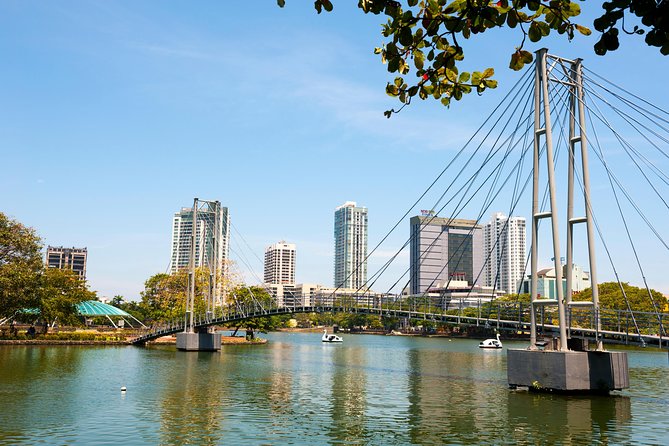
After Dutch Hospital, the tour shifts into the Fort area. You’ll do a Colombo Fort drive-through for about 30 minutes with free admission. This is less of a “walk around” stop and more of a “see how the city works” segment.
You’ll pass iconic buildings and the kind of government and civic footprint that makes the Fort district feel like Colombo’s administrative core. One highlight mentioned in the tour description is the old parliamentary building area: it housed the island’s legislature for 53 years, until the newer parliamentary complex opened.
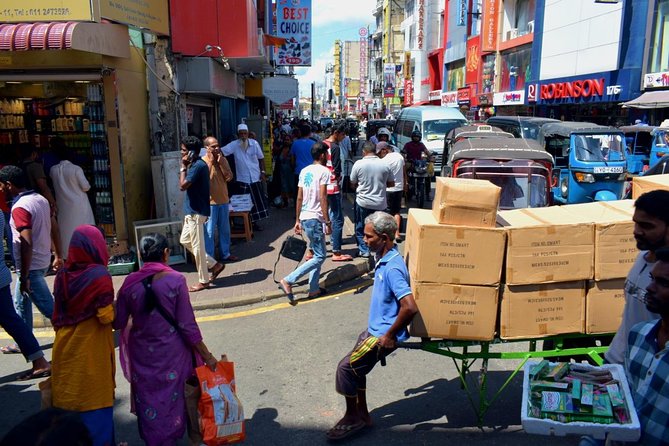
From there, the route includes Pettah—described as Colombo’s commercial heart. Even without a long dedicated time block spelled out here, you’ll feel the shift from formal landmarks to street-level trade. Pettah is the sensory part of the itinerary: spices, textiles, electronics, and the everyday bustle you normally have to search for on your own.
A practical note: this portion works best if you’re comfortable moving through crowded city spaces and you don’t need everything to be slow and quiet. This is an overview tour, not a “photo safari at street pace.”
St Anthony’s Shrine: A Calm Church Stop That Works
St Anthony’s Shrine is a short, focused visit—around 15 minutes—with admission free. This is one of those stops that helps you understand Colombo’s religious mix without turning the day into a marathon.
The description emphasizes its early 19th-century roots and its spiritual atmosphere. Even if you’re not there to study architecture, the value is in the pacing: it’s a break between more “out in the city” sections and the longer temple and museum blocks later.
The main consideration: because the stop is brief, you should go in expecting a look and a moment, not a long guided explanation or a slow wander.
Gangaramaya Vihara: The Lakeside Temple Stop That Takes Time
If there’s a “must-pay-attention” segment here, it’s Gangaramaya (Vihara) Buddhist Temple. You’re scheduled for about 45 minutes, and admission isn’t included.
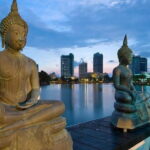
This stop is built differently than the quick exterior or drive-through segments. The description highlights ornate architecture, a serene lakeside setting, and a range of artifacts. That combination tends to do two things for you as a visitor: it gives you visual interest from multiple angles, and it creates a calmer pocket in the middle of the city day.
Why that matters: the tour already moves quickly between districts. Spending a longer block here helps you reset. You can actually look at details instead of rushing to the next checkbox.
The catch, again, is cost. Entrance isn’t included, so plan for extra money here. Also, because this is a temple visit, keep your expectations aligned with a respectful sightseeing rhythm rather than a fast “grab photos and go” plan.


Colombo National Museum: Your Best Shot at Understanding the Island
Next up is Colombo National Museum for about 1 hour 30 minutes, with admission not included. This is one of the strongest “value per minute” elements of the itinerary if you want context.
The tour description says the museum covers Sri Lanka’s past with artifacts, art, and historical treasures. That kind of setup is ideal when you want your city tour to feel like more than just buildings and views. It’s where you start connecting what you saw in the streets with bigger stories.
I like that the museum gets a full stretch of time. Many city tours give museums 20 minutes and call it done. Here, you have enough time to see multiple collections and still feel like you made a dent.
The main drawback: it’s ticketed. So if you’re trying to keep the trip strictly within the advertised price, museum time will likely require an extra payment.
Jami Ul-Alfar Mosque: Color, Detail, and Quick Appreciation
Jami Ul-Alfar Mosque is on the route for about 30 minutes with free admission. The standout detail in the description is the crimson color and intricate design. This is a stop where you’ll probably spend your time looking up and taking in patterns, not just walking past.
Because it’s 30 minutes, it works well as a “breathing space” between the heavier history stop of the museum and the later skyline-and-sea viewpoints. It’s also helpful that admission is free here, so you’re not constantly weighing cost versus time.
As with other religious sites, the pacing matters. You’ll get a clear window to admire and absorb, but it’s still a tour schedule, not a solo exploration.
Old Town Hall, Lotus Tower, Independence Square, and the Lighthouse Trivia You’ll Remember
The middle-to-late portion of the tour turns toward landmarks that help you read Colombo’s timeline.
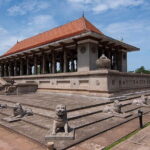
One of the stops is the Old Town Hall, described as a colonial-era edifice. These structures tend to do a good job of showing how the city’s official look and materials changed over time.
Then you head toward Colombo Lotus Tower for about 30 minutes. Admission isn’t included for this stop, and the description points to observation decks and cultural significance. This is likely your best chance for skyline views on the itinerary—if you choose to pay for the observation portion.
After that comes Independence Square, built to commemorate Sri Lanka’s independence from British rule, scheduled for about 30 minutes with free admission. This is the “big-picture” stop where the city’s modern identity comes into view alongside the colonial-era surroundings you saw earlier.
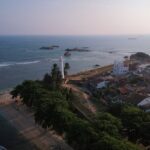
Finally, there’s the Colombo Lighthouse stop for about 15 minutes with free admission. This is one of those places where a short stop still feels meaningful because of the specific detail in the tour description: it was completed in 1857, was decommissioned, and at the time it was the tallest structure. The clock mechanism was constructed by Dent—who later created the mechanism for Big Ben.
Even if you’re not obsessed with clockwork trivia, that’s the kind of fact that makes the lighthouse more than a postcard. It’s also a good photo moment because it ties Colombo to its sea connection.
Galle Face Green: Finish With Ocean Air and Easy Sightlines
The tour wraps with Galle Face Green for about 30 minutes with free admission. This is an oceanfront green space where the sea breeze is part of the experience, and it’s a natural place to pause after a long day of streets, buildings, and museums.
I like ending here because the vibe is different from the Fort district and temples. You get open space and a sense of scale. It’s also a practical landing point since the tour returns you back to the same meeting area.
If you’re sensitive to heat or you want a slower end to your day, this final segment is one of the easiest ways to cool down without adding more transport.
Price and Timing: When This Tour Feels Like a Win
At $65 per person, this tour is priced like a serious overview day: air-conditioned vehicle, English-speaking guide, hotel pickup/drop-off in Colombo city limits, and bottled water are included. You’re also getting a route that strings together major districts—Fort, Pettah, temples, museum, and the seafront—without you coordinating all of it yourself.
The big value question is admissions. The National Museum and Gangaramaya aren’t included, and Lotus Tower isn’t included either. So the base price is only part of the math. If you plan to enter all the ticketed sights, your final spend will climb, but you’ll also leave with more than a photo tour.
Timing is another consideration. The tour starts at 10:00 am, and it runs about 4 to 6 hours. That can be a perfect schedule if you want your afternoon free. It also means you should keep other plans flexible if you’re sensitive to delays.
One thing I’d keep in mind: the quality of your day can hinge on how the guide performs. There’s at least one reported situation where a driver arrived late and provided minimal storytelling—more like transport than guided interpretation. I’ve also seen names associated with excellent city sharing, including Pradeep, which suggests the best versions of this tour can be very engaging. Bottom line: confirm your pickup point, be ready near the start time, and give your guide the chance to do what you booked.
Should You Book This Colombo City Tour?
Book it if you want a structured Colombo introduction in one go, especially if it’s your first day and you’d rather see several major landmarks than pick just one area. The route covers the big “Colombo story” zones: Fort, places of worship, a real museum block, and the seaside end at Galle Face.
Skip it or plan carefully if you’re trying to keep a tight budget for entrances, since Gangaramaya, the National Museum, and Lotus Tower are ticketed. Also, if you need a strictly on-time schedule, build in extra flexibility around the 10:00 am start.
If you want a day that helps you get oriented fast—and you’re happy paying a bit more for the places that require tickets—this is a solid, practical choice.
FAQ
How long is the Colombo City Tour?
The tour runs about 4 to 6 hours.
What does the tour cost and when do people usually book it?
The price is $65.00 per person, and it’s commonly booked about 125 days in advance.
Where does the tour start and end?
It starts at Galle Face, Colombo, Sri Lanka, and ends back at the same meeting point.
What’s included in the price?
Transportation by air-conditioned car or van with an English-speaking guide, pickup and drop-off at selected Colombo hotels, and bottled water.
Are entrance tickets included?
No. Entrance tickets are not included for Gangaramaya (Vihara) Buddhist Temple, Colombo National Museum, and Colombo Lotus Tower (some other stops list admission free).
What happens if the weather is poor?
If the experience is canceled due to poor weather, you’ll be offered a different date or a full refund.