REVIEW · NATIONAL PARKS
Udawalawe National Park: Elephant Safari with Expert Guide
Book on GetYourGuide →Operated by Udawalawe Wild Safari Tours · Bookable on GetYourGuide
Elephants in your face, but with space to breathe. I like how this Udawalawe safari is set up for calm wildlife viewing, and I like having a 10-year safari driver-guide to spot animals fast. One thing to plan for: the park entry fee isn’t included (add $37 per person), and sightings can take a bit of waiting in a big park.
Udawalawe National Park covers 308 square kilometers and exists mainly to protect the watershed feeding the Udawalawe Reservoir. That matters, because the scenery changes as you drive—open grasslands, forest edges, and wet areas—so you’re not stuck with one type of habitat. And yes, elephants are the headline, but you also have real chances at crocodiles, jackals, sambar deer, and endemic birds like the Sri Lankan junglefowl.
In This Review
- Key Points You’ll Care About
- Udawalawe National Park: Why This Elephant Safari Works
- The Private 4×4 and Expert Guide: How the Safari Stays Respectful
- What You’ll Actually Look For: Elephants, Crocodiles, Deer, and Birds
- How the Timing Plays Out: Morning Safaris vs 2pm Energy
- What It Feels Like On the Ground: Waiting, Stops, and Photo Time
- Price and Value: The Real Math Behind the $30 Safari
- Included vs Not Included: What to Expect Before You Go
- What to Bring (So the Park Doesn’t Beat You)
- Who This Udawalawe Elephant Safari Is Best For
- Should You Book This Udawalawe Elephant Safari?
Key Points You’ll Care About
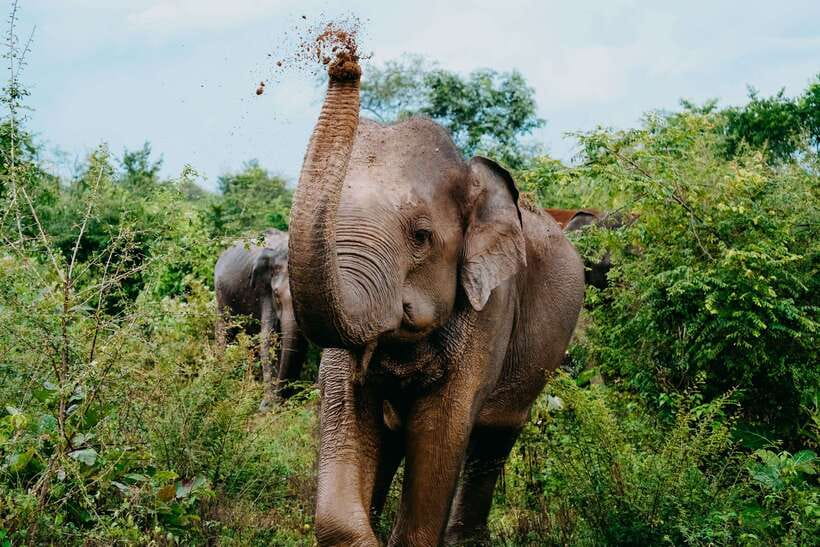
- Elephants first, but not only elephants: you’ll track through grasslands and wetlands for crocs, deer, and predators.
- Private 4×4 gives you control: you’re not sharing a rigid route with a crowd.
- Respectful driving habits: guides aim to keep distance and let animals come and go naturally.
- Guides can make the difference: names you may hear include Gimhana, Deneth, Jayashan, Udith, Lasindu, Gayan, and Jaya.
- Birding is built in: endemic Sri Lankan junglefowl and spurfowl are real targets.
Udawalawe National Park: Why This Elephant Safari Works
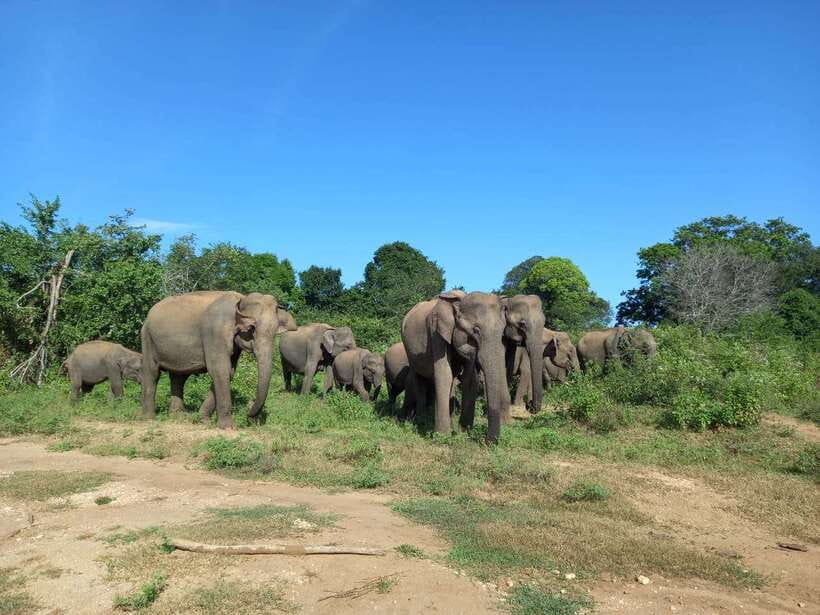
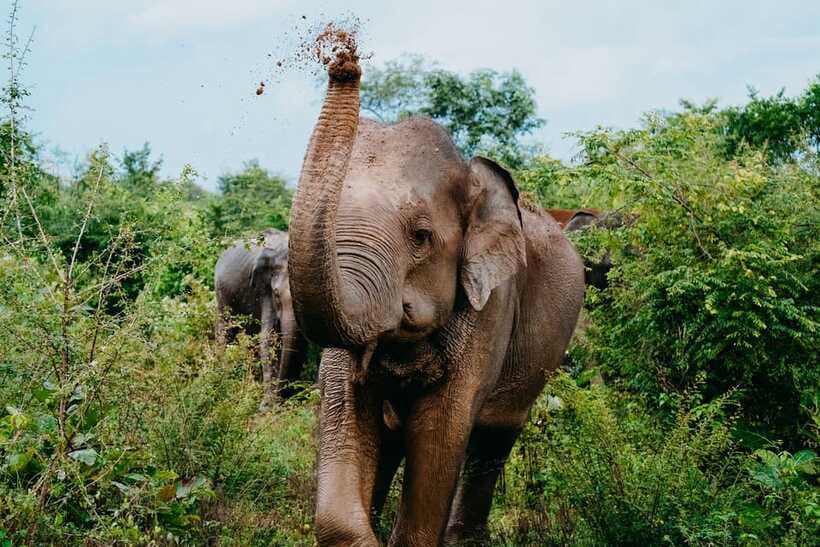
Udawalawe is one of Sri Lanka’s best places to see wild elephants without making it feel like a circus. The park sits along the border of Sabaragamuwa and Uva Provinces, and because it protects the reservoir watershed, it supports a mix of grassland, forest, and wet zones. Translation: when elephants move, they tend to move through varied habitat—and you get multiple chances to see them.
You can also expect the safari to feel practical. Your guide’s job isn’t just pointing at animals. It’s figuring out where the action will likely be next, which is why you’ll drive different routes instead of following the same line as every jeep on the map.
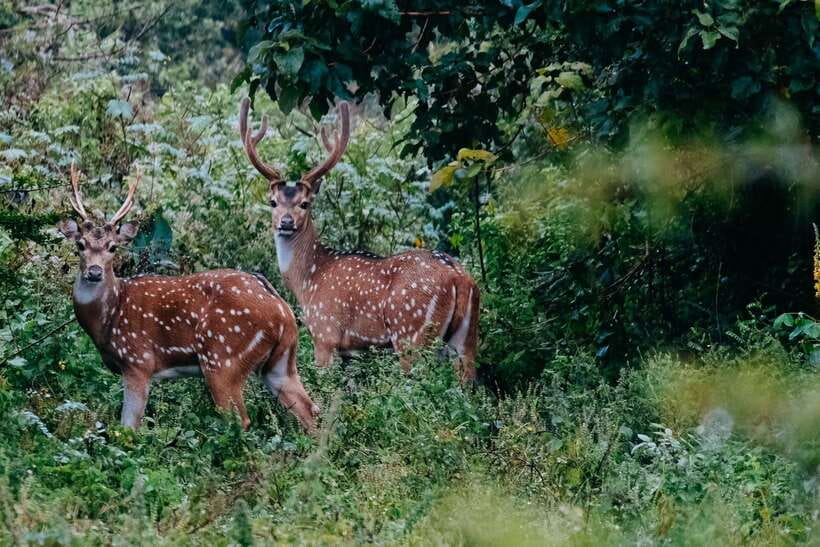
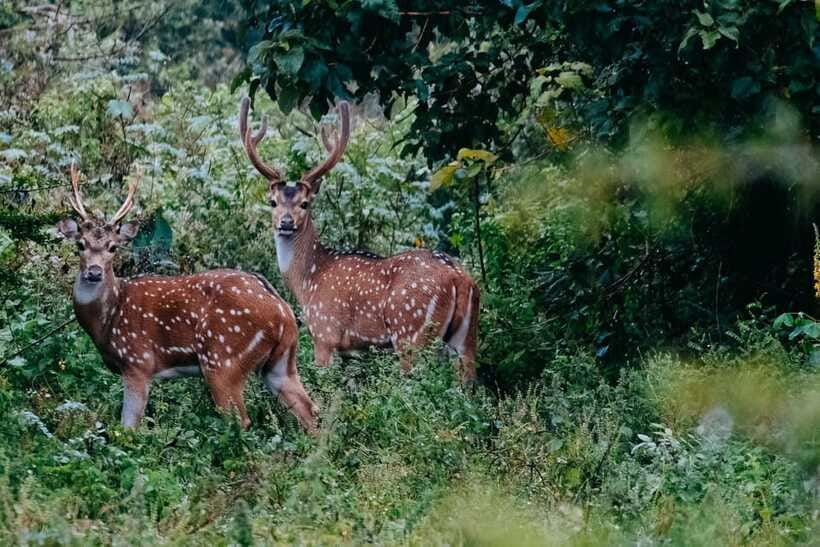
And while elephant herds are the headline (Udawalawe is known for a large population, often described as 500+), the best part is the supporting cast. Crocodiles in and around water, sambar deer in open edges, and reptiles like lizards can add a lot of variety even when elephant sightings slow down.
You can also read our reviews of more guided tours in Colombo
The Private 4×4 and Expert Guide: How the Safari Stays Respectful
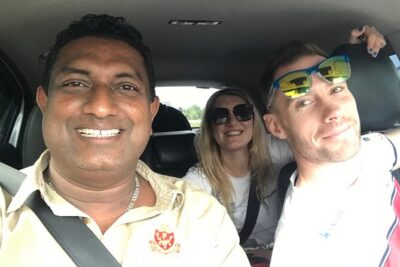
This safari uses a private 4×4 Jeep with a driver-guide who has 10 years of safari experience. That matters because in a place this big, you win or lose time based on spotting skill and route choices.
From what you’ll likely experience, the better guides do a few things consistently:
- They pause without rushing the next stop.
- They aim for good viewing angles for photos, but without crowding animals.
- They drive with safety and distance in mind, including turning off the engine when close to wildlife (a detail that keeps the whole moment calmer for everyone).
You’ll also notice how many times people mention that the guide gave enough time at sightings for photos. In a park this large, you can wait 10–15 minutes between highlights. That’s normal. The point is that you’re not dragged away the second an animal appears—you get a real chance to see behavior, not just a blurry flash.
Guides you might meet include Gimhana (often praised for spotting and comfort), Deneth (praised for calm, non-rushed encounters), and drivers like Jayashan, Jaya, Udith, Lasindu, and Gayan (praised for careful driving and animal-first behavior). Even when English level differs from guide to guide, the consistent theme is safe, respectful driving and active searching.
What You’ll Actually Look For: Elephants, Crocodiles, Deer, and Birds
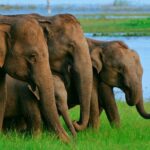
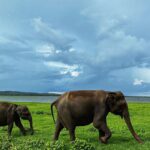
Elephants are the star, and Udawalawe is famous for herds crossing open grasslands. You’ll want to watch for the moment they shift direction—when you see subtle movement first, the whole herd often becomes easier to track. Some sightings can include calves, which is where the mood changes from wow to almost unbelievable.
But don’t set your expectations to only one species. A good Udawalawe safari is about reading the park:
- Open grasslands can bring you grazing herds and the best views.
- Edges near water are where crocodiles and birds tend to show up.
- Forest margins can hide smaller mammals and lead to surprise tracks.
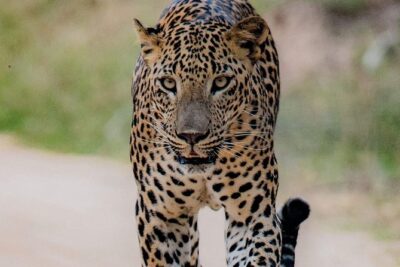
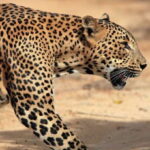
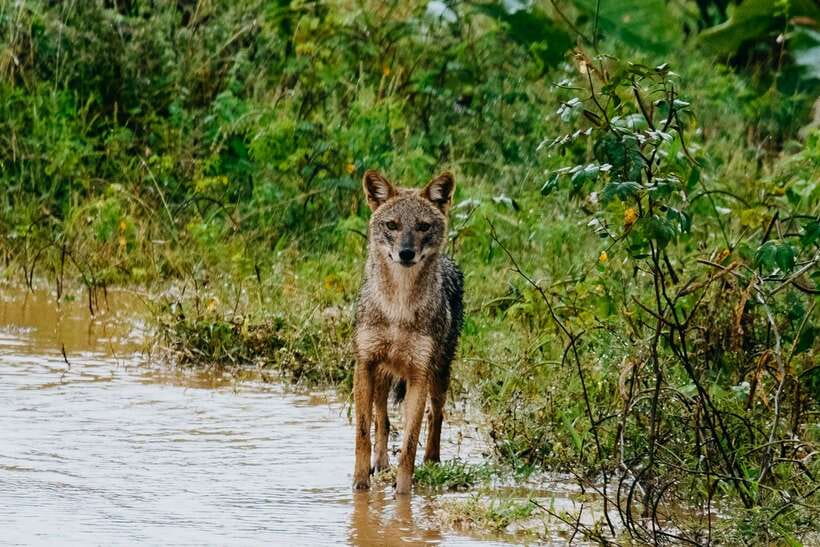
You may also see jackals (including people’s luck with golden jackals, which are nocturnal), mongoose, monitor lizards, and water buffalo. And if you’re hoping for predators, you can keep an eye out for leopards—people describe spotting them, but it’s never guaranteed. That’s true of all safari parks, so treat leopard sightings as a bonus if they happen.
Birds are not an afterthought here. You can aim for endemic species like the Sri Lankan junglefowl and spurfowl. When the guide is good at scanning, bird stops can turn a routine safari into a longer-feeling day, because you’re not just waiting for the next big animal—you’re learning to see details.
How the Timing Plays Out: Morning Safaris vs 2pm Energy
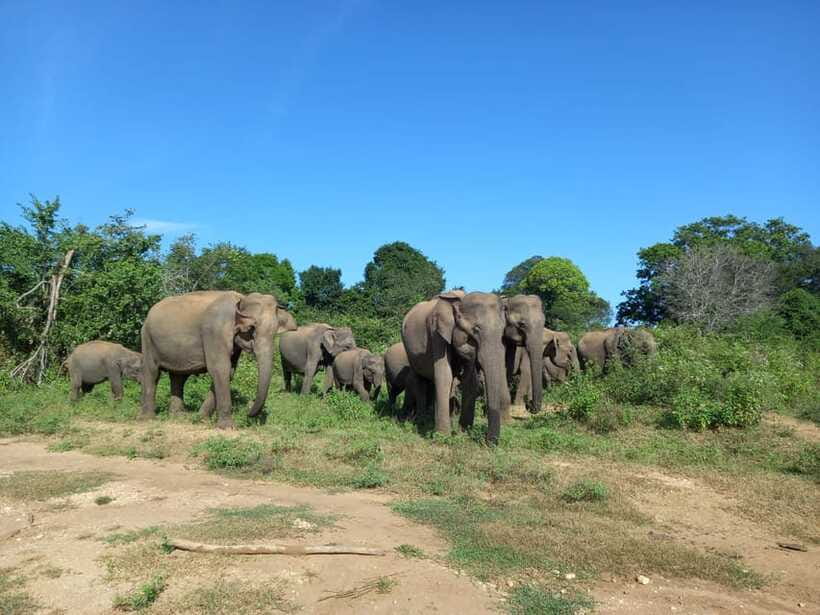
Udawalawe safaris run anywhere from about 4 to 10 hours, with different start times. Timing changes the feel more than you might expect.
Early morning is popular for a reason: people describe arriving before the park opens, which can mean fewer jeeps in the early search. The tradeoff is comfort. Mornings can be cold, and the park can be dusty once the day heats up. One practical lesson: if you’re sensitive to dust, cover up. I’d pack a scarf or light face covering, and dress in layers so you’re not miserable by sunrise.
Afternoon options (like a 2pm safari) can still be excellent for wildlife. People describe it as a lifetime experience with lots of different animals. Light can be different, animals can move differently, and your route choices may vary—but the best guides keep hunting for prime spots the whole time.
Rain can happen. If it does, the more organized guides keep adjusting and try to protect your viewing time rather than canceling your chances. You’ll feel it in how they drive and how they choose where to stop.
What It Feels Like On the Ground: Waiting, Stops, and Photo Time
A safari isn’t a theme park ride. It’s a search. That’s why the pacing matters.
When the guide spots movement, you’ll typically stop and get time to observe. People mention being given enough time for pictures and being willing to stop wherever requested for photos. The best part is that the guide doesn’t just do the stop and then immediately move on. You can usually watch behavior unfold for a few moments, then reposition.
A detail that keeps showing up in the experience: the driver turns careful attention to where animals want to be. Instead of forcing a confrontation, the respectful approach lets animals decide whether to approach or stay put. If you’re hoping for those close, cinematic moments, that approach is usually what creates them.
Some guides also bring extra tools for birding and scanning, like binoculars. Even when binoculars aren’t part of every setup, asking about them can be worth it. If they’re available, you’ll use them.
You can also read our reviews of more tours and experiences in Colombo
Price and Value: The Real Math Behind the $30 Safari
The base price is listed at $30 per person, and the park entry fee is extra at $37 per person. So before you even add anything optional, you’re looking at about $67 per person all-in for the core safari (assuming you choose a standard option and don’t add upgrades).
Here’s why that can still feel like good value:
- You’re paying for a private 4×4 Jeep plus hotel pickup and drop-off in the Udawalawe area.
- You’re paying for a driver-guide with 10 years of safari experience.
- You’re not just getting transportation—you’re getting real time searching and scanning across a large reserve.
Lunch and water are included only with the 10-hour option. If you’re choosing the shorter safari, plan to bring your own snacks or water if you tend to get hungry. (The activity notes water is included for the 10-hour option, so it’s not a universal guarantee.)
Some people also mentioned paying extra for an additional guide and feeling it improved the experience. If you’re the type who wants more interpretation and more hands-on help, that kind of upgrade can make sense. If you just want the driving and spotting to be done well, the standard private setup can be enough.
Included vs Not Included: What to Expect Before You Go
Included in the experience:
- Hotel pickup and drop-off in the Udawalawe area
- Private safari tour
- Driver-guide with 10 years of experience
- Private 4×4 Jeep transportation
- Lunch and water with the 10-hour option
Not included:
- Udawalawe National Park entry fee ($37 per person)
Also note the rules that keep the safari safe and respectful: drones are not allowed, and alcohol and drugs are not allowed.
As for what you’ll feel day-of: the best safaris run smoothly because logistics are handled. People describe smooth communication, early pickup timing for morning departures, and a relaxed pace that doesn’t feel rushed.
What to Bring (So the Park Doesn’t Beat You)
The activity doesn’t list a specific packing list, so I’ll stick to what the safari environment usually demands in Udawalawe.
Bring:
- Layers (mornings can be cold)
- Something to protect you from dust (a scarf or light face covering)
- Solid shoes for uneven ground at stops
- Your camera and an extra memory card
If you wear light colors, you’ll be happier with dust stains. Also, if you’re sensitive to cold mornings, don’t assume you’ll warm up instantly once the jeep is moving.
If you’re traveling with a small baby, know that dust can be an issue. One person mentioned it wasn’t the best idea with an 8-month baby because of how dusty it gets. You can still do it, but I’d be extra strict about coverings and comfort.
Who This Udawalawe Elephant Safari Is Best For
This safari is a strong fit if you want:
- Private control over pace and viewing time
- A guide who actively spots animals instead of treating the safari like a slow drive
- A mix of elephants plus other wildlife and endemic birds
It’s especially appealing for bird lovers, since you can get real chances at Sri Lankan junglefowl and spurfowl. It also works well for families who are excited by crocodiles, deer, and the small stuff too, not only elephants.
Who should skip it:
- Pregnant women
- People with mobility impairments
That’s not a judgment call; it’s about how safari vehicles and park conditions can affect comfort and movement.
Should You Book This Udawalawe Elephant Safari?
Book it if your top goal is a high-chance, elephant-focused safari with respectful handling and a guide who can put you in the right spots fast. It’s also a smart choice if you care about birds and want a guide who actually points them out, not just when a bird happens to land nearby.
Skip or rethink it if the extra costs (especially the park entry fee) throw off your budget, or if you’re not comfortable with cold mornings and dusty conditions. And if you fall into the not-suitable categories listed by the activity, look for alternatives that match your needs.
If you’re deciding between early and afternoon, I’d pick early when you can handle the cold and want the calmer start. If you prefer a slower day and different animal rhythms, afternoon can still deliver strong results—just don’t expect every moment to be a blockbuster sighting. In Udawalawe, patience is part of the experience, and the best guides help you enjoy that wait.