REVIEW · CITY TOURS
Colombo City Tuk Tuk Safari
Book on Viator →Operated by Watch Colombo · Bookable on Viator
Four hours in a tuk tuk changes Colombo fast. This Colombo City Tuk Tuk Safari strings together oceanside space, temples, parks, markets, and skyline sights in a route that’s easy to follow without getting stuck in traffic.
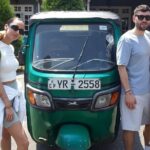
I especially like the tuk tuk angle: it’s perfect for slipping along tight streets and keeping things moving through the city.
One thing to weigh: a few big stops ask you to pay your own entrance fees, so you may need extra cash or a paid ticket plan.
I also like that the tour doesn’t just point at landmarks. You get time in everyday Colombo, including Pettah market shopping energy and local food moments that fit the heat of the day, including a refreshing king coconut treat.
That mix of city sights plus practical local stops is a solid way to get your bearings fast.
Finally, the pace is built for coverage, not lingering. If you want deep time inside museums or towers, you’ll likely want to budget extra hours later, since some entries aren’t included and the stop times are relatively short.
In This Review
- Key highlights you can plan around
- Why a tuk tuk safari makes sense in Colombo
- Your route in real order: oceanside, temples, markets, and viewpoints
- Galle Face Green: the best “reset button” to start the day
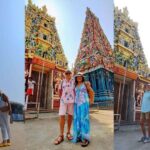
- Gangaramaya (Vihara) Temple: iconic architecture with real cultural weight
- World Trade Center and the Old Parliament area: skyline meets civic power
- Pettah market: where Colombo feels like Colombo
- City landmarks you’ll recognize even if you can’t name them
- Viharamahadevi Park: the quiet breath before independence mode
- Independence Square: a classic monument stop with photo-friendly views
- Colombo National Museum and Lotus Tower: ticketed stops where you choose your time
- Colombo Fort Railway Station: the end that feels like a gateway
- Price and value: what $25 really buys you
- What it’s like in practice: pacing, comfort, and group size
- Who this tour fits best (and who might want something else)
- Should you book the Colombo City Tuk Tuk Safari?
- FAQ
- FAQ
- What’s the duration of the Colombo City Tuk Tuk Safari?
- How much does the tour cost?
- Is pickup included?
- What ticket format do I receive?
- Is this a private tour?
- Are any attractions included with admission fees?
- What are the tour hours and days?
Key highlights you can plan around
- Tuk tuk comfort for city driving in busy Colombo traffic and narrow lanes
- Oceanside strolling at Galle Face Green with a classic seaside-city view
- Gangaramaya Buddhist Temple as a major cultural stop (entrance not included)
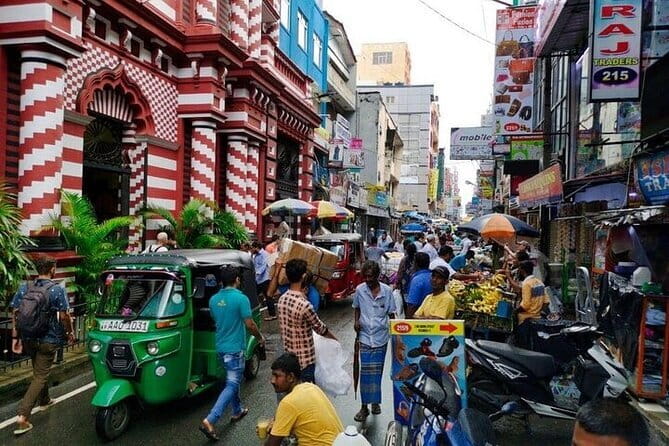
- Pettah market time to browse fruits, textiles, electronics, and everyday chaos
- City landmarks on a single run like the World Trade Center and Old Parliament area
- Photo stops with ticket options later including the Colombo National Museum and Lotus Tower
Why a tuk tuk safari makes sense in Colombo
Colombo is not the kind of city where a “point A to point B” taxi plan always feels smooth. Streets tighten up, traffic builds, and it can be hard to keep your day from turning into sitting. A tuk tuk tour solves that with a simple formula: small vehicle, flexible route, and enough movement to stack multiple stops in a half day.
This is a private experience, so you’re not stuck in a crowded group schedule. You also get pickup offered and a mobile ticket, which matters in a city where finding meeting points can take longer than you’d expect. And since the tour is about four hours (approx.), it fits neatly into the “first visit” window when you’re trying to learn the city layout without overcommitting.
Most travelers can participate, and service animals are allowed. That combination makes it feel like a practical way to explore, not a “only for able-bodied adventurers” kind of outing.
You can also read our reviews of more city tours in Colombo

Your route in real order: oceanside, temples, markets, and viewpoints
This tour reads like a guided sampler of Colombo’s main personality traits. You start with open air, shift into spiritual and architectural landmarks, hit the city’s most active shopping area, then finish with big civic monuments and skyline-famous structures.
The best part is that you’re not only seeing tourist icons. You’re also moving through areas that look and feel like daily city life. That’s how you avoid the classic problem of visiting a city and only remembering hotel lobbies and photo stops.
Below is what to expect at each major stop, plus what to plan so the time feels worth it.
Galle Face Green: the best “reset button” to start the day
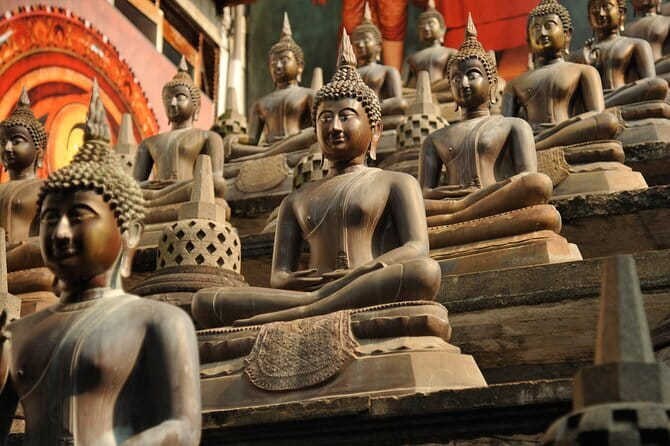
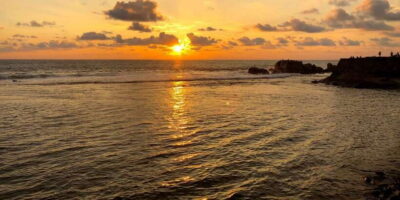
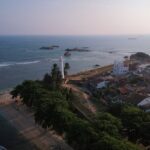
You begin at Galle Face Green, Colombo’s long urban park along the Indian Ocean. This is where locals come to relax, walk, and watch the horizon, and it’s also the kind of place that helps your brain switch from travel mode to city mode.
With around 20 minutes, this stop works best for quick strolling and photos rather than deep wandering. Plan to move early if you’re chasing cooler temperatures or softer light. Even if you don’t time it for sunset, the ocean breeze and open space give you an instant feel for Colombo’s seaside side.
Tip for value: use this stop to orient yourself mentally. Once you’ve seen the ocean-facing promenade vibe, the rest of the day’s mix of monuments and neighborhoods makes more sense.
Gangaramaya (Vihara) Temple: iconic architecture with real cultural weight
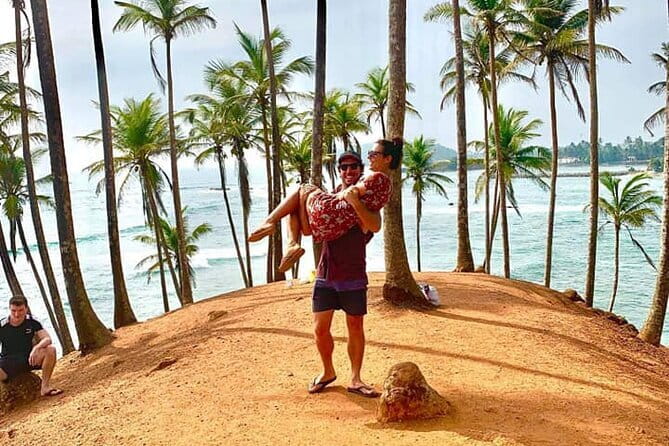
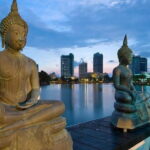
Next up is Gangaramaya (Vihara) Buddhist Temple, one of Colombo’s best-known spiritual landmarks. The description highlights its blend of modern and traditional architecture, and that contrast is exactly what makes it more interesting than a “just another temple” visit.
You’ll have about 20 minutes here. Since admission is not included, this is one of the places where your “$25 tour” can quietly turn into a slightly higher total. If you’re budgeting tightly, treat this like an add-on you should expect, not a surprise.
Practical expectation: this is a worship and cultural hub, not just a museum. So keep your pace respectful and focus on what you can see quickly—main structures, architectural details, and the temple’s overall presence.
World Trade Center and the Old Parliament area: skyline meets civic power

After the temple, you’ll pass some heavy hitters in the business and civic core. The route includes the World Trade Center (WTC) Colombo, a landmark twin-tower complex in the city’s business district. Rising 152 meters, it’s the kind of stop where you get an obvious “this is Colombo’s big skyline” moment.
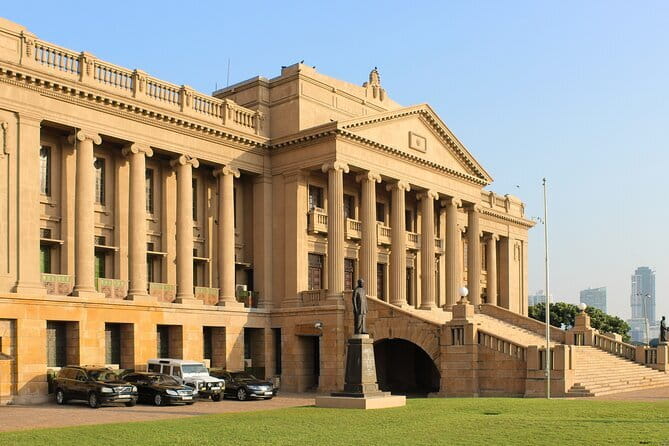
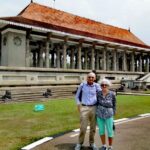
You also visit the Old Parliament Building, now used by the Presidential Secretariat. Built in 1930 and located along Galle Face Green, it’s a neoclassical structure that makes Colombo feel older than its modern skyline would suggest.
These are typically “look and photograph” stops rather than long museum-style visits. With that in mind, go into them with a simple goal: get clear photos from the right angles and mentally note the areas for a possible later return.
You can also read our reviews of more tours and experiences in Colombo

Pettah market: where Colombo feels like Colombo
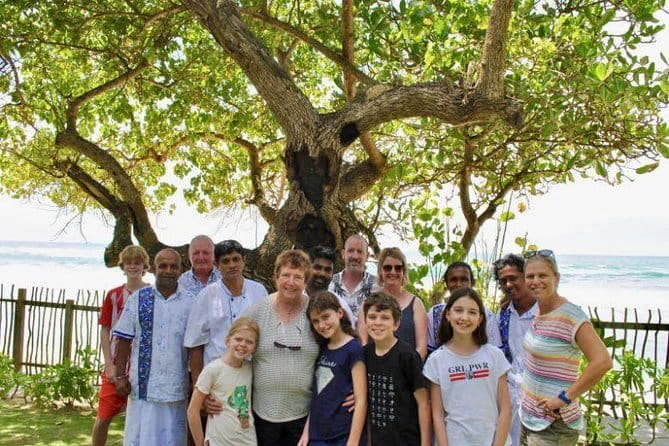
Then comes Pettah, the city’s energetic market area. This is one of those places where you either love the chaos or you need to manage it with a plan. The description points to colorful streets selling fresh fruits, textiles, electronics, and more, and that mix is exactly why Pettah is such a useful stop for first-time visitors.
You’ll get about 30 minutes. That’s short enough that you’ll feel the motion, but long enough to actually browse and pick up small items. It’s also a good place to try snacks or cool down without turning the entire day into a shopping marathon.
A practical note based on the tour experience people talk about: the heat can be intense. One of the small touches mentioned is a free king coconut refreshment, which fits perfectly here. If you’re the type who gets “hangry” quickly, treat Pettah as a chance to reset your energy, not just wander.
City landmarks you’ll recognize even if you can’t name them
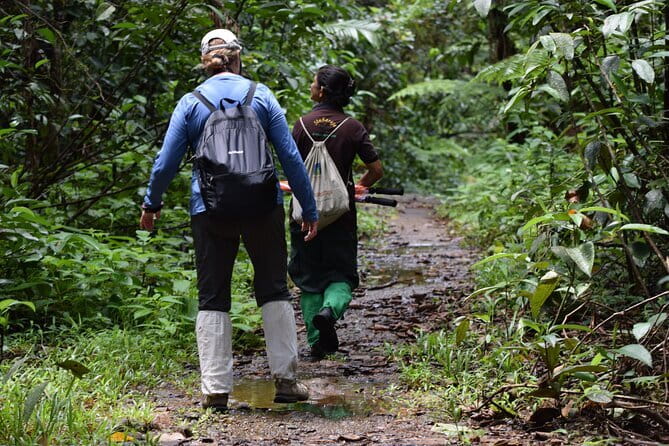
Between the major stops, you’ll also pass or visit a few landmarks that help you connect Colombo’s geography.
The route includes time around:
- the City of Dreams Hotel, described as the largest hotel in South Asia, located by a serene lake (handy for photos and a visual break)
- the Colombo Municipal Council building, known for its white house-inspired architecture with grand pillars and a domed roof
- an Art Street area near the Nelum Pokuna Theatre, where you can see local creative work like paintings and handmade crafts
These stops may not take long, but they add variety. A tour that only hits temples and markets can feel repetitive. These extra landmarks prevent that by giving you architecture, art, and “where am I in the city” context.
Viharamahadevi Park: the quiet breath before independence mode
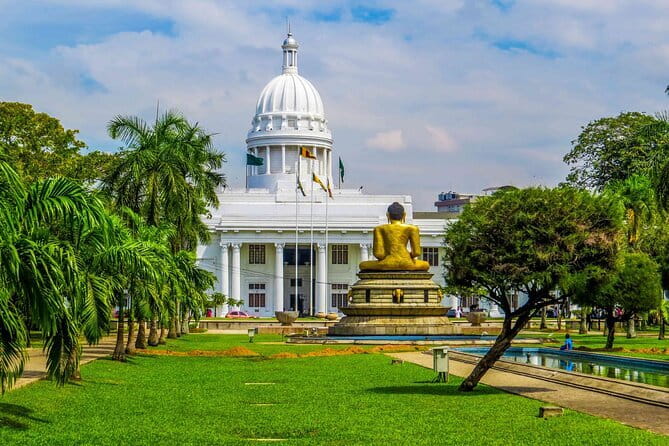
After the busier areas, you hit Viharamahadevi Park, listed as Colombo’s oldest and largest park. You’ll have about 15 minutes, which is short, but enough to walk, spot flower gardens, and catch shade under the trees.
This is a great “cool down” stop after market time. When you’re touring in the middle of the day, parks do more than look nice. They help you stay comfortable, keep your energy, and avoid the classic end-of-tour slump.
If you tend to rush through green spaces at home, try slowing down here anyway. It makes the monuments later feel less like a checklist.
Independence Square: a classic monument stop with photo-friendly views
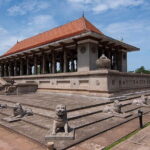
Next is Independence Square, commemorating Sri Lanka’s independence from British rule in 1948. The architecture is inspired by Kandyan style, and the setting includes lush gardens around the monument.
With around 20 minutes, it’s another stop built for quick absorption. Use it for photos, and take a moment to look at the overall composition of building and gardens. Even if you’re not studying the details, this is the kind of place that makes your day feel “anchored,” like you visited more than just neighborhoods.
Colombo National Museum and Lotus Tower: ticketed stops where you choose your time
The tour includes two of Colombo’s most “big ticket in feel” attractions, but both require your own payment since admission is not included:
- Colombo National Museum (about 40 minutes)
- Colombo Lotus Tower (about 15 minutes)
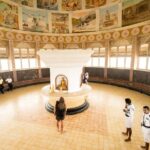
For the museum, you’re looking at Sri Lanka’s largest and oldest museum and a collection that covers history and culture. Forty minutes is enough for a focused walk through a few highlights, but not enough for a full, slow “read every label” experience. If you’re museum-minded, you may end up wanting a second visit on a different day.
For the Lotus Tower, it’s described as Sri Lanka’s tallest structure at 350 meters shaped like a lotus. You’ll have a short visit window, which usually means you’ll spend time outside and then decide how much time you want at observation decks (depending on what ticket options you choose on site).
If you’re budget planning, treat both as “likely add-on costs.” They’re worth considering, but don’t assume they’re included just because they’re on the route.
Colombo Fort Railway Station: the end that feels like a gateway
Your final stop is Colombo Fort Railway Station, a bustling hub and the heart of Sri Lanka’s railway network. It’s built in 1908 and has colonial-era architectural character, plus it’s presented as a gateway to scenic rail journeys.
This one is listed as admission ticket included, and you’ll spend about 15 minutes. That time is usually best for atmosphere—seeing how active the station feels, snapping photos of the older structure, and noticing the rhythm of people moving through a transport hub.
It’s a strong “wrap-up” location. After hours of monuments, parks, and markets, a functional place like a railway station helps your trip feel real and current, not just staged for sightseeing.
Price and value: what $25 really buys you
At $25 per person for about 4 hours, the biggest value isn’t just the ride. It’s the structure. You get a guided route that covers major Colombo reference points: seaside green space, a major temple, the busy market zone, civic landmarks, and two tall-structure/museum icons, plus a historical station finish.
Because some entrances aren’t included—specifically Gangaramaya Temple, Colombo National Museum, and Colombo Lotus Tower—your total cost depends on what you choose to enter. If you’re the type who stops at exterior views and pays for only one paid interior, your overall budget might stay close to the tour price. If you want both museum and tower plus temple, expect to add that on.
Still, even with optional entrance fees, the tour is often good value because you’re paying to solve the hardest part of city travel: connecting distances and making time for a lot of different areas without thinking too hard about logistics.
What it’s like in practice: pacing, comfort, and group size
This is a private tour, so your time feels adjustable to your group’s style. You aren’t competing for attention with other groups, and you can usually move at a pace that matches your energy level.
The stop windows are short-to-medium. That’s the trade. You’ll see many places, but you won’t linger for long. If you love “slow travel,” you’ll want to treat this as your orientation day, then pick 1–2 areas to revisit later for longer time.
Comfort-wise, the tuk tuk format can be more fun than a car ride because it feels like you’re part of street life. It also helps when you want views on the move, especially around big landmarks like the WTC towers and the Independence Square area.
Who this tour fits best (and who might want something else)
Best fit:
- First-time visitors who want a fast Colombo overview
- People who like a mix of culture + practical city walking
- Travelers who prefer a guided route rather than piecing together multiple taxi rides
- Anyone who wants market time without losing their way
Might not be perfect if:
- You want long, deep visits inside major attractions
- You dislike tours that include stops where you may pay extra for entry
Think of it as a smart “intro and sampler” tour. You leave with names, locations, and a sense of the city’s different moods—ocean air, spiritual spaces, market energy, and modern skyline.
Should you book the Colombo City Tuk Tuk Safari?
If you’re trying to make your first day in Colombo feel easy, this is a strong bet. The price is reasonable for a private half-day route, and the combination of parks, temple time, market browsing, and landmark viewpoints gives you variety without requiring you to plan every turn.
Book it if you want:
- a fun, city-friendly way to cover lots of ground
- a guided structure that reduces taxi stress
- a route that includes both “famous Colombo” and “everyday Colombo”
Skip it or pair it with a follow-up day if:
- you’re set on museum-or-tower deep time
- you don’t want any extra entrance costs to show up during the day
FAQ
FAQ
What’s the duration of the Colombo City Tuk Tuk Safari?
It runs for about 4 hours.
How much does the tour cost?
The price is $25.00 per person.
Is pickup included?
Pickup is offered.
What ticket format do I receive?
You get a mobile ticket.
Is this a private tour?
Yes. Only your group will participate.
Are any attractions included with admission fees?
Some stops include admission ticket coverage, such as Colombo Fort Railway Station. Other major stops like Gangaramaya (Vihara) Temple, Colombo National Museum, and Colombo Lotus Tower list admission as not included.
What are the tour hours and days?
The tour operates Monday through Sunday, from 9:00 AM to 5:00 PM, within the date range shown for the experience.