REVIEW · NEGOMBO
Day Tour to Anawilundawa Wetland Sanctuary
Book on Viator →Operated by Taprobane Tours and Travels · Bookable on Viator
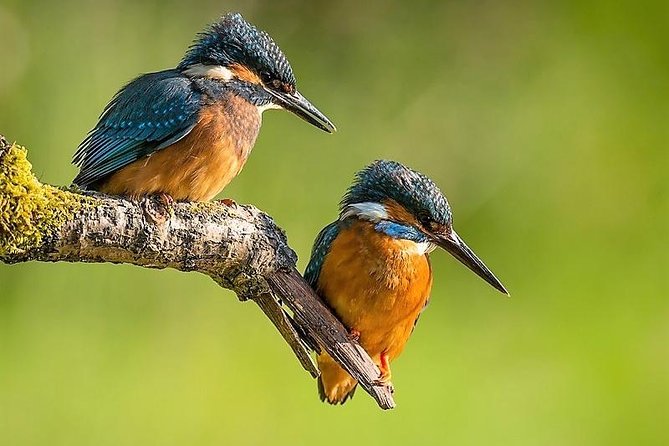
Birds don’t pose for photos, they just do their thing.
A private day trip to Anawilundawa Wetland Sanctuary turns that into a relaxed, comfortable plan: hotel pickup by A/C car, a full morning/afternoon in the wetlands, and a guide who helps you spot species in their natural habitat. I especially like that you’re going after real bird time, not a rushed checklist, and you’ll also get two bonus stops at colorful local Hindu temples.
Two things I really like are the bird-focused route (you’re targeting resident and migratory species, not just pretty scenery) and the small-group feel. The tour is set up for a maximum of 2 travelers, so it feels personal rather than like you’re sharing binoculars with a busload. There’s also a strong practical touch: admission is free for the sanctuary, so your day already covers a key entry cost.
One possible drawback: this is outdoors-focused, and it requires good weather. If conditions are poor, the schedule can shift or the trip may be refunded, so plan to stay flexible.
In This Review
- Key things I’d circle before you book
- Negombo to Anawilundawa: the comfort factor matters
- Why Anawilundawa is worth a full day
- The birds you’re actually hunting for (and why that list helps)
- A smart guide makes a difference
- The temple stops: small cultural detours that break up the day
- Snacking, water, and a realistic pacing plan
- Price and value: what $70 per group really buys
- When you should book (and when you should wait)
- Should you book the Day Tour to Anawilundawa Wetland Sanctuary?
- FAQ
- How long is the Day Tour to Anawilundawa Wetland Sanctuary?
- Where does the tour start in Negombo?
- Is this a private tour?
- What does the tour include?
- Are WiFi or a restroom available during the tour?
- Do I need to bring a ticket?
- When is the best time to see migratory birds?
- What birds might I see?
- What happens if the weather is bad?
- What’s the cancellation timing?
Key things I’d circle before you book
- Private, up to 2 travelers: easier pace and more time for bird-spotting questions
- Hotel pickup and drop-off in an A/C car: smoother start and fewer logistics headaches
- Anawilundawa’s 150+ bird species: you’re visiting a real birdwatcher’s area, year-round
- Free sanctuary admission: you’re not paying separately at the gate
- Temple visits as a cultural break: two Hindu temple stops during the day
- A guide using bird-recognition tools: helpful for naming birds fast
Negombo to Anawilundawa: the comfort factor matters
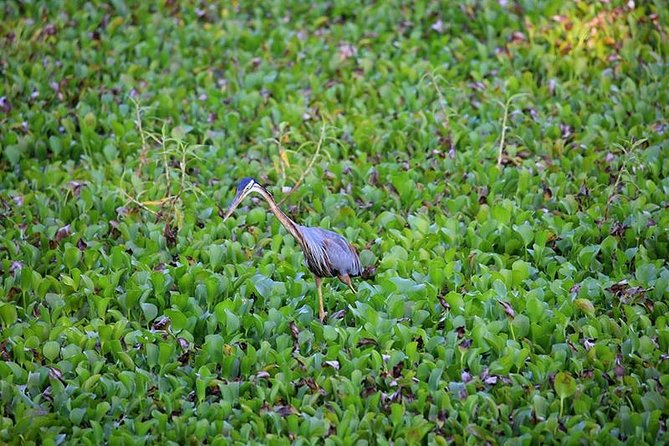
This is the kind of tour that quietly fixes the biggest problem with birding in Sri Lanka: getting there and back without stress. From Negombo, you get hotel pickup and drop-off, and the transfer is in an air-conditioned vehicle. For a 6–7 hour day, that comfort makes a real difference—especially if the day starts hot and you want your energy left for walking and scanning.
The tour is priced per group (up to 2). That matters, because you’re not buying a big-group experience. It’s more like you’re hiring a driver plus a guide for the day, then letting them do the timing and routing. If you’re birding with a partner or a friend, it can feel like good value rather than paying “per person” for the privilege of not being stuck in a crowd.
One more small but practical detail: it’s listed with a mobile ticket and confirmation at booking. That’s useful because you don’t want your best wildlife moment interrupted by last-minute paperwork.
You can also read our reviews of more tours and experiences in Negombo.


Why Anawilundawa is worth a full day
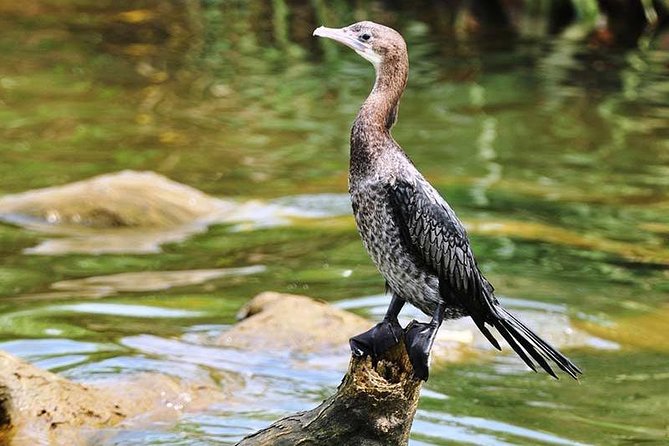
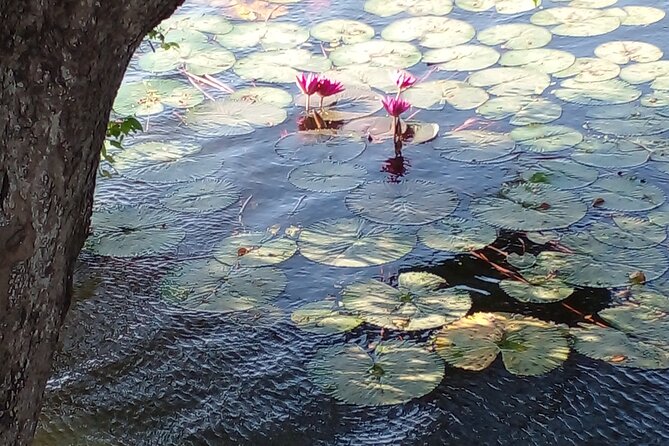
Anawilundawa Wetland Sanctuary is set up as a protected bird haven, and the key detail is that it supports both resident and migratory birds. That means you’re not gambling on only one season or only one “window.” Resident species can be seen throughout the year, while October to April is the best stretch for migratory birds and rarer sightings.
That seasonal timing is more than trivia—it affects what you can realistically expect. If you’re traveling during those months, you’re more likely to see the kind of bird variety that makes wetland birdwatching feel addictive. Even outside that window, you still have a good shot at the everyday stars of the sanctuary.
Also, wetlands are working landscapes. Birds shift positions as the light changes, and activity patterns change with time of day. A tour that gives you around 5 hours at the sanctuary helps you catch those rhythms instead of doing a quick drive-by and leaving before the interesting stuff starts.
The birds you’re actually hunting for (and why that list helps)
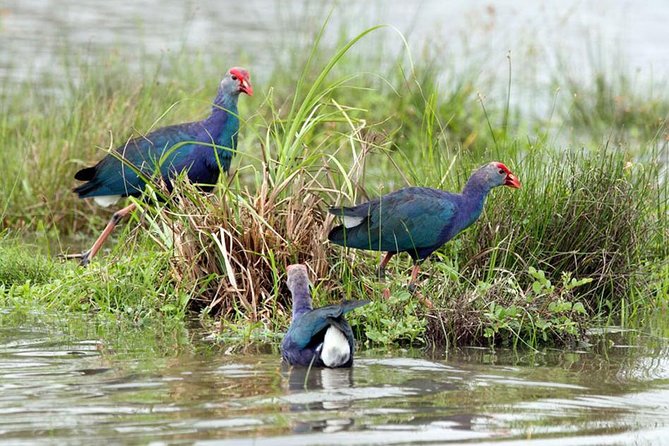
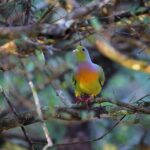
This tour is designed around bird spotting in native habitat, and it calls out several species you can realistically aim for. You’ll be looking for birds like cormorants, egrets, storks, and ibis, plus more specific wetland favorites such as the pheasant-tailed jacana and the purple swamp hen.
Here’s why those names are useful: it stops you from treating this like generic nature viewing. When you know which birds you’re hoping to see, you can scan with purpose. You’re also more likely to get excited about the right moments—like when a bird lands where the guide expects one, or when movement in the reeds matches a known pattern.
The tour’s bird focus also means you’ll spend your time watching, not just walking. That’s good for moderate fitness travelers because you can adjust your pace. You’ll still be outdoors and doing some movement, but it’s not presented as a strenuous hike.
A smart guide makes a difference
One review highlights that the guide is passionate and uses tools on a phone to recognize birds. That’s exactly what you want on a bird day: fast, accurate naming that doesn’t kill the mood. When you can identify what you’re seeing quickly, the wetlands turn from background activity into a living species list—without you needing to be an expert.
If you’re the type who likes to learn while you look, you’ll probably appreciate that style. Even if you’re not, the guide’s focus helps you notice behaviors that most people miss—like where a bird feeds, how it moves, and how it reacts when other birds are nearby.
The temple stops: small cultural detours that break up the day
Not every bird tour includes cultural stops, but this one adds bonus visits to two Hindu temples. They’re described as colorful local temples, so think of them as a deliberate change of pace: a quieter, more human side of the day after hours of wetlands.
In practice, these temple visits are useful because they give you:
- a mental break from constant scanning,
- a chance to stretch and reset,
- and a way to connect the visit to Sri Lanka’s living culture, not just its wildlife.
You won’t need to know temple etiquette perfectly to benefit. Just keep your expectations realistic: the day is still anchored by birdwatching. The temples are a bonus, not the main event.


Snacking, water, and a realistic pacing plan
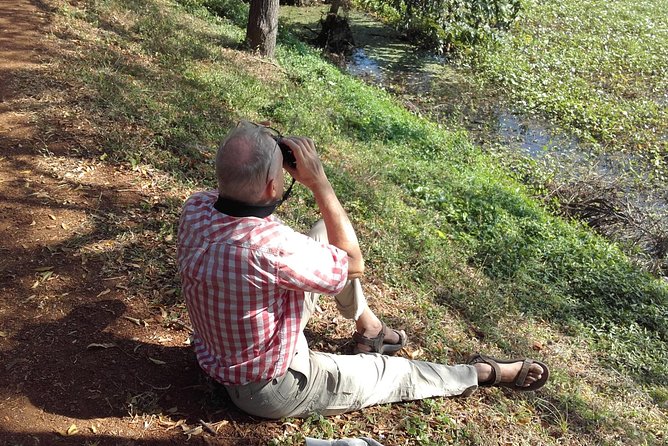
A long day outdoors can go one of two ways: either it feels smooth, or it feels like you’re constantly managing discomfort. This tour tries to keep you comfortable enough to focus on spotting birds.
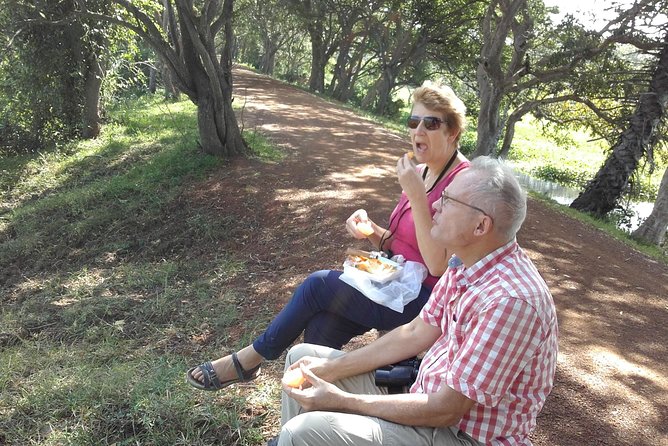
It includes bottled water, and the overview says snacks are part of the experience. That’s a big deal in Sri Lanka’s heat, because you don’t want to be rationalizing why you’re too tired to look closely at that reed line.
Two practical points to know:
- WiFi on board isn’t included, so don’t count on checking maps or uploading photos during the transfer.
- A restroom on board isn’t included, so use facilities before you head out and plan around breaks.
Fitness wise, the tour asks for moderate physical fitness. For most people, that translates to being comfortable spending hours outside, with some walking and standing. It’s not pitched as a grueling activity, but it isn’t “sit the whole time” either.
Price and value: what $70 per group really buys
At $70 per group (up to 2), the pricing structure is simple. You’re paying for:
- a private group of up to two,
- air-conditioned car transfer,
- hotel pickup and drop-off,
- and a guide-led experience focused on bird spotting,
- plus the sanctuary time (with admission ticket free).
Value is less about the number and more about what gets bundled. Here, the tour covers the expensive parts that are annoying to DIY: getting from Negombo to the sanctuary area efficiently, having a knowledgeable guide for identification help, and organizing a day that stays on track.
One more value signal: the tour is often booked about 16 days in advance on average. That usually suggests it’s a solid option people want during limited time in Negombo.
If you’re traveling solo, this is still a workable choice because the tour is private, but your best value will be when you can share the group cost with one other person.
When you should book (and when you should wait)
This tour is a great match if you:
- love birds or want a serious chance to learn them,
- prefer a small, private format over big group tours,
- like having comfort handled (A/C pickup, water, snacks),
- and don’t want to manage navigation or timing on your own.
It’s also a smart fit if you’re mixing wildlife with culture, since you’ll add two temple visits without turning it into a rushed cultural sprint.
You might want to be cautious if:
- you’re hoping for guaranteed sightings of a specific bird species (wildlife is wildlife),
- or your schedule is tight and weather disruptions would be a headache. The tour requires good weather, and if it’s canceled due to poor conditions, you’ll be offered a different date or a full refund.
Should you book the Day Tour to Anawilundawa Wetland Sanctuary?

My take: book it if birds are your main goal and you’ll enjoy learning as you look. The tour’s strengths are exactly what you want for birdwatching—real sanctuary time, free entry, a private setup for up to two, and a guide who helps with identification using phone tools.
If you’re not a birder, this can still be worthwhile because the wetlands experience is visually interesting and the day includes temple visits. But the whole structure is tuned for bird spotting. Go in knowing that, and you’ll feel the payoff.
If you want a relaxed, comfortable day with a good chance of seeing a variety of species—cormorants, egrets, storks, ibis, and even wetland standouts like the pheasant-tailed jacana or purple swamp hen—this is a strong choice from Negombo.
FAQ
How long is the Day Tour to Anawilundawa Wetland Sanctuary?
The tour lasts about 6 to 7 hours in total, with around 5 hours at Anawilundawa Wetland Sanctuary.
Where does the tour start in Negombo?
You get hotel pickup and drop-off in Negombo, using an air-conditioned vehicle.
Is this a private tour?
Yes. The experience is set for a maximum of 2 travelers, so it operates as a private day for your group size.
What does the tour include?
It includes bottled water, an air-conditioned vehicle, and private transportation. The overview also states snacks are included, and sanctuary admission is free.
Are WiFi or a restroom available during the tour?
WiFi on board is not included, and a restroom on board is not available.
Do I need to bring a ticket?
You’ll receive a mobile ticket. Confirmation is received at the time of booking.
When is the best time to see migratory birds?
October to April is listed as the best time for spotting many rare migratory birds.
What birds might I see?
The experience mentions cormorants, egrets, storks, ibis, as well as pheasant-tailed jacana and purple swamp hen.
What happens if the weather is bad?
The tour requires good weather. If it’s canceled due to poor weather, you’ll be offered a different date or a full refund.
What’s the cancellation timing?
You can cancel for a full refund up to 24 hours in advance. Changes made less than 24 hours before the start time aren’t accepted, and late cancellations aren’t refunded.