REVIEW · POLONNARUWA ANCIENT CITY TOURS
Day Trip to the Ancient Capital of Polonnaruwa From Colombo
Book on GetYourGuide →Operated by Apple Vacations Sri Lanka · Bookable on GetYourGuide
One long day, then you get history on foot. Polonnaruwa is the kind of place where the stone temples feel personal, and the guide support (including praised guide Anush) makes the ruins easier to read. The big thing to weigh is that it’s a long day with moderate walking and temple rules that can be tough if you have serious medical issues.
I like that this trip balances a focused site visit with real breaks: a guided walk through the main monuments, then time to refuel at local restaurant stops before heading back to Colombo. You’ll mainly be looking at Buddhist and Hindu works—image shrines, relic-style architecture, and the famous Buddha statues at Gal Vihara.
The main consideration for many people: this is not for wheelchair users, pregnant travelers, or anyone with heart complaints. If you’re able-bodied, steady on your feet, and okay with covering shoulders and knees, it’s a strong value way to get out of Colombo and see one of Sri Lanka’s top archaeological zones.
In This Review
- Key highlights at a glance
- Why Polonnaruwa hits so hard
- Colombo to Polonnaruwa: long day, clear flow
- The restaurant stops: how they help (and where they don’t)
- Polonnaruwa’s main circuit: Lankatilaka, Gal Vihara, Demala Maha Seya
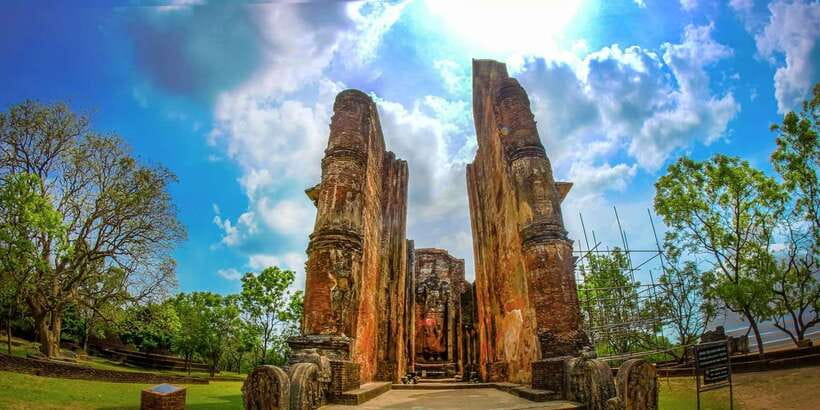
- Lankatilaka Gedige: temple architecture that feels massive
- Gal Vihara: the famous carved Buddha statues
- Demala Maha Seya: religious remains and sacred symbolism
- Thuparama and Topa Wewa Lake: religion plus engineering
- Thuparama: a strong temple stop for understanding the complex
- Topa Wewa: water shaped the city
- What the guide experience really adds
- Price and value: what you’re really paying for
- Temple rules and packing: small effort, big payoff
- Timing tips: how to enjoy Polonnaruwa instead of rushing it
- Should you book this day trip?
- FAQ
- What is included in the price?
- Are entrance fees included?
- Do I get a local Sri Lankan guide?
- What is the walking like?
- What should I wear or bring for the temple visits?
- Where does pickup happen?
- How long is the trip from start to finish?
- Is this tour suitable for wheelchair users?
- How far in advance can I cancel?
- What happens if weather is poor?
Key highlights at a glance
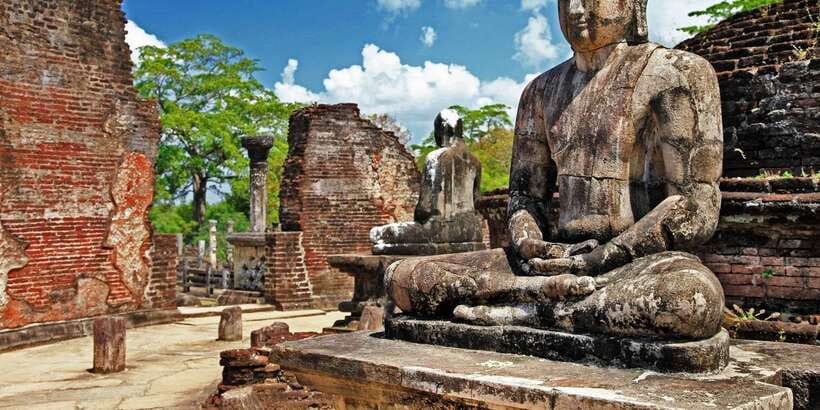
- Guided walk through Polonnaruwa’s headline sites for faster, clearer understanding on the ground
- Lankatilaka Gedige, Gal Vihara, and Demala Maha Seya in one packed circuit
- Thuparama plus Topa Wewa Lake for the religious-meets-engineering side of the ancient city
- Comfort-focused planning with bottled water and restaurant breaks built into the day
- An English-speaking driver who can keep logistics smooth and questions answered
Why Polonnaruwa hits so hard
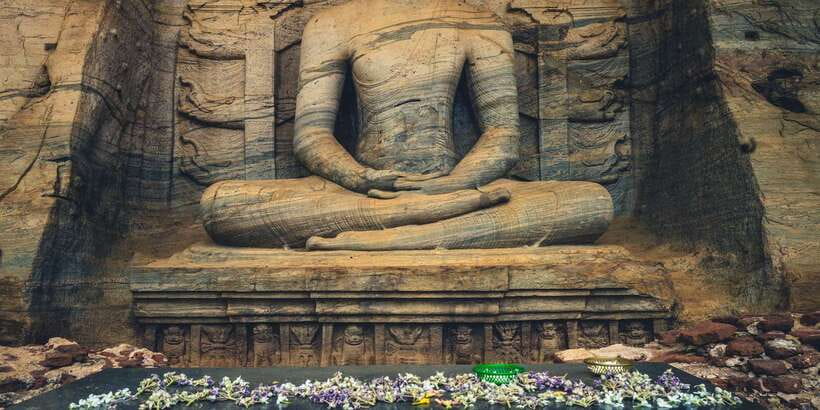
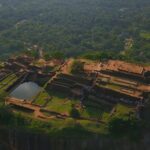
Polonnaruwa isn’t just ruins in a photo. It’s a whole ancient city plan where Buddhism and Hinduism shaped the look and feel of the monuments. After the earlier capital of Anuradhapura, Polonnaruwa became the next major center—often described as a “silver capital” phase—and even within a shorter span of power, the place shows serious ambition in stone.
What makes it interesting is that the monuments aren’t random. Many are linked to religious purpose: image shrines, carved icons, stupa-style structures, and temple complexes designed to make worship feel like a journey. When you walk between sites, you start to notice how the architecture is meant to direct your attention—toward statues, toward sacred space, and toward water.
This day trip keeps you in that mode. You’re not trying to “collect” every point on a map. You focus on the most recognizable works, then you leave with a practical sense of how the city functioned—religiously and visually.
You can also read our reviews of more tours and experiences in Colombo

Colombo to Polonnaruwa: long day, clear flow
Plan for a 14-hour day overall, with travel time doing a lot of the work. You’re picked up from Colombo at your hotel lobby, and the operator asks you to be there about 10 minutes before your selected pickup time.
This is a shared transfer, so don’t expect special timing if your day runs late. The exact drive duration can change with traffic, and the day is built around getting you to Polonnaruwa in time for a guided walk and then returning to Colombo after lunch.
One practical advantage: you’re not driving yourself. Colombo traffic can be tiring, and having an English-speaking driver removes a big part of the stress. It also means you can spend your energy on the temples instead of route planning.
The restaurant stops: how they help (and where they don’t)
The day starts with breakfast at a local restaurant. That matters because you’ll be on your feet for several hours after, and you’ll be visiting sacred sites where you’ll want comfortable energy, not a half-empty tank.
There’s also a longer break later—time for coffee or tea, plus lunch options. You’ll see how helpful that timing is once you’re walking around Polonnaruwa’s open areas. In the heat, a planned pause is the difference between “this is amazing” and “I need shade right now.”
Important value note: the tour includes bottled water, but food and drink details beyond the scheduled restaurant stops aren’t fully laid out. I’d treat lunch as something you may need to pay for or choose from on-site. Budget for that, and you won’t get surprised.
Polonnaruwa’s main circuit: Lankatilaka, Gal Vihara, Demala Maha Seya
Your centerpiece time is a guided visit to the ancient city, with about 3.5 hours of sightseeing and walking. This is the heart of the trip, and it’s where you’ll most feel the benefit of a guide.
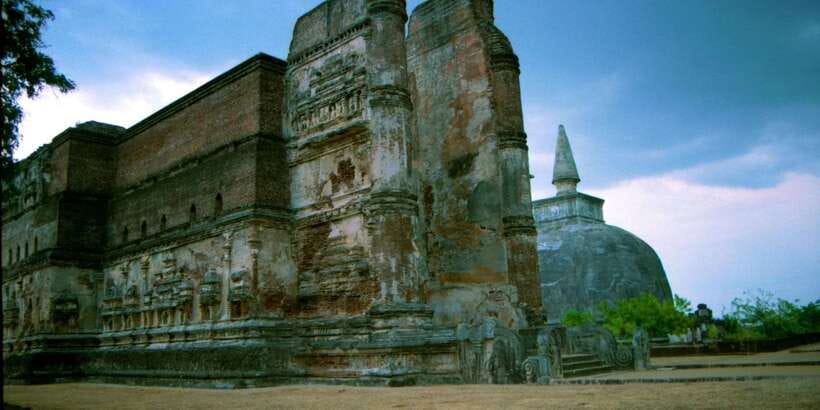
Lankatilaka Gedige: temple architecture that feels massive
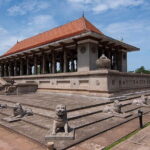
Lankatilaka Gedige is one of those monuments that makes you slow down even when you’re in a hurry. It’s tied to the Buddhist world of Polonnaruwa—so you’ll see a shrine mindset in the way the structure is built and how worship would have been carried out.
The big practical takeaway here is orientation. When you see one major temple complex first, the rest of the city starts to make more sense. You’ll start understanding why these sites were built where they were and how they were meant to pull pilgrims’ eyes toward sacred imagery.


Gal Vihara: the famous carved Buddha statues
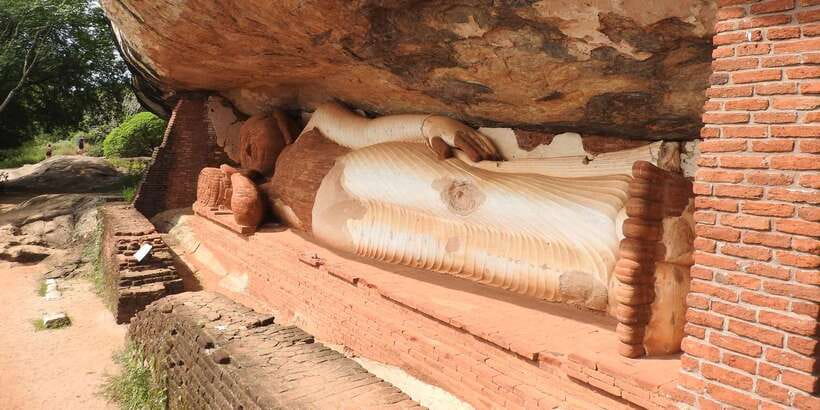
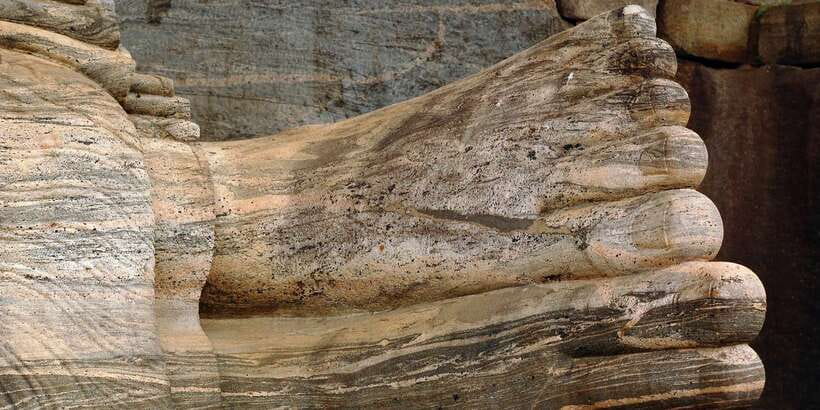
Gal Vihara is where Polonnaruwa becomes unforgettable for many people. This is the zone centered on the stone-carved Buddha icons, including the iconic Buddha statues that people come from far away to see.
This is the place to pay attention to shape and carving, not just “wow factor.” The statues are a reminder that stone artwork was a central form of devotion. If you’re the kind of traveler who likes to understand what you’re looking at, this stop is a win because it gives context to the whole city.
Demala Maha Seya: religious remains and sacred symbolism
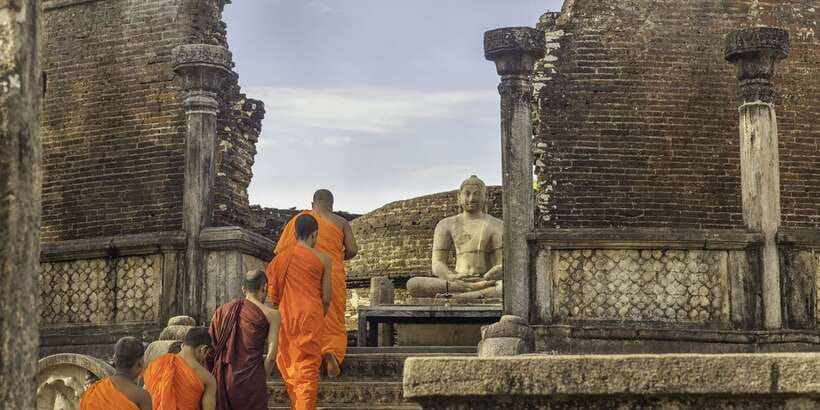
Then you move on to Demala Maha Seya, another key monument tied into the Buddhist landscape of Polonnaruwa. Even when a site is partially ruined, the layout and remaining forms show where worship activity would have focused.
If you like architecture and spiritual design working together, Demala Maha Seya is the kind of stop that rewards slow looking. Give it a moment before you rush to the next site.
Thuparama and Topa Wewa Lake: religion plus engineering
After the main temple cluster, the tour adds two extra experiences that round out the picture: Thuparama and Topa Wewa Lake, also known as the Sea of Parakrama.
Thuparama: a strong temple stop for understanding the complex
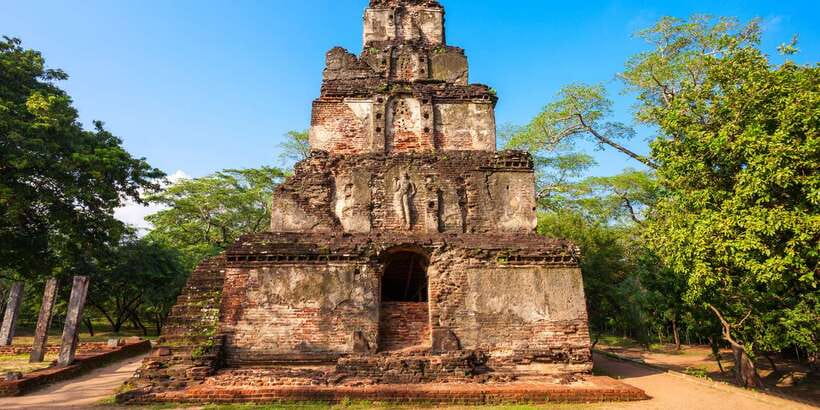
Thuparama helps you connect the dots between what you’ve seen and how the ancient city organized religious space. Since many Polonnaruwa monuments relate to Buddhism or Hinduism, you’re looking for patterns—types of shrines, ways of structuring sacred areas, and how the site “reads” from different viewpoints.
This is also where the guided part matters. Without guidance, ruins can feel like a list. With guidance, you start picking up relationships between monuments.
Topa Wewa: water shaped the city
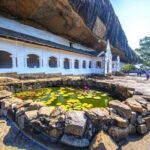
Topa Wewa Lake, sometimes called the Sea of Parakrama, adds a different angle. Instead of focusing only on statues and shrine walls, you’re seeing the ancient city’s relationship to water management.
That’s important because ancient capitals weren’t just ceremonial centers. They needed systems to support life, agriculture, and the daily rhythm of a major population. So this stop broadens the story from worship to how the city actually worked.
If you’re a fan of “why did they build it like that,” this is the kind of monument that answers that question.
What the guide experience really adds
This tour includes an English-speaking driver and a guided sightseeing component during the Polonnaruwa visit. In the praised experiences tied to this day trip, what stands out isn’t just friendliness. It’s how responsive the guide/driver is to questions and needs—staying attentive, careful, and willing to help you get the most out of your time.
One name you may hear in feedback is Anush. The praise centers on being helpful and supportive through the day. That kind of guide energy matters at Polonnaruwa, because you’ll move between multiple monuments and you’ll need help connecting what you’re seeing.
If you’re traveling solo, it can also feel like you get a more “tailored” feeling than you’d expect from a day trip, especially when the group size is small. A comfortable vehicle and calm driving also help—this is not the time to be beat up by transportation hassles.
Price and value: what you’re really paying for
At $111 per person for the day, the value is mostly about saving time and stress. You get:
- Pickup and drop-off at your accommodation in Colombo
- An English-speaking driver
- Bottled water
What’s not included:
- Entrance fees
- A local Sri Lankan guide (so don’t assume you’ll have that extra layer of interpretation included at every site)
- Food and drink beyond what’s scheduled isn’t clearly detailed
So is it worth it? For most people, yes—if you want a direct, structured day without organizing transport yourself. Polonnaruwa is far enough from Colombo that doing it as a DIY day can mean extra planning, added uncertainty, and more time spent figuring out what’s actually worth your limited hours.
The main way to “make it a good deal” for yourself is to plan for the add-ons you’re likely to face: entrance fees and lunch choices. Once you budget those basics, the $111 rate becomes more about convenience plus a guided centerpiece visit.
Temple rules and packing: small effort, big payoff
This is one of those days where packing right makes everything easier.
Bring:
- Comfortable shoes (you’ll walk a moderate amount)
- Sunglasses
- Sun hat
Dress expectations for Buddhist or Hindu temples matter. You’ll need to remove your footwear and cover your shoulders and knees, and you should remove your hat when you visit temple areas.
It’s also wise to travel light. Smoking isn’t allowed, and you shouldn’t bring luggage or large bags.
Health and mobility limits are clearly stated: this trip isn’t suitable for wheelchair users, and it’s not recommended for pregnant women or people with heart complaints or other serious medical conditions. If that’s you, don’t force it. Polonnaruwa deserves a trip that lets you move at a pace that’s safe.
Timing tips: how to enjoy Polonnaruwa instead of rushing it
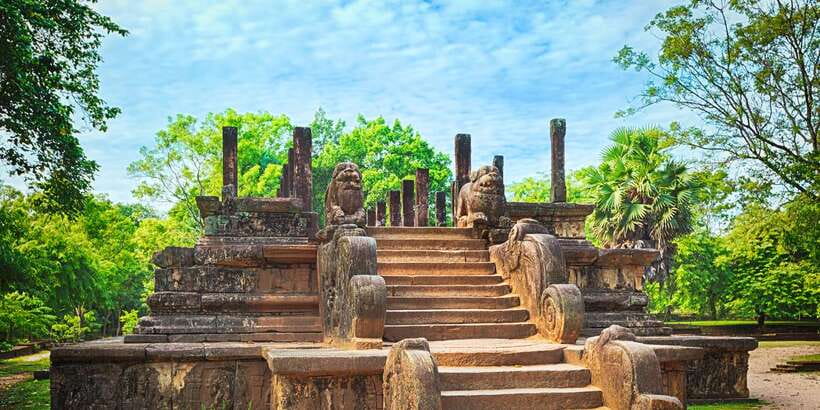
You’ll have about 3.5 hours in the ancient city. That’s enough time to see the key monuments without feeling like you’re sprinting the whole day, but you’ll still want a strategy.
Here’s what helps:
- Start each monument stop by taking one slow look first, then read the details.
- At Gal Vihara, spend time on the statues. Don’t let the group pace swallow your attention.
- Plan to stand in sun and step between ruins. Bring your hat and keep an eye on water.
Because the day is long, a calm mindset helps too. This is a full-day structure. You’re not trying to “do everything.” You’re choosing the essential Polonnaruwa experiences: the major shrines and the city context created by sacred water.
Should you book this day trip?
Book it if you:
- Want a one-day, high-impact Polonnaruwa visit from Colombo
- Appreciate guided help so the ruins feel connected, not random
- Prefer convenience: pickup/drop-off, an English-speaking driver, and planned restaurant breaks
Skip or reconsider if you:
- Need wheelchair access or have mobility limitations that won’t handle temple walking
- Have heart issues or serious medical concerns
- Hate long travel days and strong sun (this trip includes temple rules, and it’s a full 14-hour commitment)
If you’re healthy, steady on your feet, and ready to follow temple etiquette, this is a practical way to see Polonnaruwa’s most important Buddhist monuments—plus the water story behind the city. It’s not a casual stroll. It’s a focused day that turns one of Sri Lanka’s best archaeological zones into something you can actually understand.
FAQ
What is included in the price?
The tour includes pickup and drop-off at your accommodation in Colombo, an English-speaking driver, and bottled water.
Are entrance fees included?
No. Entrance fees are not included.
Do I get a local Sri Lankan guide?
A local Sri Lankan guide is not included. The tour includes an English-speaking driver, and the sightseeing portion includes guided touring.
What is the walking like?
The trip involves a moderate amount of walking, so comfortable shoes are recommended.
What should I wear or bring for the temple visits?
Wear comfortable walking shoes. Bring sunglasses and a sun hat. You must remove footwear and cover shoulders and knees when visiting Buddhist or Hindu temples.
Where does pickup happen?
Pickup is available in Colombo only. If your hotel is outside the city limits, additional charges may apply.
How long is the trip from start to finish?
The total duration is 14 hours.
Is this tour suitable for wheelchair users?
No. This trip is not suitable for wheelchair users.
How far in advance can I cancel?
You can cancel up to 24 hours in advance for a full refund.
What happens if weather is poor?
The trip is subject to favorable weather conditions. If canceled due to poor weather, you can attend on another date.