REVIEW · GALLE & BENTOTA DAY TRIPS
From Colombo: Handungoda, Galle, Ahangama, & Kosgoda Tour
Book on GetYourGuide →Operated by Lakpura® · Bookable on GetYourGuide
A day that pairs tea and turtles sounds unlikely, until you see it work. This southern Sri Lanka route runs from Handunugoda Tea Factory to the Kosgoda Turtle Hatchery, with Galle Fort and Ahangama’s stilt fishing in between. Two things I’d prioritize: watching virgin white tea being made at Handunugoda, and meeting baby turtles at Kosgoda.
The main trade-off is time. You’re moving across several towns in one long day, so plan for heat, travel time, and meals not being included beyond the factory tasting. Also, if your hotel doesn’t feed you before pickup, bring a packed breakfast so you’re not relying on stalls mid-drive.
In This Review
- Key Things I’d Make Sure You Don’t Miss
- Southern Coast In One Day: Why This 8-Hour Loop Makes Sense
- Handunugoda Tea Factory: Seeing Virgin White Tea Made the Old Way
- Ahangama Stilt Fishermen: A Short Stop With Big Cultural Impact
- Galle Dutch Fort and the Cobblestoned Streets: Colonial Monuments, Real Walks
- Kosgoda Turtle Hatchery: Conservation Up Close Without the Lecture Mood
- Lunch, Timing, and What to Pack From Colombo
- Price and Value: What $110 Buys You (and What It Doesn’t)
- Who This Tour Suits Best (and Who Might Want a Different Plan)
- Should You Book This Handunugoda–Ahangama–Galle–Kosgoda Day Trip?
- FAQ
- What areas does this tour cover?
- Where is the pickup location?
- How long is the tour?
- What is the price per person?
- What’s included in the tour?
- Are food and entrance fees included?
- How much time do you spend at Handunugoda Tea Factory?
- Is there free time during the day?
- What should I bring for the day?
- Is the tour guide English-speaking?
Key Things I’d Make Sure You Don’t Miss
- Handunugoda Tea Factory: see the process behind virgin white tea and enjoy the included tea + food tasting
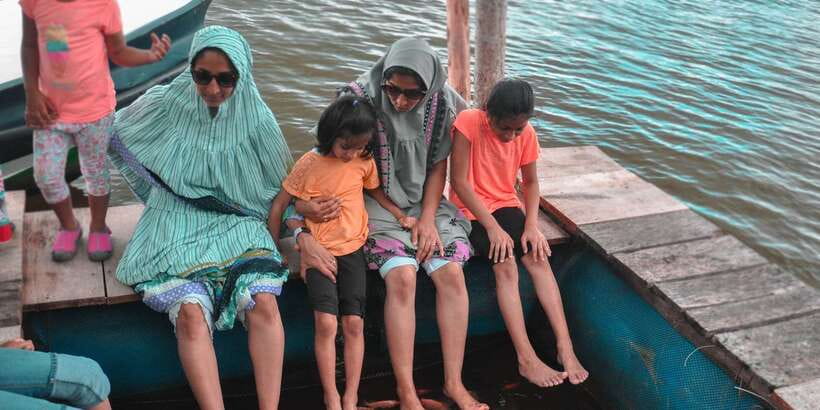
- Ahangama stilt fishermen: meet an iconic local tradition up close, not just from a lookout
- Galle Dutch Fort (World Heritage): combine monument sightseeing with time to walk Galle’s cobblestoned streets
- Kosgoda Turtle Hatchery: learn how nests are protected and interact with baby turtles
- Small moments that stick: scenic roadside viewpoints on the way to Ahangama and the contrast of colonial Galle vs. nature
Southern Coast In One Day: Why This 8-Hour Loop Makes Sense
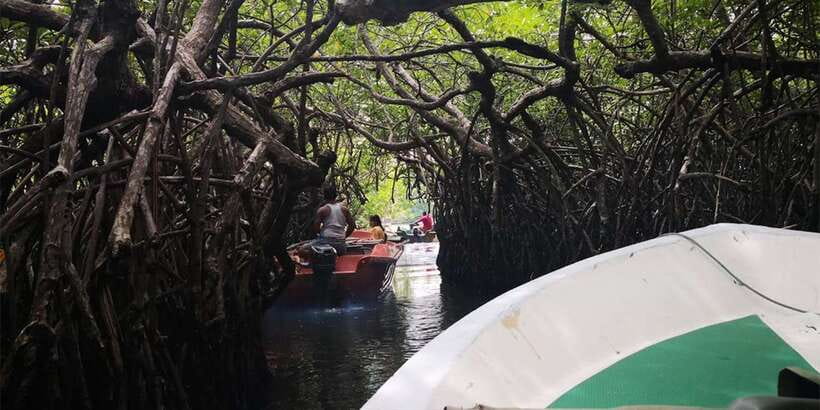
This is a classic “first-time on the south coast” format: you cover four stops without having to arrange multiple taxis or figure out local timing. Pickup and drop-off are in Colombo, and the tour uses a chauffeur guide and car transport throughout, which matters because the south coast towns are close enough to bundle, but far enough that DIY can eat half a day.
The real value is pacing. You don’t just stop at famous landmarks—you get a blend of everyday life (tea making, stilt fishing) plus conservation and protected habitats (turtle hatchery). That mix tends to feel more meaningful than a pure sightseeing day, especially if you’re only in Sri Lanka for a short window.
One more practical note: the tour duration is 8 hours, so it’s not a slow, lingering day. If you want long museum time or hours in one town, you may find this schedule a bit tight. But if you like an efficient overview with a few stand-out experiences, it’s a strong fit.
You can also read our reviews of more tours and experiences in Colombo.



Handunugoda Tea Factory: Seeing Virgin White Tea Made the Old Way
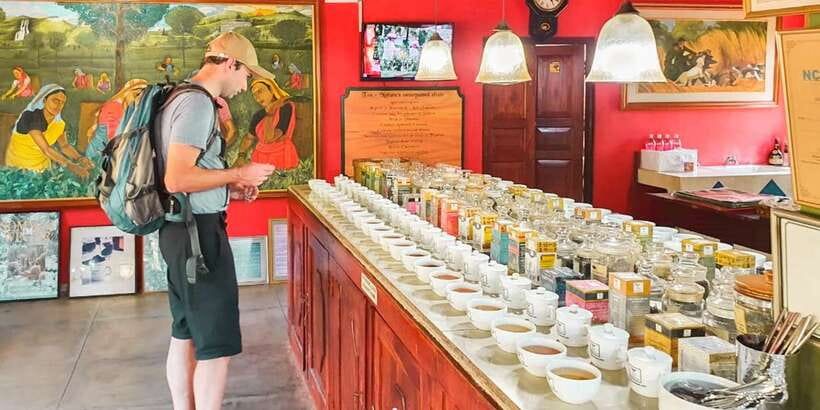
Handunugoda is your first big sensory stop, and it’s not just a quick photo break. You’ll spend about 2 hours at Handunugoda Tea Estate/Tea Factory, and the plan includes tea, a tea ceremony-style component, and food tasting.
What makes this stop special is the focus on a specific tradition: the factory is known for reviving an ancient Chinese method of producing virgin white tea. In the tour’s explanation, the key point is that the manufacturing process is meant to stay untouched by human hands. Even if you don’t remember every technical detail, you’ll walk away understanding why this tea is discussed with so much reverence and what makes it different from other Sri Lankan teas.
Expect the factory visit to be part workshop, part tasting. In at least some departures, you may also get an extra treat as part of the tasting experience—something like tea paired with a snack. That matters because food is otherwise not included during the rest of the day. This stop helps you avoid the “tea plantation, then nothing to eat for hours” feeling that can happen on other tours.
Practical tip: wear comfortable shoes. You’ll likely be moving around the factory area and estate spaces in the midday heat. And if tea isn’t your thing, don’t worry—you’re also seeing a real production process that connects to Sri Lanka’s economic and cultural life.
Ahangama Stilt Fishermen: A Short Stop With Big Cultural Impact
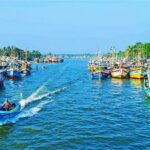
Next comes Ahangama, one of the south coast’s most recognizable visuals: stilt fishermen. Your itinerary includes roughly 30 minutes here, plus sightseeing/scenic viewpoints on the road leading in.
Even with the short timing, this stop works because it’s interactive in a human way. You’re not just looking at fishing rigs from a distance—you’ll meet with the fishermen, watch them fish, and learn about the process from the fishermen themselves. That direct explanation is the difference between collecting images and actually understanding how the system works.
The main consideration is that 30 minutes can feel brief if the weather is rough or if you’re the type who likes to linger. Also, don’t plan on a meal here—free time is included, but food isn’t. If you want lunch freedom, keep it in mind as you ride into Galle afterward.
Quick advice for photos: keep your camera ready, but don’t block someone else’s view for a perfect shot. This is one of those experiences where the best memories come from watching carefully, not just snapping fast.
Galle Dutch Fort and the Cobblestoned Streets: Colonial Monuments, Real Walks
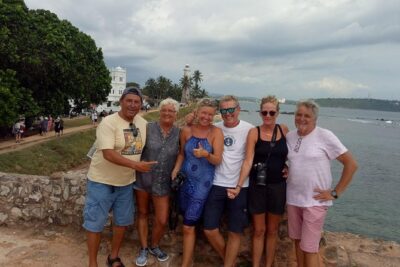
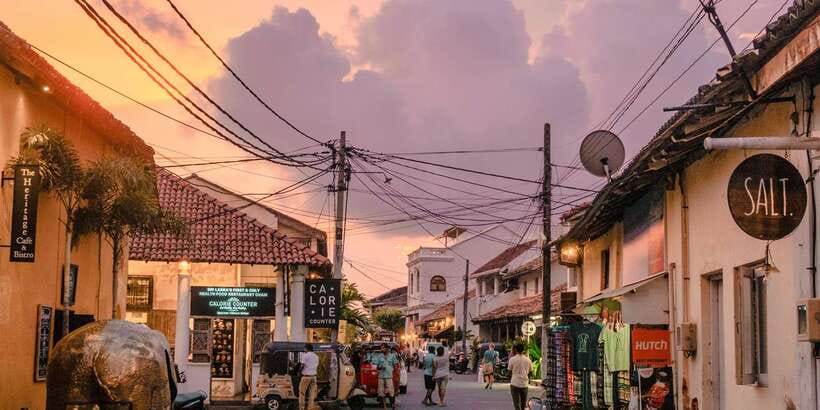
After Ahangama, you head to Galle, a coastal city that grew around port life and colonial influence. The tour specifically spotlights Galle Dutch Fort—a World Heritage Site—and it includes guided sightseeing of major highlights.
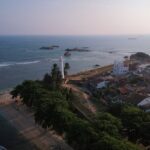
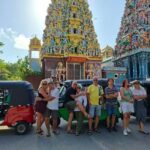
On the route, you’ll see the Galle Lighthouse and the National Maritime Museum area, then spend time walking through the picturesque cobblestoned streets. The story behind Galle is part of why this place feels different: it developed from a busy port into a fortified city after surviving multiple foreign invasions. That mix of trade, defense, and architecture is why Galle doesn’t feel like a generic old town—it feels like a living shoreline of history.
The best value in Galle is not only looking at monuments, but walking the streets at your own pace once you have the orientation. The cobblestones slow you down in a good way. You start noticing details: doorways, fort walls, and the way the street grid changes as you move around the fort area.
One drawback to note: walking on cobblestones and uneven surfaces can be tiring. Comfortable shoes matter more here than you’d expect. If you’re prone to foot fatigue, plan to take breaks and keep your pace realistic.
Also, entrance fees aren’t included, so if you decide you want extra museum time or specific paid areas inside the fort complex, budget for it.
Kosgoda Turtle Hatchery: Conservation Up Close Without the Lecture Mood
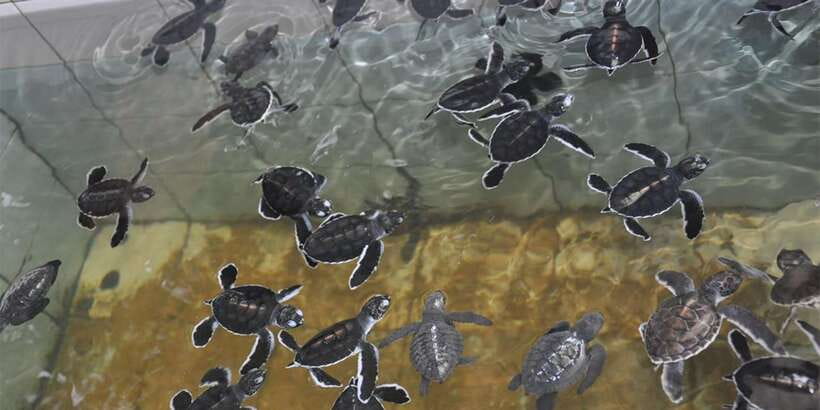
Your final stop is Kosgoda Turtle Hatchery, and it’s the emotional anchor of the day for many people. The itinerary gives you about 1 hour, which is long enough to learn and interact, but short enough that you’re not exhausted before returning to Colombo.
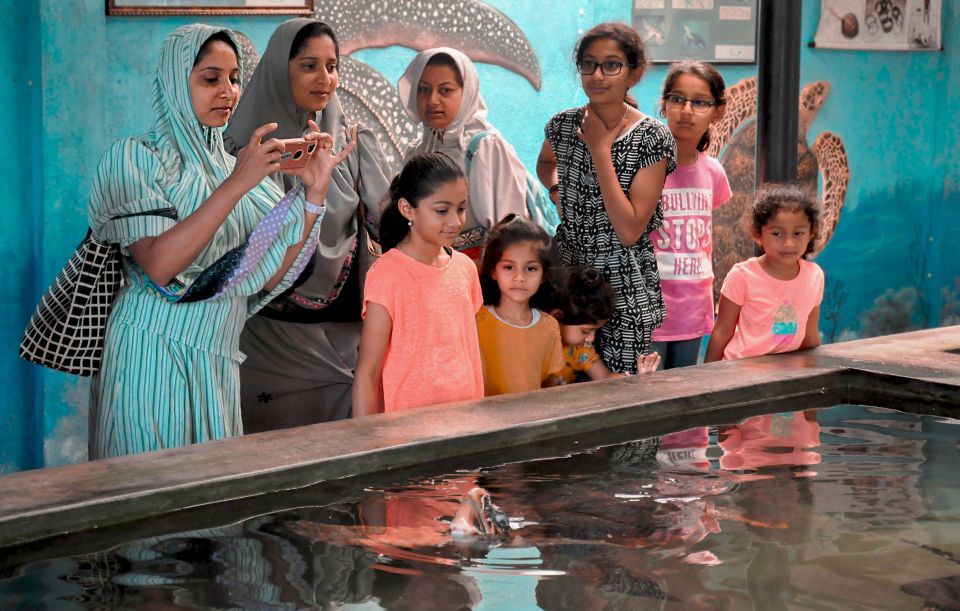
Here’s what the tour emphasizes: you’ll learn about the five types of sea turtles that visit Sri Lanka for nesting and how nests are protected. Then you’ll interact with baby turtles and also see fully grown turtles that are being treated for injuries here.
That last detail is important. It shifts the visit from a simple animal encounter to a conservation reality: turtles don’t just get “rescued and released,” sometimes they need care and treatment. The hatchery setting also helps you understand the conservation work at a practical level—how protection starts at the nest stage.
For you, the value is in the balance. You get to be close to baby turtles, but you also learn why the work exists and what it’s trying to prevent. It feels hopeful without pretending everything is simple.
Practical tips: bring sunscreen and keep your hat handy. The hatchery experience is outdoors much of the time, and the day’s sun can be strong even when you’re focused on the animals. And keep the encounter calm—this is a place built around fragile wildlife, not a theme park stunt zone.

Lunch, Timing, and What to Pack From Colombo
This tour can work smoothly in one day if you pack like it’s a real field day. The biggest food-related point: food isn’t included in general during the tour, but you’ll get a tea/factory tasting where you can eat. If your hotel doesn’t provide a meal before pickup, the tour asks you to bring a packed breakfast.
You’ll also have free time for an optional lunch break at a place of your choice. That flexibility is great if you have preferences, but it means you should think ahead. In Sri Lanka’s south coast towns, lunch quality varies, and you’ll want to eat something that won’t upset your stomach if you’re heading back to Colombo later.
What to bring (based on the tour requirements):
- Passport or ID card
- Comfortable shoes (especially for Galle cobblestones)
- Sunglasses and sun hat
- Sunscreen
- Food and drinks (helpful for the ride and waiting time)
Included along the way: 1 liter of bottled mineral water per person. That’s helpful, but it doesn’t replace snacks if your appetite runs ahead of schedule. A small snack can be a lifesaver between Handunugoda and Galle.
Price and Value: What $110 Buys You (and What It Doesn’t)
At $110 per person for an 8-hour private-group day with pickup in Colombo, you’re paying mostly for three things:
1) Time-saving transport: one chauffeur-driven route that strings together distant stops
2) Guided orientation: tea factory context, stilt fishing explanation, Galle Fort history, turtle hatchery learning
3) Private flow: you’re not squeezed into a huge group schedule, which makes short stops feel less frantic
What you’re not paying for: food in general and any entrance fees. So your final “real cost” can creep up depending on how many paid areas you choose to enter in Galle.
Where the tour feels like good value is in the way it bundles varied experiences that are otherwise hard to coordinate on your own: virgin white tea production, stilt fishermen, a fortified UNESCO area, and a turtle hatchery. If your alternative is multiple rides, waiting around, or hiring separate guides, this package tends to pencil out.
Who This Tour Suits Best (and Who Might Want a Different Plan)
This tour is a great match if you:
- Want a high-impact day on the south coast without planning logistics
- Care about both culture and nature: tea making and turtle conservation are not “just sightseeing”
- Like learning from people doing real work—stilt fishermen and tea producers
- Are visiting for a short time and want a clear route you can trust
It may be less ideal if you:
- Prefer slow travel and long stays in one place
- Have a strong need for included meals (because lunch and general food aren’t covered)
- Don’t enjoy walking on uneven surfaces like cobblestones
One extra detail worth knowing: in some cases, you might have the opportunity to add an extra activity like a boat safari for an additional charge. If you love wildlife and water views, it’s an option to ask about when you’re there, but keep your energy in mind because it can extend the day.
Should You Book This Handunugoda–Ahangama–Galle–Kosgoda Day Trip?
I’d book it if you want one coherent, efficient day that hits Sri Lanka’s south coast highlights with real-world experiences. The combination makes sense: tea production in Handunugoda sets up the theme of craft and tradition, Ahangama adds daily livelihood, Galle gives you monumental history and walkable streets, and Kosgoda brings the conservation payoff.
If you decide to go, do it with realistic expectations: it’s an 8-hour route, so you’re seeing a lot, not living in each town. Bring the essentials for sun and comfort, plan where you’ll eat lunch, and consider entrance fees for Galle if you want to go beyond walking.
And if your focus is animals, this is one of the more purposeful days you can do from Colombo. The turtle hatchery element isn’t just a quick look—it’s built around nest protection and the care turtles receive.
FAQ
What areas does this tour cover?
It covers Handungoda (including Handunugoda Tea Factory), Ahangama, Galle (Galle Dutch Fort), and Kosgoda (Kosgoda Turtle Hatchery).
Where is the pickup location?
Pickup is from Colombo.
How long is the tour?
The duration is 8 hours.
What is the price per person?
The price is $110 per person.
What’s included in the tour?
Hotel pickup and drop-off, transportation throughout the tour, chauffeur guide service, and 1 liter of bottled mineral water per person are included.
Are food and entrance fees included?
Food is not included, and entrance fees are not included.
How much time do you spend at Handunugoda Tea Factory?
The itinerary lists about 2 hours at Handunugoda Tea Estate/Tea Factory.
Is there free time during the day?
Yes. There is free time in Ahangama (about 30 minutes) and a lunch break is optional at a place of your choice.
What should I bring for the day?
Bring a passport or ID card, comfortable shoes, sunglasses, a sun hat, sunscreen, and food and drinks (especially if you didn’t eat before pickup).
Is the tour guide English-speaking?
Yes, the live tour guide is in English, and the group is private.