REVIEW · GALLE & BENTOTA DAY TRIPS
From Colombo to Galle Fort and Jungle Beach Day Trip
Book on GetYourGuide →Operated by Vidu Ceylon Tours (Pvt) Ltd · Bookable on GetYourGuide
This south-coast day moves fast for a reason: you get Galle Fort and then unwind at Jungle Beach. I love how the guide strings together temple culture, a tsunami recovery stop, and the Portuguese-Dutch fort into one clear route, and I like the hands-on nature moments like the Madhu River boat ride plus fish-therapy and crocodile time. The one drawback to plan for is that it’s a full, sun-heavy day with plenty of walking.
I also like that you’re in a private group with a live guide and driver for the whole loop, and it’s the sort of tour where guides like Charith, Manoj, Shaminda, Mashud, and Lakmal have helped people feel at ease while keeping the day moving. You’ll get practical explanations, plus real-time driver coordination so you’re not guessing where to go next.
In This Review
- Key highlights to look for
- Why this Colombo-to-Galle route is such a strong one-day plan
- How the private guide and driver make or break the day
- Kalutara Temple (Kalutara Bodhiya): a calm start with real spiritual context
- Hikkaduwa beach town: turtles, coral life, and conservation learning
- Bentota stop: local snack and spice-style culture break
- Madhu River safari time: mangroves, birds, and the fish-therapy experience
- Tsunami village: where the day gets emotional and meaningful
- Temples and culture near Galle: Wawurukannala Viharaya for a reflective pause
- Stilt fishermen: the craft you can’t fake
- Galle Fort walkthrough: Portuguese and Dutch layers on foot
- Jungle Beach: the quiet end of the day
- Included extras that quietly raise the value
- What is not included (so you don’t get surprised)
- Practical tips so you enjoy every stop (instead of just surviving it)
- Who this tour is best for
- Price and logistics: is $70 per person a fair deal?
- Should you book this Colombo to Galle Fort and Jungle Beach day trip?
- FAQ
- How long is the Colombo to Galle Fort and Jungle Beach trip?
- Where does pickup happen, and do you return to Colombo?
- What’s included in the price?
- Is lunch included?
- What is not included related to turtles and the Madhu River?
- What should I bring, and what’s not allowed?
Key highlights to look for
- Galle Fort UNESCO walls with a guided walk that focuses on what you’re actually seeing
- Kalutara Bodhiya (Kalutara Temple) and a sacred Bodhi tree tied to Buddhist tradition
- Hikkaduwa turtle sanctuary time, including conservation learning and turtle feeding moments
- Madhu River boat safari through mangroves, with fish-therapy and crocodile included
- Tsunami village visit that adds context on resilience, not just scenery
- Jungle Beach relaxation after a long day, with clear water and jungle shade nearby
Why this Colombo-to-Galle route is such a strong one-day plan
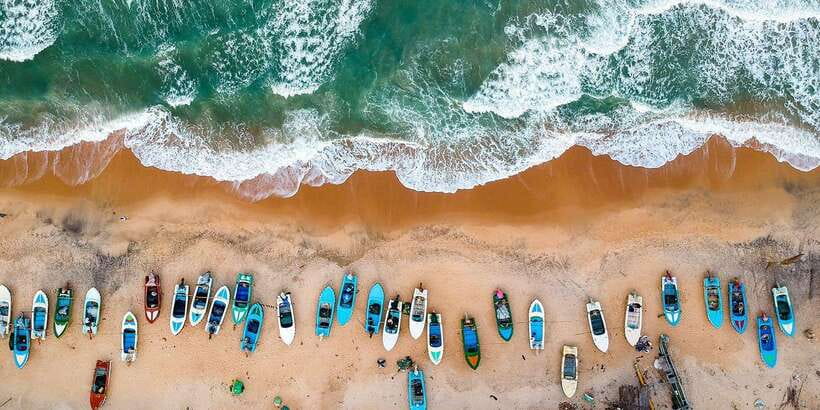
If you only have one day on Sri Lanka’s south coast, this itinerary does a smart mix: one big “wow” site (Galle Fort), one “slow down” coastal payoff (Jungle Beach), and several cultural/nature stops in between. The value comes from variety without feeling random. You’re traveling through the rhythm of coastal life—temples, fishing traditions, wildlife areas, and the places rebuilt after 2004.
The pacing is also built for reality. You’re not spending your day bargaining, figuring out entrances, or hunting down the right person to ask. With a guide and a driver, you can focus on absorbing what’s in front of you—then end with downtime.
You can also read our reviews of more tours and experiences in Colombo

How the private guide and driver make or break the day
This tour runs as a private group, with pickup and return to Colombo. That matters because south-coast traffic and site timing can be tricky, and having one driver through the whole day keeps you from losing time switching vehicles.
You’ll have a live English-language tour guide (plus French, Japanese, Italian, and Russian). Guides such as Charith and Manoj (names that come up in people’s experiences) are praised for in-the-moment help, including recommendations at stops and taking photos for you. Another big practical win: the tour shares the driver’s phone number and live location until you’re in the vehicle, which cuts the usual stress of meeting points.
At the fort and other ticketed sites, you also get help skipping ticket lines, so you spend more time walking the place and less time waiting.
Kalutara Temple (Kalutara Bodhiya): a calm start with real spiritual context
You’ll begin with a stop at Kalutara Temple, also known as Kalutara Bodhiya. This is a serene Buddhist site set in a very peaceful backdrop, and the star is its sacred Bodhi tree, said to be a descendant of the tree under which the Buddha attained enlightenment.
What I like about this stop for most visitors is how it sets the tone. Before beaches and boats, you get a grounded look at daily religious practice—something you’ll feel again later in the day when you see other temple and cultural stops. It’s the kind of visit that works even if you’re not deeply religious, because you’re learning what locals hold meaningful.
Practical note: it’s a temple, so dress and behavior should be respectful. Wear comfortable shoes because you’ll be on foot.
Hikkaduwa beach town: turtles, coral life, and conservation learning
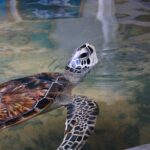
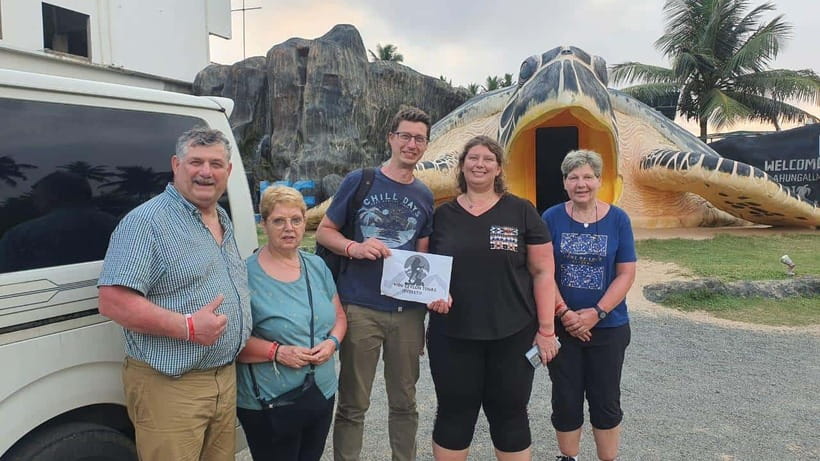
Next comes Hikkaduwa, a coastal town known for coral reefs and marine life. The tour’s focus here is the turtle sanctuary, where you can learn about conservation efforts and take part in turtle feeding.
This is one of the stops where you’ll probably feel the “tour value” most clearly. You’re not just looking at a beach—you’re getting an educational angle on why these animals matter and what people are doing to protect them. It also gives you a hands-on, memorable moment without needing extra planning.
Two things to keep in mind:
- You should follow the guide’s rules around wildlife and water access. The tour notes that touching marine life is not allowed, so don’t treat this as a free-for-all photo moment.
- It’s still a beach stop, meaning heat and sun protection matter. Bring the hat and sunscreen you keep thinking you’ll remember later.
Bentota stop: local snack and spice-style culture break
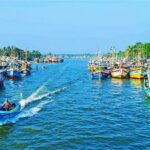
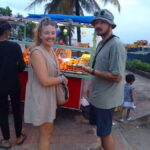
You’ll have time around Bentota (listed as a one-hour visit). In real-world versions of this day, this stretch is often where visitors pick up local flavors and learn about traditional ingredients. People’s experiences mention cinnamon and a spices-focused stop, and the tour also includes Sri Lankan king coconut.
I like this part because it’s a reset before the more intense nature portion. A coconut break helps when the rest of the day is boat rides and sun exposure. If you enjoy food and ingredients, pay attention here—this is where you can ask why certain spices are used in Sri Lankan cooking.
Madhu River safari time: mangroves, birds, and the fish-therapy experience
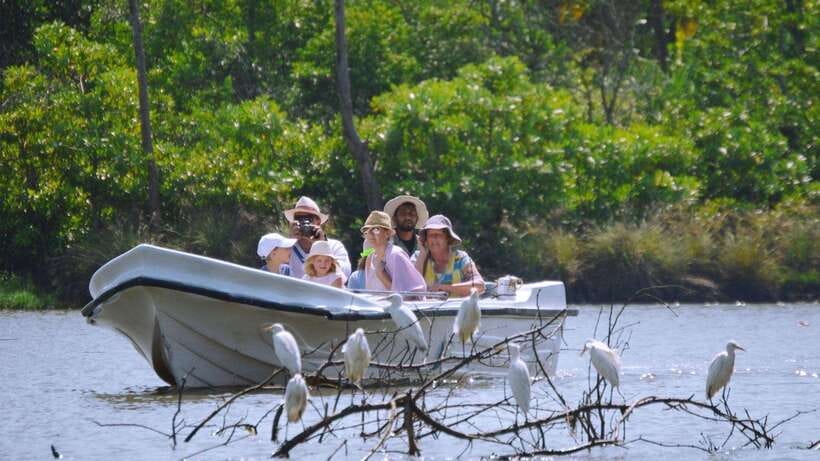
Then you head into the natural world with the Madhu River portion. The description highlights a tranquil boat ride through mangroves, where you can look for birds, monkeys, and other wildlife. Even if you don’t see everything, the setting alone is calming.
The tour also includes tickets for fish therapy in Madhu River and crocodile time. This is an unusual add-on, and it can be either your favorite or your most “this is wild” moment, depending on your comfort level. The practical takeaway: if you’re curious, you’ll likely enjoy it. If you’re cautious with animals, ask the guide how it works at the exact moment you arrive, so you know what’s involved before you step in.
Also remember: the tour is focused on respectful behavior around wildlife. Don’t improvise during any animal interactions.
Tsunami village: where the day gets emotional and meaningful
One of the most important stops on this itinerary is the tsunami village visit, a poignant reminder of the 2004 tsunami’s impact on coastal communities. This is not just “look at the ruins.” The emphasis is on resilience—how villages were rebuilt with outside support and how people recovered over time.
Why this matters for you: a trip can easily turn into scenery-only travel. This stop pulls you back into context, so you understand why the coast looks the way it does today and how local communities adapted. It adds weight to everything else you see later in the day, including fishermen and rebuilt coastal areas.
Be prepared for a different emotional tone here. If you’re the type who gets quiet during reflective moments, this will probably feel like the most human part of your day.
Temples and culture near Galle: Wawurukannala Viharaya for a reflective pause
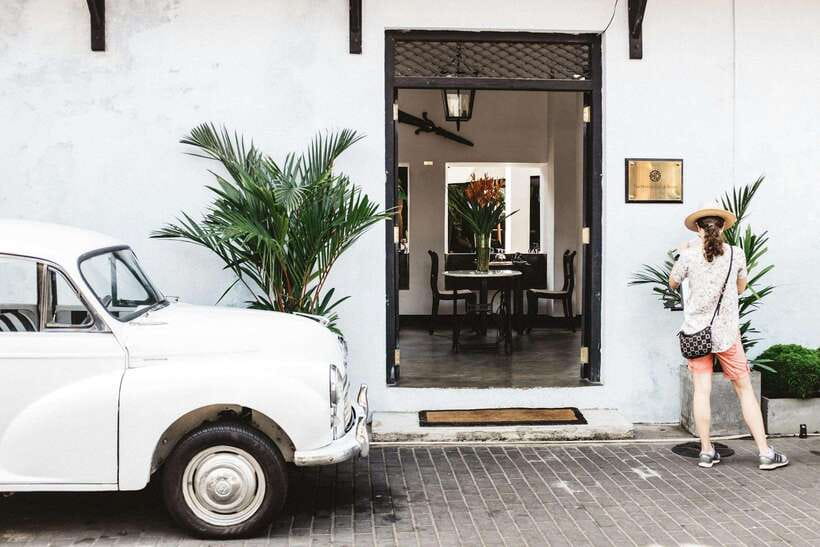
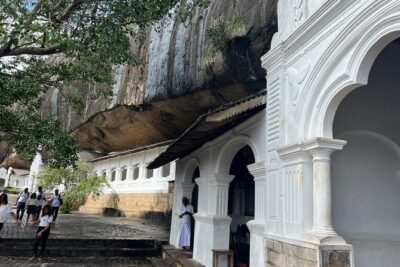
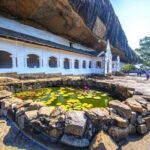
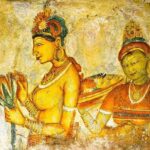
Later, you’ll also have temple time at Wawurukannala Viharaya, known for a large Buddha statue and intricate murals. Even if you’re already temple-weary, murals can be a good way to notice details in a place without needing a long guided explanation.
This is a smart pacing tool too. The day has movement (driving, boats) and bright visual moments (fort ramparts, beach). A quiet temple stop gives you a chance to slow your brain down before you hit the fort and the final beach unwind.
Stilt fishermen: the craft you can’t fake
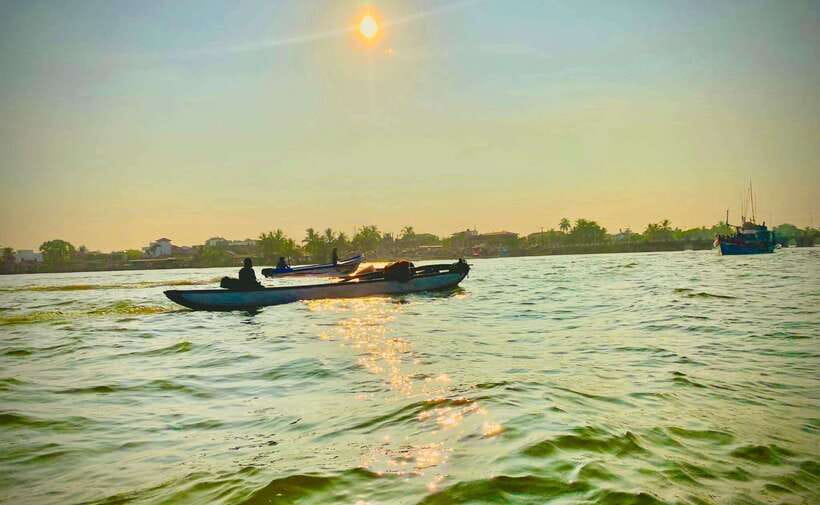
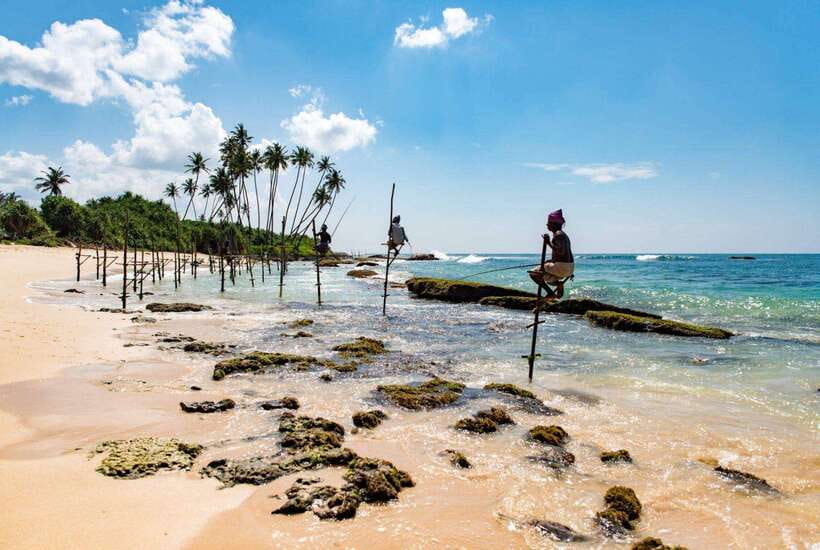
You’ll also stop to see stilt fishermen along the southern coast, with tickets included. This is one of those traditions you understand faster by watching than by reading. Fishermen perch on stilts embedded in shallow water, turning fishing into a whole system adapted to coastal conditions.
At around 30 minutes, the time is brief enough that you won’t feel stuck, but long enough for a proper look and photos. I’d treat this as an observation moment rather than a performance. Watch how they work and where the water movement is coming from, then take photos that respect their workflow.
Galle Fort walkthrough: Portuguese and Dutch layers on foot
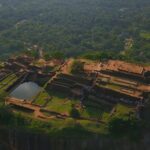
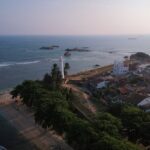
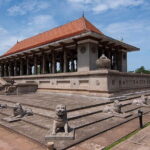
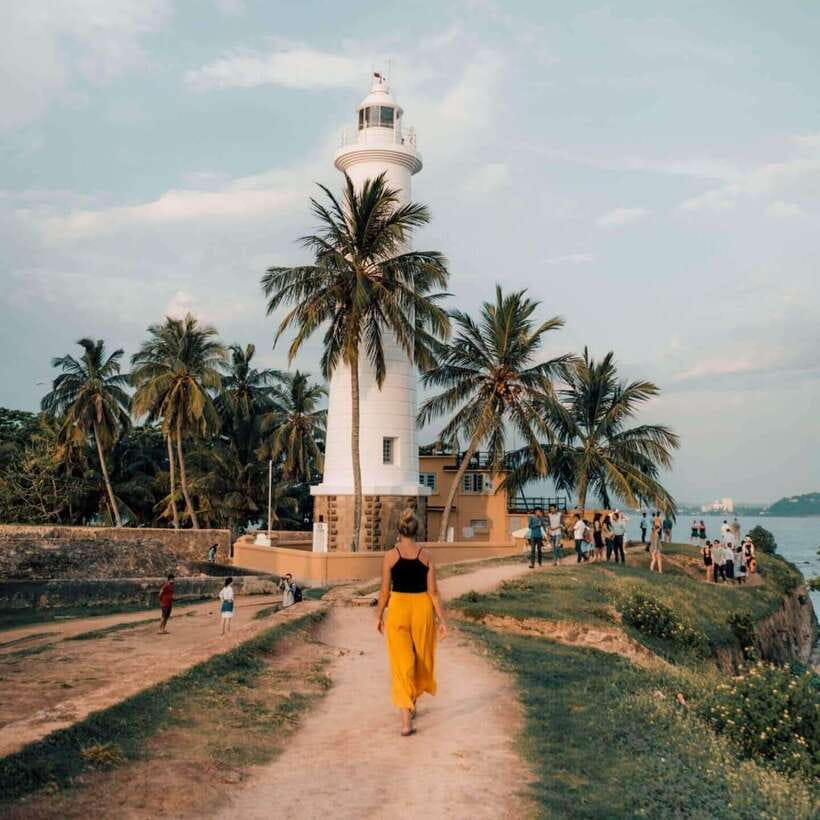
Arriving in Galle, Galle Fort becomes the centerpiece. The fort was built by the Portuguese in the 16th century and later fortified by the Dutch, and the result is a blend of European and South Asian architectural styles.
What you’ll feel while walking: the fort doesn’t just sit there as a landmark. It’s built for walking and looking—cobblestone streets, ramparts with Indian Ocean views, and historic buildings that help you imagine the old trade and defense purpose behind the walls.
Your guided tour portion is listed at around an hour, and this is where it helps to have a guide. The ramparts view is spectacular, but the real payoff is hearing what to notice as you go: which sections feel different, what the layout suggests, and how the fort fits into coastal life.
One planning note: Galle Fort includes walking on uneven surfaces. Wear shoes you’re comfortable with, and go slow on steps if you’re dealing with heat or humidity.
Jungle Beach: the quiet end of the day
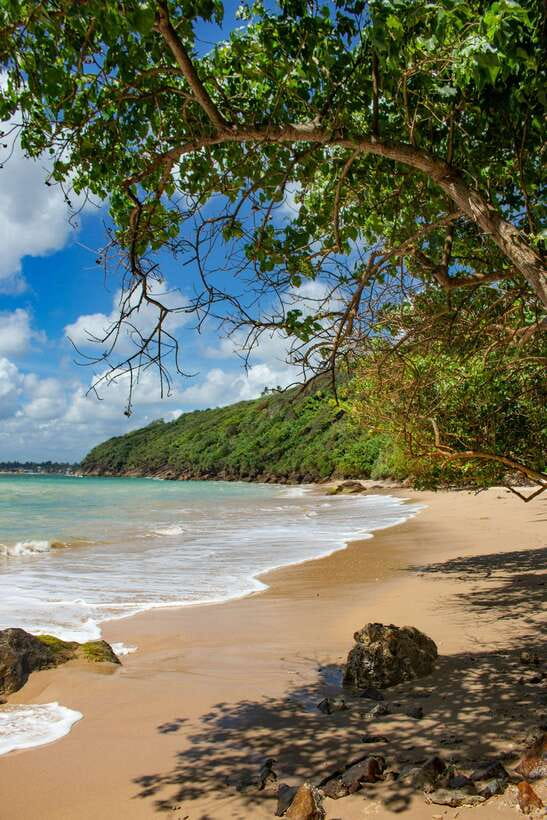
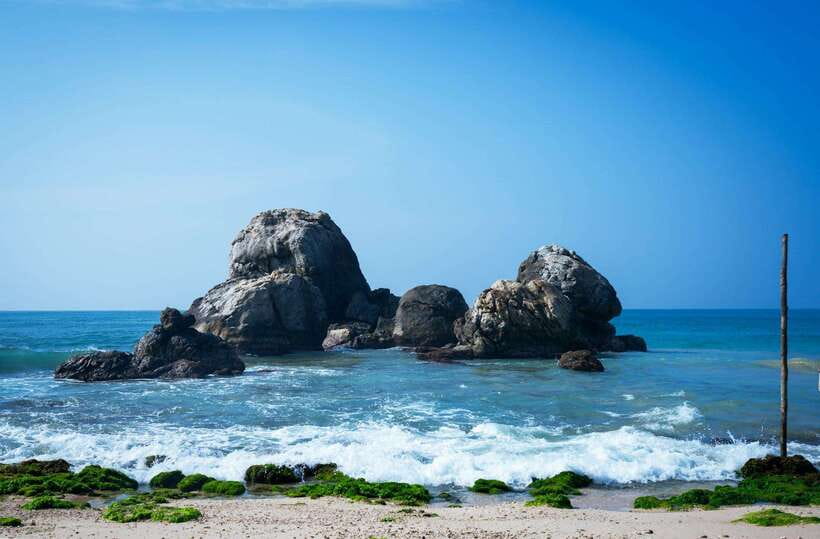
Finally, you’ll reach Jungle Beach, with Jungle Beach tickets included. The tone here is different from the fort. It’s surrounded by lush jungle, and the waters are clear enough that you’ll likely want at least one swim or a long sit with photos and cooldown time.
Why this stop is a good closer: after a day of history, boats, and driving, you’re not switching into another “must-see” mode. You’re switching into recovery mode. The beach is also a chance to notice how the coast changes from fort walls to shoreline.
Two practical reminders:
- Bring and reapply sunscreen if you’ve been out since morning.
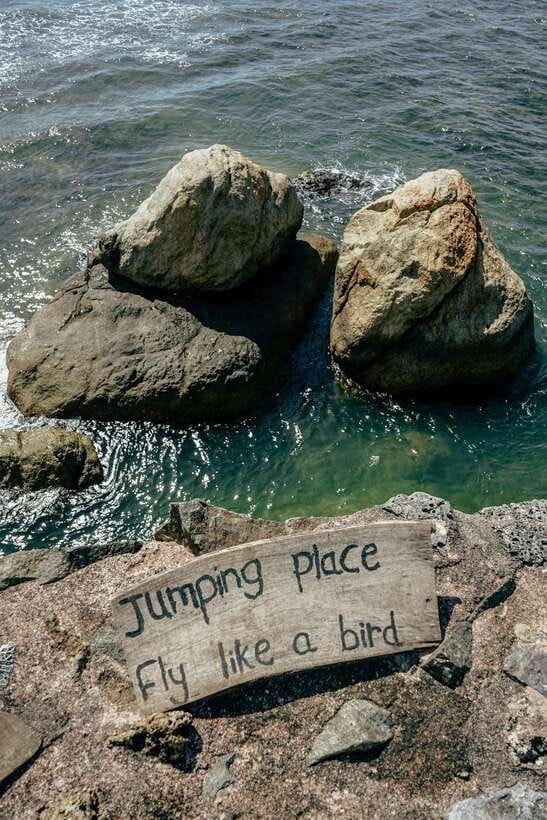
- The tour notes rules about marine life handling. Enjoy the water, but don’t touch wildlife or reefs.
Included extras that quietly raise the value
At $70 per person for a full-day private tour, the value comes from what’s bundled rather than what’s optional. Inclusions cover:
- Guided tour of Galle Fort and surrounding attractions
- Tsunami village exploration
- Stilt fishermen tickets
- Entrance fees for Galle Fort
- Jungle Beach tickets
- Fish therapy in Madhu River and crocodile (tickets included)
- Entry for temples along the route
- King coconut, plus a bottle of water
- A guide who handles tickets/timing so you’re not stuck in lines
There’s also a line in the tour details that says photos and holding turtles are free from us. That’s worth knowing because some places charge for interactions. Still, you should follow the guide’s instructions closely during any animal-related moment.
What is not included (so you don’t get surprised)
Two items to plan around:
- Lunch is not included.
- Turtle farm is not included.
- Madhu River safari islands are not included.
If you’re the type who needs a predictable sit-down meal, you’ll want to either budget for lunch nearby or plan to eat before you get too hungry. Also, if your dream is specifically a turtle-farm visit, confirm what the turtle sanctuary access includes versus a dedicated farm setting.
Practical tips so you enjoy every stop (instead of just surviving it)
This is a day trip where comfort adds up. The tour suggests bringing comfortable shoes, a hat, sunscreen, camera, and insect repellent. I agree with all of it, especially because you’ll be on foot at temples and in the fort.
A few extra practical moves:
- Hydrate early. You get a bottle of water, but you’ll still want to sip throughout the day.
- Wear lightweight layers. The day is sun-heavy, but you’ll also spend time in air-conditioned or shaded vehicles.
- Skip plastic. The tour notes plastic bags are not allowed, so bring a small reusable bag if you need one.
- If you’re sensitive to heat, bring a hat that covers your neck too. Fort walls and beach time can make it feel like the sun has nowhere to hide.
Also, the tour says smoking isn’t permitted during the tour. It’s a small rule, but it can help keep the day pleasant for everyone.
Who this tour is best for
This day trip fits best if you want:
- A high-structure one-day itinerary without renting a car
- The big-picture mix: Galle Fort + nature + culture + a reflective tsunami stop
- A private guide who can explain what you’re seeing, not just drive you between spots
It’s especially good for first-time visitors to Sri Lanka’s south coast. If you’re traveling with kids, it may work depending on how they handle walking and animal stops. If you don’t like structured days at all, you might find it a bit full. But if you like momentum and variety, this hits the sweet spot.
Price and logistics: is $70 per person a fair deal?
For $70 per person, you’re paying for a long-distance day with a private driver and guide plus multiple paid stops. The fort entrance, fort guidance, temple entries, stilt fishermen tickets, Jungle Beach tickets, and Madhu River fish-therapy/crocodile tickets are all included. That bundling is where value shows up.
Your biggest “extra costs” are basically outside the tour scope: lunch, and anything you choose to add on top of the included sights (like additional time at specific locations). If you’d otherwise spend money on separate guides, tickets, and transportation, this price looks reasonable for a well-run day.
Should you book this Colombo to Galle Fort and Jungle Beach day trip?
Yes, I think you should book it if you want one day that actually covers a lot of Sri Lanka’s south-coast character. The strongest reasons are practical: guided Galle Fort, a meaningful tsunami village stop, and a finale at Jungle Beach that gives your body a break.
I would hesitate only if you know you hate long days in the sun or you want an unhurried, slow travel pace. This route is busy by design, with several stops and plenty of walking.
If you do book, pack for heat, wear sturdy shoes, and go into each stop with one simple goal: notice one thing at the fort, one thing at the temples, and one thing in nature. That’s how the day stops feeling like a checklist and starts feeling like a story.
FAQ
How long is the Colombo to Galle Fort and Jungle Beach trip?
It’s listed as a 1-day tour. The exact starting times depend on availability.
Where does pickup happen, and do you return to Colombo?
Pickup is included from Colombo, and the tour also returns you back to Colombo at the end.
What’s included in the price?
The tour includes a guided tour of Galle Fort and surrounding attraction, tsunami village exploration, stilt fishermen tickets, Galle Fort entrance fees, Jungle Beach tickets, fish therapy and crocodile tickets in Madhu River, and entry fees to temples. It also includes a king coconut, bottle of water, and guide support for photos.
Is lunch included?
No. Lunch is not included.
What is not included related to turtles and the Madhu River?
The tour notes that the turtle farm is not included, and Madhu River safari islands are also not included.
What should I bring, and what’s not allowed?
Bring comfortable shoes, a hat, camera, sunscreen, and insect repellent. Plastic bags are not allowed, touching marine life is not allowed, and smoking is not permitted during the tour.