REVIEW · SAFARI
From Colombo: Udawalawa Safari & Elephant Transit Home Tour
Book on GetYourGuide →Operated by Shehan Safari Jeep Tours · Bookable on GetYourGuide
The elephants here feel close, even from your jeep. This tour pairs a morning transfer from Colombo with a guided Udawalawe jeep safari plus time at the Elephant Transit Home, where you can see baby elephants up close in a conservation setting. I also love that the guide focus isn’t just spotting wildlife—it’s explaining what you’re seeing, and names like Koshala and Pathum came up in the guide experience I studied.
One more thing I really like: the day isn’t only elephants. You’ll be out looking for other animals and birdlife, and that makes the safari feel like real habitat time, not a checklist. The only real drawback to plan for is cost creep: park and Elephant Transit Home entrance fees aren’t included, and lunch is also at your own expense.
In This Review
- Key Highlights at a Glance
- Why Udawalawe Works as a Day Trip From Colombo
- The Long Drive South: Comfort, Timing, and Sanity
- Jeep Safari in Udawalawe: What You’re Really Chasing
- The elephant expectation: managed, not guaranteed
- More Wildlife Than You Think: Birds, Crocs, and Wild Timing
- Lunch in Udawalawe: Good Fuel, But Watch the Cost
- Elephant Transit Home (ETC): Why the Baby-Elephant Stop Matters
- Price and Logistics: Is $128 Good Value?
- Who This Tour Fits Best (and Who Should Skip It)
- Practical Tips to Make the Day Go Smoothly
- Should You Book the Udawalawe Safari & Elephant Transit Home Tour?
- FAQ
- What’s the total duration of the tour?
- Do I get hotel pickup and drop-off in Colombo?
- Is the jeep safari included?
- What language is the live guide?
- Are park and Elephant Transit Home entrance fees included?
- Is lunch included in the price?
- What wildlife can I expect to look for during the safari?
- What transportation do I use from Colombo?
- Who operates the tour?
- Is there free cancellation?
Key Highlights at a Glance
- Guides who connect sightings to what’s happening in the park (English-speaking with a focus on wildlife)
- Udawalawe jeep safari time designed for spotting elephants and other animals in the wild
- Elephant Transit Home (ETC) for baby-elephant context, not just a photo stop
- More than elephants: you’ll also look for buffalo, crocodiles, sambhur, and many birds
- Hotel pickup/drop-off from Colombo with air-conditioned private transport
Why Udawalawe Works as a Day Trip From Colombo
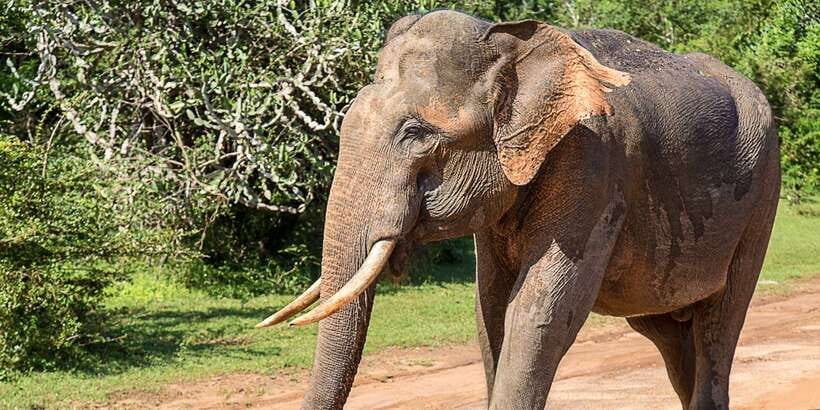
Udawalawe National Park is one of those places where the scenery is part of the story. You’re not just traveling to a landmark—you’re going to a working animal sanctuary shaped by human engineering. Udawalawe was created in the 1970s as a refuge for wild animals displaced when the Udawalawe Reservoir was built on the Walawe River, and that background makes the whole day feel more meaningful.
What you get is a full “wildlife morning, practical lunch, and conservation stop” rhythm. I like that because it keeps expectations realistic. You’ll spend your best daylight hours in the park searching for animals, then you shift into the Elephant Transit Home to understand what happens when calves need a second chance.
This is also a strong choice if you want wildlife without the stress of driving yourself. With hotel pickup and drop-off, you’re mostly off-duty for the long route from Colombo.
You can also read our reviews of more tours and experiences in Colombo
The Long Drive South: Comfort, Timing, and Sanity
The tour runs about 12 hours total, starting with morning pickup from your hotel or location in Colombo. Then you ride to Udawalawe—roughly a 4-hour drive one way—so yes, it’s a long day. But the way it’s built can work in your favor.
You’ll be in an air-conditioned private vehicle, and that matters in Sri Lanka’s heat, especially when you’re leaving early. Private transport also means you’re not stuck waiting on a dozen hotel lobbies before you can go. You still want to be mentally ready for the drive, though: the day is structured so the park safari is where your time concentrates.
One practical detail I’d bring up from guide-driver experiences: pay attention to how the driver handles your requests and timing. In the accounts I saw, drivers like Mara were willing to make time for small needs (like a stop for medication), and that’s the kind of flexibility you’ll appreciate when you’re doing a full-day trip with a long road segment.
Jeep Safari in Udawalawe: What You’re Really Chasing
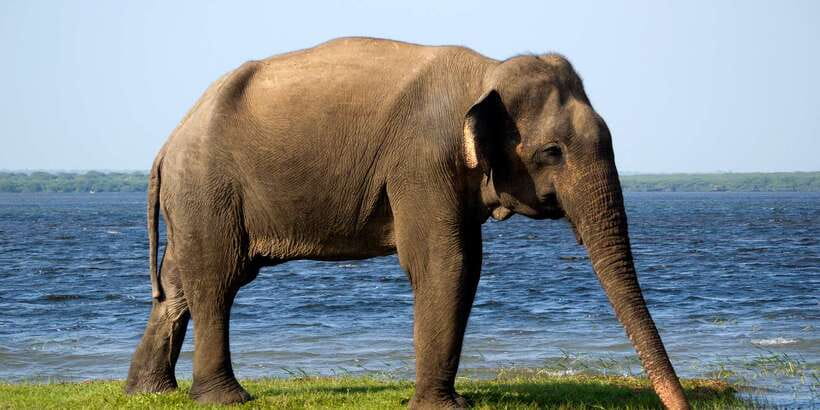
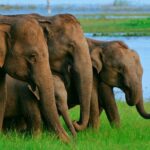
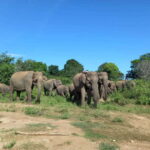
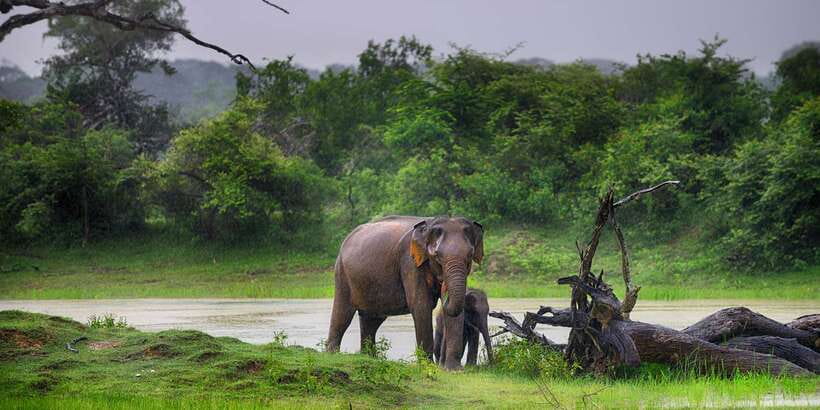
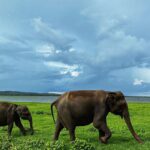
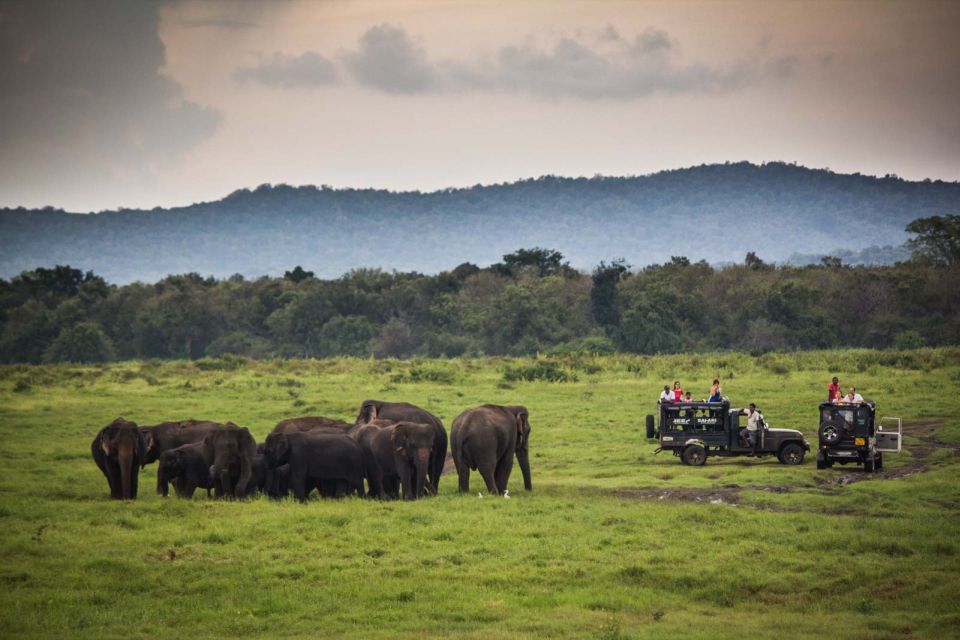
The heart of the day is the safari drive by jeep inside Udawalawe National Park. This is where the conservation story turns into real, moving life. Udawalawe is known for its thriving elephant population, and the safari setup is designed to give you repeated chances to spot them as they move through the habitat.
Here’s what I’d plan to do during the safari: stay alert, keep your eyes on the terrain edges (not only the open grass), and listen to your guide’s cues. A good guide helps you “read” the landscape. In the experiences I reviewed, guides like Koshala and others were praised for being organized and for pointing out what the park contains—not just elephants.
During the safari, you’ll also be on the lookout for other indigenous wildlife such as:
- buffalo
- wild boar
- sambhur
- hare
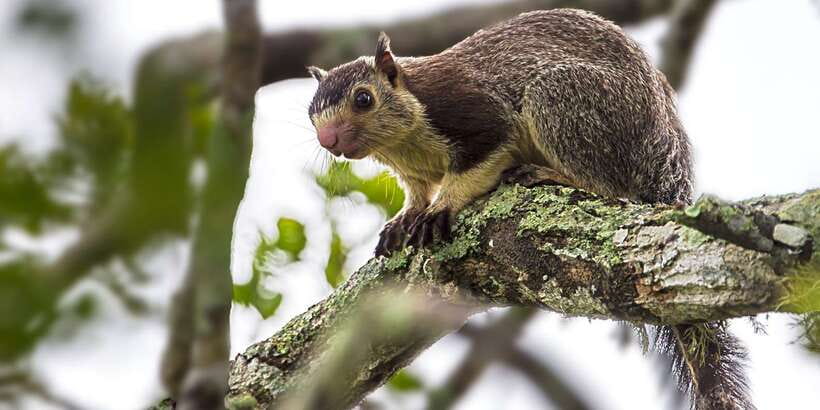
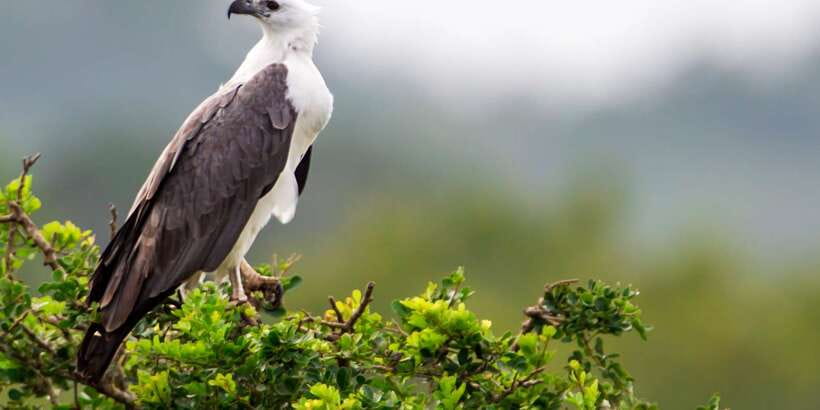
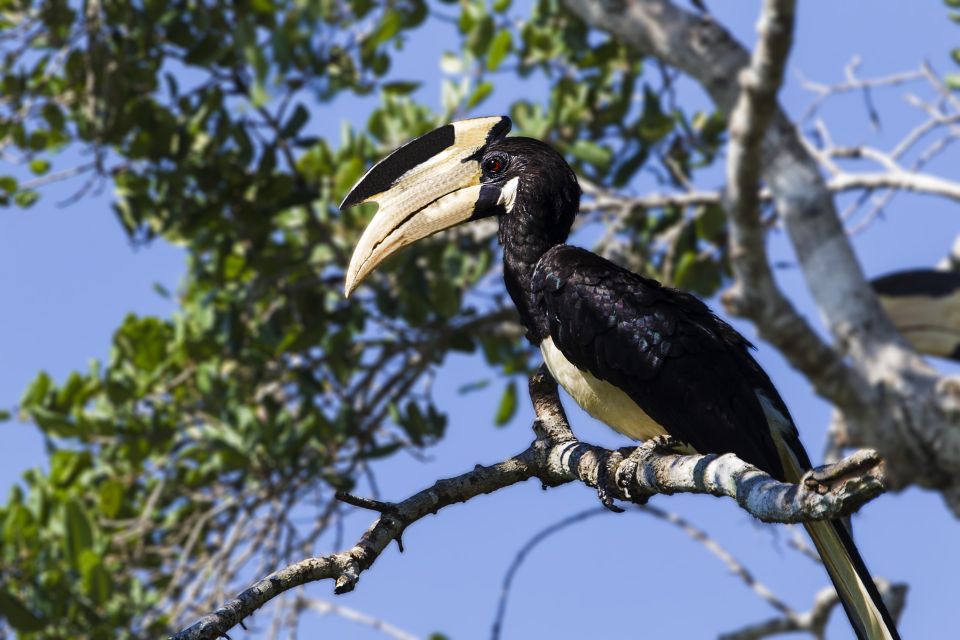
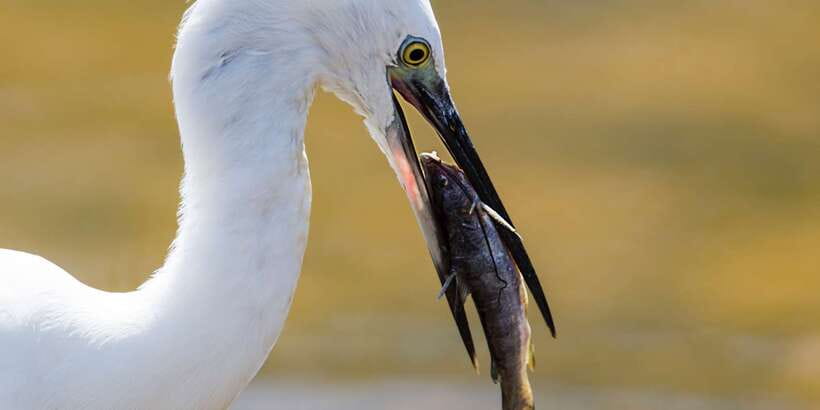
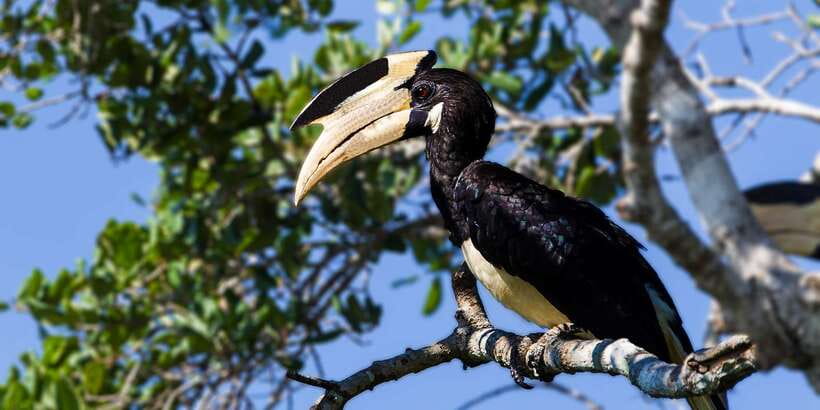
And there’s also a good chance of crocodiles and a lot of bird species in the park area. The park is also an important nature reserve for 50 species of butterflies and many kinds of birds, so even when elephants aren’t in view, the guide can still keep the experience interesting by switching your attention to what’s active.
The elephant expectation: managed, not guaranteed
Even with a great guide, wildlife sightings depend on where animals are that day. I like Udawalawe because elephants are a strong possibility, but you should still treat it as a search mission. The value comes from being out there, not from the fantasy that every turn brings a guaranteed herd.
More Wildlife Than You Think: Birds, Crocs, and Wild Timing
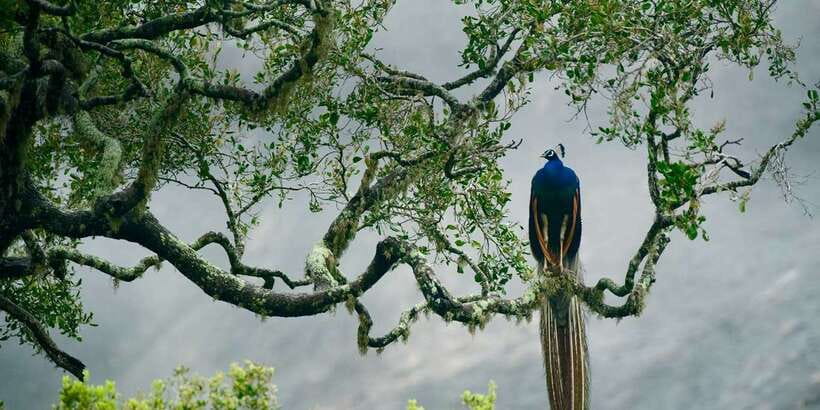
Udawalawe isn’t only a one-animal park. Part of the appeal is the mix, and it changes how you experience the day. If elephants are the headline, birds and other mammals are the supporting cast that keeps your attention sharp.
Because the park is recognized for diverse wildlife and butterflies, I recommend not zoning out when you don’t see an elephant right away. This is the kind of place where a guide can redirect your focus—maybe to bird behavior, maybe to the signs of animals moving at water points, or maybe to less-obvious species like the hare or wild boar.
Crocodiles are mentioned as part of the likely wildlife you could spot, which is a big reason the safari feels different from a simple viewing drive. You’re looking for movement and presence across different micro-habitats, not only the obvious big animals.
And here’s a small mental trick that works on safaris: don’t wait for the perfect photo moment. Watch how long the animal stays in one area, how it reacts to the jeep, and where it moves next. Your guide’s local knowledge helps you interpret those small moments.
Lunch in Udawalawe: Good Fuel, But Watch the Cost
After the park safari, you’ll enjoy lunch at a local hotel in Udawalawe. This is where I want to be blunt: lunch can be a weak spot for value.
In one experience I looked at closely, the lunch was described as a bit of a rip-off, especially because there weren’t many other easy options and the hotel situation gave them pricing leverage. The tour doesn’t include food and drinks, so you’re paying out of pocket here either way.
That doesn’t mean lunch is bad. It just means you should budget for it, and don’t assume it will be cheap. If you’re watching your spend, consider bringing water and keeping expectations realistic. You’ll get a break and recharge so you can enjoy the next stop properly.
Elephant Transit Home (ETC): Why the Baby-Elephant Stop Matters
Then comes the Elephant Transit Home. If you care about animals in Sri Lanka beyond the thrill of spotting them, this stop changes the tone of the day.
The big point: you can see baby elephants at the ETC. In the experiences I reviewed, this was highlighted as a special moment—seeing calves and understanding that the facility plays a role in elephant rescue and rehabilitation. One person also called out the baby elephants specifically, which matches why ETC works so well right after a safari: you’ve just watched elephants in the wild, and now you see the human side of wildlife care.
A plus here is that you’re not only there for photos. The setting creates context. Even if you’re not an expert, you’ll likely leave with a better sense of why conservation efforts need both the habitat and the rescue work.
Some tours also note elephant feeding as part of the transit home experience, and that can be genuinely interesting to watch. That said, feeding practices and schedules can vary, so keep your expectations flexible and let the staff timing guide the moment.
Price and Logistics: Is $128 Good Value?
At about $128 per person, this tour sits in a mid-range zone for a full-day safari from Colombo. But here’s how to judge the value correctly: you’re paying for transportation, a guided safari drive, and pickup/drop-off—not for park fees or meals.
What’s included:
- hotel pickup and drop-off
- air-conditioned private vehicle
- highway toll fees
- jeep safari drive
There’s also a live English guide, and the tour is set up as a private group.
What’s not included:
- entrance fees to Udawalawe National Park and the Elephant Transit Home
- food and drinks
Once you factor in those extra fees and your lunch, the day costs more than the headline number. The question is whether the included parts are worth it for you.
For me, the value works best if:
- you’d rather pay for a guide than manage logistics yourself
- you want a structured full-day experience with transport handled
- you care about both the park safari and the ETC stop
If your budget is tight, the add-on fees can sting, especially since you’re doing two paid entries.
Also remember: a long day means you’re spending time out of Colombo. If you’re the type who hates road time, this might feel like too much. But if you can handle a morning departure and enjoy wildlife time, the price starts to feel fair.
Who This Tour Fits Best (and Who Should Skip It)
This is a strong match for:
- couples and friends who want a private-group feel
- wildlife lovers who enjoy being guided (not just dropped off)
- people who want elephants plus broader natural-world spotting like birds and butterflies
- travelers who like conservation context as part of the itinerary
It may not be the best match for:
- budget travelers who don’t want to pay additional entrance fees and lunch out of pocket
- anyone who gets cranky about long drive days
- visitors who only care about elephants and would be unhappy if animals are spread out during the safari
If you’re on the fence, think about your goal. If you want a guided, low-effort way to see Udawalawe and understand ETC, you’ll likely appreciate the structure.
Practical Tips to Make the Day Go Smoothly
A few things to keep in mind so you get the most from the safari and transit home timing:
- Bring a light layer if you’re sensitive to air-conditioning on the drive back.
- Wear shoes you can walk in comfortably—especially around the transit home area.
- Keep your phone charged, but also keep your eyes up. A guide’s explanations add value even when you’re not taking pictures.
- Expect lunch to be a separate expense. Plan for it instead of hoping it’s included or low-cost.
- Use the guide’s expertise. If your guide is the type praised for organization and wildlife education (like Koshala or Pathum), ask quick questions and listen for where to focus during sightings.
Should You Book the Udawalawe Safari & Elephant Transit Home Tour?
I’d book this if you want a guided safari day that’s more than just the elephant headline. The best part is the combination: you get your wildlife search time in Udawalawe National Park, then you shift to the Elephant Transit Home to see baby elephants and the conservation side of what you’ve just observed.
I would hesitate only if you’re very price-sensitive, because park and ETC entrance fees plus lunch (not included) will raise the final total. And if you hate long drives, this is a full-day commitment.
Overall, for many visitors, the tour’s value comes from doing it the easy way—private transport from Colombo, a guided jeep safari, and a conservation stop that adds meaning to the animal sightings.
FAQ
What’s the total duration of the tour?
The tour runs for about 12 hours, including the drive time from Colombo and time in Udawalawe.
Do I get hotel pickup and drop-off in Colombo?
Yes. The tour includes hotel pickup and drop-off.
Is the jeep safari included?
Yes. A safari drive by jeep is included.
What language is the live guide?
The live tour guide is English.
Are park and Elephant Transit Home entrance fees included?
No. Entrance fees to Udawalawe National Park and the Elephant Transit Home are not included.
Is lunch included in the price?
Lunch isn’t included. You’ll have lunch at a local hotel in Udawalawe at your own expense.
What wildlife can I expect to look for during the safari?
You’re likely to look for elephants and other indigenous wildlife such as buffalo, wild boar, sambhur, and hare, plus crocodiles and different species of birds.
What transportation do I use from Colombo?
You travel by air-conditioned private vehicle, with highway toll fees included.
Who operates the tour?
The experience provider is Shehan Safari Jeep Tours.
Is there free cancellation?
Yes. You can cancel up to 24 hours in advance for a full refund.