REVIEW · COLOMBO TUK-TUK CITY TOURS
Fun and Scenic Negombo Tour by Tuk Tuk
Book on Viator →Operated by Capital Tour By Tuk Tuk · Bookable on Viator
Negombo starts to make sense fast. This fun and scenic tour strings together water, forts, markets, and multi-faith sights in about four hours, with an easy tuk-tuk or scooter ride. You get built-in comfort like cold water and an umbrella, and the route is perfect if you want a smart first look at this port city.
I especially like the chance to see the Negombo Fish Market right on the beach, plus the mix of major religious landmarks in one loop. The guide keeps things lively and practical, and the attentive driver helps you move through the streets without stress. One thing to plan for: there are a couple of small extra costs (like the Buddhist temple fee and an optional boat add-on), and temple visits can be more comfortable if you dress modestly even though sarongs may be provided.
In This Review
- Key things that make this Negombo tour worth it
- Why Negombo fits a tuk-tuk loop so well
- The 4-hour format: seeing a lot without feeling rushed
- Negombo Lagoon: a calm start at the city’s water edge
- Dutch Fort area: seeing Portuguese and Dutch layers in one place
- Negombo Fish Market: beachfront seafood energy
- St. Mary’s Church and Little Rome: why so many churches exist here
- Sri Muthu Mari Amman Temple: the Hindu side of Negombo
- Angurukaramulla Temple and the multi-faith contrast
- Negombo Beach: airport-close sea air and fishing-town streets
- Hamilton Canal (Dutch Canal): British-era engineering through the city
- Price and value: what you really get for $25
- Temple-day tips that keep things smooth
- Weather and timing: when the tour works best
- Who should book this Negombo tuk-tuk tour
- Should you book Fun and Scenic Negombo Tour by Tuk Tuk?
- FAQ
- How long is the Fun and Scenic Negombo Tour by Tuk Tuk?
- How much does the tour cost?
- Does the tour include pickup?
- What’s included in the price?
- Are any entry tickets included?
- Is the boat trip included?
- Are lunch and ice cream included?
- What if the weather is bad?
- FAQ
- Is this a private tour?
- Is it okay for most travelers?
- What’s the cancellation policy?
Key things that make this Negombo tour worth it
- Custom tuk-tuk or scooter ride with stereo, umbrella, cold water, and snacks to keep you comfortable
- Fish market on the beach, where daily life is happening around the boats and nets
- Dutch Fort stop with admission included, a strong anchor point for understanding Negombo’s layered past
- Multi-faith route across church, Hindu/Mariaman, and temple sites (plus a Catholic-heavy identity in the background)
- Short, focused stops that fit well if you’re short on time near the airport
Why Negombo fits a tuk-tuk loop so well
Negombo is one of those places where you can feel the city’s history just by looking at what’s close together: a working waterfront, old fortifications, and church and temple neighborhoods side by side. This tour’s layout makes it easy to get your bearings without wasting hours on slow travel.
The big practical win is the ride itself. A custom tuk-tuk or scooter with stereo keeps the mood up, and the umbrella plus cold water means you can focus on sightseeing instead of heat and thirst. And because it’s a private tour, your group moves as one unit, not as a big bus herd.
You can also read our reviews of more tours and experiences in Negombo.


The 4-hour format: seeing a lot without feeling rushed
At about four hours, this tour works best as a “get oriented” day. It’s long enough to cover several meaningful stops, but short enough that you still have time afterward to wander the beach streets, grab lunch, or simply relax after the drive from Colombo or the airport area.
The rhythm is also useful. You’re not stuck in one long museum-style block. Instead, you hop between spots like the lagoon, a fort complex, the fish market, and churches/temples—so your attention stays fresh. If you prefer a more story-heavy pace, you might want to ask your guide follow-up questions during the ride, because the stops stay fairly action-focused.
Negombo Lagoon: a calm start at the city’s water edge
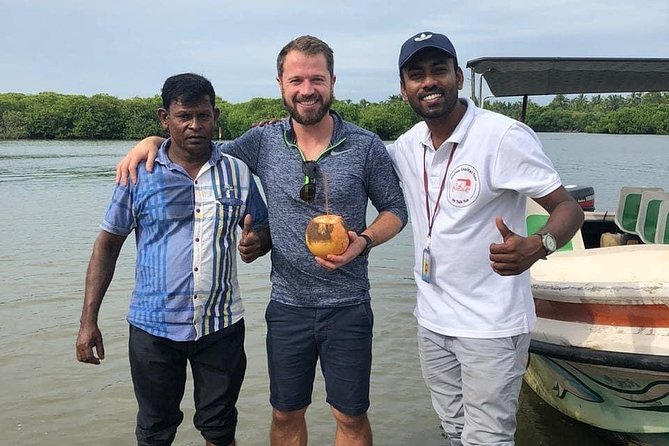
The tour begins with Negombo Lagoon, a large estuarine lagoon fed by smaller rivers and a canal, and linked to the sea through a narrow channel. Even if you’re not taking a full boat trip, the lagoon setting helps you understand why Negombo developed as a trading and fishing hub.
I like this first stop because it sets the tone. You go from the motion of streets to the slower feel of water and shorelines, and that makes the later stops—the fort and the beach—hit harder. The admission ticket isn’t included here, so if you do choose a lagoon boat add-on, that’s something to factor into your total cost.
Dutch Fort area: seeing Portuguese and Dutch layers in one place
Next comes the Dutch Fort stop, where admission is included. The fort site is closely tied to European defense of the Colombo region, and the fort story connects to Portuguese fortification as well as later Dutch control. What makes it memorable is that you’re not looking at “just ruins.” The fort remnants are used as a prison, so the place feels real and current, not purely historical backdrop.
This is also one of those stops where a little interpretation pays off. Standing there, you can imagine why a waterfront city needed fortifications, especially when sea routes and trade mattered. If you enjoy architecture or want to understand why forts often cluster around channels and coastlines, this is the moment to ask the guide what changed over time.
Negombo Fish Market: beachfront seafood energy
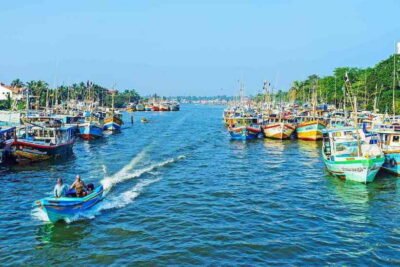
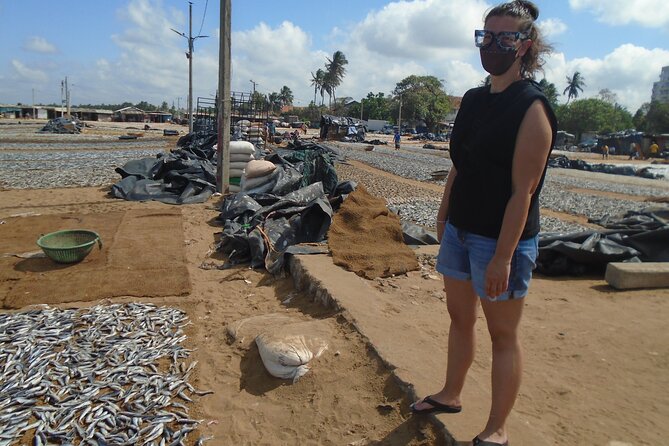
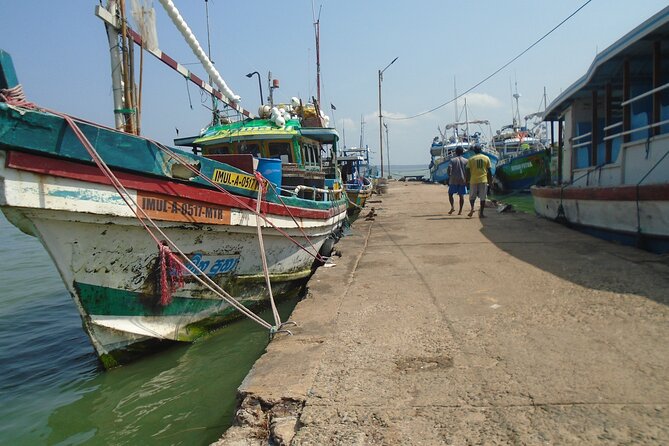
The Negombo Fish Market is the stop most people remember, and it’s easy to see why. It happens right on the beach with fresh fish landing from fishing boats. You’ll likely catch fishermen untangling nets and working through the practical rhythm of the day, often with kids nearby as part of the scene.
This isn’t a museum stop. It’s a working space. That makes it fun, but it also means you’ll want to be respectful with your photos and walking. If you’re sensitive to crowds, go slowly and keep your pace steady—there’s a lot happening close together.


St. Mary’s Church and Little Rome: why so many churches exist here

After the market, the tour turns into a “faith tour” in the best way: not abstract, but visible on the ground. St. Mary’s Church reflects how Christian influence arrived early, including from Portuguese occupation, and that’s one reason Negombo is nicknamed Little Rome for its heavy concentration of churches.
I like how this stop works because it pairs naturally with what you saw at the fort and market. A city doesn’t just have trade; it also develops institutions—churches and community spaces—that shape daily life long after the original power players are gone. If you enjoy travel photography, the mix of religious architecture and street activity can give you some great contrast shots.
Sri Muthu Mari Amman Temple: the Hindu side of Negombo
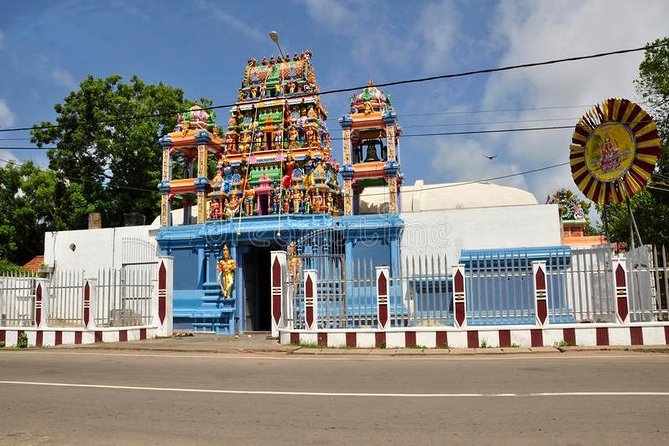
Next up is Sri Muthu Mari Amman Temple, a Mariamman temple with roots in Dravidian-style traditions. This stop adds another layer to the city’s identity, showing that Negombo’s religious character isn’t one-note.
The practical detail here: temple spaces often mean modest dress and careful entry. A helpful touch on this tour is that sarongs may be provided for religious visits. I’d still pack a plan for comfort—like something you can adjust quickly—because it’s easier to relax when you’re not thinking about what you can safely wear.
Angurukaramulla Temple and the multi-faith contrast
The route also includes Angurukaramulla Temple for a short visit (and this is one of the small extras). Admission for the Buddhist temple isn’t included, and there’s a stated fee of $3.00 per person.
This is where Negombo’s “Little Rome” reputation meets a broader reality. With over 90% of Negombo’s population listed as Catholic and dozens of churches and shrines within the municipality, it’s tempting to treat the city as purely Christian. This stop reminds you there’s more going on. The contrast can feel meaningful—especially after seeing the fish market and church.
Negombo Beach: airport-close sea air and fishing-town streets
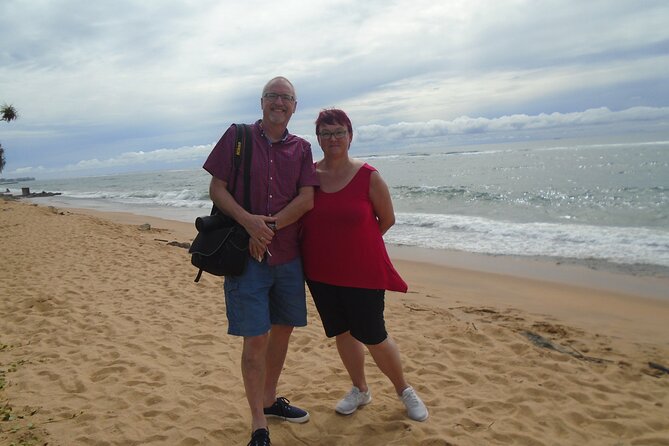
Then you’re at Negombo Beach, about six kilometers from the international airport. That closeness is part of the charm: the beach and the town’s everyday life sit near major travel routes. The area is described as a predominantly Christian fishing town, with narrow streets and small boutiques that reflect local life rather than a polished tourist strip.
I recommend treating this stop as your reset moment. Stretch your legs, soak in sea air, and decide whether you want to linger on your own afterward. If you only have limited time in Sri Lanka and want to end your trip near the airport, Negombo Beach is a sensible place to spend the last hour you have.
Hamilton Canal (Dutch Canal): British-era engineering through the city
One more useful piece of context comes from the Hamilton Canal, also commonly called the Dutch Canal. It’s a 14.5 km canal connecting Puttalam to Colombo and passing through Negombo, built by the British in 1802.
Even if you’re not getting out for a long walk, seeing the canal helps you connect the dots between water routes, trade, and how the city functions. It also turns the tour from a set of photo stops into a more coherent picture: waterways shaped the settlement, and forts followed those routes to protect movement and commerce.
Price and value: what you really get for $25
At $25 per person for about four hours, this tour can be great value if you want transportation plus multiple entry fees bundled in. Your cost includes the tuk-tuk or scooter ride, cold water bottles, stereo, and an umbrella, plus snacks. Several key admissions are also included: the Dutch Fort and the fish market, along with entry for St. Mary’s Church and Sri Muthu Mari Amman Temple.
The main costs to watch are the add-ons and meals. Lunch and ice cream are explicitly own cost, and the tour notes an optional boat plan where boat chargers are listed as extra ($35 per booking). You’ll also likely pay the Buddhist temple admission fee of $3 per person for Angurukaramulla.
So here’s the practical way to think about value: if you’re the kind of traveler who would otherwise spend money just for a driver and separate tickets, this route can save effort. If you’re hoping for a strictly budget day with zero extras, the small temple and boat costs may annoy you.
Temple-day tips that keep things smooth
This tour mixes churches and temples, so preparation matters more than usual. Even with sarongs potentially provided, it’s smart to come ready for quick changes and respectful entry. If you’re visiting early or in warm weather, wear light clothing that still covers what temples expect.
Also, bring a little patience for how busy some areas can be. The fish market is a working beach space, and religious sites can have their own rhythms. The best strategy is simple: slow down, step aside when people pass, and let your guide do the talking when needed.
Weather and timing: when the tour works best
This experience requires good weather. If conditions are poor, you’re offered a different date or a full refund, which is a relief if you’re juggling a tight schedule.
Because Negombo is close to the airport and Colombo, it can fit into a first day or a last day plan. If you’re starting or ending a Sri Lanka trip, you’ll often find this kind of half-day loop is more satisfying than trying to build your own route on short notice.
Who should book this Negombo tuk-tuk tour
This tour suits you if you want:
- A fun, active introduction to Negombo in about four hours
- A route that covers market life plus forts plus multi-faith sites
- Private-group comfort with pickup offered and a mobile ticket
It may not be the best choice if:
- You want long, deep guided lectures at every stop (the pacing stays fairly punchy)
- You strongly prefer tours with no extra admission fees at all
Should you book Fun and Scenic Negombo Tour by Tuk Tuk?
If you’re in Negombo for a short time and want a day that feels organized but not stiff, I’d book it. The combination of the beachfront fish market, a fort stop with included admission, and the multi-faith mix in one ride makes it an efficient way to understand this city.
Just go in with clear expectations about what’s extra: lunch and ice cream are on you, a lagoon boat add-on can cost more, and the Buddhist temple fee is separate. If you’re okay with those realities, you’ll likely enjoy a smooth, energetic loop that helps Negombo click fast.
FAQ
How long is the Fun and Scenic Negombo Tour by Tuk Tuk?
The tour lasts about 4 hours.
How much does the tour cost?
It costs $25.00 per person.
Does the tour include pickup?
Pickup is offered.
What’s included in the price?
Included items are cold water bottles, stereo, and an umbrella.
Are any entry tickets included?
Yes. Admission tickets are included for stops such as the Dutch Fort, Negombo Fish Market, St. Mary’s Church, and Sri Muthu Mari Amman Temple. Admission for Angurukaramulla Temple is not included.
Is the boat trip included?
An optional boat trip on the lagoon is mentioned, and boat chargers are listed as extra at $35.00 per booking.
Are lunch and ice cream included?
Lunch and ice cream are not included; they are own cost.
What if the weather is bad?
The experience requires good weather. If it’s canceled due to poor weather, you’ll be offered a different date or a full refund.
FAQ
Is this a private tour?
Yes. It’s private, and only your group will participate.
Is it okay for most travelers?
Most travelers can participate.
What’s the cancellation policy?
You can cancel for free up to 24 hours in advance for a full refund. If you cancel less than 24 hours before the start time, the amount paid won’t be refunded.