REVIEW · CITY TOURS
Half Day City Tour of Colombo
Book on Viator →Operated by Apple Vacations Pvt Ltd · Bookable on Viator
Colombo in one afternoon works. This half-day city loop blends major religious sights with quick stops in the city’s most recognizable neighborhoods, so you can see a lot without losing the whole day to traffic. It also includes hotel pickup and drop-off, plus a comfortable ride by air-conditioned vehicle.
I especially liked two things: the hotel pickup/drop-off (huge time saver in Colombo), and the way the tour mixes landmark architecture with everyday city life—from Gangaramaya Temple to Pettah’s religious buildings and markets. You also get practical refreshment hits like king coconut and seasonal fruit, which feels smart in Sri Lanka’s heat.
One thing to keep in mind: most temple and museum entrances are not included, and you’ll also need to follow temple dress rules and shoe rules. In a couple cases, entry can be limited by conditions at the site, so if you’re hoping for a specific interior viewing, budget a little extra flexibility.
In This Review
- Key highlights to know before you go
- How this 3–4 hour Colombo route fits your time
- Hotel pickup, AC comfort, and the little extras that matter
- Gangaramaya Temple: ornate Buddhism and the reality of temple rules
- Jami Ul-Alfar Mosque: a quick photo stop with standout design
- Viharamahadevi Park and Independence Square: shade, strolling, and easy people-watching
- Pettah’s streets: religion, markets, and the feel of old Colombo
- BMICH and Nelum Pokuna: convention Colombo meets art purchases
- Lighthouse Gallery: a colonial-era tower with a very practical past
- National Museum of Colombo: plan for entrance fees and use the time well
- Temple of Sri Kailawasanathan Swami Devasthanam Kovil: a longer look at painted detail
- Price and value: why $30 can work (and where costs can sneak in)
- What kind of guide experience you should expect
- Who this tour suits best in Colombo
- Should you book this Half Day City Tour of Colombo?
- FAQ
- How long is the Half Day City Tour of Colombo?
- Do I get hotel pickup and drop-off?
- What’s included in the tour price?
- Are entrance fees included for attractions?
- What should I wear for temple visits?
- What group size should I expect?
Key highlights to know before you go
- Small-group cap (up to 15) keeps this from feeling like cattle herding.
- Comfort-first logistics: air-conditioned vehicle, hotel pickup/drop-off, and a professional English-speaking driver.
- Temples and faiths in one route: Gangaramaya Temple, Jami Ul-Alfar Mosque, and multiple Hindu and Buddhist sites.
- Coastal and park time: a break at Galle Face Green / coastal area feel, plus time in Viharamahadevi Park.
- Real Colombo shopping street energy at Nelum Pokuna for local art purchases.
- Plan for entrance fees since admission is listed as not included for sights.
How this 3–4 hour Colombo route fits your time
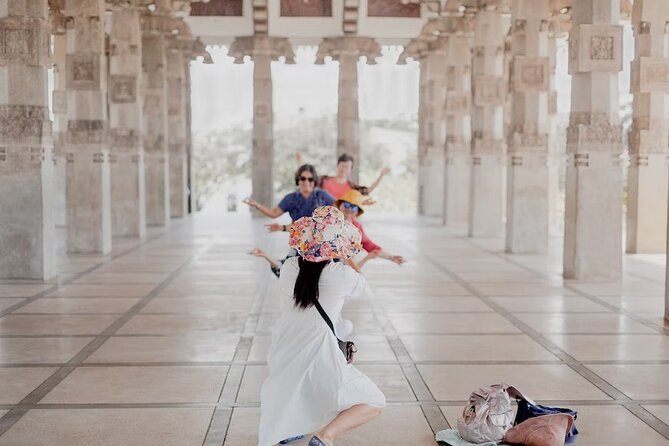
This is built for people who want a clean hit of Colombo’s highlights without turning it into a whole-day project. Expect about 3 to 4 hours, and the exact flow depends on the time of day and traffic. That timing matters, because Colombo’s driving can slow you down—so the value here is that the tour is structured to keep you moving.
The pacing is also part of the deal. You’ll have short, focused photo and sightseeing stops, then a few longer moments at places where you’d want to look around—like the temple sites and parks. If you enjoy walking a bit and you’re okay with “see it, appreciate it, move on,” you’ll likely enjoy this format.
You can also read our reviews of more city tours in Colombo

Hotel pickup, AC comfort, and the little extras that matter
You’ll be collected from your hotel and taken around by air-conditioned private vehicle. That’s not a small detail: Colombo gets hot, and you don’t want your sightseeing ruined by sitting in open-air traffic.
The tour includes a professional English-speaking driver, plus on-board refreshment like water, seasonal fruits, and king coconut. Those items sound simple, but they’re exactly what helps on a short city tour. You still need to pace yourself, but having that cooling start means fewer energy crashes mid-afternoon.
There are also clear in-vehicle conduct rules—no littering or smoking—so the ride tends to feel orderly. And because the maximum group size is 15, you’re less likely to be trapped in a crowded bus situation.
Gangaramaya Temple: ornate Buddhism and the reality of temple rules
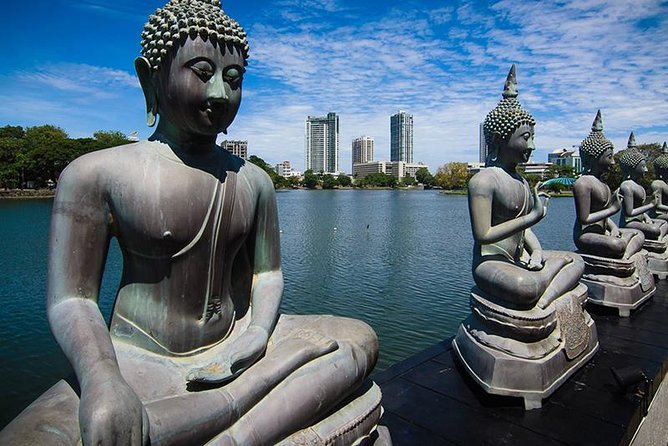
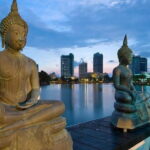
Gangaramaya Temple is the first major stop and one of the places where you’ll slow down a bit—about 45 minutes. The setting is known for its lavish architecture and a collection of statues that reflect Sri Lankan Buddhism, plus influences from elsewhere in Asia. It’s the kind of site where you’ll want time to look upward and sideways, not just straight ahead.
Budget note: admission isn’t included. Also, follow the temple entry guidance closely. You’ll be expected to dress respectfully—covering shoulders and knees—and you must remove shoes when required. Even when the timing is short, doing the basics right (proper clothing, shoes off when asked) is what keeps the experience smooth.
A practical caution from real-world experience: sometimes people run into restrictions about entry depending on conditions at the temple. So if temple interior time is a top priority for you, keep your expectations flexible and use your time well for the parts you can access.
Jami Ul-Alfar Mosque: a quick photo stop with standout design
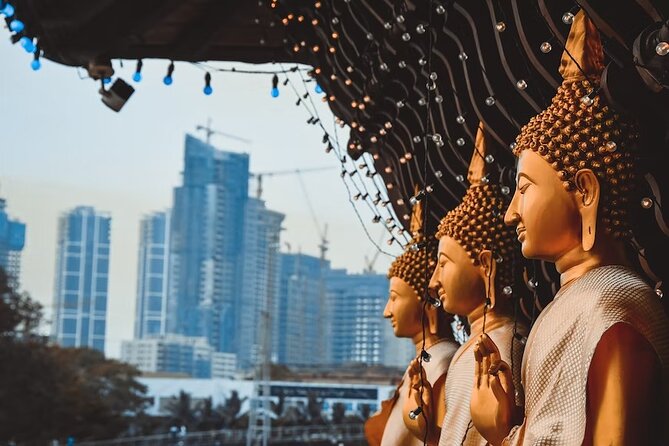
The Jami Ul-Alfar Mosque stop is shorter, around 10 minutes, but it’s built for a specific payoff. Architecture here is described as Indo-Saracenic, including pomegranate-shaped domes, and the details on the brickwork are what grab your attention—each brick is painted red or white, arranged in contrasting patterns.
This is also a free admission stop, and it’s marked as a photo stop. The reason that matters is simple: don’t come here expecting a long, guided talk. Come ready to look carefully, snap photos, and move on when your group shifts.
Viharamahadevi Park and Independence Square: shade, strolling, and easy people-watching
Then you get a breather in the form of Viharamahadevi Park (listed as Victoria Park). It’s described as the largest, oldest, and most colorful park in the city center—good for shady walks, relaxing, and picnicking. Even if you don’t picnic, park time helps reset your pace on a half-day itinerary.
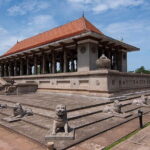
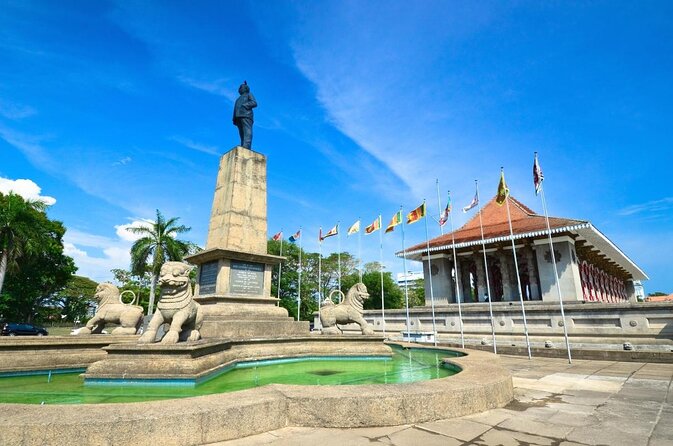
Next up is Independence Square, in the Cinnamon Gardens district. The stop is about 15 minutes, and it’s free to access. This is more about the setting and the memorial area than about long museum-style exploration. It’s a useful stop because it gives you a “city planning” viewpoint—how Colombo wants to represent independence and identity in a formal public space.
If you’re visiting in warmer hours, use the park wisely: water, slow walking, and plan your photos for when the light looks best.


Pettah’s streets: religion, markets, and the feel of old Colombo
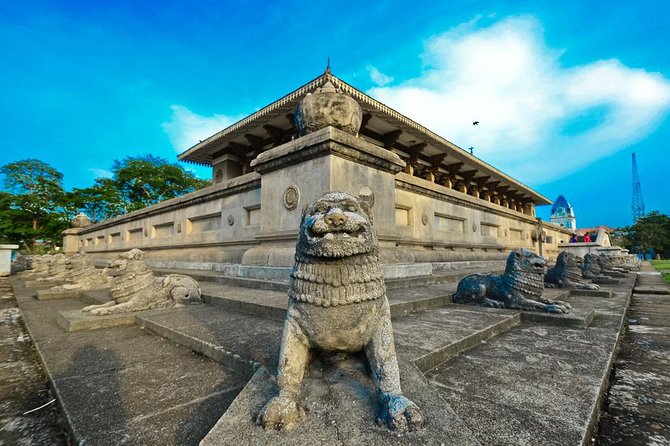
A big portion of what makes Colombo interesting is how quickly the city shifts from quiet landmarks into everyday bustle. The tour routes through Pettah, described as one of Colombo’s oldest and most ethnically mixed areas, where you’ll see large religious buildings alongside market stalls and practical daily life.
This is where you’ll get stops tied to the Fort-era core and key landmarks around the area. You may see or pass by religious monuments, including St Anthony’s Church, described as a monument of devotion to St. Anthony raised by people across social classes. You’ll also encounter a Hindu temple stop: Sri Ponnambala-waneswaram Temple, noted for Dravidian architecture, built of South Indian granite and dedicated to Shiva.
Two more context notes you’ll like as a first-time visitor:
- The old railway line started over 150 years ago under the British, and the coastal railway line creation in 1877 is tied to the city’s historical development.
- The tour also references the new building planned for secretariat and government offices, expected to replace an older British colonial-era building—so you see how Colombo balances heritage and modernization.
One caution: Pettah-style areas can mean more noise and more street movement. If you’re sensitive to crowds or prefer slow strolling, treat this portion as “look, photograph, move,” rather than expecting leisurely wandering with time to shop.
BMICH and Nelum Pokuna: convention Colombo meets art purchases
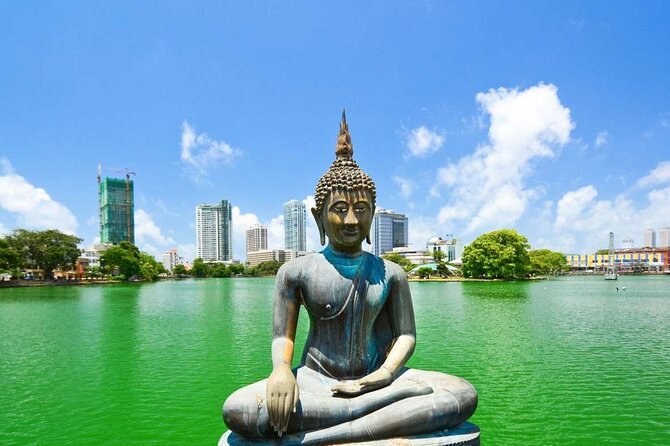
Next you hit BMICH—the Bandaranaike Memorial International Conference Hall. It’s described as a major convention center with a lot of indoor floor space, and the stop is around 10 minutes. This isn’t a place you linger like a museum, but it helps you understand Colombo’s role as a business and event hub, not just a beach-and-heritage stop.
Then you’re guided toward Nelum Pokuna street, an area known for artisans selling local art. The tour description focuses on Sri Lankans purchasing artwork for homes, hotels, offices, and as gifts, and it calls out artists contributing paintings that travelers can take home.
This is the kind of stop that works well if you want a realistic souvenir that feels connected to local life. If you’re not shopping, you can treat it as a quick look at Colombo’s creative economy and how art circulates through everyday commerce.
Lighthouse Gallery: a colonial-era tower with a very practical past
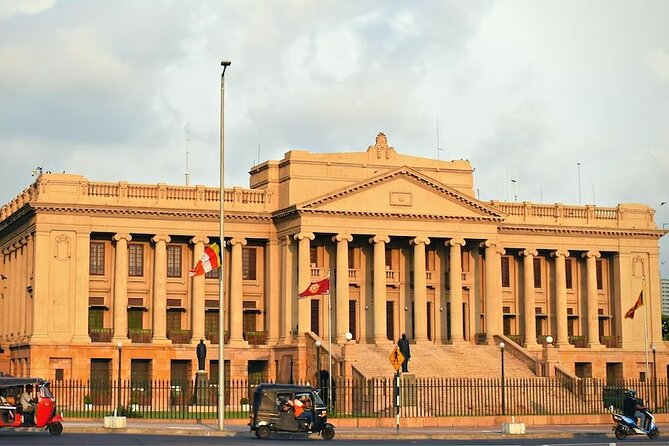
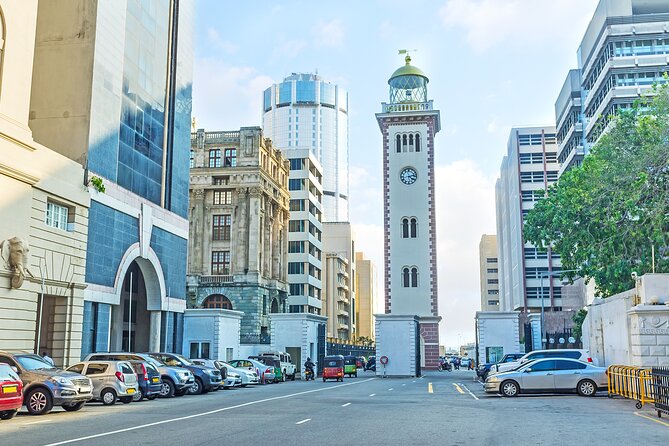
The tour includes Lighthouse Gallery, where you’ll see a lighthouse still operational from the colonial era. The description also notes the lighthouse was commissioned to help workers in the area be more punctual—an example of how infrastructure in colonial times was often tied to daily labor schedules.
There’s also mention of a tower built in the early 20th century by a Parsi family (from Bombay) named Khan. The four-story tower remains and sits around a landscaped roundabout, with a fountain attached.
This stop is typically about 10 minutes, so again: think of it as a photo-and-impression moment. The payoff is the “why is this here” context, which helps the scene feel less random and more like a piece of Colombo’s story.
National Museum of Colombo: plan for entrance fees and use the time well
The tour overview specifically includes the National Museum of Colombo. Admission to sights isn’t included, so this is one of the items you’ll want to budget for separately.
Because the museum stop time isn’t spelled out in the details you provided, the best strategy is to treat it as a targeted visit: focus on the exhibits that align with your interests (history, culture, or archaeology-style displays), then move efficiently within the timeframe. If you love museums, you can ask your driver/guide for practical pointers on what tends to be most worth your attention—just keep in mind the tour is short and the schedule is tight.
This museum stop is valuable because it gives context. Without it, Colombo can feel like a blur of temples and streets. With it, the architecture and neighborhoods start to click into a bigger picture.
Temple of Sri Kailawasanathan Swami Devasthanam Kovil: a longer look at painted detail
Another temple stop is Temple of Sri Kailawasanathan Swami Devasthanam Kovil, listed at about 30 minutes. The description emphasizes the beauty of the site, including elegant paintings of gods and goddesses.
This is also a “be ready to follow rules” situation. You’ll want respectful clothing, and you should expect shoes to be removed in Hindu temple areas when asked. Even if you’re not a deep-ritual traveler, the paintings and devotional artwork can be very compelling—especially because they’re designed to be seen up close.
If you want a more restful moment in the tour (as opposed to quick city passing), the extra time here is one of the reasons this itinerary works for many people.
Price and value: why $30 can work (and where costs can sneak in)
At $30 per person, this is positioned as a budget-friendly way to get structure, transport, and key stops in a short window. What you’re really paying for is the setup: hotel pickup/drop-off, AC vehicle time, and a driver who handles the route. The included extras—water, seasonal fruit, and king coconut—also reduce small out-of-pocket expenses on your day out.
The trade-off is that entrance fees are not included. The itinerary includes multiple sights, and at least some of them are noted as free (like Jami Ul-Alfar Mosque and Independence Square), but others like Gangaramaya and BMICH are listed as not included. So your total cost will depend on which entrances you pay for and how long you spend inside.
If you’re already planning on using paid transport or hiring a driver for a few hours, this tour can feel like good value. If you’re the kind of traveler who wants lots of paid museum time without extra fees, you may want to budget ahead.
What kind of guide experience you should expect
In the best versions of this tour, you get a friendly, well-mannered driver who offers real context and answers questions. Some guide reports include people praised for being helpful and for sharing city history around the stops.
Still, you should know that not every tour experience will match your hope for deep explanations. One review experience described a situation where a driver pointed out buildings but didn’t provide much historical explanation. Another issue involved entry not matching expectations at specific temples.
So my practical advice: treat this as a guided route with driving and commentary that may vary, not a lecture-style tour. If you care a lot about history or specific storytelling, ask questions early and keep them focused—where you can. And don’t wait until the last stop to ask what you really want to know.
Who this tour suits best in Colombo
This is a strong choice if:
- You’re in Colombo for a short stay and want an efficient overview.
- You want a mix of Buddhist, Hindu, and Islamic architecture in one afternoon.
- You prefer having a driver manage transport and timing.
This may feel less ideal if:
- You want long, museum-style time blocks with deep explanation at each stop.
- You need guaranteed accessibility to stairs or specific interior areas at temples (the tour involves walking and places that may have steps).
One more tip: comfortable walking shoes are recommended, and that’s right. Even when stops are short, you’ll still spend time moving around within busy areas.
Should you book this Half Day City Tour of Colombo?
I’d book it if you want a structured, efficient way to see major Colombo highlights without planning each turn. The combination of hotel pickup, AC comfort, and a route that mixes parks with temples and key city landmarks is exactly what a half-day tour should do.
I’d hesitate only if your priority is detailed museum guidance or guaranteed interior temple entry. In that case, message the provider before you go and ask what’s realistically included for your day and whether you can expect museum and temple entry at your scheduled times.
If you want, tell me your travel dates and whether you prefer more temples, more museums, or more street life—I can help you decide if this route fits your style.
FAQ
How long is the Half Day City Tour of Colombo?
It runs about 3 to 4 hours, depending on the time of day and traffic.
Do I get hotel pickup and drop-off?
Yes. Hotel pickup and drop-off are included, using an air-conditioned vehicle.
What’s included in the tour price?
The tour includes transport, an English-speaking driver, seasonal fruits, a water bottle, and a king coconut.
Are entrance fees included for attractions?
No. Entrance to sights is not included, though some stops are listed as free.
What should I wear for temple visits?
You should cover shoulders and knees, and dress appropriately for temple visits. When entering Hindu temple or Buddha temple areas, shoes and slippers must be removed.
What group size should I expect?
This tour has a maximum of 15 travelers.