REVIEW · CITY TOURS
Negombo: private half day city tour with hotel transfers
Book on GetYourGuide →Operated by Traveli Ceylon · Bookable on GetYourGuide
Negombo runs on everyday rituals. This private 3-hour tour is interesting because it mixes street-market life with the working fish-drying beach, all while a guide helps you make sense of what you’re seeing. I also love how the route includes real local spots rather than only postcard stops, but there’s one catch: the fish-drying area can be strongly smelly, and you’ll want to be ready for that.
With pickup from your Negombo hotel and an air-conditioned car, you get a low-stress way to cover ground. I especially like the way guides like Tharaka keep the pace easy, answer questions, and tailor what you focus on without turning the whole thing into a sprint.
In This Review
- Key highlights at a glance
- Why Negombo’s markets and canals work so well in just 3 hours
- Pickup and A/C comfort with a private guide in plain English
- Temple time: Abayasekararamaya first, then more sacred stops by the canal
- Bandulla Market and the Clock Tower: street-shopping you can actually watch
- Dutch Canal to Dutch Fort: temples, shrine views, and old sea defenses
- Fish market and dry-fish processing: the real Negombo smell (and why it matters)
- Fishermen’s Island by lagoon bridge and Our Lady of Good Voyage
- Mora Wala sea basin: a short, local-water pause before you head back
- Price and value: what $37 per person buys in real time
- Quick tips to make the most of your half-day
- Should you book this private Negombo city tour?
- FAQ
- How long is the Negombo private half-day city tour?
- What does the tour cost?
- Is hotel pickup included?
- What places are included on the tour?
- What’s included in the price?
- What should I bring for the tour?
Key highlights at a glance
- Bandulla Market food tasting that gives you a quick taste of daily life
- Walking the main shopping streets so you see how locals buy fruit, veg, and snacks
- Dutch canal + Dutch Fort area with temple stops along the way
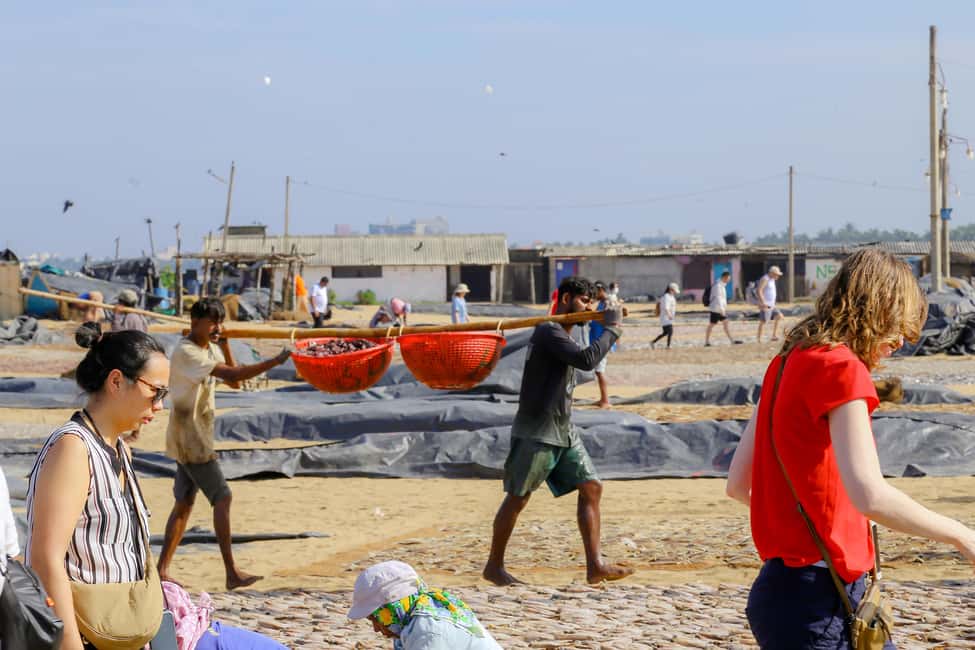
- Fish market and dry-fish processing by the beach, including the smell factor
- Lagoon bridge views to fishermen’s island for a more authentic angle on the boats
- Our Lady of Good Voyage church and Mora Wala for a calm end near the ocean
Why Negombo’s markets and canals work so well in just 3 hours
Negombo is one of those places where you can understand Sri Lanka fast—if you go beyond the typical check-the-box spots. This tour is built for that. You start in the town where people shop and snack, then you move toward the sea, canals, and working fisheries. In a short half day, you get a full sweep of daily rhythm: religion in the morning, markets at street level, and fishing work along the coast.
The best part for me is the mix. Temples and churches give you a quick look at how different communities share the same town. Then the fish market and dry-fish processing show you the other side of Negombo—practical, hands-on, and very real. If you’re short on time, this is a smart way to get your bearings fast before you explore on your own.
One practical note: you’ll do some walking in town and along sea areas. It’s not a long hike, but it is active enough that comfortable shoes matter.
You can also read our reviews of more city tours in Negombo
Pickup and A/C comfort with a private guide in plain English
You’re picked up from your hotel lobby in Negombo, which matters more than it sounds. In this part of Sri Lanka, starting on time and not spending your first hour hunting taxis is a huge win. You also travel in an air-conditioned car, so you’re not melting while you move between stops.
This is a private group tour, which usually means you can set the tone early: more questions, more time at one spot, or a slightly calmer pace. The guide’s English is live throughout, and the experience is structured so you’re not just dropped off to wander. You’re walking with context, like why the road splits here, what people are doing there, and how the different places connect.
From the way guides handle the timing, it feels designed for variety without rushing you. The pacing is especially helpful if you’re traveling solo or if you just don’t want to coordinate multiple stops yourself.
Temple time: Abayasekararamaya first, then more sacred stops by the canal
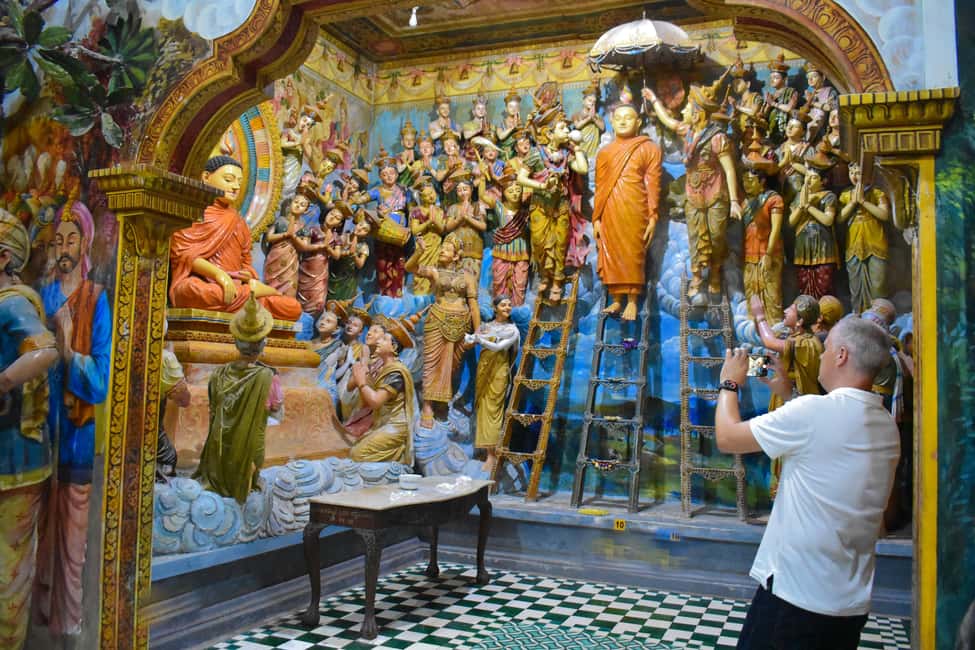
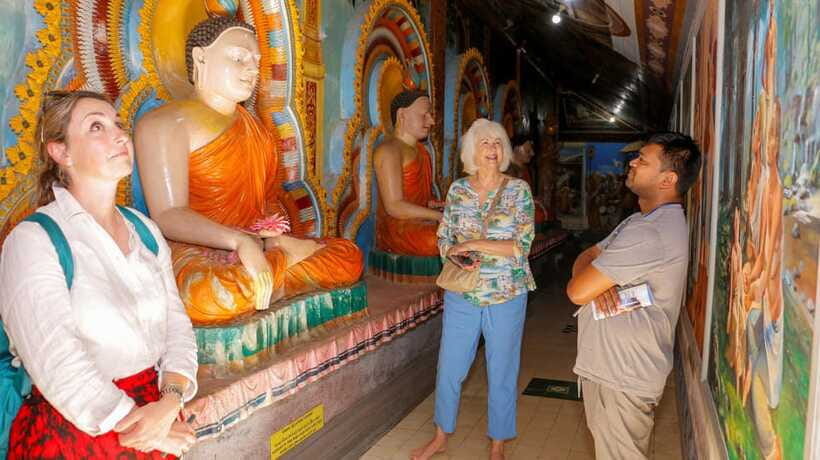
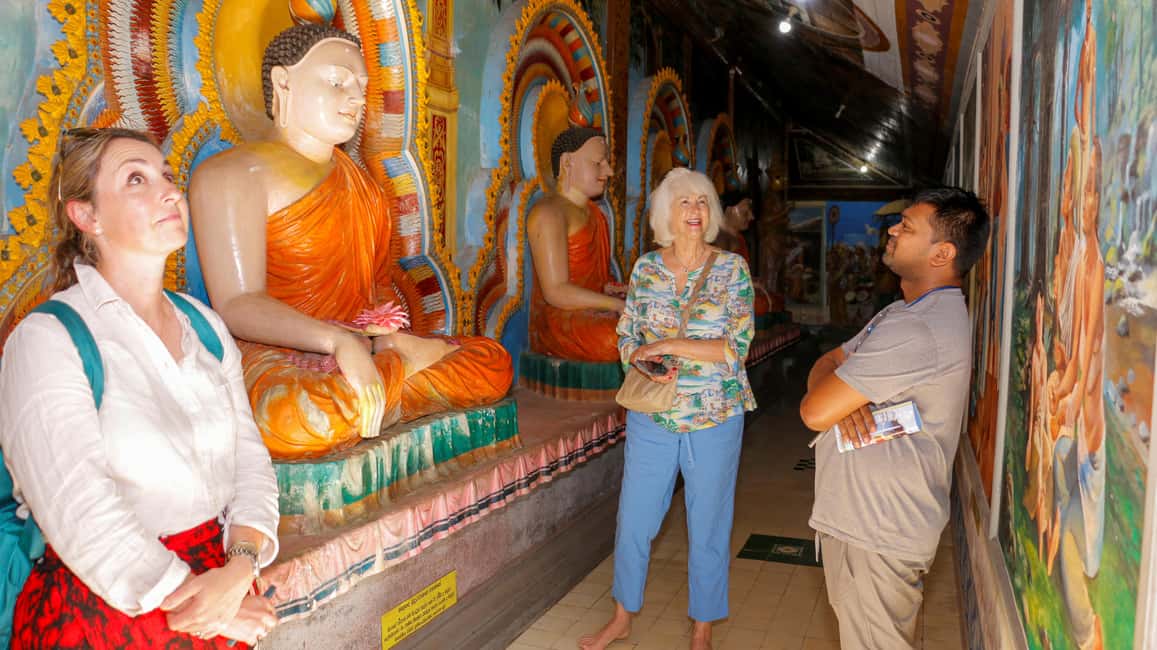
The tour begins with a Buddhist temple visit. You’ll stop at Abayasekararamaya Temple for a short visit/pass-by, which sets the cultural tone before you head into town. These first minutes are useful because they help you spot the little details you might miss later—like how people move through a sacred space, and how the town’s religious life is right there on the street.
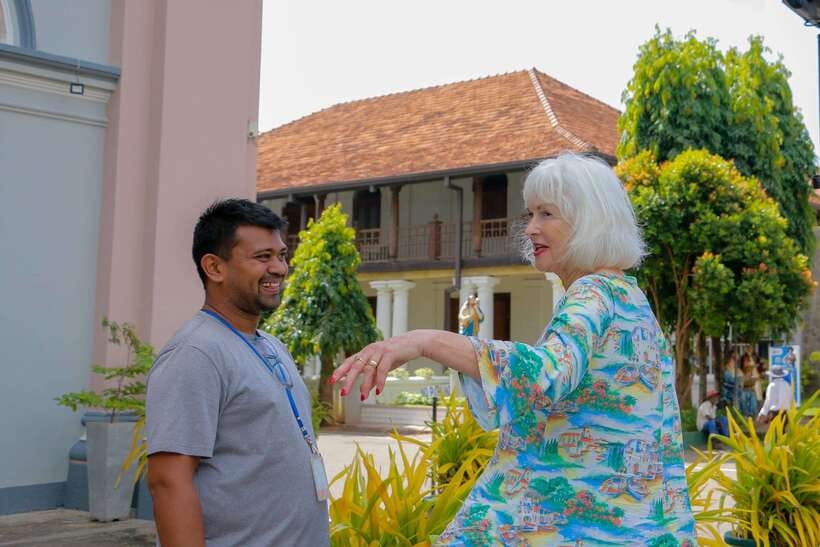
After that, the route keeps religion in the picture as you travel along the Dutch canal. You’ll also visit Sri Sitthi Vinayagar Temple (Hindu) and St. Mary’s Roman Catholic Shrine. Seeing these side-by-side is the point. Negombo is not one-note. You get more than a single style of worship; you see how different faiths live close together in the same coastal city.
Why it works on a half-day tour: sacred stops can become boring if they’re only photo stops. Here, they’re used like anchors. You visit, then you move on to daily life—markets and fishing—so the meaning doesn’t just sit there. It connects.
If you’re sensitive to crowds at religious sites, aim for a calm mindset and accept that you’re sharing space with local worshippers. That’s part of the value.
Bandulla Market and the Clock Tower: street-shopping you can actually watch
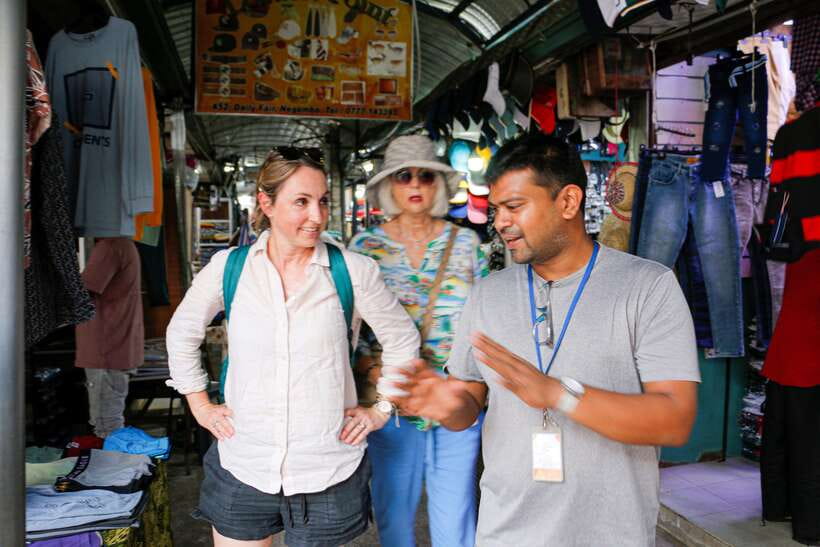
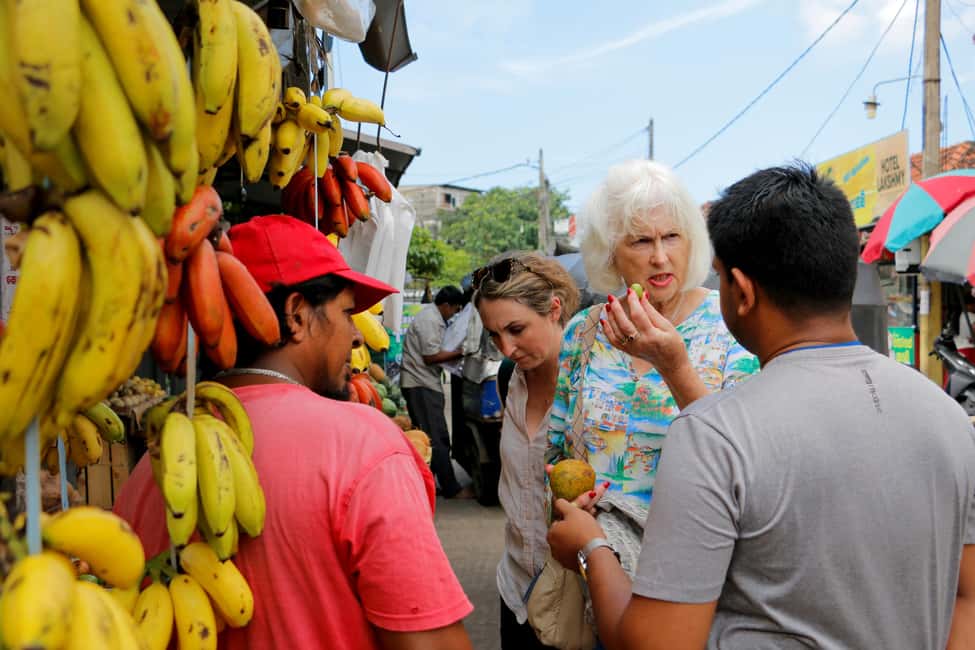
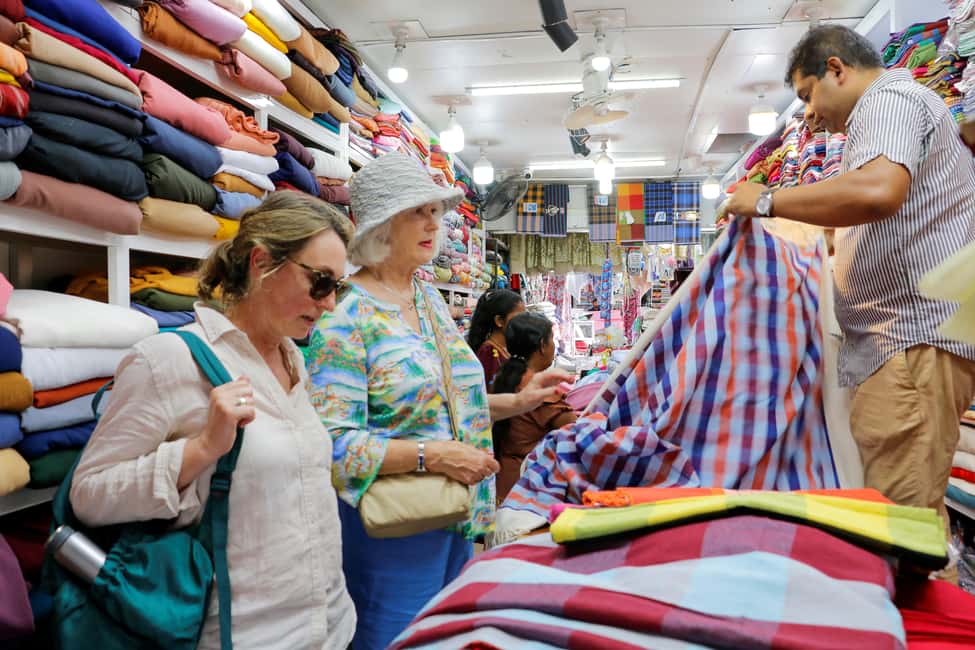
Once you enter town, the tour shifts into watching mode. You park centrally and do a walking stretch of about 20 minutes, moving through the Bandulla Market area and main street shopping lanes. This is where the tour feels most “local” in a practical way: you see vegetables, fruit stalls, and everyday snacks, plus how locals navigate the day.
There’s also food tasting at Bandulla Market for about 20 minutes. If you like simple, low-pressure sampling, this is a good moment to try small bites instead of committing to a full meal. It’s not a fancy food tour; it’s a taste of normal life.
Then you hit Negombo Clock Tower for a guided look. It’s a short stop, but it gives you a clean reference point for the city layout. After that, the tour starts bending toward the sea street and canal-side areas.
The slight drawback: street markets can be warm and noisy, and you’ll be moving through active shopping space. Keep water nearby (you get bottled water on the tour), and go slow when you need a breather.
Dutch Canal to Dutch Fort: temples, shrine views, and old sea defenses
As you drive along the sea side, the Dutch canal and Dutch Fort area become your historical backbone. The Netherlands left a strong footprint in Negombo, and the canal-side route is one way to see it without turning this into a museum day.
Along this stretch you’ll also visit:
- Sri Sitthi Vinayagar Temple (Hindu temple stop)
- St. Mary’s Roman Catholic Shrine (church/shrine stop)
These aren’t random stops thrown in for variety. They give you a sense of how the coastal neighborhoods are organized around community spaces, not just around trade.
Then you reach the Dutch Fort area, which puts you near the same coastal energy that drives the fishing work. The combination of canal, fort, and nearby market zones helps you understand how Negombo’s economy links land routes and sea routes.
One more detail that makes this section enjoyable: you’re not only looking at buildings. You’re moving through the working edge of the city, where the past meets daily routine.
You can also read our reviews of more private tours in Negombo


Fish market and dry-fish processing: the real Negombo smell (and why it matters)
Now we get to the part people remember most: the fish market and the nearby beach where locals process fish to dry. You’ll walk to the beach area and see how drying works as a day-to-day production step. Yes—the smell can be intense. The tour doesn’t hide that fact; it treats it as part of Negombo’s life.
For many visitors, that’s exactly why this stop is valuable. If you only see boats from far away, you miss the full picture. Here, you see the “after” stage: what happens when the catch needs preserving.
You’ll also cross toward the fishermen’s side via a bridge over the lagoon. From the bridge, you get an authentic view of water traffic and docking rhythms. It’s one of those moments where you realize you’ve been looking at Negombo from the wrong angle—until you’re actually on the same route locals use to move between areas.
If you’re worried about the smell, don’t panic. Wear what you’re comfortable in, keep your expectations realistic, and remember that this is what keeps the local system running.
Fishermen’s Island by lagoon bridge and Our Lady of Good Voyage
After the fish-drying area, you continue toward fishermen’s island, accessed by crossing the lagoon. The bridge docking area makes it feel real because it’s not staged. You see boats docking near you, and the lagoon view gives you depth—water, movement, and the working pattern of the coast.
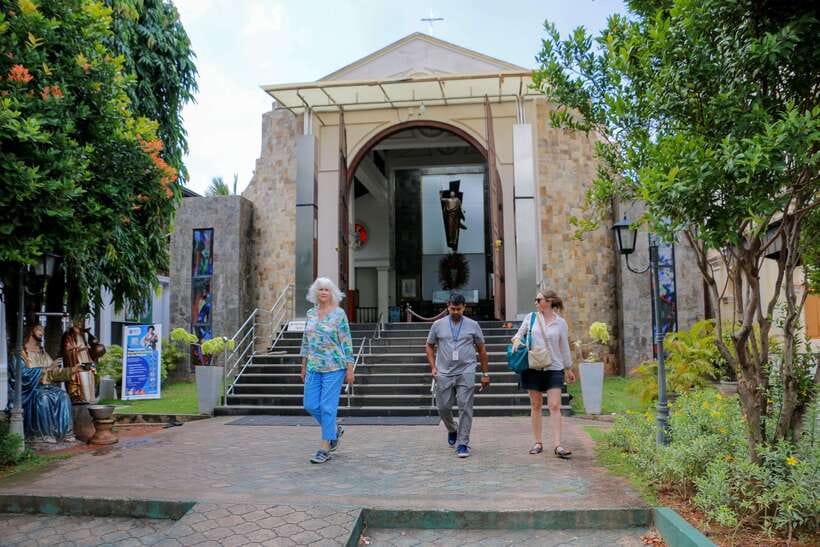
Then you’ll go to Our Lady of Good Voyage, an authentic fishermen’s church overlooking the Indian Ocean. This stop adds a different kind of meaning. It’s tied to seafarers and their lives, so it feels less like sightseeing and more like understanding why coastal communities build spiritual places at the water’s edge.
What I like about finishing this way: you go from labor to reflection. You start with markets and food, move into fish processing work, then end at a place that connects that work to hope and protection.
If you like photos, this is also where you’ll naturally want to pause—ocean views make everything easier.
Mora Wala sea basin: a short, local-water pause before you head back
Near the end, the tour makes a quick stop at Mora Wala, a popular sea basin area where locals go to bathe. This is a good final touch because it slows things down. Instead of more markets or more walking, you get a moment near the water that feels like everyday life, not a scripted attraction.
The time here is short, so don’t treat it like a full beach day. Think of it as a local finishing note: ocean edges, casual activity, and the coastal setting that ties the whole tour together.
Practical tip: if you want to dip your feet or change plans into a swim, confirm you’ve got what you need in advance (and keep your valuables protected). The tour itself is designed as a compact half-day.
Price and value: what $37 per person buys in real time
At $37 per person for about 3 hours, this tour is priced for value rather than for luxury. You’re getting:
- an air-conditioned car
- a local chauffeur guide
- bottled water per person
- optional cassava chips from the street
- hotel pickup in Negombo
For many people, the savings come from two things. First, you don’t have to piece together multiple transport steps on your own. Second, the guide turns random stops into a coherent route. You’re not paying only for driving—you’re paying for context while you walk through markets and sacred areas.
Is it worth it if you’re an experienced independent explorer? If you already know Negombo well and have a plan for local transport, you might compare alternatives. But if you want a straightforward way to cover the key local zones—markets, canal area, fish-drying beach, fishermen’s sites—this is a fair deal.
If you’re traveling as a couple, it’s often even better value because the private format doesn’t force a group schedule.
Quick tips to make the most of your half-day
A few small choices will make the tour feel smoother:
- Bring a sun hat or other hat. You’re out in daylight for market and sea-side walking.
- Wear comfortable shoes. There’s short walking, but you’ll move through active areas.
- Have a realistic mindset about fish drying. The smell is part of the process, not a surprise.
- If you’re picky about food, you can still do the Bandulla tasting carefully—start small and watch what you like.
- If you want your day adjusted, say it early. The tour is set up for a private format, so you can usually focus on what you care about most.
Also, since the tour is described as wheelchair accessible, it should work better than many informal walking tours. Still, ask about the practical walking segments if mobility is tight for you.
Should you book this private Negombo city tour?
Book it if you want a focused half day that explains Negombo through markets, places of worship, and working coastal fishing areas. It’s especially good for first-timers who want a local-feeling route without spending hours arranging transport.
Skip it (or go in with extra caution) if strong fish odors would ruin your day, or if you hate any street-level walking. The fish-drying stop is the star, and it’s not subtle.
If you’re staying in Negombo with limited time, this is one of the most efficient ways to see the city’s real texture—street shopping, canal-side heritage, and the ocean’s working life—while staying comfortable in an air-conditioned car.
FAQ
How long is the Negombo private half-day city tour?
The tour lasts about 3 hours.
What does the tour cost?
It’s listed at $37 per person.
Is hotel pickup included?
Yes. Pickup is included from your hotel lobby in Negombo, and you’ll need to specify the hotel name (and a contact number is also helpful).
What places are included on the tour?
You’ll visit areas such as Abayasekararamaya Temple, Bandulla Market, Negombo Clock Tower, the Dutch canal and Dutch Fort area, Sri Sitthi Vinayagar Temple, St. Mary’s Roman Catholic Shrine, the fish market and dry fish processing beach area, the lagoon bridge/fishermen’s island, Our Lady of Good Voyage church, and Mora Wala.
What’s included in the price?
The tour includes a local chauffeur guide, an air-conditioned car, bottled water per person, and optional cassava chips from the street.
What should I bring for the tour?
Bring a sun hat (and a hat is specifically mentioned) for sun protection.