REVIEW · NEGOMBO
Scuba Diving For Beginners
Book on Viator →Operated by Divinguru Sri Lanka · Bookable on Viator
That first breath underwater feels unreal. This beginner scuba try-out in Sri Lanka mixes calm coaching, a shipwreck visit, and a rocky reef session, all in a tight time window. I love how the program builds skills step-by-step, and I also like the clear “no surprise costs” setup with equipment and transfers included. One thing to weigh: you need reasonable fitness, and you’ll get the best experience if you’re comfortable following instructions and practicing in the water.
If you’ve only snorkeled before, this is a smart way to test whether scuba is for you without committing to a full certification track. You’ll start with basic theory, then do controlled practice in confined water, and then head out for an ocean session. You’ll also leave with a Certificate of Recognition and your details are registered in the PADI database.
The single possible drawback is that the schedule can be weather-dependent, and the experience is only about 2–3 hours. If you’re hoping for a long, wandering underwater day, this isn’t that. But if you want a genuine taste of scuba with real structure, it’s a very practical choice.
In This Review
- Key Takeaways Before You Go
- Your First Scuba Try-Out Near Unawatuna: How the 2–3 Hour Plan Works
- What Makes This Experience Work for First-Timers
- The Training Stage: Theory, Confined Practice, and Hand Signals
- The Ocean Session: Shipwreck Views and Rocky Coral Reef
- Depth, Leadership, and What That Means for Your Comfort
- Price and Value: What Your $84.09 Covers (and What Doesn’t)
- Logistics That Matter: Meeting Point, Timing, and Group Size
- Who This Suits Best (And Who Should Re-think It)
- What to Bring for a Smooth First Underwater Session
- Should You Book This Beginner Scuba Try-Out?
- FAQ
- How long is the beginner scuba program?
- Will I get certified?
- What depth will I reach?
- Is equipment included?
- What’s included for meals?
- What are the age and fitness requirements?
- What if I want an extra ocean session?
Key Takeaways Before You Go
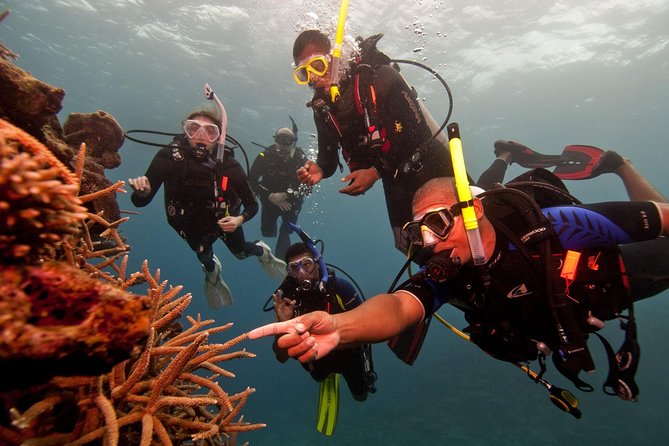
- Small group cap (15 max) helps you get attention fast and reduces waiting around.
- Step-by-step format: theory first, then confined practice, then an ocean session.
- Shipwreck plus rocky reef gives you two very different underwater settings in one go.
- Recognition, not certification: you get a Certificate of Recognition and PADI database registration.
- Instructor guidance you can feel: reviews highlight patient coaching from staff like Ellie, Alex, Nico, Darshana, Fabio, and Eliška.
- Extra ocean time costs more: additional boat sessions run 50 Euro each (if offered/needed).
Your First Scuba Try-Out Near Unawatuna: How the 2–3 Hour Plan Works
This is a beginner-friendly scuba program set up for people who aren’t going for full certification right now. The big idea is simple: you get taught the basics, you practice in controlled water, and then you experience what it feels like to breathe underwater while staying close to your training goals.
You’ll typically have either a shorter format (around 2 hours) or a longer format (around 3 hours), depending on which version you book. The program is described as including basic underwater breathing theory, confined water training, and one ocean session from a boat. It’s designed to be approachable even if you’re nervous, as long as you can move through the practice calmly.
Your start time is listed as 1:30 pm, and there’s also a morning option mentioned (around 8:30 am). That matters if you hate early starts. If you prefer a slower day, the afternoon slot is usually easier to fit with other beach time.
You can also read our reviews of more scuba diving tours in Negombo
What Makes This Experience Work for First-Timers
The best part of this setup is that it doesn’t throw you straight into open water. You start with basic theory and then move into confined practice where you can learn the mechanics at your own pace. For a first-time scuba participant, that reduces the “what am I supposed to do now” panic.
I also like the emphasis on patience. The reviews include multiple first-time stories where instructors took extra time and stayed calm with nervous students. Names that come up include Ellie (noted for patience and steady guidance), Alex (paired with pool practice before the ocean), Nico (described as bringing calm confidence), Darshana (credited with making someone feel safe and supported), and Fabio plus Eliška (also mentioned for careful, friendly instruction). That pattern matters. Good first scuba experiences aren’t just about equipment. They’re about teaching tempo.
One more practical point: the group is capped at 15 people. That size tends to give instructors enough room to coach without feeling rushed, and it means you won’t spend half your time waiting your turn.
The Training Stage: Theory, Confined Practice, and Hand Signals
In the beginning, you’ll cover the basics of scuba breathing and how to communicate underwater. The description explicitly includes a basic dive theory lesson, then short confined water training. In plain terms, that means you’ll learn what to do if something feels off, and you’ll practice the gestures you’ll use underwater so you’re not guessing.
Confined practice is often where beginners either feel confident fast or decide it’s too scary. Here, the program is built to let you try the motions in a controlled setting first. One review mentions pool practice until confidence grows before moving into the sea, which is exactly what you want from a first-time setup.
You should expect a bit of repetition. That’s not boring here—it’s how your body learns the rhythm. If you can stay relaxed while you practice, you’ll usually handle the ocean session much better.
The Ocean Session: Shipwreck Views and Rocky Coral Reef
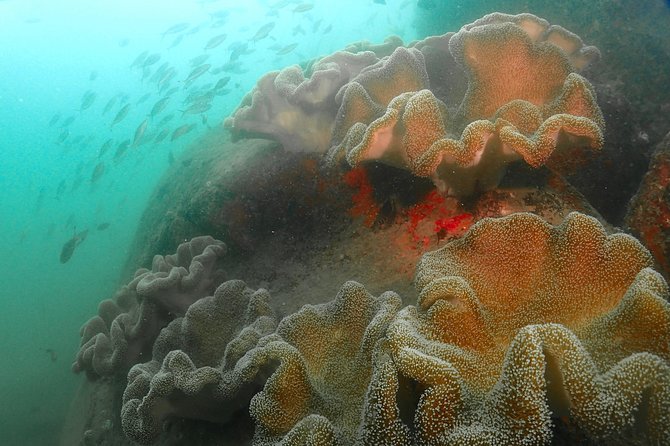
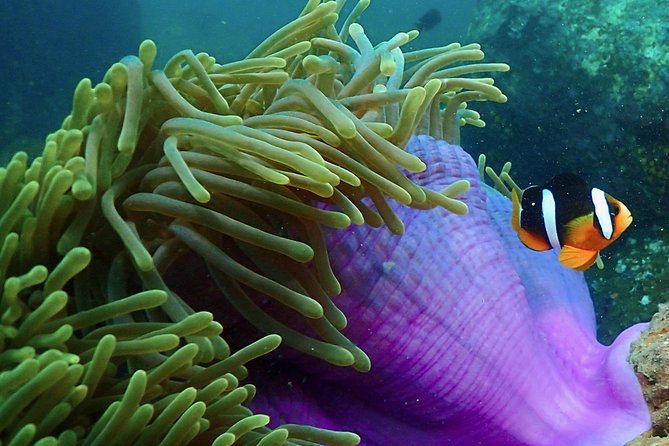
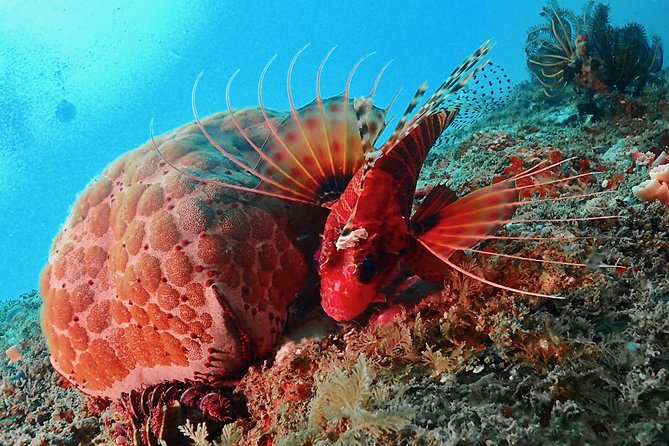
After practice, you head out into the ocean from the beach. The plan is to visit a shipwreck area and a rocky coral reef area. Those two environments give you variety: a wreck tends to feel like a landmark underwater, while a coral reef typically offers texture and life that changes across angles and light.
You’ll also be limited in depth for safety and beginner comfort. The description spells out two possible depth tracks. One option mentions an ocean session up to about 6 m with a PADI staff lead, and the other mentions an ocean session up to about 12 m with a PADI instructor. Your specific experience depends on the version you choose and how your coaching team guides your comfort level.
The “from the beach” detail is worth noting. It often means the logistics are simpler than longer transfers to distant dive sites. You spend less time in transit and more time doing the thing you came for.
One drawback to flag: underwater visibility and sea conditions can vary. That’s normal on any coast. If conditions are rough, your schedule might be adjusted or switched to a different date, since the experience requires good weather.
Depth, Leadership, and What That Means for Your Comfort
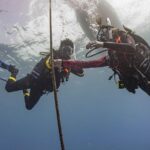
Depth isn’t just a number. It affects how you manage breathing, how your ears feel, and how calm you need to stay. Because the program is aimed at non-certified scuba participants, it’s structured to keep you within a range that’s manageable with coaching.
Here’s how to think about the two tracks:
- The shallower track (up to around 6 m) is a solid first milestone if you want confidence and basics without pushing too far.
- The deeper track (up to around 12 m) can be more rewarding if you already feel comfortable in the training stage and your instructor says you’re ready.
Leadership also matters. Reviews praise specific instructors for careful step-by-step explanations and “hands-on” reassurance. One reviewer notes an instructor who stayed patient with a very scared student and even held their hand much of the time. That kind of support is a big deal when you’re learning to trust your gear and your body at the same time.
If you’re anxious, tell your instructor early. You can’t control the sea, but you can control your communication. A good coaching team will adjust pacing, keep you close, and make sure you’re never guessing.




Price and Value: What Your $84.09 Covers (and What Doesn’t)
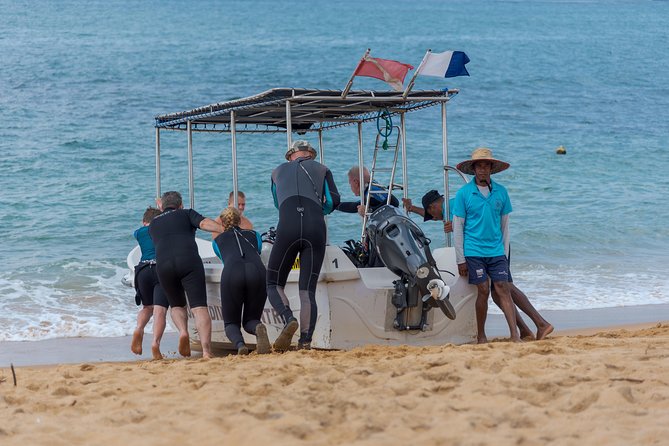
The price is listed at $84.09 per person, and the program description is clear that it’s all inclusive with no hidden fees for rentals. What you get included is practical and reduces the usual first-time cost headaches:
- rental equipment
- bottled water
- snacks
- private transportation
- coffee and/or tea
Lunch is not included, so plan a meal before or after your session depending on your slot. For an activity lasting about 2–3 hours, it’s usually easy to time this around a normal day of beach strolling.
There’s also an extra-cost detail you should know up front: if you do additional ocean sessions beyond the included one, the fee is listed as 50 Euro for each extra boat session, with a PADI staff lead for the shorter version and a PADI instructor for the longer version.
Is it good value? For a beginner scuba experience, yes—especially because equipment and transportation are included. The main reason beginners get sticker shock is rentals and logistics add up fast. Here, you’re paying for the teaching, the gear, and getting to the water.
Logistics That Matter: Meeting Point, Timing, and Group Size
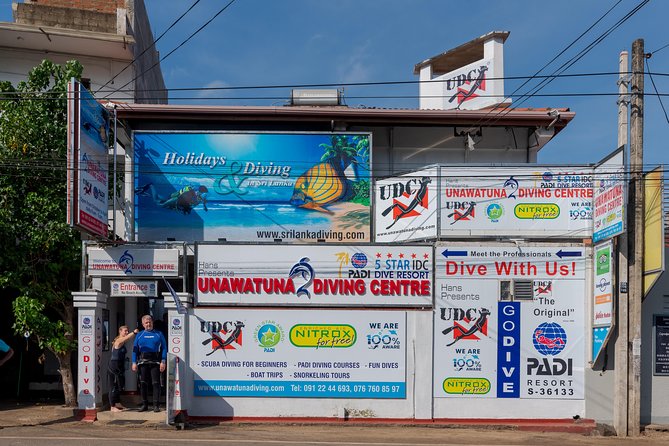
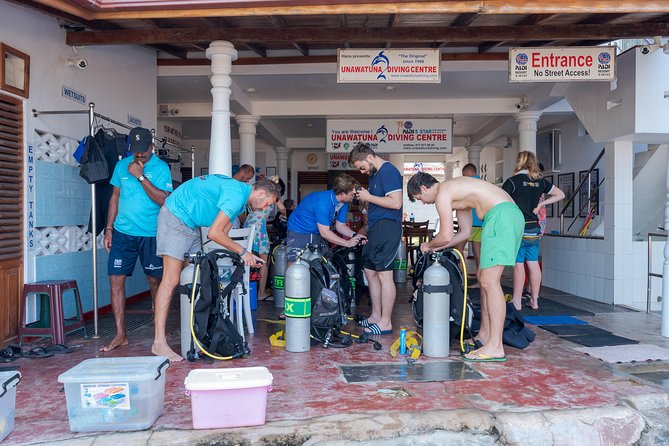
This activity starts back at the meeting point. The meeting location is listed as a PADI 5-star IDC resort on Matara Road in Unawatuna (near public transportation). Private transportation is included, which usually helps because getting gear to the coast and back can be the most annoying part of first-time scuba travel.
The listed start time is 1:30 pm. There’s also a morning option around 8:30 am described in the program details. If you’re planning your day in Sri Lanka, choose based on energy level: afternoon slots can feel less rushed, while morning slots can mean calmer seas more often (though weather still rules).
The group limit of 15 people is a real plus. You’ll get more individual coaching time, and you won’t feel like you’re part of a cattle process.
Who This Suits Best (And Who Should Re-think It)
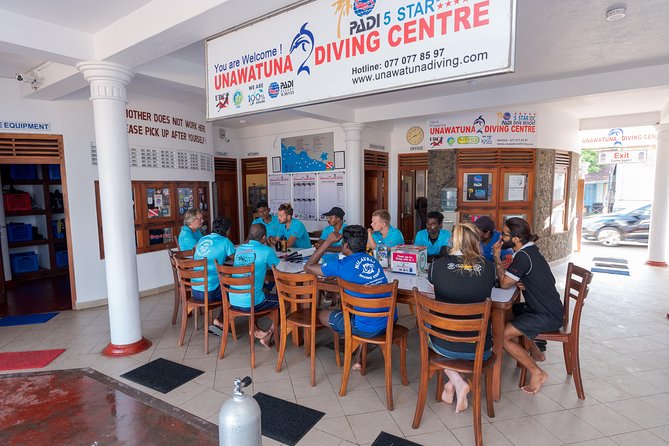
This is best for you if:
- you’re curious about scuba but not ready for full certification
- you want a structured lesson with practice first, then an ocean session
- you’re comfortable asking questions and following guidance
- you’re okay with a short time commitment (about 2–3 hours)
The program requires reasonable physical health, and the guidance says travelers should have moderate physical fitness. The minimum age is 10.
If you have medical concerns, especially about ear pressure or breathing comfort, you’ll want to talk to your doctor before booking. The program is designed for beginners, but it still involves controlled breathing underwater.
If you’re looking for a photography-heavy underwater day or a long multi-site itinerary, this probably won’t match your expectations. This is a “taste with real instruction” format.
What to Bring for a Smooth First Underwater Session
The data doesn’t list a gear checklist, so I’ll keep this practical and general based on how these programs usually run and what you’ll likely need for comfort:
- bring a towel and a change of clothes
- wear swimwear you’re comfortable in for practice and the boat transfer
- consider reef-safe sunscreen if the day is sunny (ask your instructor if they have any rules)
- if you wear prescription glasses, you might want to bring something secure for dry land, but ask about policies for underwater use
Also, arrive with a mindset for learning. Your goal isn’t to “perform.” Your goal is to understand buoyancy, breathing rhythm, and hand signals while staying relaxed.
Should You Book This Beginner Scuba Try-Out?
I think you should book if you want a real first scuba experience with structure, safety focus, and a memorable underwater setting without the commitment of full certification. The included equipment, snacks, and transportation make the $84.09 price feel straightforward. The small group size (15 max) and the repeated praise for patient instructors like Ellie, Alex, Nico, Darshana, Fabio, and Eliška are exactly what nervous first-timers need.
Skip it if you’re looking for a long, flexible underwater itinerary, or if you’re not comfortable meeting the moderate fitness requirement. Also, if you’re traveling during a season with unstable weather, understand that good conditions are required.
If you want to test whether scuba is your thing, this is a solid match. You’ll come away with a Certificate of Recognition and PADI database registration, which is a nice stepping stone if you decide to pursue certification later.
FAQ
How long is the beginner scuba program?
It runs about 2–3 hours, depending on which version you book. The shorter option is described as taking around 2 hours, and the PADI Discover Scuba option is described as taking around 3 hours.
Will I get certified?
No. This experience is not a certification course. You do receive a Certificate of Recognition and you are registered in the PADI database.
What depth will I reach?
The program describes two possible tracks. One option reaches up to about 6 m, and the PADI Discover Scuba option reaches up to about 12 m, depending on the version and your PADI-led session.
Is equipment included?
Yes. Rental equipment is included, along with bottled water, snacks, coffee and/or tea, and private transportation.
What’s included for meals?
Lunch is not included. You will have bottled water and snacks included.
What are the age and fitness requirements?
Minimum age is 10 years. You should be in reasonable physical health, and the guidance says travelers should have moderate physical fitness.
What if I want an extra ocean session?
If you add an additional boat session, the price is listed as 50 Euro per extra session.