REVIEW · NEGOMBO
PADI Scuba Diver Course
Book on Viator →Operated by Divinguru Sri Lanka · Bookable on Viator
Scuba training is one of those choices you remember. This PADI Scuba Diver course in Sri Lanka is a practical on-ramp to underwater skills, with instruction that keeps you calm and focused from the first lesson. You’ll earn a certification that lets you go to 12 m with a PADI Professional.
I like how structured the course is. You do the theory part first (the first three sections of the Open Water curriculum, without the exam), then you practice skills in confined water, and finally you complete open-water sessions as a team. I also really like the teaching approach highlighted across the instructors’ styles—names like Ellie, Norbert, Delphine, and Eliška come up with consistent themes of patience, clear English, and serious safety.
One key consideration: the course price doesn’t cover the full PADI paperwork. The 70 euro PADI fee for the manual and certification costs is not included, and this certification also keeps you limited to 12 m unless you upgrade to Open Water later.
In This Review
- Key highlights from the experience
- Negombo area, Unawatuna base: where this course really happens
- PADI Scuba Diver vs Open Water Diver: what “12 m” changes for you
- Your 2- to 3-day learning arc: theory, confined skills, then open water
- Theory first (about half a day)
- Confined water training (about half a day)
- One day of open-water sessions (around 8:30 am to ~1 pm)
- Instructor-led safety and comfort: what you’ll feel in the water
- What’s included (and what isn’t): the real price breakdown
- Pickup, timing, and group logistics: making your day painless
- What you actually see and do during the open-water sessions
- Who this course suits best (and who might want Open Water)
- Should you book the PADI Scuba Diver course in Sri Lanka?
- FAQ
- How long is the PADI Scuba Diver course?
- What depth limit does PADI Scuba Diver certification allow?
- Is lunch included?
- What is the PADI fee, and is it included in the course price?
- What’s included in the $240.23 per person price?
- Where does the course meet and where do you end?
- Is pickup available?
- What happens if weather is poor?
Key highlights from the experience
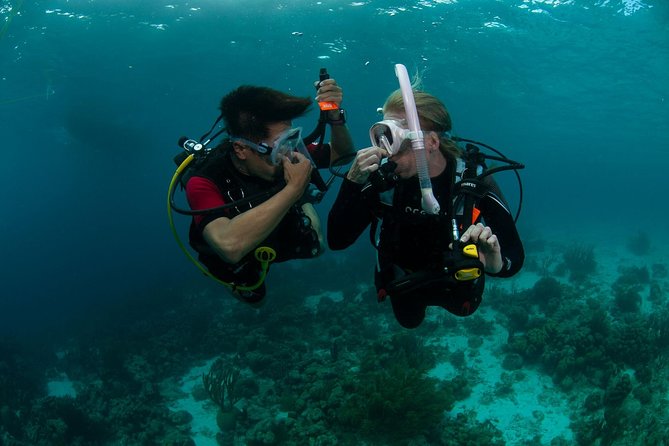
- Small group size (max 8) helps you get attention while learning
- Hands-on structure: theory, then confined-water skills, then open-water practice
- Instructors you’ll trust: calm, patient, and very focused on safety (names like Ellie, Norbert, Delphine, Eliška)
- Practical inclusions: equipment, snacks, bottled water, coffee/tea, and private transportation
- Certification limit is clear: you’re trained for up to 12 m with a professional
- Good odds for first-timers: the course format is built for comfort, not bravado
Negombo area, Unawatuna base: where this course really happens
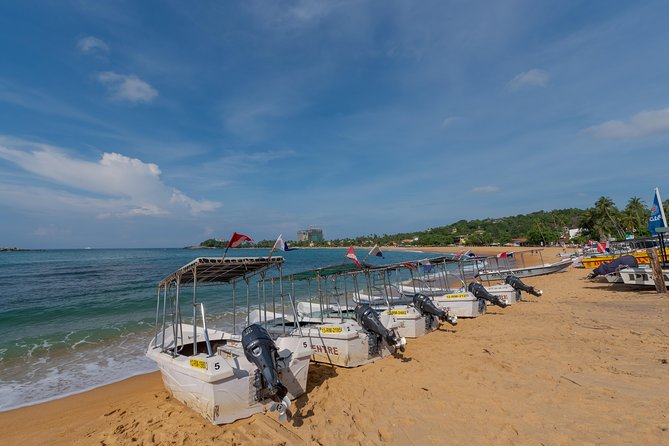
This course is listed for the Negombo, Sri Lanka area, but your meeting point is in Unawatuna. The center offers pickup, which matters because Sri Lanka traffic can turn a “quick start” into a long day if you’re moving on your own. With private transportation included, you don’t have to stress about timing or where to park—just show up and do the work.
The schedule is also geared to minimize wasted time. You’re not bouncing between random locations all day. Instead, you run through the standard learning flow—class-style learning, then skill practice, then the real environment sessions. That makes it easier to keep your head in the game and not lose momentum between steps.
You can also read our reviews of more scuba diving tours in Negombo
PADI Scuba Diver vs Open Water Diver: what “12 m” changes for you
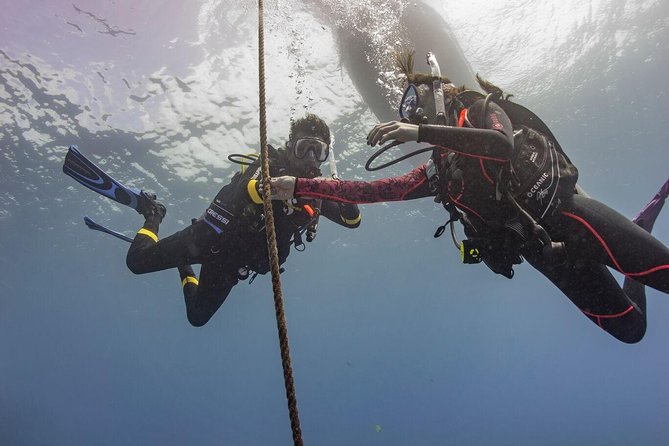
The big picture: PADI Scuba Diver is a subset of PADI Open Water Diver. It’s the first step certification that lets you dive with a PADI Professional to a maximum depth of 12 m.
That limit is not just a technical detail. It affects how you plan future trips:
- If you’re excited to start now and want guided experience, this course can get you underwater quickly.
- If your main goal is to be fully independent with your buddy to 18 m, you’ll need the PADI Open Water Diver course instead.
So I think you should choose based on your travel style. Want your first certification fast, with a clear progression? PADI Scuba Diver is a clean start. Want maximum freedom right away? Plan for Open Water.
Your 2- to 3-day learning arc: theory, confined skills, then open water
The course typically takes around 2 to 3 days, and the day-by-day rhythm is where you get the value. You’re not just watching someone explain gear. You learn, then you practice, then you apply that skill in the open-water environment.
Theory first (about half a day)
You’ll handle the theoretical part for roughly half a day. It covers the first three sections of the PADI Open Water curriculum, and importantly, it’s described as being done without the exam for this course segment. That helps if you’re nervous about tests and want to focus on understanding what you’re doing and why.
Confined water training (about half a day)
Next comes the confined water practice, described as the first three dives of the Open Water course. I read this as: you’ll drill the foundational skills in a controlled setting before you move to the sea. This is where a lot of first-timers either feel overwhelmed or feel capable. The instructor-centered approach at this center seems built to keep it manageable—slow explanations, step-by-step coaching, and a strong safety focus.
One day of open-water sessions (around 8:30 am to ~1 pm)
The final stage is one day with two open-water training sessions, running from 8:30 am to around 1 pm. That short morning window is handy: you get the main experience and then you’re free for the rest of your day on Sri Lankan time.
A practical note: you’ll be working with other course participants, and you’re doing skill-based training, not a long sightseeing tour. If you want a full-day sea excursion after certification, you’d likely plan a separate activity for later.
Instructor-led safety and comfort: what you’ll feel in the water
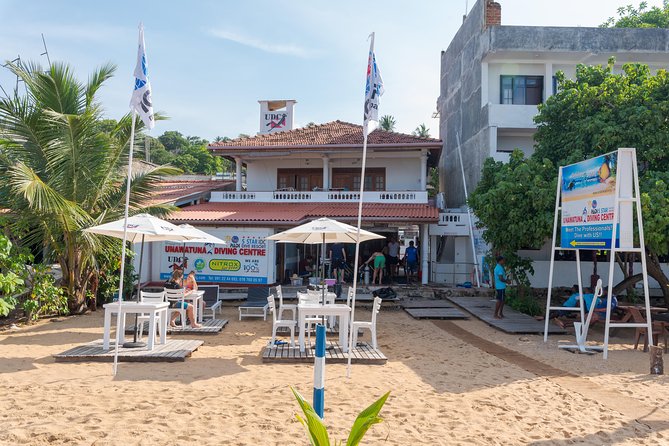
If you’re learning something new, the real difference between a good course and a great one is how people help you stay calm. The standout theme from the instruction stories I’m seeing is that the teaching is both professional and human—calm, patient, and focused on comfort.
Across the instructor mentions, you see patterns:
- Clear explanations before you practice
- Patient coaching when you need repeats
- English-speaking instruction that makes the steps understandable fast
- A safety-first mindset that doesn’t suck the fun out of the day
That matters because scuba training has a lot of moving parts: breathing rhythm, gear familiarity, buoyancy control, and basic communication. When instructors take security seriously, it helps you stop fighting the equipment and start learning the technique.
Also, the course caps at max 8 travelers, which usually means smaller attention gaps. In a larger group, one person’s confusion can stretch everyone’s learning time. Here, the structure feels designed to keep you moving at a pace that works.
What’s included (and what isn’t): the real price breakdown
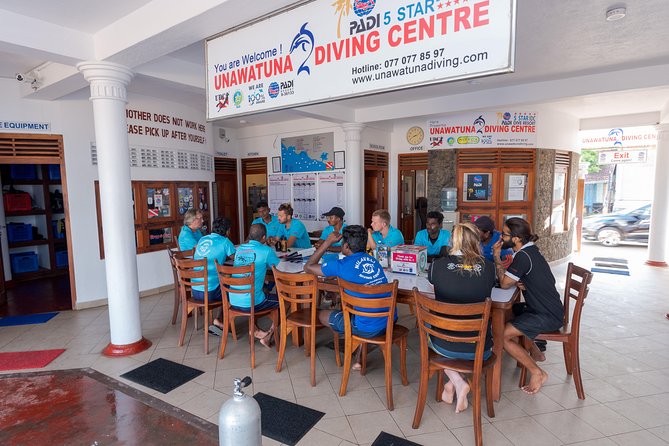
The listed price is $240.23 per person for the course, about 2 days. What you get for that money is practical: private transportation, use of scuba equipment, snacks, and bottled water, plus coffee and/or tea.
That’s a meaningful value bundle because gear rentals can add up, and private transport removes friction. Snacks and drinks also sound minor until you’re sitting between theory and water practice and your energy starts dropping. I like that they handle those basics so you can focus on learning.
What’s not included is where you’ll want to plan ahead:
- Lunch is not included
- The PADI fee of 70 euros (manual and certification costs) is not included
So here’s the budgeting reality: you’re paying for the instruction + logistics with your $240.23, then the PADI certification paperwork adds the 70 euro fee. If you’re trying to keep costs tight, build that into your planning early rather than treating it like a surprise.
Pickup, timing, and group logistics: making your day painless
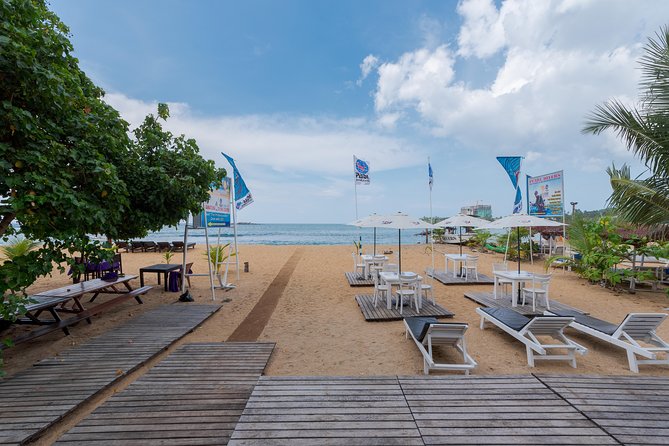
This is one of those courses where timing matters. Open-water sessions work best with good conditions and a well-run plan. With pickup offered and private transportation included, you’re less likely to arrive stressed or late—both are bad for first-timers.
The course also clearly schedules an open-water portion in the late morning window (about 8:30 am to around 1 pm). That gives you a clean block of time for the most important part of the training, without dragging it into your entire day.
And because the group size is limited to 8, you typically won’t feel like you’re getting processed. Instead, you’re more likely to feel like a student—learning, practicing, and asking questions.
If you’re traveling solo, I also see a theme of people feeling welcomed. For a first certification, that social comfort can be surprisingly important. It’s easier to learn when you don’t feel like you’re in the way.
What you actually see and do during the open-water sessions
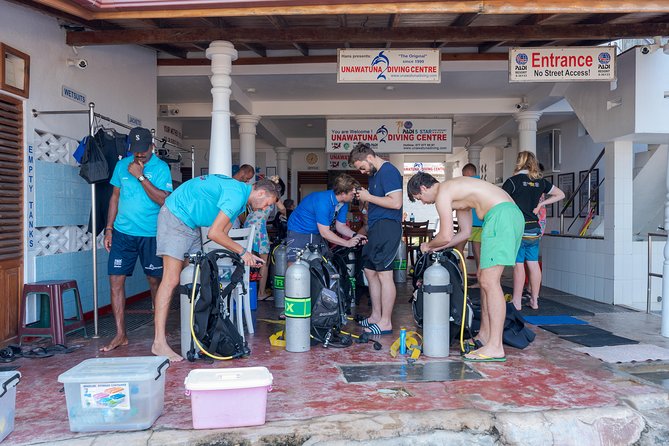
This course is not framed as a long underwater sightseeing trip. It’s a certification training program. That means your attention will be on skills and safety first, and the scenery second.
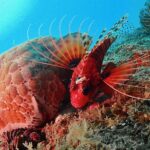
Still, the point is that you get to experience the underwater world firsthand. The tone from instructor-led experiences is that you’ll see cool things as part of the process—not just equipment drills.
If you want the most satisfaction from the open-water part, treat it like a learning mission:
- Go in expecting adjustments (breathing, buoyancy, comfort)
- Don’t measure success by how long you stay perfect
- Measure success by how calmly you follow instructions and keep practicing
The best courses make you feel capable by the end. That’s what this one seems designed to do.
Who this course suits best (and who might want Open Water)
This fits you if:
- You want your first certification step without jumping straight into the full Open Water requirements
- You’re okay with learning under a PADI Professional for maximum depth up to 12 m
- You appreciate a structured, safety-focused course with clear instruction
This might not fit you as well if:
- You want full independence right away up to 18 m
- You’re trying to minimize total certification costs and don’t want to add the 70 euro PADI fee on top
- You strongly prefer a longer open-water experience rather than skill-based sessions
For many people, PADI Scuba Diver is the “start now” path. Then later, you upgrade when you’re ready for deeper autonomy.
Should you book the PADI Scuba Diver course in Sri Lanka?
I think it’s a strong choice if you want a fast, structured entry into scuba training with a real focus on comfort and safety. The value comes from the combination of small group size, hands-on skill progression, and the included essentials like equipment, snacks, water, and private transport.
Just go in with two facts in mind: the PADI fee (70 euros) is extra, and this certification limits you to 12 m with a professional. If that matches your current travel goals, book with confidence—you’ll get a solid foundation and a confident next step.
FAQ
How long is the PADI Scuba Diver course?
It takes around 2 to 3 days.
What depth limit does PADI Scuba Diver certification allow?
It entitles you to go with a PADI Professional to a maximum of 12 m.
Is lunch included?
No, lunch is not included.
What is the PADI fee, and is it included in the course price?
The PADI fee of 70 euros for the manual and certification costs is not included.
What’s included in the $240.23 per person price?
Included items are bottled water, coffee and/or tea, private transportation, snacks, and use of scuba equipment.
Where does the course meet and where do you end?
The start meeting point is DIVINGURU Unawatuna, PADI 5 STAR IDC DIVE RESORT, Matara Rd, Unawatuna and it ends back at the same meeting point.
Is pickup available?
Yes, pickup is offered.
What happens if weather is poor?
The experience requires good weather. If it’s canceled due to poor weather, you’ll be offered a different date or a full refund.