REVIEW · ELLA & TEA COUNTRY DAY TRIPS
Udawalawe Safari Day Trip from South Region & Transfer to Ella
Book on Viator →Operated by Bentota Travel Mart · Bookable on Viator
Wild elephants meet an easy south-coast plan. This Udawalawe National Park day trip pairs a private jeep safari with a short stop at the Elephant Transit Home, so you get wildlife time in the grasslands and a human-made safety net story for young elephants. I also like that the whole thing is packaged as an all-in-one outing, so you spend less brainpower on logistics and more on spotting sambar, chital, and the birds that love Sri Lanka’s dry zone.
The biggest drawback to plan around is that it’s a long day (about 7–8 hours), so you’ll want to be ready for a full morning transfer plus a focused safari schedule.
In This Review
- Key things that make this day trip work
- Udawalawe National Park: why this safari is a top pick for elephants
- From the south coast to the park: how the transfers shape your day
- The private safari jeep: what 3 to 3.5 hours really buys you
- Elephant Transit Home: the 30-minute stop that adds context
- What’s included (and what you’ll still need to plan)
- Price check: is $180 per person good value?
- Who this tour fits best (and who might want another option)
- Should you book the Udawalawe safari day trip from the south?
- FAQ
- How long is the Udawalawe safari day trip?
- Is pickup and drop-off included?
- What is included in the price?
- Do I need to buy tickets for the park or Elephant Transit Home?
- What animals might you see?
- What happens if weather is bad?
Key things that make this day trip work
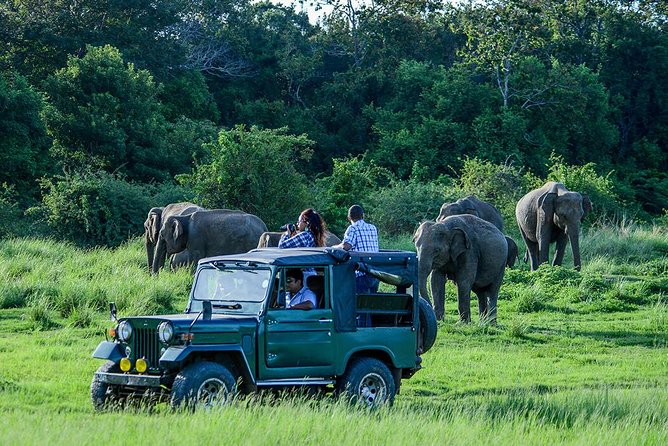
- Private safari jeep time (3–3.5 hours) gives you real flexibility to stay with elephants when sightings heat up
- Udawalawe + Elephant Transit Home balances wild behavior with a close look at how caretakers support younger elephants
- All-in pricing basics included: park fees, transit-home fees, lunch, and bottled water remove a lot of cost surprises
- Pickup and drop-off included from the south coast areas listed, so you avoid the usual getting-stuck-in-traffic problem
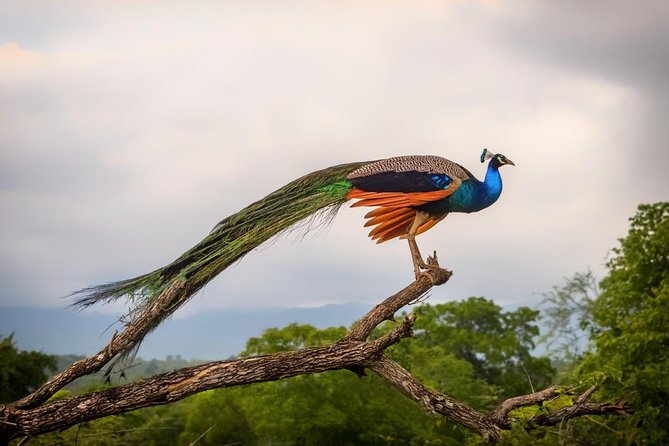
- Good odds of wildlife variety beyond elephants, from peacocks and monkeys to crocodiles and mongoose sightings reported on the route
Udawalawe National Park: why this safari is a top pick for elephants
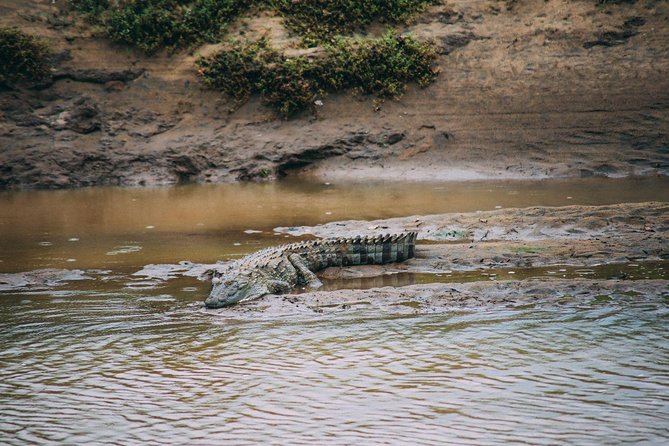
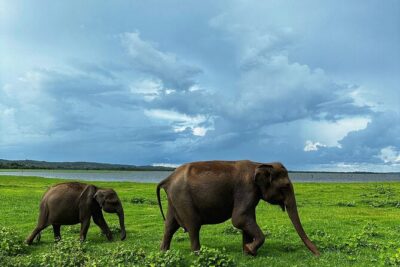
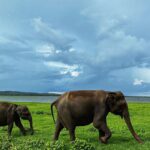
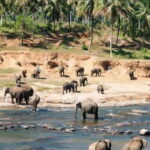
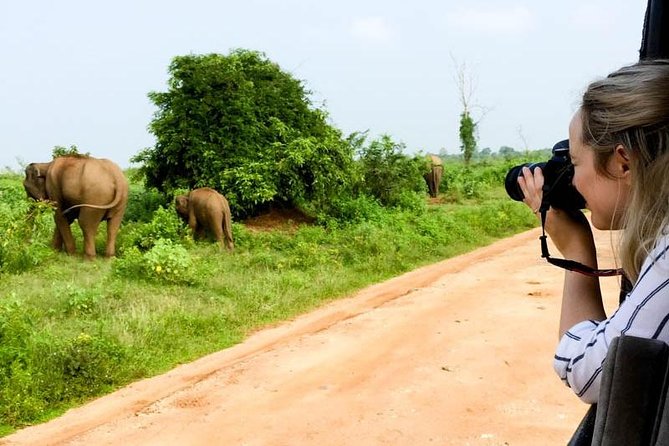
Udawalawe National Park is famous for one reason: Asian elephants show up in big numbers more often than you’d expect. The park is largely grasslands with patches of bush forest, plus higher ground framing the northern boundary. That combination matters because it shapes how animals move and where you end up seeing them. On a day trip like this, the goal is simple: get you into the right place at the right time, then keep you there long enough to actually watch.
What I like about this setup is that it’s not just a quick drive-through. You get a dedicated safari window in the park (about 3 hours in total time at Stop 1), and the safari portion is handled by a private jeep for roughly 3 to 3.5 hours. That extra time is what turns sightings into memories. You’re not constantly scanning for the next thing—you can slow down and learn the rhythm of the herd’s movement.
Also, the park experience is designed to be about more than elephants. The outing is built with a wildlife checklist in mind: sambar, chital, wild boar, and dry zone birdlife. In real-world terms, that means you’re not stuck waiting for one species to make the day. If you catch elephants early, you can shift your attention to the smaller drama: lizards basking, birds calling from bushes, and monkeys doing their own loud business.
You can also read our reviews of more tours and experiences in Colombo

From the south coast to the park: how the transfers shape your day
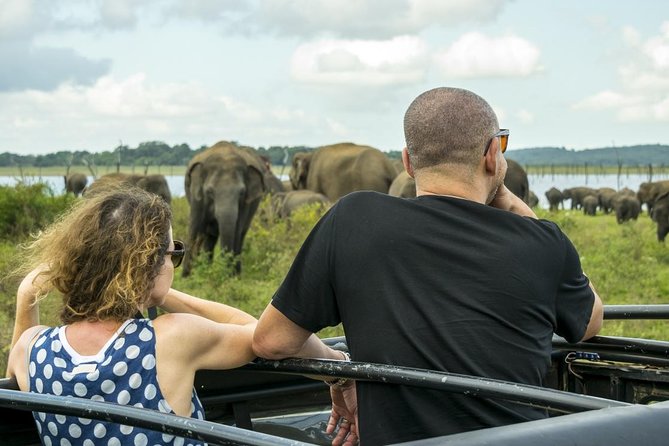
This is a full package day trip, so transportation is part of the deal, not something you have to plan separately. Pickup and drop-off are included, and the areas explicitly named for return transfers are around Hambantota, Ranna, Tangalle, and Dikwella. If you’re moving onward toward Ella, the trip is titled as a transfer-friendly option, but the exact drop-off should match the area you select—so confirm the end point you want before you lock it in.
The typical duration is around 7 to 8 hours, which usually means:
- a morning transfer from your pickup area
- several hours of active sightseeing (park safari + the Elephant Transit Home visit)
- then a return to your drop-off
Reviews point out that the pickup process can be smooth—cars waiting where they should be, and drivers using clear signals like a sign so you can find them fast. That’s not glamorous, but it matters. In Sri Lanka’s south, the hard part isn’t usually the safari. It’s the handoffs: getting from a cruise pier or hotel to the right vehicle at the right time.
Practical tip: pack like you’re going on a long ride, not a short outing. You’ll want sunscreen, a light layer for the vehicle air, and a small bag you can keep with you during transfers.
The private safari jeep: what 3 to 3.5 hours really buys you
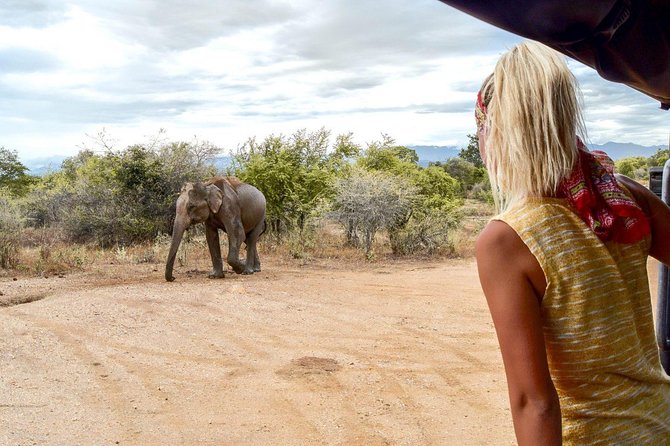
Stop 1 is Udawalawe National Park, with admission included, and you’ll spend about 3 hours there overall. The safari ride itself is private, and the jeep time is 3 to 3.5 hours. That detail changes the experience. A shared group can mean someone rushes, someone complains, and suddenly the wildlife moment is gone. A private safari means your driver and guide can spend time where the action is, rather than moving on because another jeep needs their turn.
The park’s elephant sightings are the headline, but the joy is in the mix. In addition to elephants, sightings reported on the route include:
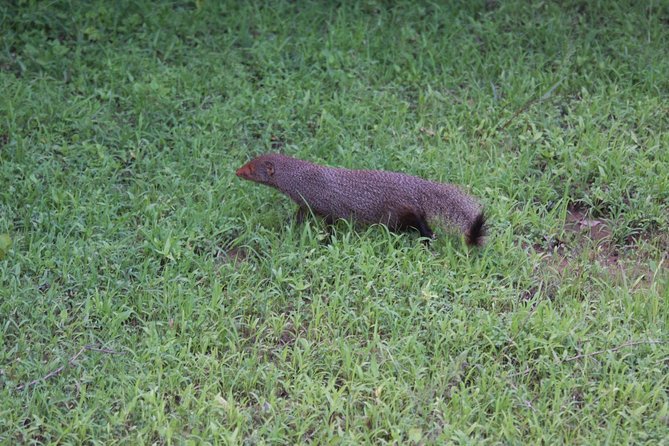
- monkeys and mongoose
- peacocks
- crocodiles
- lizards and other small reptiles
- deer and more birds
That variety is partly luck, but also partly timing and terrain. When animals cluster around water or feed in grasslands, you get a higher density of sightings. And when your jeep has the freedom to pause longer, your odds improve that you’ll actually watch behavior, not just spot shapes from a moving car.
One more thing I appreciate: the guide approach tends to be structured but not stiff. There are mentions of the van driver making stops along the way to point out interesting sites before reaching the park. Even small stops can help you start learning the area, so when you reach the grasslands you’re not totally new to what you’re seeing.
What to consider: safari viewing is weather-sensitive in the sense that conditions affect how animals move and how comfortable you’ll be in the open jeep. The experience notes that it depends on good weather, and if it’s canceled due to poor conditions you’ll be offered a different date or a full refund. So if you’re traveling in a rainy week, be ready for schedule shifts.
Elephant Transit Home: the 30-minute stop that adds context
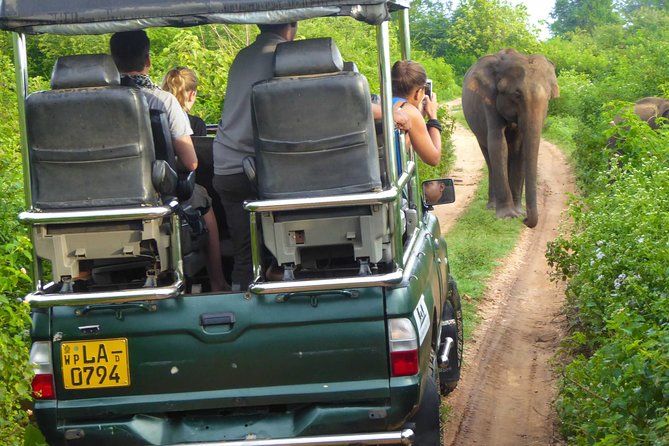
Stop 2 is the Elephant Transit Home (ETH) inside the Udawalawe park area, with admission included. You’ll have about 30 minutes here. That’s a short window, so it’s best to treat it like a focused visit: enough time to understand what the facility does and to watch for young elephants’ routines, but not long enough to turn it into a museum day.
The facility was established in 1995 by Sri Lanka’s Department of Wildlife Conservation, and its purpose is centered on caring for young elephants. Even with only a half hour, you usually come away with a clearer picture of why elephant sightings in the park are so emotionally powerful. You’re watching wild behavior in Udawalawe, and then you’re briefly seeing what happens when caretakers step in to support calves and juveniles before they’re ready to move forward.
This stop also balances the day’s tone. A safari is all motion and chance. ETH is more about calm observation and thoughtful context. It’s a good pairing because it turns the elephants from just an animal you saw into a story that connects wild habitat with conservation efforts.
What’s included (and what you’ll still need to plan)
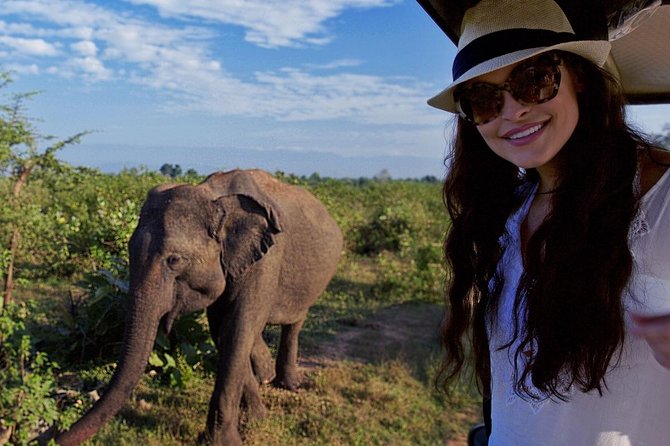
This tour includes the key “big ticket” items that usually cost extra on DIY plans:
- private transportation with an experienced driver-guide
- pickup and drop-off
- national park entry fees
- transit home entry fees
- private safari jeep time (3–3.5 hours)
- lunch
- bottled water
It also includes meals in the sense that lunch is part of the day. Breakfast is not included, and drinks are not included beyond bottled water.
That means you should plan the day like this:
- eat a proper breakfast before pickup (since breakfast isn’t included)
- bring cashless payment mindset for any extra drinks or snacks, since drinks aren’t included
- bring a reusable water bottle if you like, but note bottled water is provided
Comfort notes based on the typical flow: you’ll likely be in vehicles for transfers, then in an open jeep style safari. Dress for sun and mild wind. A hat helps. Sunglasses help. If you sweat easily, quick-dry clothing is worth it.
Lunch timing can vary by route, but you should expect food before or after the main safari ride depending on how the day lands. One review mentions a lunch stop at Niwahana before the jeep safari. That’s a helpful clue that some routes include an extra stop for lunch. If you’re picky about timing, message the provider in advance so you’re not guessing.
You can also read our reviews of more tours and experiences in Colombo

Price check: is $180 per person good value?
At $180 per person, the value comes from how much is folded into the price. This isn’t just a jeep rental and a suggestion to buy your own tickets. You’re paying for:
- private transportation with pickup and drop-off
- park and transit home admission
- a private jeep safari for a substantial chunk of time
- lunch and bottled water
If you’ve ever tried to piece this together on your own in Sri Lanka, you know how quickly costs and stress add up: getting the right vehicle, finding the right entry points, arranging the safari, and timing it so you don’t end up paying for delays. Here, the structure does that work for you. For many people, that’s worth a lot more than the difference between a DIY option and the packaged price.
Group discounts are listed, which can make it even better if you’re traveling with someone or in a small group. But the tour is also described as private, meaning only your group participates. That’s a sweet spot: you get the coordination of a package without losing the flexibility that makes a safari enjoyable.
So the real question isn’t only cost. It’s whether you want your day to be about wildlife viewing, not scheduling. If that’s what you want, $180 per person starts to look fair.
Who this tour fits best (and who might want another option)
This works especially well for you if:
- you’re staying in the south coast and want to see Udawalawe without working out transport on your own
- you want a private safari instead of squeezing into a crowded vehicle
- you care about more than elephants and want a structured visit to ETH too
- you like having entrance fees and lunch handled so your day runs on rails
It might be less ideal if:
- you’re traveling with lots of flexibility needs and hate fixed timing (this is still a structured day trip)
- you’re planning your day around minimizing vehicle time above all else (transfers make it a longer outing)
In other words, I’d call it a smart choice for people who want an organized day with maximum wildlife focus, not for people who want a slow meander.
Should you book the Udawalawe safari day trip from the south?
Yes—if you want a straightforward, wildlife-forward day that doesn’t require you to become a part-time logistics planner. The combo of Udawalawe National Park plus the Elephant Transit Home gives you both wild viewing and conservation context. And the fact that lunch, bottled water, and major entry fees are included means fewer surprises when you reach the park.
Before you hit book, do two quick checks:
- Confirm your exact pickup and drop-off area matches where you want to start and end. The explicitly listed return transfer zones are Hambantota, Ranna, Tangalle, and Dikwella, and the title mentions transfer toward Ella—so make sure your final drop-off is what you expect.
- Make peace with the timing. This is a 7 to 8 hour day. Bring sun protection and plan for a full day rather than a half-day outing.
If those boxes fit your trip style, this is one of the better ways to experience Udawalawe without spending your vacation doing math and phone calls.
FAQ
How long is the Udawalawe safari day trip?
The total duration is about 7 to 8 hours. You’ll spend around 3 hours at Udawalawe National Park and about 30 minutes at the Elephant Transit Home.
Is pickup and drop-off included?
Yes. The experience includes pickup and drop-off, with return transfers listed for areas around Hambantota, Ranna, Tangalle, and Dikwella.
What is included in the price?
The package includes private transportation with an experienced driver-guide, national park entry fees, transit home entry fees, a private safari jeep (about 3 to 3.5 hours), lunch, and bottled water. It also includes all fees, taxes, and meals for the included parts of the day.
Do I need to buy tickets for the park or Elephant Transit Home?
No. National Park entry fees and Elephant Transit Home entry fees are included.
What animals might you see?
You’re aiming for Asian elephants, plus chances to spot sambar, chital, wild boar, and dry zone birdlife. You may also see other animals like monkeys, peacocks, crocodiles, lizards, and mongoose depending on conditions.
What happens if weather is bad?
The experience requires good weather. If it’s canceled due to poor weather, you’ll be offered a different date or a full refund.