REVIEW · COLOMBO TEMPLE & HERITAGE TOURS
10 Days/ 9 Nights – Heritage Wildlife and Waves in Sri Lanka
Book on Viator →Operated by Sri Lanka Tour Driver with Car · Bookable on Viator
Sri Lanka can feel like two trips at once. This 10-day, private, driver-led route mixes heritage sites with wildlife and coast time, so you don’t have to choose between temples and elephants. You also get a practical way to move around: an air-conditioned vehicle, pickup offered, and mobile tickets.
Two things I like a lot: the hit list is well paced (big-ticket sites like Sigiriya, Dambulla, and Polonnaruwa come with nature stops like Minneriya, waterfalls, and safaris), and the service feels personal. In past trip reports tied to this company, Sam (the owner) coordinated plans, and drivers like Chamal, Nish, or Iranga Amila Rathnayake handled the wheel and kept things running smoothly.
One consideration: some of the biggest experiences list admission tickets as not included (safaris, major temples, and certain viewpoints/attractions). So budget a little extra for on-the-ground tickets, even though transport and many costs are covered.
In This Review
- Key highlights worth noting
- A private Sri Lanka road trip, with real human coordination
- Negombo beach, fish market, and the lagoon day-off vibe
- Rock temples and Minneriya elephants: a big culture-and-wildlife day
- Sigiriya Lion Rock and Polonnaruwa: why this route works
- Trincomalee coast: beaches plus sea life around Pigeon Island
- Kandy and tea country: tooth relics, gardens, falls
- Horton Plains and Ella: when viewpoints do the talking
- Yala safari and the southern shift: leopards are the headline
- Turtles, mangroves, and Colombo’s two faces
- Price, value, and what you’ll likely pay on top
- Who should choose this tour, and who should skip parts
- Should you book this 10-day heritage and wildlife tour?
- FAQ
- How long is the tour?
- Where does the tour take place?
- Is pickup included?
- Is this tour private?
- What is included in the price?
- What is not included?
- What languages do the drivers speak?
- Is there a fitness requirement?
Key highlights worth noting
- Private group up to 3: you’re not squeezed into a large bus with strangers.
- Driver language options: English, Tamil, Arabic, Spanish, German, French, Italian, Japanese.
- Wildlife mix: Minneriya jeep safari plus Yala safari, plus a turtle hatchery stop.
- Heritage plus coast: Sigiriya and Dambulla paired with Trincomalee, Hikkaduwa, and Galle Fort.
- Tea-country pacing: Kandy to Nuwara Eliya feel connected, not random.
A private Sri Lanka road trip, with real human coordination
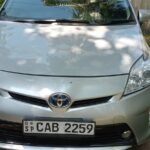
This kind of Sri Lanka trip works best when you stop worrying about logistics. You get a driver with experience across tourist destinations, and the company behind the wheels is set up to coordinate before you arrive. In the notes I saw, Sam helped with itinerary planning over WhatsApp-style communication, and the drivers (like Chamal, Nish, or Iranga Amila Rathnayake) were praised for being attentive to what the group needed.
The private format matters more than people expect. Sri Lanka roads can take time, signage isn’t always reassuring, and you’ll spend less energy figuring things out. Instead, you focus on seeing: photo stops, museum timing, and that slow moment by a lagoon or beach.
For value, I also like that the vehicle is air-conditioned and the tour includes private transportation plus all fees and taxes (with a clear caveat: some attractions still list separate admission tickets).
You can also read our reviews of more historical tours in Negombo
Negombo beach, fish market, and the lagoon day-off vibe
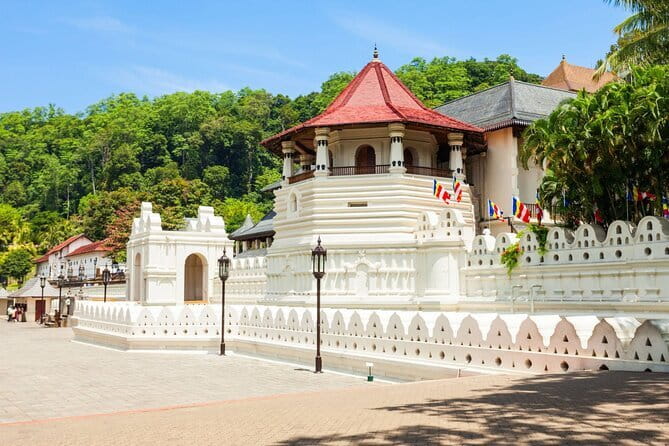
You start on Sri Lanka’s west coast around Negombo, and it’s a good warm-up. Negombo Beach gives you golden sand and palm-fringed views without starting the trip at 200 mph. It’s also a nice reset point if you’re coming in from a long flight.
Then you get the sensory hit of the Negombo Fish Market. Expect a lively seafood scene with fresh catches on display—great if you like local daily life more than just monuments.
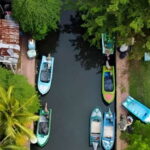
Next comes Negombo Lagoon. This is where the mood changes: mangroves, birdwatching opportunities, fishing, and the idea of a boat tour. It’s not about rushing. It’s about slowing down long enough to notice wildlife and water patterns you’d miss from a highway.
A small practical note: the lagoon time is listed as not included for admission, so plan for that possibility. Also, you’ll likely want sunscreen and water—Negombo can be sunny, and this is coastal walking time.
Rock temples and Minneriya elephants: a big culture-and-wildlife day
From Negombo, the route turns toward the cultural heartland. You’ll visit Ridi Viharaya (often described as the Silver Temple). This is a historic Buddhist temple known for intricate rock carvings, plus a stupa and decorated areas. The appeal here is that it’s not just a generic temple stop; it’s tied to older craftsmanship and a specific kind of sacred rock setting.
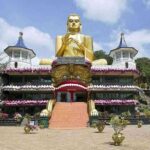
Then comes the Golden Temple of Dambulla, a UNESCO World Heritage Site. Cave murals and Buddha statues are the headline here, and this place is a strong reason to include Dambulla on a first Sri Lanka trip. Even if you’re not a “temple person,” cave art tends to grab attention because it’s a visual story you can’t skip.
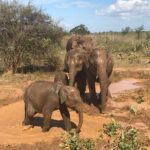
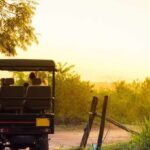
After that, you go into wildlife mode with a Minneriya National Park safari (jeep-based). Minneriya is known for large populations of Asian elephants, and a 3-hour safari block means you’re there long enough to actually look for sightings instead of just driving past. This is one of those days where early effort often pays off.
Consideration: safari admissions are not listed as included, so you’ll want to budget extra. Also, safaris depend on timing and animal movement—your best bet is to go in with flexible expectations and stay patient during the drive.
Sigiriya Lion Rock and Polonnaruwa: why this route works
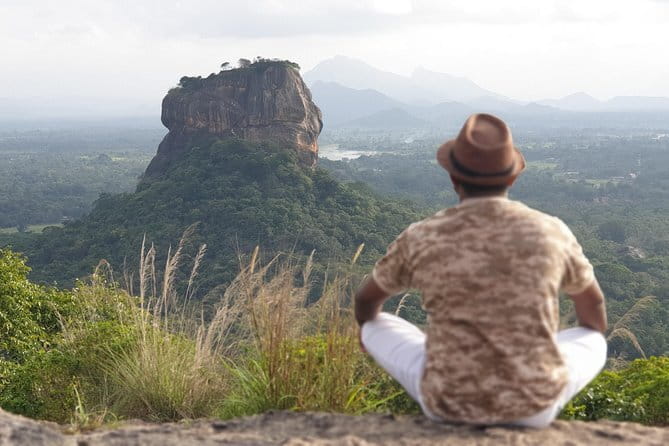
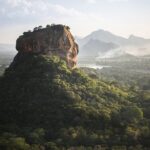
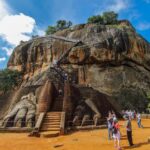
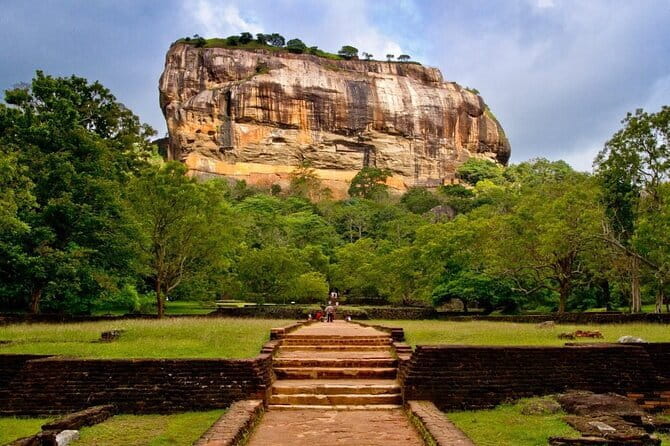
The big highlight here is Sigiriya Lion Rock. This ancient rock fortress is famous for its towering cliff and the storybook entrance with lion-paw imagery. You’ll also deal with actual walking and stair-like climbs (so moderate physical fitness helps). Even if you’ve seen photos, being up close changes the experience because you feel the scale of the rock and the old engineering.
Right after, you’ll spend time with a Sigiriya village-style experience. This is where the trip turns from monuments to daily life: local culture, food tasting, and a look at how people live around the fortress. This kind of stop is valuable because it prevents the whole trip from becoming a checklist of sights.
Then you move to Polonnaruwa, another UNESCO World Heritage Site. The appeal here is the medieval architecture and ruins, including major structures like Gal Viharaya. Polonnaruwa works well after Sigiriya because you see the region’s different “power center” styles rather than repeating the same type of site twice.
A practical drawback: these heritage days are physically active. You’ll likely want comfortable shoes and a plan for sun and hydration. And because multiple places list admission tickets as not included, you’ll probably pay at least a couple of major entries on top of the tour price.
Trincomalee coast: beaches plus sea life around Pigeon Island

After the inland temples and ruins, Trincomalee gives you coastline breathing room. The route includes Trincomalee Beach (also called Golden Beach) and Marble Beach. Both are simple in description and strong in effect: soft sands, clear turquoise water, and that east-coast feeling of space.
Then there’s Pigeon Island National Park, which shifts you from beach time to marine time. This is known as a marine sanctuary with coral reefs and diverse marine life. It’s especially relevant if you like snorkeling and diving, since the stop is built around what you can see in the water.
You’ll also get Koneswaram Temple (Thirukoneswaram Kovil) on the coast—an important Hindu temple associated with Lord Shiva and known for cliffside views. After that, Fort Frederick adds a different layer: Portuguese and later Dutch influence. Even if you don’t care about walls and eras, coastal forts are good places to understand why cities were so contested.
One more culture stop comes later in the day flow with Kandy Spice Walk and a Kandy Lake Club cultural dance show. The spice walk is designed around local spices and herbs, while the dance show is the traditional performance piece. If you want Sri Lanka beyond temples, these two stops are where the trip gets more sensory and more hands-on.
You can also read our reviews of more tours and experiences in Negombo
Kandy and tea country: tooth relics, gardens, falls
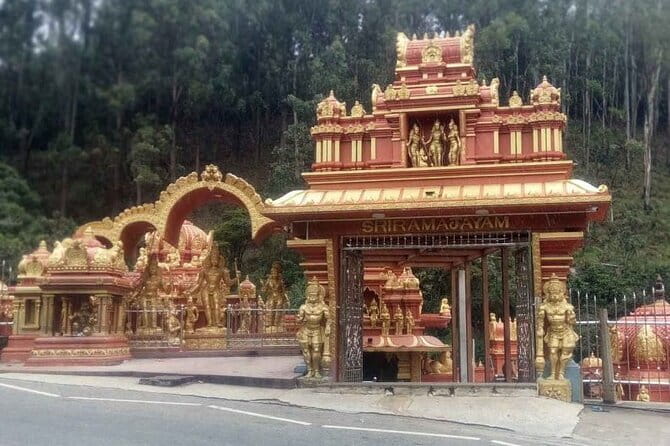
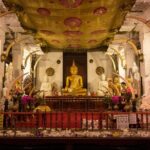
In Kandy, the Sacred Tooth Relic Temple (Sri Dalada Maligawa) takes center stage. This UNESCO World Heritage Site houses the tooth relic of the Buddha, and the architecture and interior details are the reason to come. Expect a revered, ceremonial feel—this is one of Sri Lanka’s most important Buddhist places.
Right after, you’ll spend time in the Royal Botanical Gardens in Peradeniya. The garden is known for a large collection of plant species—over 4,000—so orchids and towering palms are part of the pitch. This stop is also a good break day from heavy ruins and safaris. It’s slower, calmer, and you can pace yourself.
You also get scenic moments like Kandy View Point, plus Ramboda Falls on the A5 road. The falls are described as a two-tier cascade through lush hills and tea plantations. Then the tea stop in Nuwara Eliya rounds the day out with The Tea Garden, where you can enjoy views and freshly brewed tea.
Important note: several of these stops list admission tickets as not included, so this is another place to expect extra costs. Also, tea-country days often mean more driving and changing elevations. The tour lists moderate physical fitness as the baseline, so take it seriously if you’re prone to fatigue on stairs or uneven paths.
Horton Plains and Ella: when viewpoints do the talking
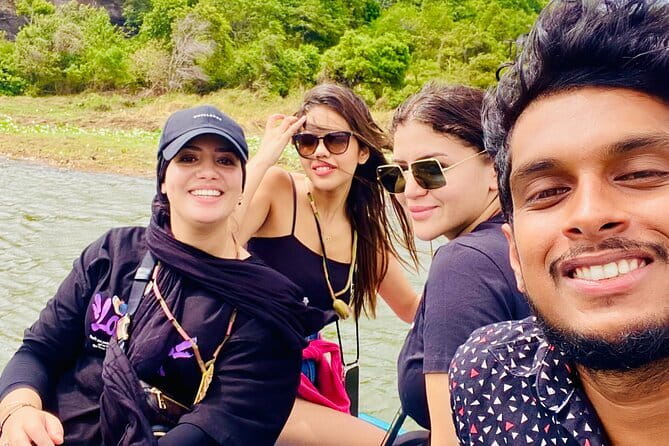
Horton Plains National Park is the highland flex on this route. It’s UNESCO-listed and known for dramatic viewpoints, including the famous World’s End cliff. The experience here is about open air and big skies, not just a single photo spot. It’s short enough to fit in a day, but still substantial enough that you’ll feel like you left the heat and noise behind.
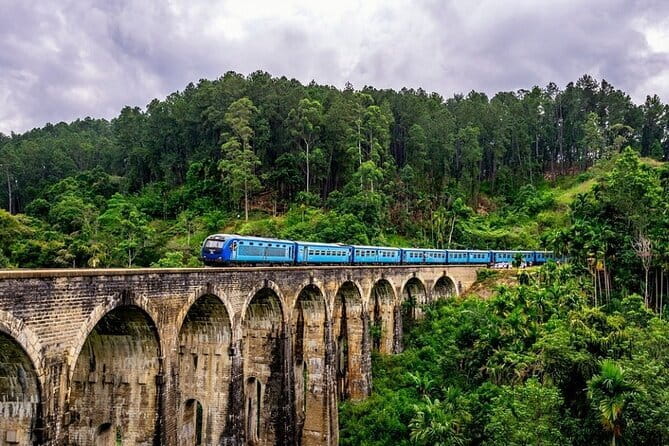
Then you head into Ella via train. The Ella Train Trips stop is described as a scenic ride through tea plantations and misty mountains along the A9 route, often considered a standout. This is a good inclusion because it’s less strenuous than another long drive and it gives you scenery in motion.
On top of that, you’ll still hit famous stops in the Ella area: Nine Arches Bridge is iconic, with colonial-era rail architecture and a strong green backdrop. Little Adam’s Peak adds a relatively easy hike for panoramic views. Ravana Ella Falls rounds it out as a quick waterfall visit.
One downside to know: this region stacks several short walks and photo stops in a row. If you hate rushing, plan for slower pacing and don’t feel forced to treat every viewpoint like a sprint.
Yala safari and the southern shift: leopards are the headline
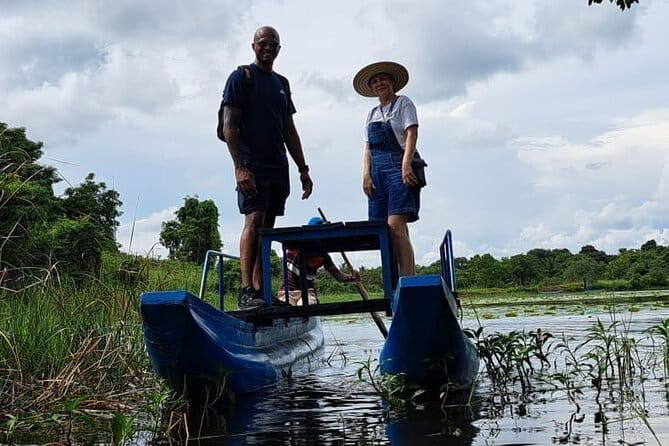
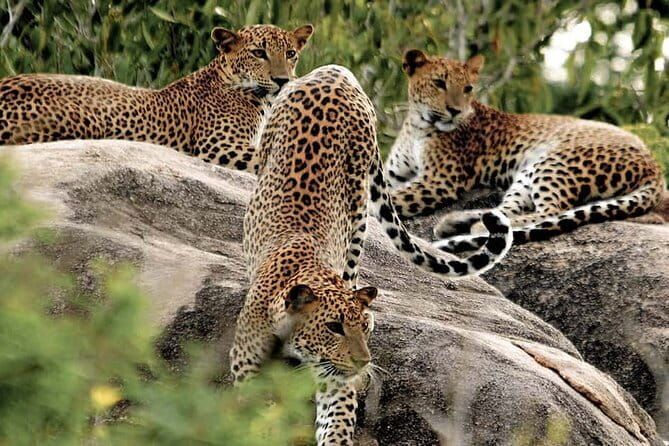
Yala National Park brings the safari thrill back. The route lists a 3-hour Yala safari and calls out wildlife variety, including leopards and elephants, plus bird species. Yala is one of those places where the suspense is part of the experience. Sometimes you get dramatic sightings; sometimes you get a lot of smaller wildlife moments. Either way, the longer time block helps.
From Yala’s wilderness mood, the trip turns toward Galle Dutch Fort. This UNESCO site is all about fortified walls, colonial architecture, and coastal views. It’s a strong historical counterpoint to the safari. Plus, Galle is a place where you can slow down and spend time just wandering the streets and ramps around the fort without feeling like everything is rushed.
Then you head to beach time again with Hiriketiya Beach and Hikkaduwa Beach. Hiriketiya is described as crescent-shaped with clear turquoise waters and golden sands, while Hikkaduwa is known for golden sands, crystal-clear water, and coral reefs attracting snorkelers and divers.
A practical consideration: beach days can be emotionally dangerous for your schedule. They’re easy to overstay. If you’re trying to keep the whole 10 days feeling fun instead of tiring, set a mental limit for how long you want to be in the sun before moving on.
Turtles, mangroves, and Colombo’s two faces
Your final stretch blends conservation, water cruising, and city sightseeing.
First up is the Sea Turtle Hatchery in Ambalangoda. This is focused on sea turtle conservation and lets you observe hatchlings being cared for, with an education angle around protecting endangered species. If you care about nature beyond a safari drive, this stop lands well because it’s about ongoing effort, not just a one-time sighting.
Next comes the Madu River Safari (Nilwala boat safari). This is a tranquil exploration of mangroves and biodiversity, spotted from a boat while you look for birds and monitor lizards. The value here is pace: after safaris and heritage sites, you get something calm and slow.
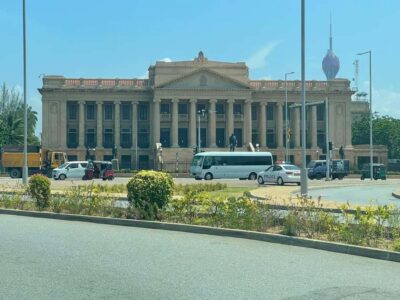
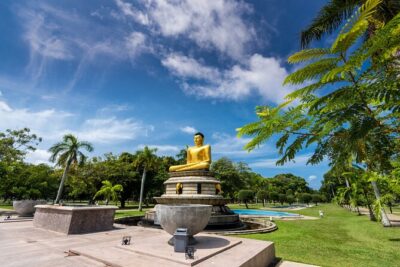
Then you end in Colombo with a city tour: Galle Face Green, Independence Square, and other colonial-era landmarks are part of the overview. After that, Colombo Port City gets a brief look as a major waterfront development project.
Finally, there’s Gangaramaya (Vihara) Buddhist Temple. It’s described as blending modern and traditional architecture with intricate sculptures and Buddha statues. Colombo can feel like a contrast city, and this ending gives you a cultural close without pretending the island is only old ruins and wild animals.
Price, value, and what you’ll likely pay on top
At $1,100 per group (up to 3), this tour is built around private transportation plus all fees and taxes. That matters because Sri Lanka travel is easiest when someone handles the driving and timing.
But keep your eyes open for extra costs. The itinerary descriptions clearly mark several major experiences with admission tickets not included—Golden Temple of Dambulla, safaris like Minneriya and Yala, Pigeon Island, Horton Plains, and some of the heritage and hill stops. So while you’re paying for a lot already, you should still expect to cover select entrance fees and safari/park tickets separately.
Hotel and meals are also not included. The tour lists suggested hotel pricing by star category (3-star USD 80, 4-star USD 90, 5-star USD 120 outside Colombo, and 5-star USD 160 in Colombo). That’s helpful because it means you can rough out a total trip budget before you decide.
One more value angle: the route includes pickup offered, and it’s private. So if you can share the car with family or friends, the per-person math gets much more friendly than comparing against group-bus tours.
Who should choose this tour, and who should skip parts
This fits best if you want one planner to cover a lot of Sri Lanka in a single swing, without you constantly negotiating tickets and timing. It’s also a good option for families or mixed-age groups as long as everyone is okay with moderate walking and uneven terrain at sites like Sigiriya and hill viewpoints.
It may not fit if you’re the type who likes long, slow beach days with nothing on the schedule. The route does include multiple beaches, but it also stays active with safaris and heritage stops, so you’ll be moving most days.
Also, if you dislike paying separate entrance tickets for major parks and temples, you might feel nickel-and-dimed on certain days. You can solve that by asking the operator ahead of time which stops typically require separate tickets and what that looks like for your group.
Should you book this 10-day heritage and wildlife tour?
I’d book it if you want a balanced Sri Lanka mix: rock fortresses and UNESCO caves, elephants by jeep, tea-country scenery, big national parks, and a finish that includes turtles and Colombo city time. The private driver setup is the real backbone, and the human coordination described with Sam and drivers like Chamal or Nish is a strong signal that you won’t feel lost.
I wouldn’t book it if you want a minimalist trip with only free sights, or if you’re sensitive to extra admission costs. In that case, you’d likely be happier with a shorter, more focused route.
If you do book, do one simple thing: ask the operator to list which stops in your version of the itinerary typically require separate tickets. Then you’ll enjoy the trip without surprise math in your head.
FAQ
How long is the tour?
It’s 10 days and 9 nights (approx.).
Where does the tour take place?
The tour is based in Sri Lanka, with the location listed as Negombo.
Is pickup included?
Pickup is offered. The start time is listed as 12:00 am, so confirm the exact pickup timing for your group.
Is this tour private?
Yes. It’s a private tour/activity, and only your group will participate. The group size is up to 3.
What is included in the price?
Included items are private transportation, an air-conditioned vehicle, and all fees and taxes. Mobile ticket is also mentioned.
What is not included?
Not included items are WiFi on board, restroom on board, hotel accommodation, and meals. Hotel pricing by star category is provided separately, and some attractions list admission tickets as not included.
What languages do the drivers speak?
Drivers speak English, Tamil, Arabic, Spanish, German, French, Italian, and Japanese.
Is there a fitness requirement?
Travelers should have a moderate physical fitness level.