REVIEW · MULTI-DAY SRI LANKA TOUR PACKAGES
14 Days/ 13 Nights -Sri Lanka Tour on Culture, Wildlife & Beaches
Book on Viator →Operated by Sri Lanka Tour Driver with Car · Bookable on Viator
A Sri Lanka mix of temples, jeep safaris, and sea time. This 14-day private route packs Sigiriya, big wildlife days, and then trades into beaches from Tangalle to Mirissa. I like that you get a driver-led plan (with English-speaking support) and hotel comfort, not a frantic backpacker shuffle.
Two things I really value: the air-conditioned private vehicle and the way the itinerary builds from culture into nature without you guessing what comes next. One possible drawback is the pace: you’ll cover a lot of ground in a short time, and some stops involve walking and viewpoints.
In This Review
- Key reasons this tour works
- Negombo start: a fast way to get your bearings
- From Ridi Viharaya to Dambulla caves: ancient Sri Lanka in a single sweep
- Sigiriya Lion Rock plus Polonnaruwa ruins: royal power, stone by stone
- Ancient capitals and a quieter monastery day
- Matale spices to the Sacred Tooth Relic in Kandy
- Peradeniya gardens and tea country views you’ll remember
- Horton Plains and Ella by train: the scenic part that feels earned
- Ella’s bridges and short hikes: great payoff for moderate effort
- Ravana Ella Falls, Buduruwagala, and Tissamaharama’s reservoir calm
- Yala safari and Tangalle beaches: wildlife then real downtime
- Hummanaya Blow Hole to Hiriketiya and Mirissa: coast variety in one day
- Whale watching in Mirissa plus Galle’s Dutch Fort walls
- Sinharaja Forest Reserve: Sri Lanka’s rainforest mood
- Sea turtles, mangroves, Geoffrey Bawa’s Lunuganga, and Colombo contrasts
- Price and logistics: what $4,900 per group really buys
- What makes the driver part matter (and how to use it)
- Tips to keep the pace enjoyable
- Should you book this Sri Lanka Culture, Wildlife & Beaches tour?
- FAQ
- Is this tour private or shared?
- Where does the tour start, and is pickup offered?
- How long is the tour and what’s the overnight setup?
- What’s included in the price?
- Are entrance tickets included?
- Do I get WiFi or a restroom on board?
- What languages does the driver speak?
- Is the tour suitable for physical activity?
- What are my cancellation options?
- Can the tour handle dietary restrictions?
Key reasons this tour works
- AC private car with hotel stays in 3–4 star properties
- Driver coordination that helps you hit major sites efficiently
- Iconic highlights like Sigiriya, Dambulla, Horton Plains, Yala, and whale watching
- Big nature variety: caves, ruins, tea hills, rainforest, safaris, turtle conservation
- South coast contrast: from crowded sights to quieter beach stretches you can actually enjoy
Negombo start: a fast way to get your bearings
Most Sri Lanka trips begin in Colombo, but starting in Negombo makes sense. Day one lets you ease into the country with a beach morning and a look at the local seafood scene, both of which feel distinctly Sri Lankan rather than touristy.
You’ll spend time on Negombo Beach (about 3 hours) and then move to the Negombo Fish Market (about 2 hours). The fish market is one of those places where your senses wake up fast: stalls, bargaining energy, and fresh displays that make it clear Sri Lanka runs on the ocean as much as on culture and tea.
If you’re jet-lagged, this is a good day to have. You get scenery and a real local rhythm without committing to long climbs.
You can also read our reviews of more tours and experiences in Negombo
From Ridi Viharaya to Dambulla caves: ancient Sri Lanka in a single sweep
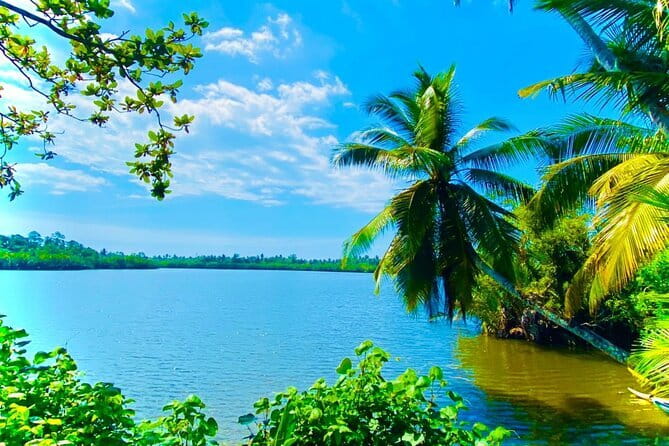
Day two starts with Ridi Viharaya (the Silver Temple). It’s a historic Buddhist temple known for rock carvings and ancient relics, and even in a short visit it gives you a feel for Sri Lanka’s layered spirituality.
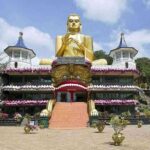
Then you move to Dambulla Royal Cave Temple, a UNESCO World Heritage site with five caves filled with murals and Buddha statues. This is a stop where the visuals do the work: you’re surrounded by stone walls that have held religious art for centuries, and the sheer scale is the point.
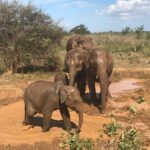
After caves and carvings comes a wildlife day at Minneriya National Park. The safari is about 4 hours and focuses on one of Sri Lanka’s best elephant habitats. Minneriya is famous for large gatherings of Asian elephants in the right season, so your odds of seeing elephants are part of the appeal.
Practical note: you’ll switch from slow, indoor cave time to outdoor safari time. Bring water, and don’t count on shade everywhere.
Sigiriya Lion Rock plus Polonnaruwa ruins: royal power, stone by stone
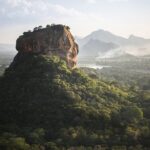
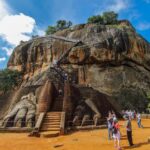
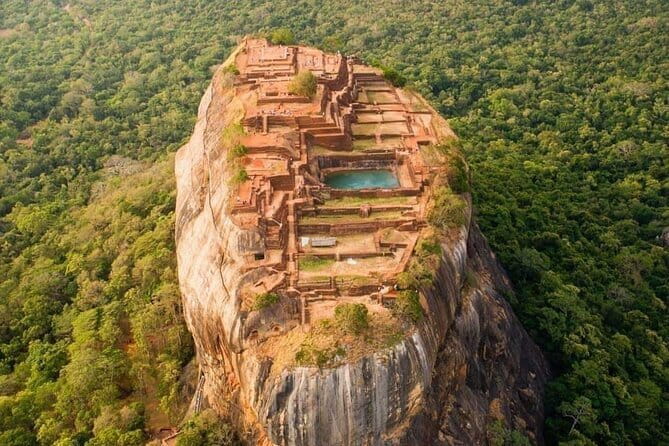
On day three, Sigiriya Lion Rock is the headline. This ancient rock fortress rises about 200 meters high and is famous for the frescoes and the iconic lion-paw entrance. Even if you don’t love history lectures, you can feel why this site mattered: the views and the climb-up story make it unforgettable.
After that, you head to Polonnaruwa, another UNESCO site and Sri Lanka’s medieval capital ruins. The big payoff here is variety: you’ll see major ruins like Gal Viharaya and get a sense of how the city functioned long before modern roads.
This day works because it pairs two different “wow” styles. Sigiriya is dramatic and vertical. Polonnaruwa is wide and architectural. Together, they explain why Sri Lanka’s ancient era still dominates the imagination.
Ancient capitals and a quieter monastery day
Day four leans into older capitals and less-typical spiritual stops.
You’ll visit Ritigala Forest Monastery first, in the mountains. It’s valued for a peaceful setting and historical significance, and it’s a nice change of pace after the heavier day of caves and ruins. Even when you’re moving on, it’s the kind of stop that makes you slow down and look.
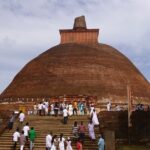
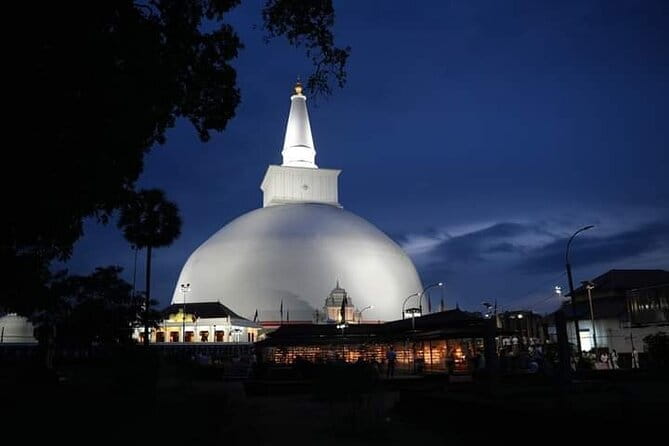
Next up is Anuradhapura, yet another UNESCO World Heritage ancient capital. Expect well-preserved ruins and sacred sites, including the revered Sri Maha Bodhi tree area. It’s the kind of place where you can spend a little extra time just observing how religious spaces live in everyday life.
Finally, you’ll stop at Avukana Buddha Statue, a 40-foot rock-carved statue dating back to the 5th century. This is one of those “stand and look” monuments. It’s not about lots of different exhibits; it’s about scale and craftsmanship.
If you’re sensitive to heat, plan to take breaks. These days include multiple outdoor moments.
Matale spices to the Sacred Tooth Relic in Kandy
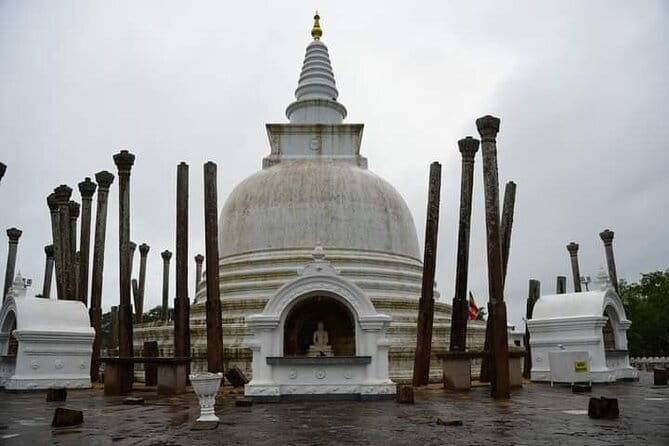
Day five is a culture and senses day.
You’ll start with Nalanda Gedige, an ancient temple known for its South Indian and Sinhalese mix. Then you shift into a more hands-on side of Sri Lanka at the Matale Herbal and Spice Garden. Even if you only catch the highlights, spices and herbs connect Sri Lanka to both cooking and traditional medicine, which makes the whole experience feel more grounded than sightseeing alone.
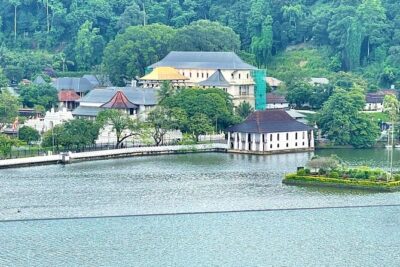
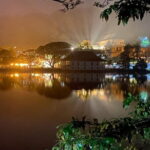
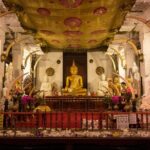
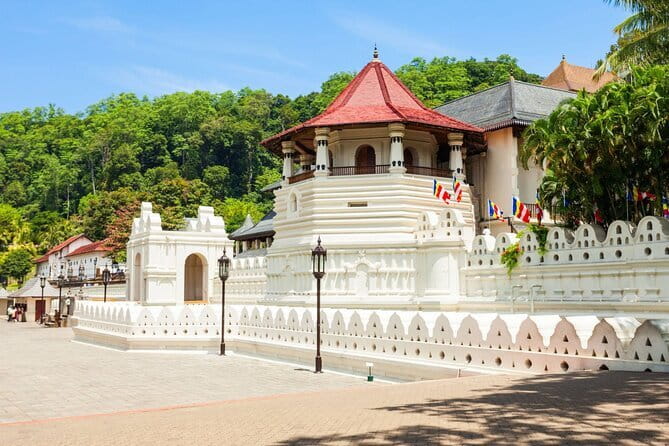
In Kandy, the tone deepens at the Temple of the Sacred Tooth Relic (Sri Dalada Maligawa). This UNESCO site houses the tooth relic of the Buddha, and the architecture and sacred atmosphere are the draw.
That night is capped with a Kandy Lake Club Cultural Dance Show featuring Kandyan dance and drumming. This is one of the best “energy resets” in the itinerary: you’ve spent hours around stone and doctrine, and then you get motion, rhythm, and costume work that makes the culture feel alive.
Peradeniya gardens and tea country views you’ll remember
Day six stays easy on the mind, even if the driving is real.
You’ll visit the Royal Botanical Gardens in Peradeniya, near Kandy. It’s a big garden with varied plant collections, and the point is comfort: shade, walking paths, and the chance to breathe.
Then you go toward tea country with Ramboda Waterfall. It’s a 109-meter-high cascade surrounded by greenery, and it’s a good stretch-out moment after temple days.
Tea takes over at the Damro Labookellie Tea Centre and Tea Garden in Nuwara Eliya. This is where you see the production side of Sri Lanka, not just the scenery. If you like tea, you’ll enjoy it more than you might expect, because the walk-through ties the landscape to the product.
Bring a light layer if you’re going early or late in the day. Hill weather can swing.
Horton Plains and Ella by train: the scenic part that feels earned
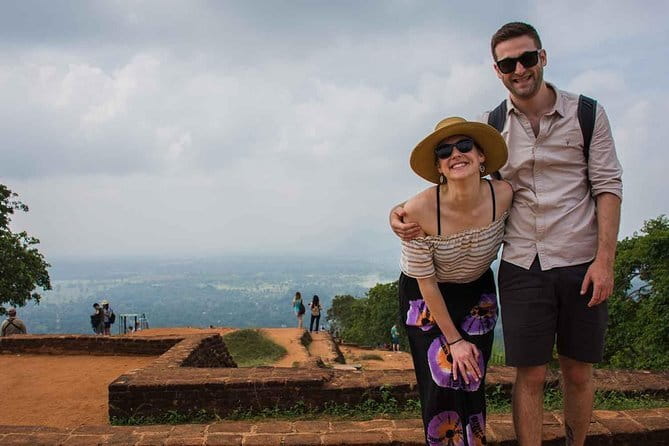
Day seven includes Horton Plains National Park, a UNESCO site with dramatic viewpoints like World’s End. This is a long stop (about 6 hours), and it’s also where the “moderate physical fitness” note matters. You’re dealing with high-altitude walking and big drops in the scenery, so take it slow and don’t rush the viewpoints.
Later, you take in one of Sri Lanka’s most famous rides: the Ella Train Trip. It’s about 3 hours and tends to be memorable because the route cuts through tea plantations and forested hills. This is a change in pace that feels like you’re traveling slower on purpose.
Ella’s bridges and short hikes: great payoff for moderate effort
Day eight keeps you in Ella’s orbit and adds the iconic photo stops.
Nine Arches Bridge is the big one: an elegant railway bridge with nine arches spanning a valley. You’ll want time to step back, look from different angles, and just let it sink in.
Then it’s Little Adam’s Peak View Point. It’s a relatively easy hike by comparison with harder mountain days, but it still gives you broad panoramic views over hills and tea land. It’s a good way to burn off the train day and then reset your eyes.
After that, you’ll have a calmer nature break at Ravana Pool Club, a riverside natural pool setting. It’s the kind of stop where you can cool off and stop thinking about schedules.
You’ll also visit Mahamevnawa Monastery in Kumbalwela. It’s a peaceful environment meant for reflection and spiritual quiet, and it helps break up the more “activity-heavy” itinerary pieces.
Ravana Ella Falls, Buduruwagala, and Tissamaharama’s reservoir calm
Day nine is waterfalls, a big rock-carving temple, and then a quieter nature stop.
First, Ravana Ella Falls near Ella. It’s about 25 meters high and sits in lush green surroundings. You’ll likely get the best experience by arriving with clear timing and staying a bit longer than you think, because the light changes fast around waterfalls.
Then comes Buduruwagala Temple in Wellawaya, known for a massive 51-foot Buddha statue carved into the rock. This is a “scale stop” again. When you see it in person, you understand why it’s a landmark.
Next, Tissa Wewa and Tissamaharama Raja Maha Vihara. The reservoir stop gives you birdwatching-style calm and wildlife viewing opportunities, while the ancient temple adds that religious anchor before the safari days ramp up.
Yala safari and Tangalle beaches: wildlife then real downtime
Day ten is split between one of Sri Lanka’s best wildlife arenas and the coast.
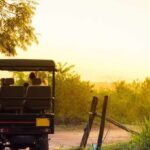
Yala Safari is about 3 hours and targets Sri Lanka’s most famous wildlife sanctuary, known for leopard density as well as broader biodiversity. If you’ve been waiting for a major animal day, this is where it lands.
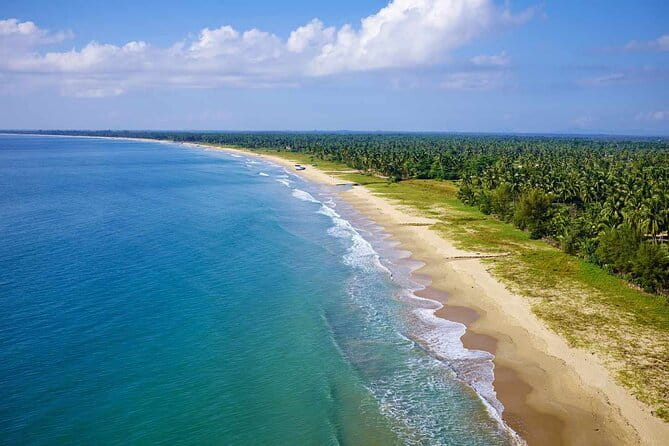
Then you shift to the sea: Silent Beach (Tangalle) followed by Tangalle Beach. These stops are short (around 1 hour each), but they give you that beach contrast after hours in vehicles and open safari terrain. It’s also a place to eat simply and let your body cool down.
If you plan to swim, check conditions on the spot. Coast conditions can vary.
Hummanaya Blow Hole to Hiriketiya and Mirissa: coast variety in one day
Day eleven is a fun sequence of coastal sights without making it feel like one long beach slog.
Start at Hummanaya Blow Hole, where seawater shoots through natural rock formations. It’s short and dramatic, and it’s also the kind of stop that looks better if you time it with wave action.
Next, Hiriketiya Beach, a crescent-shaped bay that’s popular for swimming and surfing. Then you’ll go to Coconut Tree Hill for panoramic ocean views. It’s quick, but it’s a nice camera-and-breath moment.
Then comes Secret Beach in Mirissa, a quieter, secluded stretch you can use to escape the busier parts of town. Finally, you’ll end at Mirissa Beach, a popular swimming and lounging shoreline with a lively beachfront feel.
This is also a good day to pack reef-safe habits if you’re snorkeling or wading near shore.
Whale watching in Mirissa plus Galle’s Dutch Fort walls
Day twelve brings two of Sri Lanka’s most memorable “big ticket” experiences.
The morning is Whale Watching in Mirissa with Kumara (about 4 hours, included). This is described as an eco-friendly style guided by locals, with chances to spot blue whales, sperm whales, and dolphins. Real talk: you can’t control animal behavior, but Mirissa is a strong place to try, and a guided setup matters for safety and timing.
After whale time, you move to Galle Dutch Fort, a UNESCO World Heritage site built by the Dutch during colonial rule. This is history you can walk on: cobblestones, colonial-era structure, and ocean views.
You finish with Unawatuna Beach near Galle. It’s a crescent bay known for swimming and snorkeling, and it gives you a final “sea day” feel before the rainforest push.
Sinharaja Forest Reserve: Sri Lanka’s rainforest mood
On day thirteen, you go to Sinharaja Forest Reserve, a UNESCO World Heritage tropical rainforest often called the Lion’s Kingdom. The point here is biodiversity and the sense of being surrounded by living forest.
The stop length is about 6 hours, which means you’ll have time to experience the area instead of rushing through it. If you love birds, insects, and rare plants, this is the day you’ll appreciate most.
Bring insect protection and expect humidity.
Sea turtles, mangroves, Geoffrey Bawa’s Lunuganga, and Colombo contrasts
Day fourteen is a strong closing blend: conservation, river ecosystems, garden design, then city history.
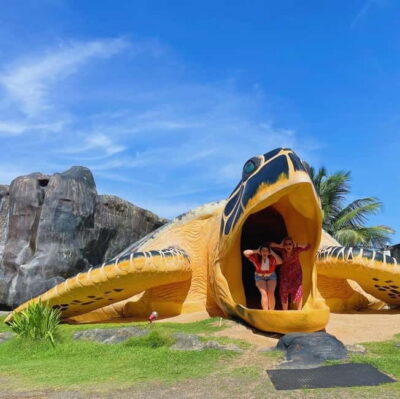
You’ll start at the Ahungalla Sea Turtles Conservation and Research Center. It’s included time focused on protecting endangered sea turtles through conservation, research, and education. Even if you’re not a marine specialist, conservation sites tend to be the most human-scale experiences.
Then you take Madu River Safari (Nilwala boat safari) near Balapitiya. This is a slower, scenic ride through mangrove-lined waterways and islands, with wildlife viewing opportunities. It’s a calm counterbalance to the earlier rainforest walking.
Next is Lunuganga Garden Tour in Bentota, the landscaped estate of architect Geoffrey Bawa. It’s about design as much as nature, and it helps close the loop from tea country scenery to how Sri Lanka’s hills and coasts inspire architecture.
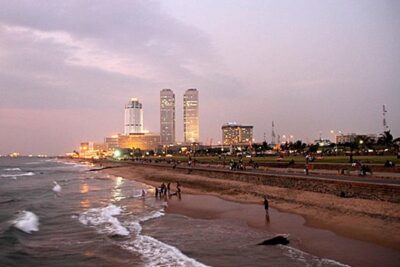
After that, you head into Colombo City Tour, plus Colombo Port City and Gangaramaya (Vihara) Buddhist Temple. Colombo adds modern-city energy and contrast. Port City is a new development project aimed at transforming the coastline, while Gangaramaya brings you back to religious art and architecture with a more lived-in feel.
This last day can feel packed, but it works because it shows Sri Lanka as more than just ruins and wildlife.
Price and logistics: what $4,900 per group really buys
At $4,900 per group (up to 3) for 14 days, the value comes from the structure: private transport, hotels, and included fees. For a private Sri Lanka plan, that’s not an easy price to beat if you want both culture and wildlife without self-driving stress.
Here’s what you’re getting based on the tour details:
- Air-conditioned vehicle and private transportation throughout
- Hotel accommodation in 3–4 star properties
- Breakfast for 13 days
- All fees and taxes (and many key entrance tickets are marked included in the route)
- A driver who speaks multiple languages, including English and others such as Tamil, Arabic, Spanish, German, French, Italian, and Japanese
- Mobile ticket
What you should plan for outside the package:
- No WiFi on board
- No restroom on board
Also, the meeting/start time is listed as 12:00 am. In practice, that usually means your provider coordinates pickup around that start window, but you’ll still want to confirm the actual pickup time the moment you book.
What makes the driver part matter (and how to use it)
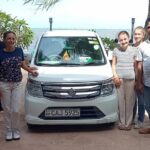
The strongest praise in prior experiences is about people, not just places. A driver/guide such as Chamal has been highlighted for being punctual, safe on the road, and attentive to details. One trip described working smoothly because the driver helped coordinate accommodations and suggested great food stops, not just ticket lines.
Names you may hear from this operator include Sam (the founder) and Jeewan as well, depending on how staffing lines up for your dates. The common thread: communication and follow-through.
You’ll get more out of this tour if you actively use the driver. Ask what time to arrive at Sigiriya for less discomfort, or what order makes the train day calmer. And tell them your priorities early—wildlife odds, temple intensity, and beach time. The better you communicate, the easier it is for the schedule to feel like it was built for you.
Tips to keep the pace enjoyable
This route is action-heavy, so a few habits make it feel “smooth” instead of exhausting:
- Pack for quick weather changes in hill areas: a light layer helps near Nuwara Eliya and higher points.
- Bring a small day bag with water and basic meds. Long park days like Horton Plains need self-sufficiency.
- Wear shoes you trust. You’ll walk at Sigiriya, viewpoint hikes like Little Adam’s Peak, and rainforest areas at Sinharaja.
- Keep your expectations flexible on wildlife. Safaris and whale watching depend on nature, not schedules.
- Plan quieter beach moments: use the “free” or short beach stops like Secret Beach and Silent Beach for real recovery, not sightseeing marathons.
Should you book this Sri Lanka Culture, Wildlife & Beaches tour?
I think this tour is a good fit if you want one private package that strings together Sri Lanka’s biggest hits: ancient sites like Dambulla, major climbs like Sigiriya, rainforest and safari days like Sinharaja and Yala, and then a real south-coast finish in Mirissa and around Galle.
Skip it or modify it if you hate driving days or you want long, slow stays in just one region. The itinerary covers a lot, and the included stops mean you’ll be on the move most days.
If you can handle a moderate pace and you like the idea of a driver-led plan that also works around your preferences, this is an easy yes.
FAQ
Is this tour private or shared?
This is a private tour/activity, meaning only your group participates.
Where does the tour start, and is pickup offered?
The tour is based in Negombo, and pickup is offered.
How long is the tour and what’s the overnight setup?
It runs 14 days / 13 nights.
What’s included in the price?
The tour includes an air-conditioned vehicle, private transportation, hotel accommodation in 3 or 4 star properties, breakfast for 13 days, and all fees and taxes.
Are entrance tickets included?
Entrance tickets are listed as included on several stops, and the tour also states all fees and taxes are included.
Do I get WiFi or a restroom on board?
No. WiFi on board and a restroom on board are not included.
What languages does the driver speak?
The driver speaks English, Tamil, Arabic, Spanish, German, French, Italian, and Japanese.
Is the tour suitable for physical activity?
The tour suggests travelers should have a moderate physical fitness level, which matters for viewpoint hikes and park walks.
What are my cancellation options?
You can cancel for free up to 24 hours in advance for a full refund.
Can the tour handle dietary restrictions?
Yes. You can indicate dietary requirements such as vegetarian, vegan, or gluten-free, and if you have food allergies, you should specify them when booking.