REVIEW · COOKING CLASSES
Vegan Cooking Class Colombo with Market Tour
Book on Viator →Operated by Ceylon Rustic Guide · Bookable on Viator
Vegan cooking starts at Colombo’s vegetable market. This 5-hour private class takes you from choosing produce with a local guide to cooking it in traditional clay pots, with a menu you can shape around your preferences. The whole point is to show you the Sri Lankan method, not just the final plate.
I especially like the one-to-one instruction. You’re not watching from the sidelines—you can ask questions, get corrections in real time, and learn why certain spices and techniques work. Another win is the market leg: you practice picking ingredients like locals do, so you understand the food before you cook it.
One consideration: the menu choices listed for the class include items that may not match strict vegan diets (like chicken curry options and buffalo curd with honey). If you’re very strict, tell the provider clearly at booking so your dishes stay vegan.
In This Review
- Key highlights at a glance
- In Colombo’s green belt: why this class feels local (not staged)
- The market tour: learning how to choose vegetables and spices
- Clay pots in Colombo: the technique that changes the texture
- How the menu works (and what you’ll choose)
- Rice options
- Curry options (choose one)
- Leafy salad / mallum options (choose one)
- Enhancers and dessert
- What a 5-hour private session feels like in real time
- The coaching style: questions answered, not ignored
- Price and value: is $80 fair for Colombo?
- Who this is best for (and who should think twice)
- Practical tips before you go
- Should you book this Colombo vegan cooking class?
- FAQ
- What is the duration of the Colombo vegan cooking class?
- Is it a private class?
- Are pickup and mobile tickets included?
- What are the available class hours?
- What can I choose to cook during the class?
- What dietary info should I share before booking?
Key highlights at a glance
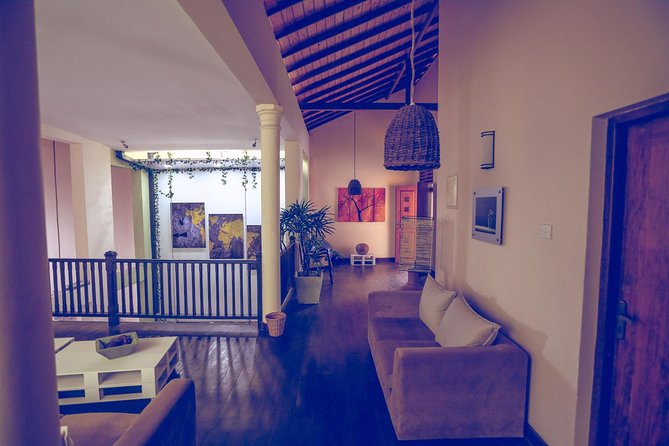
- Private coaching: one-to-one-style instruction so you can work at your own pace
- Market-to-stove learning: learn what to look for in vegetables, spices, and pantry staples
- Clay-pot cooking: a traditional method that helps food stay tender and doesn’t dry out as easily
- Your menu, your tastes: choose among Sri Lankan rice, curries, and leafy salad (mallum) options
- Hands-on from scratch: sauces/pastes and dishes are made in the kitchen, not assembled from packets
- Small-group comfort: the setup is designed so you can get your hands into the process
In Colombo’s green belt: why this class feels local (not staged)
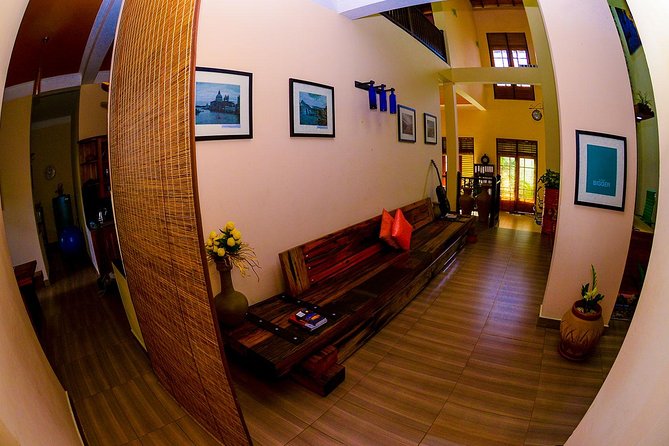
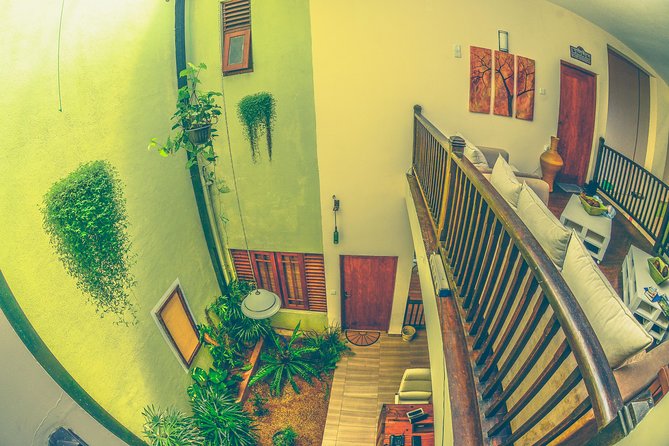
This experience is set up outside the busiest parts of central Colombo. Your base is a cozy villa in a green belt area, and the location is described as walkable to places like the Sri Lankan Democratic Parliament, the Immigration Office, and nearby Diyawanna lake. Translation: you get bird-song quiet after the market chaos.
The timing also helps. You start with a welcome drink—fresh fruit juice or a herbal drink—then you check in, refresh, and get ready for the market visit. That little buffer matters because Colombo markets can feel intense if you arrive hungry, overheated, or jet-lagged.
Also, this is framed as private. That means it’s only your group, and the guide can slow down when you’re unsure about spice levels, ingredient names, or technique steps. If you’ve ever taken a cooking class where you’re stuck following the fastest person’s rhythm, this format is a big deal.
You can also read our reviews of more tours and experiences in Colombo

The market tour: learning how to choose vegetables and spices
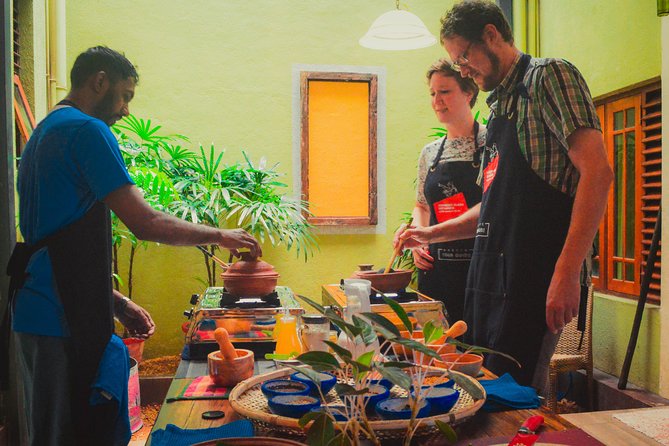
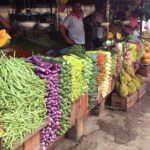
The market stop is the heart of the learning. You’ll explore local stalls with a guide, working through the practical questions that online shopping can’t answer: which vegetables are actually right for Sri Lankan cooking, how to judge freshness, and which spices you should prioritize.
What I like about this approach is that it trains your eyes. Sri Lankan grandma-style cooking depends on timing and ingredient quality—fresh vegetables picked soon before cooking, and spice mixes chosen for the flavor balance. Without seeing how people select produce in person, it’s easy to end up with a dish that tastes “almost right” at home.
The market is also where the language barrier shrinks. If you’ve struggled in the past trying to communicate ingredient needs, a local guide helps you get past the basics and into details—what a chili should look like, how herbs smell, and what you’re buying for the specific curry or mallum you’ll cook later.
One more thing: the description compares the market-style experience to eco-shop habits in Europe—meaning it’s more about finding quality items than just browsing souvenirs. You leave with a clearer sense of what’s normal in a Sri Lankan kitchen pantry.
Clay pots in Colombo: the technique that changes the texture
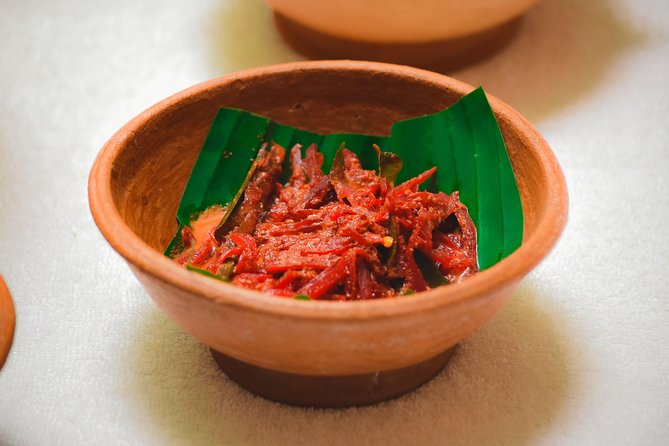
After the market, you cook in clay pots, which is a big part of the uniqueness here. Clay pottery is one of the oldest crafts in Sri Lanka, and the key is that a well-seasoned pot behaves differently than modern cookware.
The main practical benefits the class highlights are simple:
- Porous walls help food retain moisture, so it doesn’t dry out as quickly.
- The cooking style works well for long slow cooking, which is common in Sri Lankan curries and braises.
There’s also an extra claim included in the class description: food cooked in clay pots can be preserved longer due to antibacterial and acidic moisture properties. Even if you don’t treat that as a kitchen science project, it underscores the idea that clay pots aren’t a gimmick—they’re part of how Sri Lankans have cooked for generations.
If you’re the type who loves food science (or just wants dinner to taste better), clay pots are one of the easiest upgrades you can try at home later. Even without a perfect replica pot, you’ll understand what changes when you slow-cook with moisture-holding cookware.
How the menu works (and what you’ll choose)
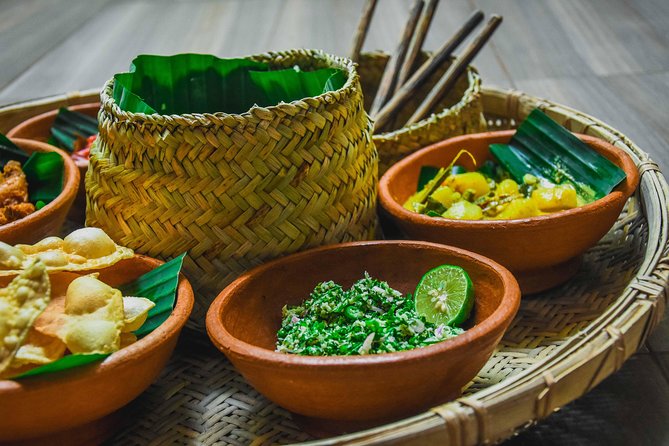
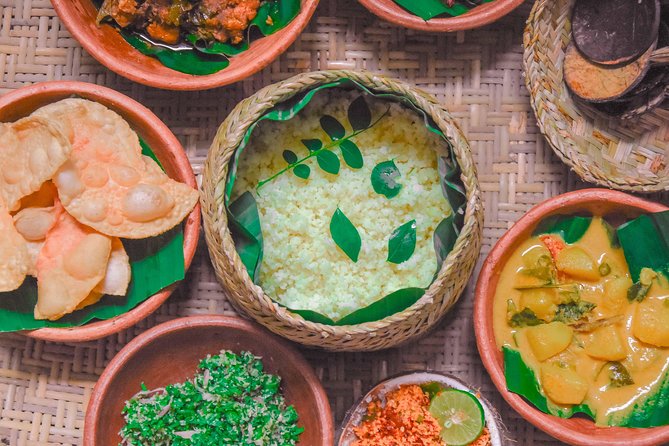
You’ll tailor your menu as part of the class. The choices listed are designed around classic Sri Lankan building blocks: rice, curry, and mallum (leafy salad).
Rice options
You can choose one:
- White rice
- Yellow rice
- Brown rice
You can also read our reviews of more shopping tours in Colombo

Curry options (choose one)
The curry list includes:
- Sri Lankan chicken curry
- Sri Lankan dhal curry
- Sri Lankan coconut sambol
- Sri Lankan potato curry
- Fried mushroom
Leafy salad / mallum options (choose one)
Pick one:
- Gotukola
- Mugunuanna
- Gova mallum
- Kankun mallum
- Aguna kola mallum
Enhancers and dessert
There’s also mention of papdum as an enhancer. For dessert, the description notes tea/coffee and tropical fruits, plus a line about buffalo curd with honey.
Here’s the important practical takeaway for you: the experience is presented as vegan, but the listed options include non-vegan items. So if you want this to stay fully vegan, confirm what’s included in your menu at booking. Ask directly about:
- whether any curry options are replaced for vegan cooking
- what happens with the buffalo curd reference (since curd isn’t vegan)
That small step will protect your expectations and keep you comfortable during the class.
What a 5-hour private session feels like in real time
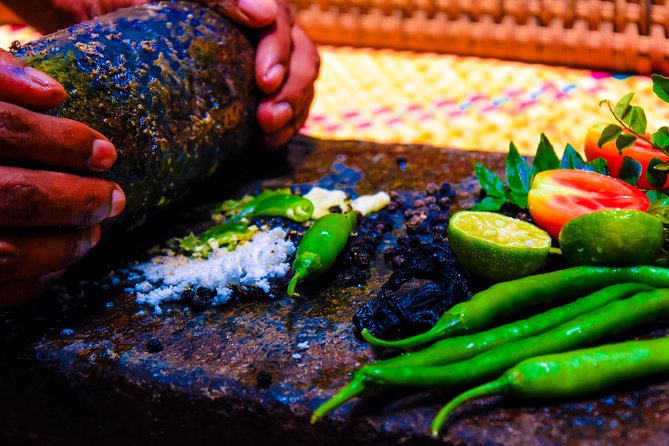
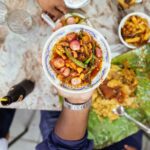
The class runs about 5 hours. Within that window, you’re doing more than “one dish.” Multiple reviewers describe the experience as very hands-on—making items from scratch, not just assembling final plates. One review specifically noted that everything in the kitchen is made from scratch, including sauces, paste, fillings, and appetizers.
Here’s how the flow likely lands for you, based on the structure described:
- Welcome and refresh at the villa (fruit juice or herbal drink)
- Market tour with guidance on what to choose
- Cook in the clay-pot kitchen with one-to-one-style coaching
- Taste and finish with included drinks and dessert items (and any local tasting that’s part of the experience)
Your time matters here. If you only took a cooking class, you might learn recipes. With this format, you also learn ingredient logic—the choices that make the flavors click.
The coaching style: questions answered, not ignored
A strong theme in the reviews is direct help. People appreciated that the chef and helper answered questions, and that the class stays small enough for you to work through multiple steps yourself. That means you’re not just learning how to cook; you’re learning how to troubleshoot.
You’ll probably get answers on things like:
- why one spice mix works for a curry versus another
- how leafy salads are handled before mixing
- how texture changes in clay pots compared to faster cooking methods
I also like that the class explicitly talks about Sri Lankan technique variety—thousands of curries, different cooking methods, and even cases where locals can’t tell styles apart just from color and aroma. That’s a useful reminder for your own kitchen practice: taste and technique matter more than appearances.
Price and value: is $80 fair for Colombo?
$80 per person can sound like a lot—until you match it to what you get. You’re paying for:
- a private class (only your group)
- market shopping with a local guide
- instruction that’s designed to be one-to-one
- cooking with traditional clay pots
- menu tailoring (rice + curry + mallum choices)
- included refreshments, tea/coffee, light snacks, and bottled water
One other value point: it’s booked about 30 days in advance on average. That suggests good demand, which usually means you’re paying for a working setup that people actually want—not a one-off pop-up.
The only reason I’d hesitate is the vegan specificity issue noted earlier. If vegan is your non-negotiable, use the booking message to ensure substitutions are in place. If they confirm your menu is fully vegan, then $80 looks like solid value for a hands-on day that teaches more than one recipe.
Who this is best for (and who should think twice)
This class is ideal if you:
- want a hands-on cooking experience, not a watch-and-take-notes session
- enjoy learning food choices and seasoning logic
- like the idea of clay-pot cooking and want to understand the method
- are traveling with a friend/family group and want a private format
It’s less ideal if you:
- need ultra-flexible timing, since the class operates within the listed hours (9:30 AM to 3:30 PM)
- are strict vegan and don’t want to do any pre-trip clarifying—because the written menu references non-vegan items, you’ll want to confirm what you’ll actually cook and eat
If you fall in the “I’m curious but not fussy” category, you’ll probably still have a great time. If you’re strict, ask now, not during the class.
Practical tips before you go
- Confirm your vegan boundaries at booking. The menu list includes items that don’t fit strict vegan diets, so ask what will be served for your selections.
- Wear smart casual clothing as stated in the dress code. Markets can be messy; plan for that.
- Be ready for transfers time. Transfers are described as approximate and depend on day and traffic. If you’re trying to fit this between other activities, build in buffer time.
- Bring curiosity. The market lesson is where you’ll learn how to choose ingredients correctly, which makes your later cooking easier at home.
Should you book this Colombo vegan cooking class?
I’d book it if you want a private, hands-on lesson that starts before the stove. The best reason is the combination: market buying + market-guided ingredient knowledge + clay-pot cooking + coaching. That’s the kind of package that improves how you cook, not just what you cook.
I’d think twice or at least verify carefully if you’re strict vegan. The experience is clearly positioned as vegan, but the provided menu references non-vegan dishes and dairy. A quick confirmation email fixes that.
If you get the vegan menu right, this is the sort of Colombo experience that gives you something practical: you’ll leave knowing what to buy, what to look for, and how Sri Lankan flavor gets built step-by-step.
FAQ
What is the duration of the Colombo vegan cooking class?
It runs for about 5 hours (approx.).
Is it a private class?
Yes. It’s a private tour/activity, and only your group participates.
Are pickup and mobile tickets included?
Pickup is offered. You’ll receive a mobile ticket, and the meeting point is listed as Travel Footprint -SrilankaKollupitiya in Colombo.
What are the available class hours?
The listed operating hours are Monday–Sunday from 9:30 AM to 3:30 PM.
What can I choose to cook during the class?
You choose one rice option, one curry option, and one leafy salad (mallum) option. There are also enhancers and dessert options listed, but you should advise the provider about your dietary needs at booking.
What dietary info should I share before booking?
You should advise any specific dietary requirements at booking. Vegetarian option is available, and since it’s described as vegan, you’ll want to clearly state your needs.