REVIEW · COLOMBO FOOD & STREET FOOD TOURS
The 10 Tastings of Colombo With Locals: Private Street Food Tour
Book on Viator →Operated by Withlocals · Bookable on Viator
Colombo’s street food is a sensory maze. I like that this tour turns the chaos into a plan with 10 included tastings (8 dishes plus 2 non-alcoholic drinks), and I especially like the private local host who can steer you toward what locals actually order. One drawback to plan around: there’s no hotel pickup, so you’ll need to make it to the meeting point on your own.
This is a fast, food-first walk through Colombo’s markets and landmarks, not a sit-down meal tour. You’ll bounce between Fort, Pettah, and a handful of iconic religious buildings, with bites timed to keep energy up as you go.
You’ll also want a healthy appetite and a bit of patience. Even in a private format, the route is weather and street-scene dependent, and I’ve seen accounts of guides spending extra time getting everyone sorted.
In This Review
- Key things I’d bet you’ll care about
- Finding your guide at Colombo Fort Railway Station
- The Dutch Museum-area kick: king coconut to start strong
- Pettah markets and milk tea: the crowd-energy taste stop
- Jami Ul-Alfar Mosque snacks: pickled fruit and cassava chips
- Kayman’s Gate Bell Tower: samosas that actually hit
- Old Town Hall fruit market: exotic sweetness with a practical purpose
- All Saints Church area: lamprais or kottu in a secret-feeling spot
- New Kathiresan Kovil: bananas in multiple varieties
- Wolvendaal Church and the winter melon candy finale
- Manning Market and Bo Tree: a last look at daily Colombo life
- Price and value: is $97.85 a fair deal?
- What you’ll actually eat and drink (and how to plan for it)
- Heat, timing, and how flexible the host can be
- Staying safe in markets: why a local guide matters
- Should you book this Colombo street food tour?
- FAQ
- Where does the tour start?
- How long is the Colombo street food tour?
- How many food tastings and drinks are included?
- Is the tour private?
- Are vegetarian options available?
- Do I get hotel pickup and drop-off?
- What’s the cancellation policy?
Key things I’d bet you’ll care about
- Fort-to-Pettah route that mixes food with real neighborhood context
- Eight dishes + two non-alcoholic drinks included, with vegetarian alternatives
- Private tour (just you and your guide) with customization if you need to slow down
- Street-smart guidance that helps you avoid pushy sales tactics and scams
- A stop-per-flavor itinerary that keeps you moving and tasting instead of waiting
- Start point near public transport so you’re not totally dependent on a car
Finding your guide at Colombo Fort Railway Station
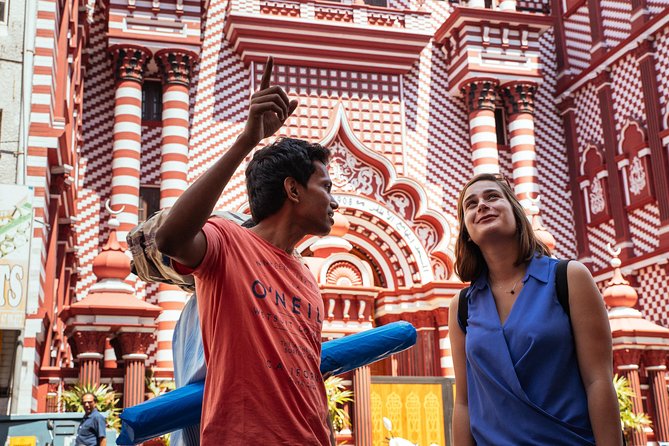
Your tour starts at Colombo Fort Railway Station, at the inquiries desk. It’s a strong choice because Fort is a hub, and it makes the whole day easier to build around. You don’t have to solve Colombo traffic first—you just show up, find your host, and go.
Because there’s no hotel pickup, I recommend leaving yourself extra buffer time. The best “hack” here is simple: arrive a little early, and confirm you’re at the exact desk/entry area your instructions mention.
Also, keep your phone handy. There have been cases in the feedback where people waited because communication didn’t go as planned. You can’t control street life, but you can control whether your contact info is on, your phone is charged, and you’re within easy reach.
You can also read our reviews of more food & drink experiences in Colombo

The Dutch Museum-area kick: king coconut to start strong
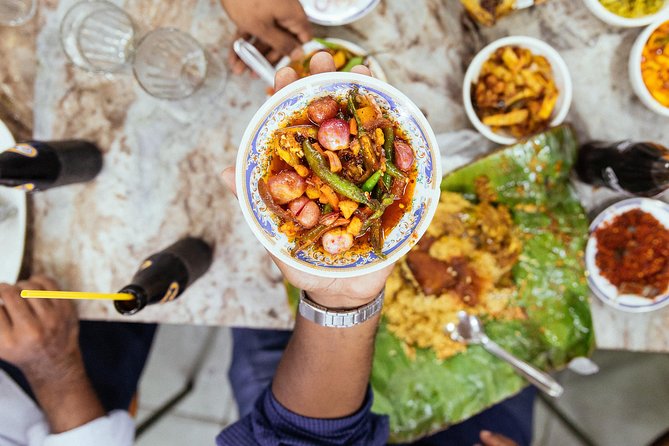
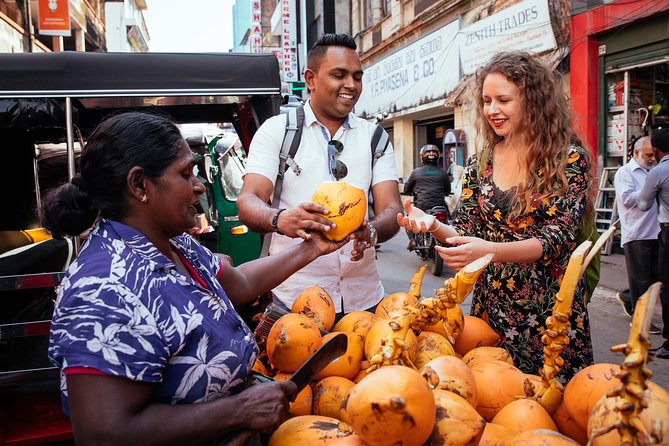
One of the first tastings is a king coconut, offered near the Dutch Museum area. That’s a smart opener because it gives you something cool and hydrating before you hit denser market streets.
It also sets the tone for how this tour works: you’ll get small, targeted tastings instead of one big “main meal.” That matters in Colombo, where the best food tends to be quick grabs at stalls and storefronts.
This stop is brief, so don’t expect a long explanation tour of the museum area. Think of it as a launch pad: energy now, then food variety later.
Pettah markets and milk tea: the crowd-energy taste stop
Next you’ll head into Pettah for a fresh milk tea on the street. Pettah is where you feel Colombo waking up, and this quick drink helps you settle in without filling up too fast.
This is one of the best parts of the experience if you like real-life scenes: people moving, vendors calling, and the market rhythm going on all around you. If you’ve only seen Colombo from viewpoints, this is where you get your bearings fast.
A quick tip: dress for walking and humidity. This kind of tour is about short tastings while you move, so comfort matters more than perfect shoes.
Jami Ul-Alfar Mosque snacks: pickled fruit and cassava chips
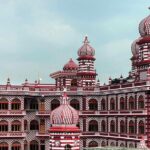
At the Jami Ul-Alfar Mosque area (near the Red Masjid), the tastings shift toward bold flavors. You’ll try various pickled fruit, and you’ll also get cassava chips that are freshly made in front of you.
This is a great stop for two reasons. First, pickles are a shortcut to understanding Sri Lankan flavor logic: sweet-sour-spicy balance shows up in lots of dishes. Second, freshly made chips give you a clear sense of the texture you’re aiming for—crunch, not stale crunch.
If you’re the kind of person who worries about trying things you can’t pronounce, let the guide do the ordering. One of the strongest praises in the feedback is how well guides help you navigate choices so you don’t feel pressured or lost.
Kayman’s Gate Bell Tower: samosas that actually hit
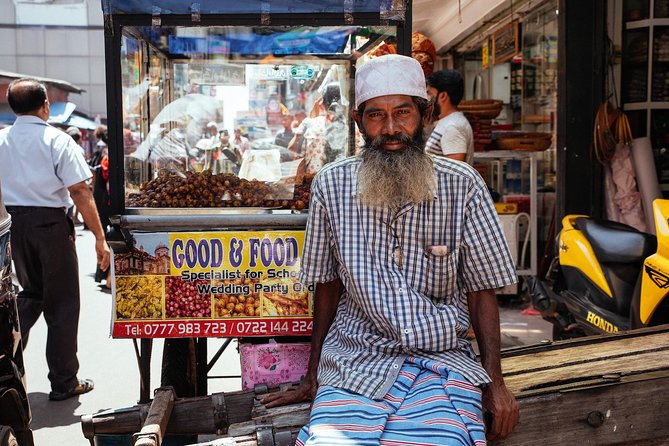
You’ll make a stop at Kayman’s Gate Bell Tower for samosas. This is the “warm, savory, street comfort” moment in the route.
Samosas work well mid-tour because they’re filling without being heavy enough to slow you down completely. And since Colombo has many versions of similar snack foods, it’s useful to try one here in the market setting rather than later at a restaurant that might chase a different crowd.
You’ll still be walking, so it’s a good time to ask your guide how spicy things are likely to be and what you should save room for next.
You can also read our reviews of more tours and experiences in Colombo
Old Town Hall fruit market: exotic sweetness with a practical purpose
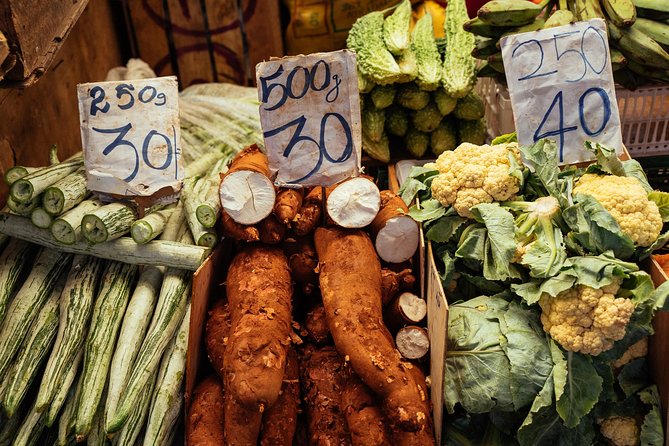
Near the Old Town Hall, you’ll find a local market stop featuring exotic fruit tastings. This isn’t just about novelty; fruit breaks up the savory cycle and refreshes your palate.
I like fruit stops on food tours because they help you notice differences in ripeness and flavor rather than only seasoning. It’s also an easy win for people with different appetites in the group—fruit is usually the safest shareable option.
If you’re watching your sugar intake, take a smaller tasting portion. The whole point is variety, not to overdo any one flavor category.
All Saints Church area: lamprais or kottu in a secret-feeling spot
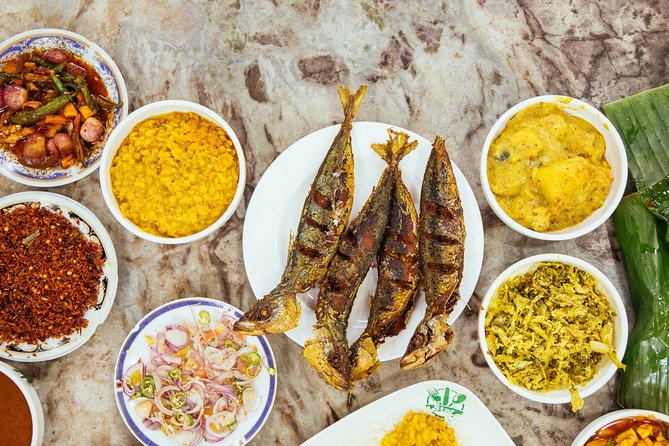
Near All Saints Church, you’ll enjoy lamprais or kottu at a nearby restaurant described as a secret spot. This is where the tour turns from snack sampling into something more meal-like.
Why lamprais/kottu is a smart choice here: both are street-linked foods people genuinely seek out. Lamprais leans into rice and rich flavors, while kottu brings that sizzling, chopped-texture vibe that’s hard to fake.
This is also an area where your guide’s ordering skill matters. One reason guides get strong mentions is that they choose based on your tastes, and you don’t end up stuck with something you don’t want when the rest of the tour is moving fast.
New Kathiresan Kovil: bananas in multiple varieties
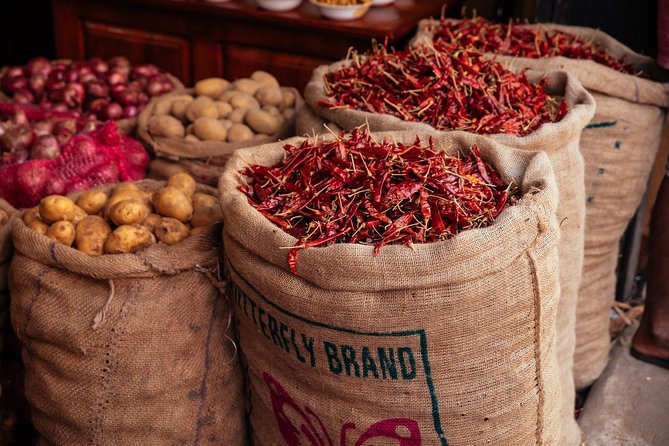
At New Kathiresan kovil, you’ll focus on fruit again, but in a more specific way: you’ll discover different banana types and try three varieties close by.
This stop is a reminder that fruit in Sri Lanka isn’t one generic fruit—it’s lots of different textures and sweetness levels. Trying three varieties back-to-back makes it easier to remember the differences later when you’re buying fruit on your own.
If you want to keep this tour useful after you finish, pay attention here. You’ll start recognizing which banana type tastes best to you, and that makes grocery shopping and market browsing way less guesswork.
Wolvendaal Church and the winter melon candy finale
Near Wolvendaal Church, you’ll end on a sweet note with winter melon candy. This is a nice close because it shifts from salty and sour to something gentle at the end of the tasting arc.
Sweet endings also help with the mental reset of a food tour. After tasting multiple savory snacks and drinks, your palate may feel “done,” so candy is a clean landing.
This stop is short, so don’t plan to chat for a long time here. Save your bigger questions for earlier, when you have more tasting moments to pair with conversation.
Manning Market and Bo Tree: a last look at daily Colombo life
The final stretch includes an open market stop in the Pettah suburb at Manning Market, followed by a pause near Bo Tree, a Buddhist temple in Colombo.
I like the way these late stops work, because they don’t just throw more food at you. Instead, they give you time to see the marketplace structure and how religion and daily life sit side by side.
If you’re worried about getting through the city fast, remember that this tour is designed to fit within about 3 hours, but the stop times suggest it can feel closer to 3–3.5 hours depending on walking speed and how long tastings take.
Price and value: is $97.85 a fair deal?
At $97.85 per person for a private 3-hour street food tour, you’re paying for two things: (1) a guided route through markets and food stalls, and (2) 10 included tastings with a local host.
What makes it feel like good value is that it’s not just “a guide with a walking group.” You’re getting specific foods and two non-alcoholic drinks already built into the price, plus vegetarian alternatives. That’s a big deal in a place where street snacks can add up quickly if you’re trying to self-plan.
One note for budgeting: extra food and drinks are not included. So think of the tastings as the plan, and avoid grabbing extra snacks at every stall unless you’re intentionally going off-script.
Also, the tour includes group discounts (in the tour features). If you’re traveling with friends, splitting the private cost or leveraging discounts can make the math look a lot better than solo.
What you’ll actually eat and drink (and how to plan for it)
This experience is built around 8 food tastings and 2 non-alcoholic drink samples, including items like king coconut and milk tea. You’ll also see strong Sri Lankan snack variety across savory chips, pickles, samosas, and fruit.
Vegetarian alternatives are available, which is useful because street food menus can be meat-heavy without warning. If you’re vegetarian, lactose-sensitive, or have spice limits, tell your guide at the start. The private format helps because the host can adjust what you’re offered.
If you’re not used to street snacks, bring a simple mindset: take small portions at each stop and trust the guide’s sequence. That’s how you get variety without feeling sick.
Heat, timing, and how flexible the host can be
This tour walks and tastes, so speed matters. In hot weather, you may want breaks, and the private setup gives your guide room to adjust pacing.
There are strong mentions of guides being patient and flexible, including accommodation for people with mobility challenges. That doesn’t mean the streets become fully smooth, but it does mean the host can respond if you need to slow down, sit briefly, or skip a sight.
On the other hand, timing isn’t always perfect. I’ve seen reports of delays related to finding the right meeting spot or getting everyone together. That’s not a reason to avoid the tour, but it is a reason to plan your day with a little breathing room.
Staying safe in markets: why a local guide matters
Markets can be fun, but they can also get salesy fast. One of the most practical reasons people like these private food tours is that guides help you avoid getting pushed into bad deals.
A couple of accounts highlight this especially around return routes—making sure you get back safely and don’t end up tangled in scam attempts. Even if you’re confident navigating cities, a local host reduces the “what just happened?” moments.
My practical advice: follow the guide’s lead on where to pay and what to accept. If you feel rushed or pressured, pause and ask your guide what’s happening.
Should you book this Colombo street food tour?
Book it if you want a high-effort, low-planning way to eat your way through Colombo’s markets. It’s ideal for first-time visitors who don’t want to guess where the good stalls are, and it’s a strong match for people who like learning through food rather than through museums.
Skip it (or at least rethink) if you absolutely need hotel pickup or you hate the idea of a walking, stop-based schedule. Also, if your travel day is tight, build in buffer time at Fort, because a few accounts point to start-time communication issues.
If you do book, do the smart prep:
- Arrive early at Fort Railway Station and keep your phone accessible.
- Come hungry, and decide whether you want to be adventurous with spice.
- Tell your guide about dietary needs up front so the vegetarian alternatives are actually used smoothly.
FAQ
Where does the tour start?
The tour starts at Colombo Fort Railway Station, at the inquiries desk.
How long is the Colombo street food tour?
It’s listed as about 3 hours.
How many food tastings and drinks are included?
You’ll get 10 tastings total: 8 food tastings and 2 non-alcoholic drink samples.
Is the tour private?
Yes. It’s a private tour, only you and your local guide.
Are vegetarian options available?
Yes. Vegetarian alternatives are included.
Do I get hotel pickup and drop-off?
No. Hotel pickup and drop-off are not included, and the tour ends back at the meeting point.
What’s the cancellation policy?
You can cancel for a full refund if you cancel up to 24 hours in advance. If you cancel less than 24 hours before the start time, the amount paid isn’t refunded.