REVIEW · COLOMBO FOOD & STREET FOOD TOURS
Colombo Express Food Tour with 9 + Tastings
Book on Viator →Operated by Capital Tour By Tuk Tuk · Bookable on Viator
Street food in a tuk-tuk is a shortcut. This private Colombo Express Food Tour strings together local stops you might miss, plus the fun factor of zipping between neighborhoods while a driver-guide talks you through what you are eating. I especially like the 9+ tastings approach (you get to sample a lot without guessing) and the included hotel pickup/drop-off. One watch-out: pacing can feel fast, and not every stop is pure street food.
You also get a simple setup that makes sense for a first visit: private group, mobile ticket, and a route built around classic Sri Lankan bites. The route includes a tea stop and a market look, plus hot, crunchy, and saucy foods like cheese ball, hoppers, pittu, kottu roti, and likely crowd-pleasers such as spicy crab curry, sambol, and ice-cream. If you get overwhelmed by spice, go in ready to ask for mild.
In This Review
- Why a tuk-tuk food tour fits Colombo so well
- The best part: 9+ tastings with less guesswork
- Your route in order: Pettah to tea to hoppers to kottu
- Stop 1 in Pettah: Chicken cheese ball
- Stop 2 at Zylen Tea: tea and coffee tasting
- Stop 3: Colombo hoppers (and that classic cooking moment)
- Stop 4: Pittu, coconut, and that bamboo cooking vessel
- Stop 5: Kottu roti, Sri Lanka street-food power
- Stop 6: Fruit and vegetable market break
- Spice levels and the real pace: come hungry, plan for speed
- Drivers and guides: the human part of the tuk-tuk
- Tea shop and dessert: what to expect beyond pure street food
- Price and value: why $35 can work (and when it won’t)
- Who should book this Colombo Express Food Tour
- Should you book it or skip it
- FAQ
- How much is the Colombo Express Food Tour?
- How long is the tour?
- Is the tour private?
- Do you get hotel pickup and drop-off?
- What tastings can I expect on the route?
- Is tea included?
- Are all stops paid admissions?
- What is the best way to prepare for the tour?
- What happens if the weather is poor?
- Is there a cancellation deadline?
Why a tuk-tuk food tour fits Colombo so well
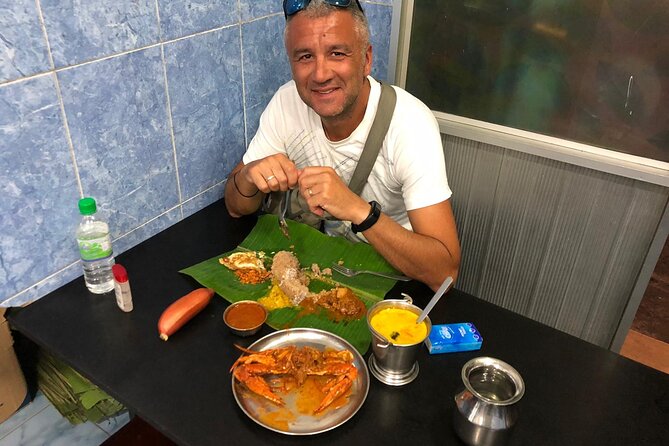
Colombo street food is not just about eating. It is about movement: quick stalls, small kitchens, and the occasional busy road crossing. A tuk-tuk tour solves the big problem for visitors: figuring out what is good and how to get there fast.
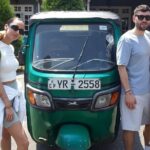
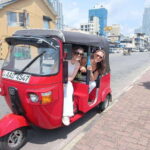
Two things make this style of tour work in real life. First, the driver-guide does the logistics, so you spend less time searching and more time tasting. Second, the tuk-tuk itself keeps energy high. You’re not stuck in one place for hours, and you see more of the city as you travel between food stops.
The trade-off is that you still need to manage your appetite. This tour aims to “stuff you” in a good way, but if you show up after a heavy lunch, you may waste tastings later.
The best part: 9+ tastings with less guesswork
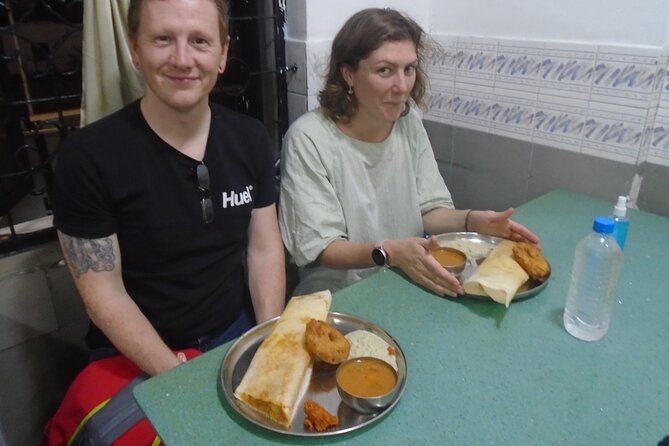
This tour is priced at $35 per person, and the value comes from how the tastings are bundled. Instead of paying for individual meals and hunting for them on your own, you get a sequence of small, distinct bites across multiple venues, usually with time to actually taste and ask questions.
The food list in the itinerary includes a clear mix of Sri Lankan favorites:
- savory snacks
- crispy bowl-shaped pancakes
- steamed rice flour with coconut
- stir-fried flatbread with vegetables
- market produce to anchor what you’re eating
- tea stop with drinks provided
Because it is private, it also feels less chaotic than a group bus tour. Your driver-guide can adapt to what you like and how spicy you want things to be, within reason.
You can also read our reviews of more food & drink experiences in Colombo

Your route in order: Pettah to tea to hoppers to kottu
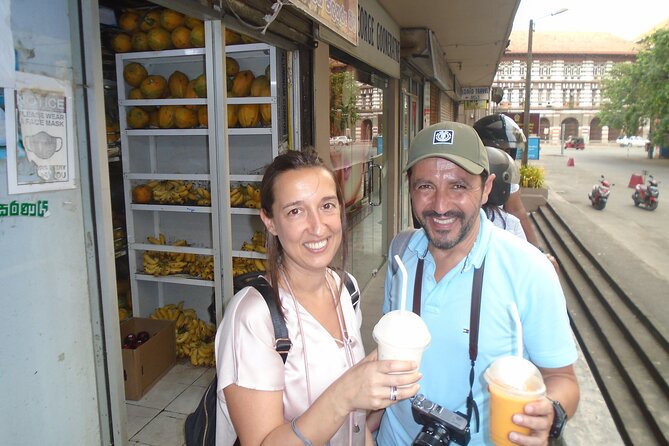
The heart of the experience is the stop-by-stop flow. Here is what each one is, what makes it special, and how to approach it.
Stop 1 in Pettah: Chicken cheese ball
Pettah is where you go for food energy, and this first stop is designed to hit the ground running. The dish is an easy cheese ball made with cream cheese and canned chicken, served as a quick, tasty start.
Why it works: it sets expectations for flavor and texture right away—creamy, savory, and handheld. If you arrive hungry, this is a good “warm up” before the more complex items later.
Practical note: the stop is short (about 10 minutes), so come ready to eat quickly.
Stop 2 at Zylen Tea: tea and coffee tasting
Then you shift from street snacks to Sri Lankan tea culture. Zylen Tea is a longer stop (about 45 minutes) and includes tea and coffee at the shop.
Why it’s valuable: even if you are mostly here for food, Sri Lankan tea is part of daily life and a big export story. It helps connect what you’re tasting with what locals drink alongside meals.
Possible drawback: some people may find this stop less compelling than the food kitchens. If you are sensitive to sales pressure, treat it as a cultural pause rather than the main event.
Stop 3: Colombo hoppers (and that classic cooking moment)
Hoppers are thin, bowl-shaped pancakes named for the pan that shapes them. The tour describes chefs breaking through the batter as it starts to cook, which is a signature moment in hopper-making.
This is one of the most “Sri Lanka by design” foods on the route—crisp at the edges, soft in the middle, and made to hold fillings. It’s also a great tasting because you can learn the texture even if you do not get a full meal out of it.
You can also read our reviews of more tours and experiences in Colombo
Stop 4: Pittu, coconut, and that bamboo cooking vessel
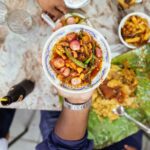
Pittu is a traditional breakfast item: steamed rice flour mixed with scraped coconut and salt. It is cooked in a cylindrical vessel made from bamboo, wrapped with coir.
What you are tasting isn’t just flavor—it is technique. The bamboo-and-coir setup affects how the rice flour steams and sets, so it has a distinct crumb and chew.
This stop is shorter (around 45 minutes total), so expect a focused explanation plus tasting rather than a slow food-school session.
Stop 5: Kottu roti, Sri Lanka street-food power
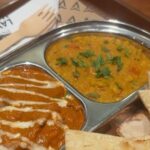
Kottu roti (sometimes spelled koththu roti) is one of the country’s most recognizable street foods. The tour describes stir-frying chopped godhamba roti (flatbread) with a mix of vegetables.
Why it’s a highlight: the sound and motion of kottu cooking are part of the experience. It’s also satisfying fast—hot, saucy, and filling without being heavy like a full dinner.
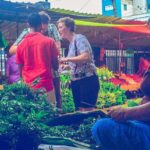
Stop 6: Fruit and vegetable market break
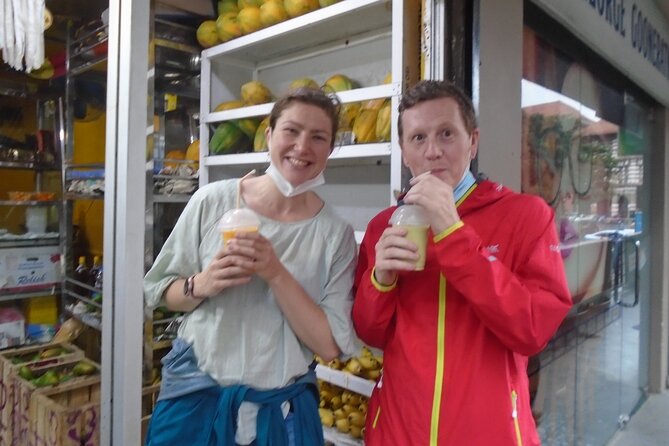
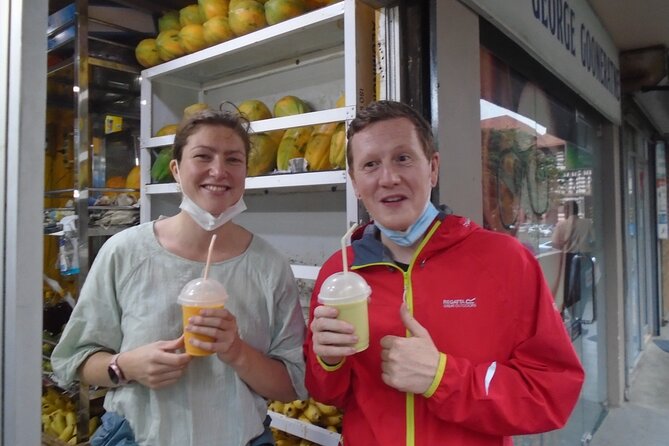
Between the hot foods, you get a market view. This is about exploring the colorful variety of Sri Lankan fruits and vegetables.
Why I like this kind of stop: it grounds everything. When you later taste dishes flavored with coconut, chili, or curry spices, you can connect that flavor to real ingredients you saw in the market stalls.
In practice, it is also a nice breather from eating.
Spice levels and the real pace: come hungry, plan for speed
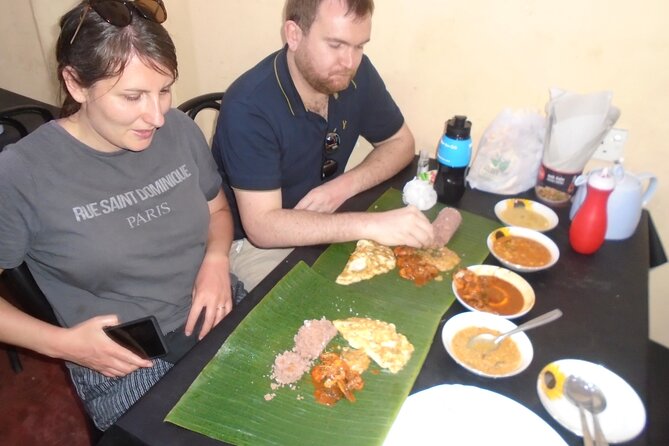
The tour is built around eating a lot in a short window. The itinerary shows multiple food stops, and the reviews-based vibe matches that: you typically finish feeling full.
That means two practical moves:
- Come hungry unless you are comfortable leaving some tastings untouched.
- If spice scares you, ask early for mild. Sri Lankan street food can run hot, and once you are deep into the route, it can be hard to dial down fast enough.
Time-wise, plan for roughly 2 to 3 hours, but also give yourself a buffer. Some guests experience it closer to the shorter end of the schedule, especially if the timing from pickup to drop-off adds up.
Also, there is some walking, but it should not be a marathon. Think quick transitions and short kitchen-side or stall-side moments.
Drivers and guides: the human part of the tuk-tuk
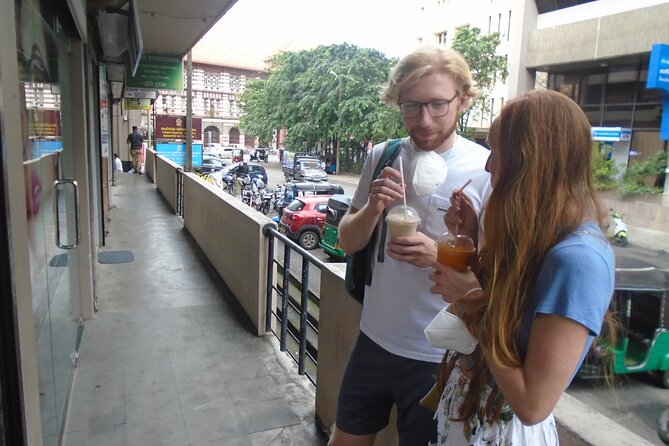
A tuk-tuk food tour lives or dies by the person in the seat. The names that show up often include Faizal, Ricky, Romesh, Vizeer, Ramesh, Marin, and even a guide referred to as Black Caviar.
What matters is the combination of driving and storytelling. Many guests like that the driver-guide points out major sights on the way to the first food stop, and that they can answer questions while navigating busy roads. Clean tuk-tuks and courteous driving also show up as big themes, especially for an evening run.
If you care about food meaning—where a dish comes from, how it is cooked, why it tastes like it does—look for a guide who explains while you are eating, not after you are already done.
Tea shop and dessert: what to expect beyond pure street food
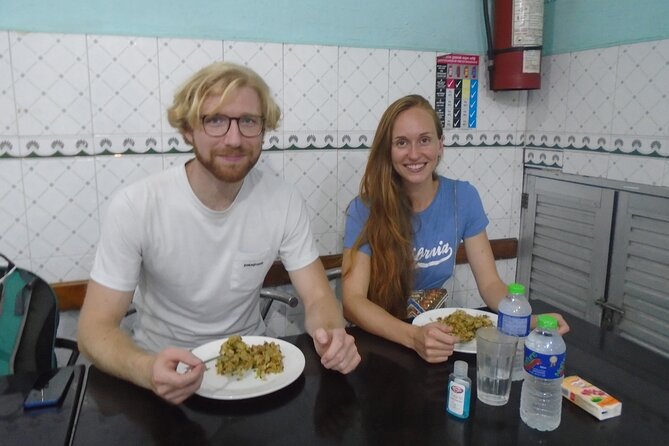
This tour is framed as street food, but it also includes stops that feel more like local culture than food-market chaos. The tea shop is one example, and the itinerary’s dessert element can also vary in appeal.
If you want only street-stall food with no extra padding, you might feel that the tour sometimes shifts into a more formal shop setting. On the other hand, the tea stop gives you context for one of the most important Sri Lankan exports, and the market stop is genuinely useful for understanding ingredients.
For dessert, the safe move is simple: do not treat it as the main course. Think of it as a final sweet note that caps the tasting sprint.
Price and value: why $35 can work (and when it won’t)
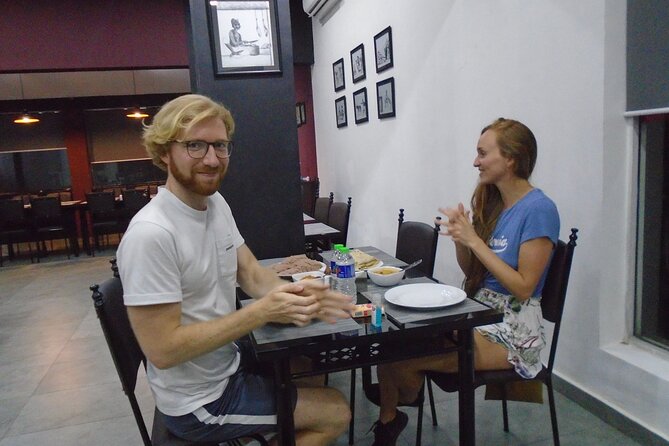
At $35 per person, you are paying for two things: the food bundle and the transport between stops. You are not only buying tastings—you are buying the ability to eat several distinct Sri Lankan specialties without spending your whole day figuring out where they are.
This can be great value if:
- you have limited time in Colombo
- you want a fast overview of local dishes
- you like your travel planned for you, at least on the food side
- you are okay with a snack-and-taste style rather than a long sit-down meal tour
It may be less satisfying if:
- you want long explanations and slow pacing at every stop
- you expect every single stop to feel like a classic street stall
- you dislike tea-shop style stops or structured shop environments
In other words, it is excellent for getting your bearings fast and eating well, but it is not a deep, slow culinary seminar.
Who should book this Colombo Express Food Tour
This is a strong fit for:
- first-time visitors who want to understand Sri Lankan food fast
- people who like street food but would rather have a local guide handle the choices
- groups who want a private tuk-tuk experience and a fun, moving itinerary
- anyone who enjoys eating several dishes in one afternoon or evening
It is a weaker fit if you:
- need long, unhurried pacing between tastings
- want lots of historical storytelling for every dish (the emphasis is mostly on tasting and practical guidance)
- are extremely spice-averse, unless you are willing to speak up early
Should you book it or skip it
Book this tour if your goal is straightforward: eat many Sri Lankan favorites in a short window and have a tuk-tuk do the hard work of getting you between neighborhoods. The combination of hotel pickup/drop-off, private transport, and multiple tastings adds up to real convenience, and the specific dishes on the route are the kind that help you taste Colombo properly.
Consider skipping or choosing a different format if you want a slow, highly educational food crawl with only street stalls and a more relaxed schedule. This one is designed to keep moving and keep serving food.
If you do book, go in hungry, ask about spice at the start, and treat the tea and dessert stops as bonus context—not the main reason you came.
FAQ
How much is the Colombo Express Food Tour?
It costs $35.00 per person.
How long is the tour?
The tour runs about 2 to 3 hours.
Is the tour private?
Yes. It is a private tour/activity, so only your group participates.
Do you get hotel pickup and drop-off?
Pickup is offered, and hotel pickup and drop-off are included.
What tastings can I expect on the route?
The itinerary includes chicken cheese ball in Pettah, a tea stop at Zylen Tea, hoppers, pittu, kottu roti, and a fruit and vegetable market visit. The tour also mentions sampling items like spicy crab curry, sambol, and ice-cream.
Is tea included?
Yes. At the Zylen Tea stop, tea and coffee are provided as part of the tea shop experience.
Are all stops paid admissions?
Not all. In the itinerary, the chicken cheese ball stop and the Zylen Tea stop list admission ticket included, while hoppers, pittu, and kottu roti list admission free. The fruit and vegetable market stop lists admission ticket included.
What is the best way to prepare for the tour?
Come hungry. The tour is designed to provide a lot of food, and eating a late lunch beforehand can make it hard to finish everything.
What happens if the weather is poor?
The experience requires good weather. If it is canceled due to poor weather, you will be offered a different date or a full refund.
Is there a cancellation deadline?
Yes. Free cancellation is available up to 24 hours in advance for a full refund.