REVIEW · CITY TOURS
COLOMBO PRIVATE CITY TOUR WITH street food( All inclusive )
Book on Viator →Operated by Tuk Tuk Tours Colombo · Bookable on Viator
Colombo tastes better on a street-food hunt. I like how this tour takes you straight into Pettah Market for Sri Lankan staples, and I especially enjoy tasting hoppers and string hoppers in real street stalls instead of trying to guess what to order.
You also get a true city-sights loop thrown in with major landmarks like the Red Mosque and Galle Face Green, so you leave with both full stomach and a mental map.
One thing to keep in mind: the food time isn’t always as long as you’d expect from a food-focused title, and closures during religious holidays can shuffle what you try. Also, you’ll be moving by tuk-tuk for plenty of the afternoon.
In This Review
- Key Highlights to Know Before You Go
- Street Food Colombo in 4.5 Hours on Tuk-Tuks
- Jami Ul-Alfar Mosque: The Red Mosque First, Then the Snacks
- Pettah Market: Spices, King Coconut, and How to Read a Street Stall
- Mayura Hotel and the Crab Stop: When Food Turns Into a Local Favorite
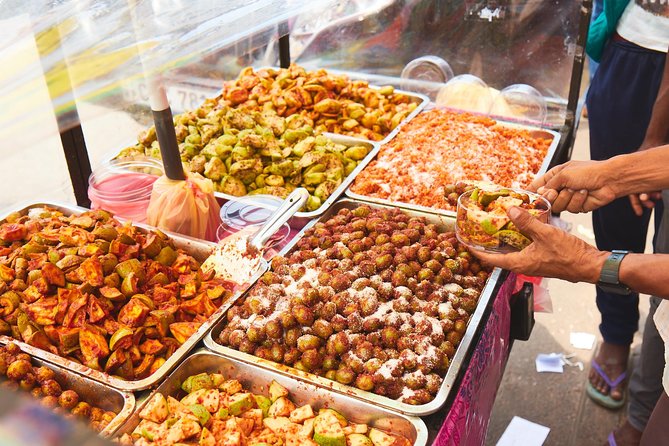
- The Food Core: Hoppers, String Hoppers, Chutneys, Pickles
- Small ordering tip
- Cassava Chips, Tea, and Samosa: The Mid-Tour Crunch
- Old Town Hall to Dutch Hospital: Colonial Colombo Without the Museum Trap
- Temples and Parks: Gangarama, Independence Memorial Hall, Galle Face Green
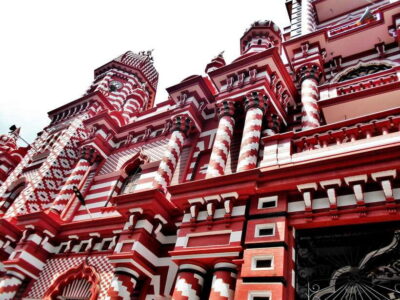
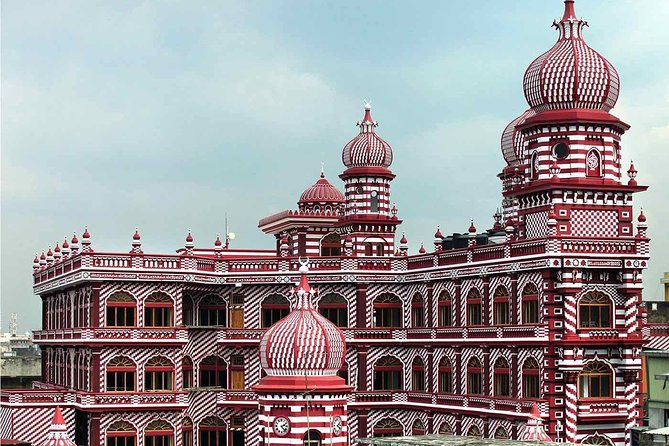
- Red Mosque and Keyman Gate: More Detail Than You Expect in a Short Stop
- Lotus Tower and the Floating Market: Two Different Colombo Moods
- Lunch Choices: Lump Rice/Lamp Rice Packets or a Big Koththu Rotti Plate
- Price and Value: Is $41 Actually Fair for an All-Inclusive Street Food Loop?
- Who Should Book This Colombo Tour (and Who Might Skip It)
- Should You Book? My Practical Take
- FAQ
- How long is the Colombo private city tour with street food?
- Is pickup included?
- What’s the price per person?
- Does the tour include street food and drinks?
- How is the tour transported?
- Are any admissions included?
- Is the tour suitable for most travelers?
Key Highlights to Know Before You Go
- Pettah Market street flavors: freshly ground spices, cassava chips, chutneys, and pickles in the places locals actually pass by
- Classic Sri Lankan bites: king coconut drink, samosa with tea, hoppers, and red-and-white string hoppers
- Spice-meets-sweet balance: chutneys and pickles that go beyond heat and actually taste complex
- A real Colombo route: Red Mosque views, Clock Tower area, Old Town Hall, Dutch Hospital precinct, and more
- Lunch that can be filling: either lump rice/lamp rice packets or a giant plate of koththu rotti
- Guide quality can swing: when you get strong guides like Thairu, Pradeeptka, or Kusal, the experience lands better
Street Food Colombo in 4.5 Hours on Tuk-Tuks
This is a private half-day tour, so it’s just your group (not a mix of strangers). That matters in Colombo, where traffic and short walking breaks can feel chaotic; being in your own mini bubble makes the timing work better.
The route is designed for the neighborhood texture of the city: markets, temples, and a few skyline stops. You’ll get pickup offered and you’ll use a mobile ticket, so you’re not juggling printouts or hunting down meeting points.
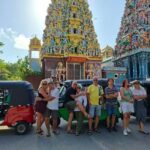
The big practical trade-off is transport. You’ll be in tuk-tuks a fair amount. One review specifically noted a lack of Wi‑Fi in the tuk-tuks, and that lines up with what you should assume: this is a “look at the street” tour, not a “scroll and stream” one.
You can also read our reviews of more food & drink experiences in Colombo
Jami Ul-Alfar Mosque: The Red Mosque First, Then the Snacks
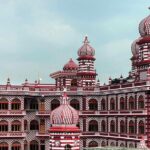
You start at Jami Ul-Alfar Mosque in Pettah, often called the Red Mosque because of its striking look and minarets. Even if you’re not a architecture nerd, it’s a smart opener: you get context for the area before you start eating your way through it.
Since the admission ticket is included, you don’t have to waste mental energy figuring out fees. Expect a quick but meaningful stop in one of Colombo’s older and more active districts, with the city noise around you rather than off to the side.
Consideration: this part of the tour is also where you might feel the shift between a “food day” and a “city day.” If you want food at minute one, you may have to wait a bit for the first major tastings.
Pettah Market: Spices, King Coconut, and How to Read a Street Stall
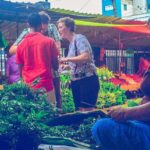
Pettah Market is where the tour earns its name. This is the zone for freshly ground spices, the kind that smell sharp and real when they hit warm air. You get a stop geared toward buying bags of spice powder and seeing how stalls package everything so quickly.
And then there’s the king coconut drink moment. It’s not just hydration; it’s a palate reset. After you’ve been breathing in strong spices, that cool sweetness makes everything you eat next taste clearer.
Here’s what I like about doing Pettah as part of a guided loop rather than wandering alone: you don’t just eat random snacks. You get pointed at specific foods that connect to Sri Lanka’s everyday eating, like hoppers and string hoppers later in the route.
Drawback to plan for: markets can shift due to religious holidays, and you may see closures or shortened access. One guide reportedly revised the itinerary on a public bank holiday, which is the kind of flexibility you want to look for.
Mayura Hotel and the Crab Stop: When Food Turns Into a Local Favorite
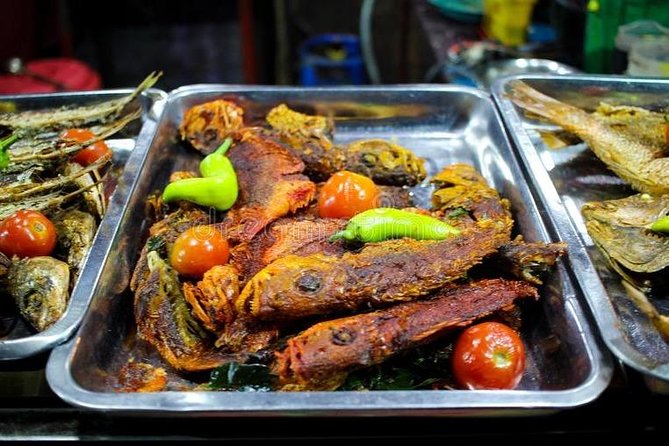
One of the stops is a quick taste highlight in the Pettah area, framed around crab that’s become a standout for the tour company. The key word here isn’t menu math; it’s the idea of hitting a hole-in-the-wall moment inside a busy marketplace.
You’re not lingering for a long restaurant dinner. Instead, you’re sampling the kind of dish that gives Colombo its seafood identity. Even if you’re not a crab person, this stop signals that the tour isn’t only about sweet street snacks.
If you’re picky about seafood, this is the moment to check in with your guide early. With a private group, you have more room to adjust what you order—assuming the stall options are available that day.
The Food Core: Hoppers, String Hoppers, Chutneys, Pickles
This tour’s real food backbone is the Sri Lankan classics you don’t usually find on casual tourist menus. You’ll spend time learning why they taste the way they do, not just collecting a checklist of foods.
Expect stops and tastings around:
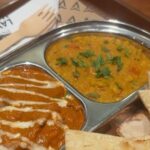
- Sri Lankan hoppers (often called “appa” style—crispy-edged, bowl-like, with egg or coconut influences depending on the stall)
- Red and white rice string hoppers that come with that springy texture and soak up sauces
- Fruit chutneys with layered sweetness and tang
- Sri Lankan pickles that hit with sour heat and funk in a way that’s hard to replicate at home
This is one of the best parts of the experience: it teaches you that Sri Lankan street food isn’t only about spice heat. It’s about contrast—sweet next to sour next to crispy.
You can also read our reviews of more tours and experiences in Colombo
Small ordering tip
When you see a stall with sauces or pickles on the side, taste the sauce first (even a tiny bit) before you drown your food. Guides can explain what’s typically paired together, and that makes your next bite more satisfying.
Cassava Chips, Tea, and Samosa: The Mid-Tour Crunch
At some point you’ll hit the crunch zone: cassava chips. In Colombo, chips like this can be aggressively moreish. They work as a snack bridge between heavier dishes, and they keep your energy up during the city walking parts.
Then you move into a tea-and-pastry moment: tea with a fresh samosa. This matters more than it sounds. Samosa is warm and savory, while tea gives you a slower flavor channel. It’s a nice break from the intense street-snack rhythm.
If you’re thinking of doing this tour on an empty stomach, you’ll likely be fine. But if you hate waiting between tastings, you might want to eat a light breakfast or carry a small water bottle for the gaps.
Old Town Hall to Dutch Hospital: Colonial Colombo Without the Museum Trap
After the market loop, the tour shifts into “see the city” mode with a string of landmark stops. A few of the stops in this stretch include:
- Clock Tower
- Last King Prison Cell area
- Dutch Hospital precinct
- Old Town Hall
This section is useful if you’re new to Colombo. You get visual anchors so later, when you’re on your own, you can actually find your bearings.
And Dutch Hospital especially is an easy place to like because it’s turned into a walkable area with shops and eateries. Even if you’re not going to linger long, the contrast with Pettah’s market energy gives you context for how Colombo has changed over time.
Temples and Parks: Gangarama, Independence Memorial Hall, Galle Face Green
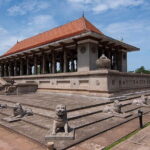
The tour also includes major cultural and reflective stops, including Gangarama Temple, Independence Memorial Hall, and Galle Face Green.
- Gangarama Temple gives you a look at religious life as part of everyday Colombo, not something walled off for tourists.
- Independence Memorial Hall is more of a pause. It’s a place to slow down and connect the city to its national story.
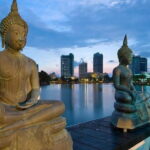
- Galle Face Green is a breath of open air in the city center, good for photos and a short reset.
If you’re mainly in Colombo for food, these stops can feel like detours. But they also keep the tour from being one long snack parade. They also help you understand why certain foods and markets sit in particular neighborhoods.
One review said the tour felt more like tea/coffee and temples than pure food. That’s a fair warning: if you want a food-first day, you’ll want to manage expectations before you go.
Red Mosque and Keyman Gate: More Detail Than You Expect in a Short Stop
Later you pass through more iconic architectural spots in the same old-city web: Keyman Gate, Sri Ponnampalamleswar Temple, and back around to the Red Mosque area again.
This is where guide skills really show. Some guides (like Thairu and Pradeeptka in reviews) are praised for explaining history in detail. When a guide does that well, even a short photo stop becomes something you understand.
When a guide doesn’t have strong English or doesn’t interact much, the route can feel more like being driven around. One review criticized the low interaction level, so I’d treat the guide as part of the “value package.”
Lotus Tower and the Floating Market: Two Different Colombo Moods
You also get more modern-meets-water moments with:
- Lotus Tower (a skyline viewpoint type stop)
- Colombo Floating Market (a water-level experience)
These aren’t just photo stops. They help you see how Colombo lives on more than one level. One is a vertical landmark; the other is market life tied to waterways and daily movement.
Because these stops are time-based and quick, you won’t get a long deep look. But in four-and-a-half hours, they add variety and break up the temple and market rhythm.
Lunch Choices: Lump Rice/Lamp Rice Packets or a Big Koththu Rotti Plate
Toward the end, after a walk around the Old Town Hall Market area, you get a more filling meal. Your options are:
- a packet of lump rice or lamp rice, depending on what the stalls are promoting that day, or
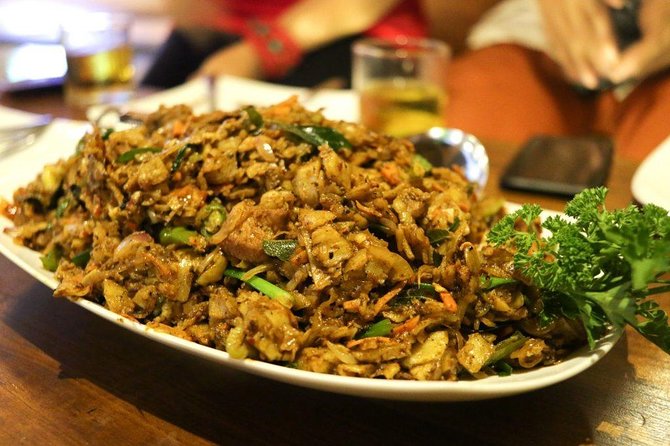
- a giant plate of koththu rotti
This is the part where “street food tour” either makes you happy or makes you annoyed. Koththu rotti tends to win for satisfaction because it’s hot, heavy, and flavorful. If you’re hungry, it’s hard to beat.
If you’re less into fried stir-fried comfort food, the rice packet option might fit better. Either way, you should expect a meal that actually lets you carry the rest of the evening without needing dinner instantly.
Price and Value: Is $41 Actually Fair for an All-Inclusive Street Food Loop?
At $41 per person for about 4 hours 30 minutes, this is priced like a solid half-day experience, especially since you’re paying for guided access plus multiple tastings.
But the key phrase is all inclusive street food. In real life, that can mean different things:
- Some people said they were very full by the end.
- Others felt they didn’t get the snacks described, like only receiving a small amount of fruit.
- One review mentioned a stop at a gem shop, which can feel like a mismatch if you paid specifically for food.
So here’s how I’d judge value before booking:
- If you’re flexible and happy with a mix of food and city sights, the price can feel fair.
- If you’re expecting nonstop tastings with zero filler and zero detours, you might feel let down.
One thing you can control: ask your guide at the start how the food portion will likely run that day. If there’s a holiday or a closure, you want the plan explained clearly.
Also note how popular this is: it’s often booked around 23 days in advance on average, so choosing the day and time you want matters.
Who Should Book This Colombo Tour (and Who Might Skip It)
This tour fits best if you:
- want a first-time Colombo overview with real neighborhood stops
- love street food and want to try hoppers, string hoppers, chutneys, pickles, and samosa
- prefer a private group so you can ask questions and move at your pace
- enjoy temples and landmarks, even if your main goal is food
It might not be the best fit if you:
- want a pure, long, food-only crawl with minimal driving
- need constant English-heavy guiding (some experiences note limited English from the guide)
- strongly dislike any detours that don’t connect to food
Should You Book? My Practical Take
I’d book this if you’re the type who likes learning as you eat and you want a guided route through Colombo’s most important textures—Pettah Market, the Red Mosque area, Old Town Hall/Dutch Hospital precincts, and a finish with a real meal like koththu rotti or rice.
I’d hesitate if your idea of value is a guaranteed number of snack stops no matter what. Day-of closures can happen, and in at least a few experiences, the amount or variety of snacks felt short of expectations.
If you book, do this: go in with a flexible mindset, ask your guide what’s available for food that day, and treat the sightseeing as part of the context. When the guide is strong, this kind of private half-day can be one of the smarter ways to get Colombo into your senses fast.
FAQ
How long is the Colombo private city tour with street food?
It lasts about 4 hours 30 minutes.
Is pickup included?
Yes, pickup is offered.
What’s the price per person?
The price is $41.00 per person.
Does the tour include street food and drinks?
Yes. You’ll be tasting multiple Sri Lankan street foods such as king coconut drink, hoppers, string hoppers, chutneys and pickles, cassava chips, and tea with samosa, plus a filling meal with options like lump rice/lamp rice or koththu rotti.
How is the tour transported?
You’ll travel around the city by tuk-tuk.
Are any admissions included?
Yes. Admission is included for Jami Ul-Alfar Mosque, and Galle Face Green is listed as an admission-included stop. Other listed stops are shown as free.
Is the tour suitable for most travelers?
The experience notes that most travelers can participate.