REVIEW · COOKING CLASSES
Colombo: Local Market Tour & Cooking Demo with Lunch
Book on GetYourGuide →Operated by Aktivitar · Bookable on GetYourGuide
Market smells teach faster than cookbooks. This Colombo local market tour ends with a real cooking lesson in a traditional countryside home, where you pick seasonal ingredients and learn how Sri Lankan food comes together. I love that the day starts with choosing produce yourself, not just watching someone else shop, and I also love the practical, hands-on cooking approach.
The only real drawback is time. In just four hours, you’ll eat well, but there’s less chance for extra chatting or fine-tuning the ingredient plan if you have a specific diet.
In This Review
- Key highlights worth circling
- Colombo market-to-kitchen in four focused hours
- Hotel pickup and tuk-tuk ride: start with the right energy
- Handpicking seasonal produce at the vegetable and fruit market
- Meet the home kitchen: traditional Sri Lankan cooking with Beyond Escapes
- The lunch you cook: what to expect on the plate
- Dessert practice and spice technique: the best part you didn’t plan for
- Price and value: is $55 a fair deal?
- Who this Colombo cooking experience suits best
- Should you book this Colombo local market and cooking demo?
- FAQ
- How long is the Colombo Local Market Tour & Cooking Demo?
- What is included in the price?
- Is lunch included?
- What language is the tour guide?
- Do I need to pay extra gratuity?
- Will I be picked up from my hotel?
- What should I wear and bring?
- What if the weather is bad?
- Are children allowed?
Key highlights worth circling
- Ingredient-picking at a Sri Lankan market so you can choose your vegetables and fruit for the meal
- Hands-on cooking in a traditional countryside home, not a studio demo
- English-speaking guide support during the market and tour experience
- Family recipe style lessons, including techniques and spice know-how
- You’ll cook lunch and also make a dessert if the sweet tooth wants in
- All taxes and lunch included so the $55 covers the essentials
Colombo market-to-kitchen in four focused hours
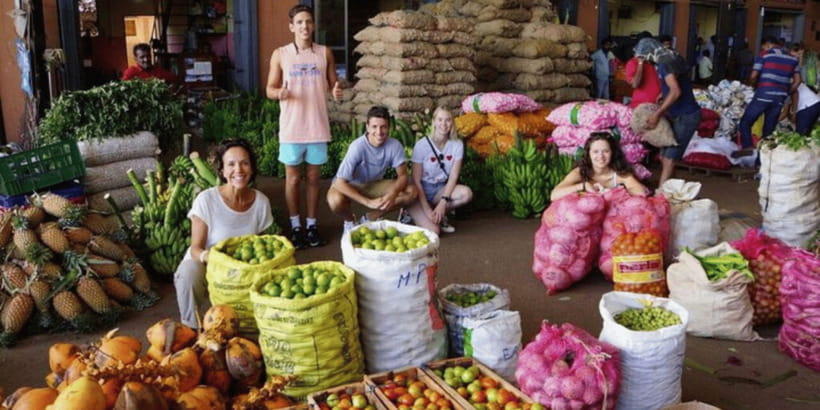
This tour works because it compresses the best parts of Sri Lankan food culture into a short, doable schedule. You get the street-level reality first, then you move to the kitchen skills that explain why the food tastes the way it does. It’s not a lecture. It’s shopping, cooking, and eating—side by side.
The length matters. At 4 hours, you’re not committing to a half-day that wrecks the rest of your sightseeing. That also means you’ll want to show up ready to participate: bring your curiosity, ask questions, and be comfortable doing some light hands-on cooking tasks once you’re in the home.
And yes, it’s a cooking class, but the market part is the real cheat code. When you see how ingredients look in season, and how families choose what they need, the later meal makes more sense. You’re learning the process, not memorizing recipes.
You can also read our reviews of more shopping tours in Colombo

Hotel pickup and tuk-tuk ride: start with the right energy
You’ll get hotel pick-up and drop-off in Colombo, plus roundtrip transportation by tuk-tuk. That’s a big practical win. It means you’re not hunting for meeting points, and you’ll actually get to spend the time on the food.
Plan to be in the lobby 15 minutes before your scheduled pick-up. The tour is short, so delays cost you cooking time. If you’re the type who likes to wander early, set that aside for this morning or afternoon block and keep it efficient.
Dress for movement and comfort. You’ll be on your feet around the market and likely walking between the pickup area and the home. Comfortable shoes are the difference between enjoying yourself and thinking about your feet the whole time.
Handpicking seasonal produce at the vegetable and fruit market
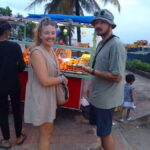
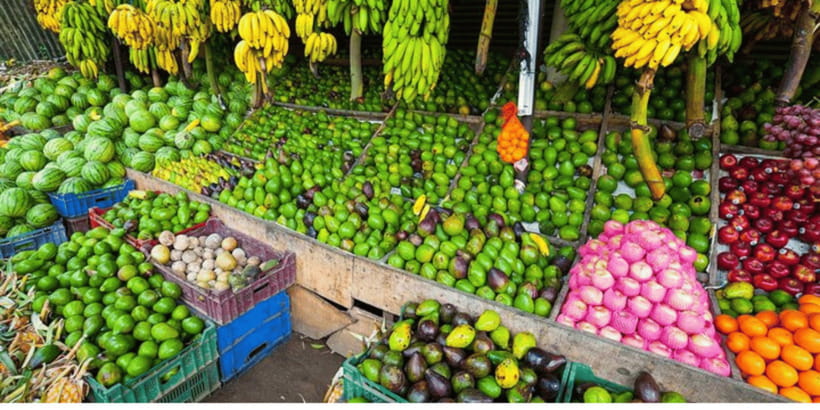
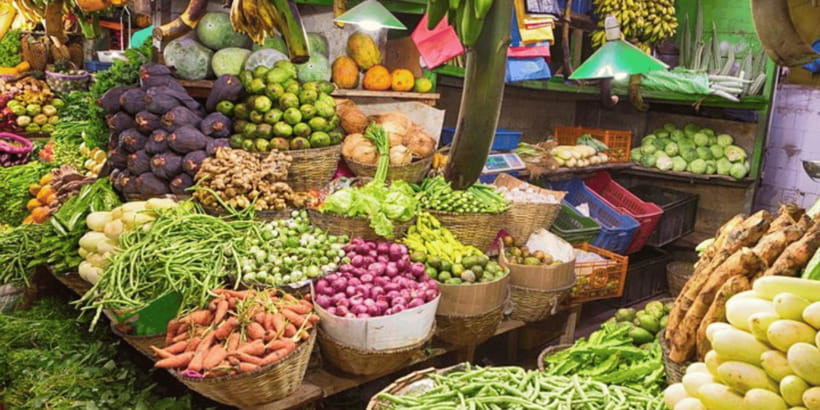
The market stop is where you get to play shopper with a purpose. You’ll join a guided visit to a local vegetable and fruit market, and the goal is simple: you handpick fresh seasonal ingredients for your cooking session. That personal choice changes how you experience the meal later, because you’re cooking the ingredients you selected.
What I like about this structure is that it teaches you the logic behind cooking in Sri Lanka. Ingredients aren’t just items on a list. They’re choices you make based on freshness and season, and those choices affect texture, flavor, and even how the final dish balances.
Here’s what to expect at the market:
- You’ll browse with a guide and learn what certain ingredients are used for.
- You’ll pick what you prefer for the dishes you’ll cook.
- You may also be guided toward other ingredient types needed for the meal, depending on what’s planned for the day.
One practical tip: if you have dietary restrictions, don’t wait until you’re standing in the kitchen. Use the pre-booking communication you can control, and be clear about what you can and can’t eat. A previous guest specifically suggested that better ingredient communication in advance can prevent disappointment if someone can’t eat certain items. You’ll be happier if you clarify early.
Meet the home kitchen: traditional Sri Lankan cooking with Beyond Escapes
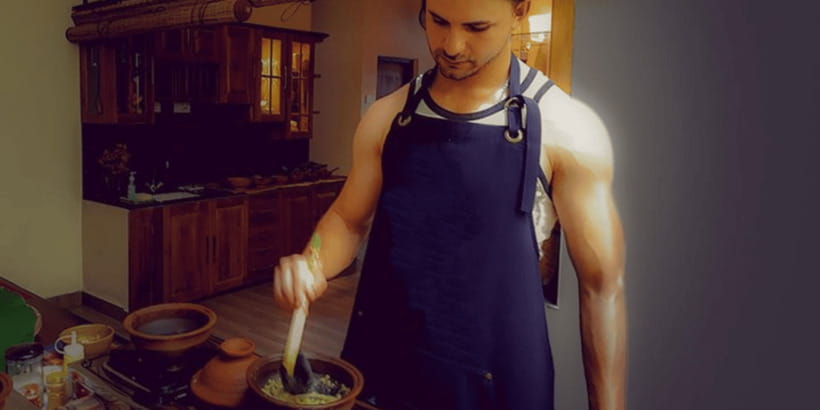
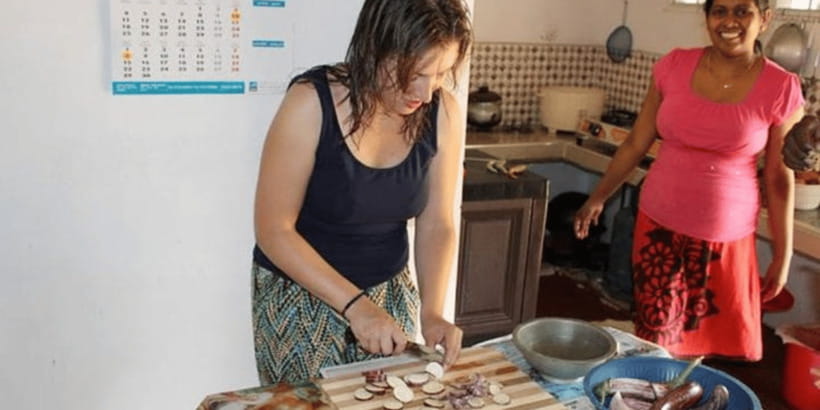
After the market, you shift from public to private life—into a traditional countryside home for the cooking portion. This is the part that makes the experience feel authentic rather than staged. You’re not just watching a chef do steps. You’re learning techniques, timing, and taste-building in a real household setting.
The cooking lesson is courtesy of Beyond Escapes, and it’s taught by the family-style hosts. In one credited teaching team, Roman and Delrin Vanhoff helped guests by demonstrating dishes and walking them through the process.
What you’ll learn in the kitchen:
- Traditional Sri Lankan cooking techniques tied directly to your ingredients
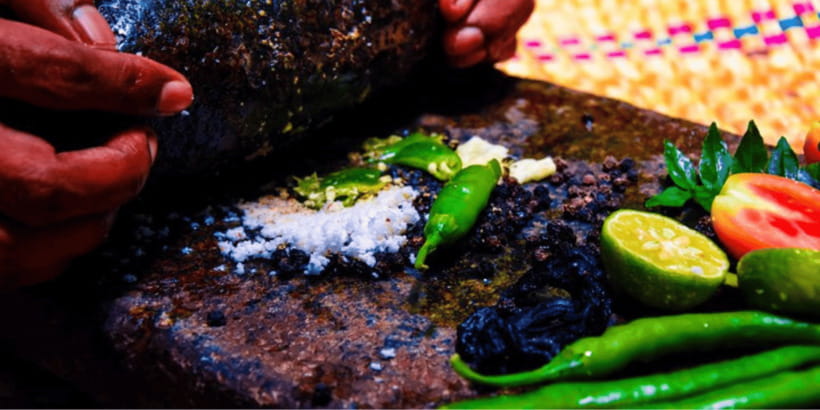
- How spices are used and why the order and method matter
- How the dishes are put together in a way that matches local habits, not restaurant shortcuts
- A sweet-making component, so you can craft your own dessert
This is also where misconceptions get corrected. Some people expect Sri Lankan food to be heavy or oily. In practice, the cooking style you’ll learn can feel lighter and more balanced than people assume, because the flavor comes from spice layering and smart preparation, not just quantity of oil.
Also, don’t underestimate the value of doing it yourself. Even if you only master a few key steps, you’ll leave with muscle memory. That makes it easier to recreate something similar at home without needing a perfect Sri Lankan pantry.
The lunch you cook: what to expect on the plate
At the end of the cooking session, you get to savor a freshly cooked, locally inspired feast. This isn’t a box lunch. The point is that you’ll eat what you prepared, so you can connect technique to taste while it’s still fresh in your mind.
Because the tour is ingredient-driven, the meal you end up making will reflect what’s available and what you selected at the market. That means your plate can feel personal, not generic. And it also means you’ll notice how fresh ingredients behave differently than pre-packaged versions.
When you sit down to eat, pay attention to three things:
- Spice balance: you’ll likely notice how heat and aroma work together rather than overpowering everything.
- Texture: fresh produce shows up in how dishes feel, not just how they taste.
- Technique cues: if you stirred, ground, or assembled steps yourself, you’ll understand why the recipe starts one way and not another.
Your lunch is included, and so are refreshments and water bottles. That matters in Colombo, where heat and walking can add up quickly. Having water covered keeps you comfortable enough to focus on the meal rather than the fatigue.
You can also read our reviews of more tours and experiences in Colombo
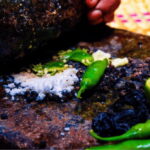
Dessert practice and spice technique: the best part you didn’t plan for
You’ll also indulge your sweet tooth by making a dessert as part of the experience. Even if you think you’re there for savory food, the dessert component is a smart addition because it forces you to learn another side of Sri Lankan cooking.
Why dessert matters here: it rounds out the lesson. Spices show up in savory dishes, but learning how families handle sweets helps you understand the bigger flavor system. You stop thinking of Sri Lankan cooking as a single style and start seeing it as a set of tools.
In the kitchen, the guide and family instructors will focus on technique and spice logic—what goes in, when it goes in, and what outcome you’re aiming for. That’s what makes the class more than a checklist. If you’re paying attention, you’ll be able to recreate ideas later, even if you don’t recreate the exact same recipe.
And don’t be shy about questions. If something tastes too sharp, too mild, or too spicy, ask what adjustment the cook would make. That’s the fastest way to turn a fun meal into real learning.
Price and value: is $55 a fair deal?
The price is $55 per person, and for Colombo this is one of the more straightforward ways to get a true hands-on food experience without extra spending surprises. Here’s what you’re getting for that money:
- Hotel pick-up and drop-off
- Transportation by tuk-tuk
- A tour guide (English)
- Sri Lankan lunch
- Refreshments and water bottles
- All government taxes
So you’re not paying separately for transport, guide time, or lunch. The only obvious missing items are personal expenses, and you’ll also want to budget for gratuity since it’s not included.
Is it worth it? For me, yes, because you’re buying three things at once: market knowledge, cooking technique, and a meal that you helped make. If you only did a market visit, you’d learn ingredients but not skills. If you only did a cooking class, you’d miss the ingredient-choice context. This tour keeps both connected.
The other value lever is time. Many food experiences drag into a longer day, but this one stays at four hours, which makes it practical alongside other Colombo plans.
Who this Colombo cooking experience suits best
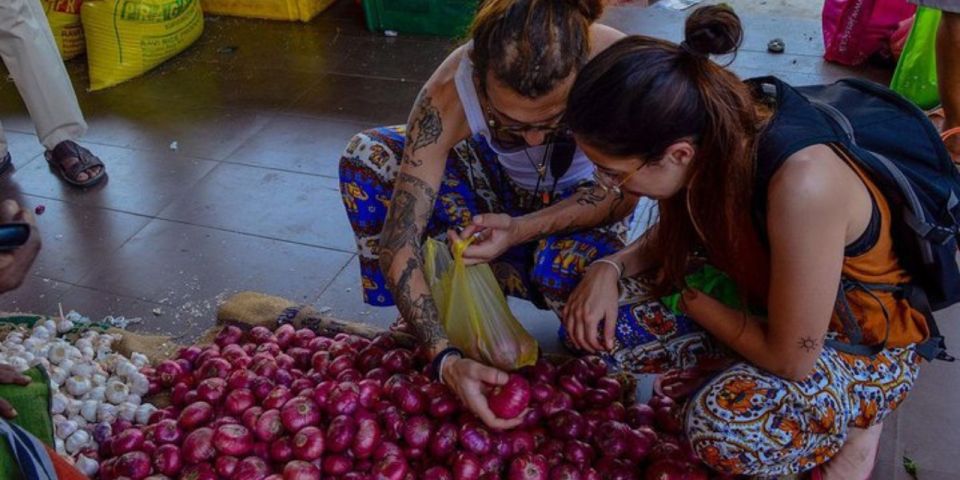
This is ideal if you want food learning that actually changes how you cook, not just how you eat. You’ll enjoy it most if you like:
- Trying local markets and selecting ingredients yourself
- Cooking alongside someone who explains technique, not just hands you a spoon
- Eating the result while it’s still tied to the lesson
It also suits solo travelers who want structure, couples who want a shared activity, and small groups who enjoy getting into the details.
A note on kids: the activity allows children 4 years +11 months and younger for free when accompanied by a paying adult, and all children must be accompanied by an adult. If you’re traveling with kids, this could be a good culture-and-food experience, but you’ll want to keep expectations realistic: a cooking class still takes active attention.
Should you book this Colombo local market and cooking demo?
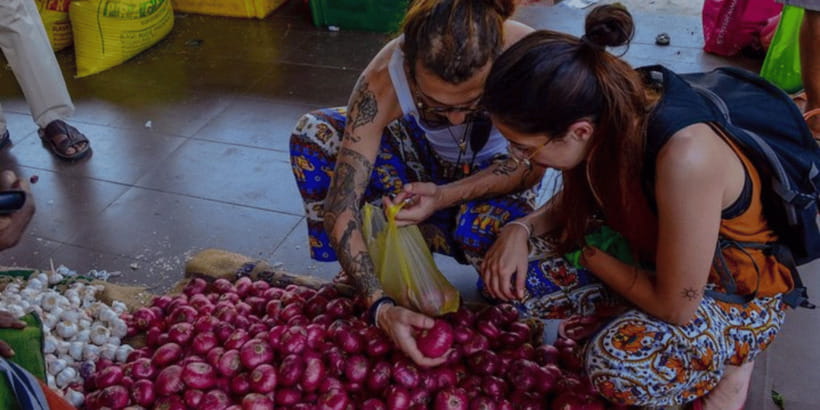
Book it if you want a day that’s equal parts shopping, skill-building, and eating—with hotel pickup, lunch included, and an English guide. This is the kind of experience that makes Sri Lankan food feel understandable fast, because you see the ingredients first and then learn how they turn into dishes.
Skip or reconsider if:
- You’re very tight on time and hate short schedules. The four hours move quickly.
- You have strict dietary needs and haven’t had a chance to communicate them in advance. In that case, confirm ingredient handling before you go.
My bottom line: for the money and the time, this is a strong value route into Sri Lankan cooking, especially if you like hands-on learning and want to leave with more than photos.
FAQ
How long is the Colombo Local Market Tour & Cooking Demo?
The tour duration is 4 hours.
What is included in the price?
The price includes hotel pick up and drop off, transportation by tuk-tuk, a tour guide, Sri Lankan lunch, refreshments with water bottles, and all government taxes.
Is lunch included?
Yes. You’ll have Sri Lankan lunch as part of the experience.
What language is the tour guide?
The live tour guide is available in English.
Do I need to pay extra gratuity?
Gratuity is not included and is left to your discretion.
Will I be picked up from my hotel?
Pickup is included from most centrally located Colombo hotels. You should arrange pickup from your hotel or a nearby location when you confirm your reservation.
What should I wear and bring?
Wear comfortable clothing, and be ready to start right on time. Comfortable shoes help for moving around the market and kitchen areas.
What if the weather is bad?
The activity can be cancelled due to inclement weather. It can be rescheduled, or the payment could be refunded.
Are children allowed?
Children 4 years +11 months and younger are complimentary when accompanied by a paying adult, and all children must be accompanied by an adult.