REVIEW · CRUISES & BOAT TOURS
West coast Beach, River Mangroves lagoon, Wildlife boat Tour
Book on GetYourGuide →Operated by Serendipity tours (private) Limited · Bookable on GetYourGuide
Mangroves, turtles, and temples in one long day. This slow mangrove cruise plus sea turtle conservation work as a real nature fix, not just a photo stop. I like that you get both wildlife watching and cultural stops, including an old temple and the mask museum. One drawback to plan for: the day can feel extra expensive once you factor in turtle-center entrance fees, possible add-ons, and tips.
You’ll start with pickup from Colombo or a west-coast resort area and then spend part of the day on a modern motorboat over the Madu Ganga wetland. It’s built as a small group tour (limited to 10), which helps the cruise feel calmer. Still, it’s not for everyone: speedboat time means it’s not suitable for pregnant women, and large luggage isn’t allowed.
In This Review
- Key Things I’d Note Before You Go
- Why Madu Ganga Mangroves Are Worth Your Time
- Getting Started From Colombo or West-Coast Resorts
- Turtle Conservation Center: What You Learn and Why It Matters
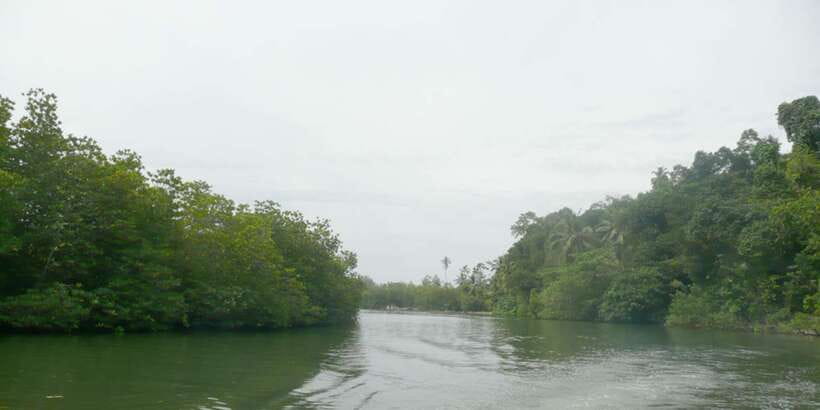
- The Motorboat Safari Through Madu Ganga Wetland
- The Island Temple and the Mask Museum Detour
- Moonstone Mine, King Coconut, and Other Included Comfort Stops
- Bentota Beach Stroll and the Spice/Herbal Garden Reality Check
- Price and Logistics: Does $90 Feel Fair?
- Who This Tour Fits Best (and Who Should Skip)
- When It Works Really Well: The Guide Factor
- Should You Book This Mangrove Lagoon and Wildlife Boat Tour?
- FAQ
- FAQ
- Where is this tour located?
- How much does it cost?
- How long is the tour?
- What’s included in the price?
- What is not included?
- What kind of boat do you use?
- How big is the group?
- Is the tour offered in English?
- Do I need to bring a suitcase?
- Is this tour suitable for pregnant women?
- Can I cancel for a refund?
Key Things I’d Note Before You Go
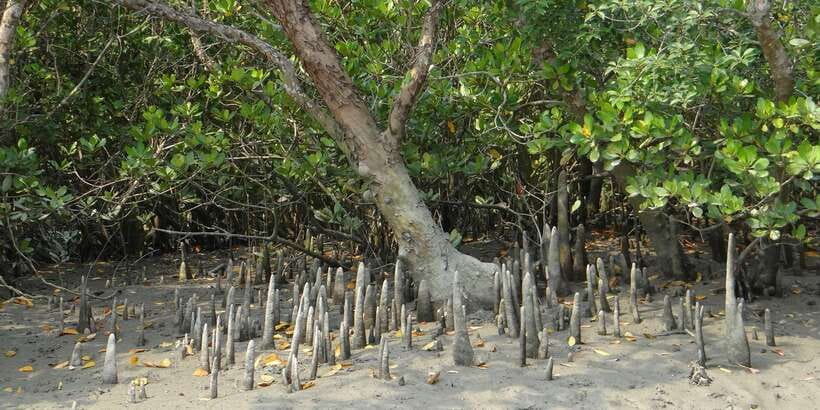
- Slow cruise through Madu Ganga mangroves, where you can look for crocodiles, monitor lizards, and monkeys alongside birds
- Sea turtle conservation center learning, including how volunteers treat sick or handicapped turtles
- Mask museum on a secluded-island temple visit, with hundreds of masks tied to folklore and rituals
- Bentota beach and guided garden walk, but treat the garden stop as a mixed bag
- Real-world cost add-ons to expect, especially turtle hatchery entrance fees and optional extras
Why Madu Ganga Mangroves Are Worth Your Time
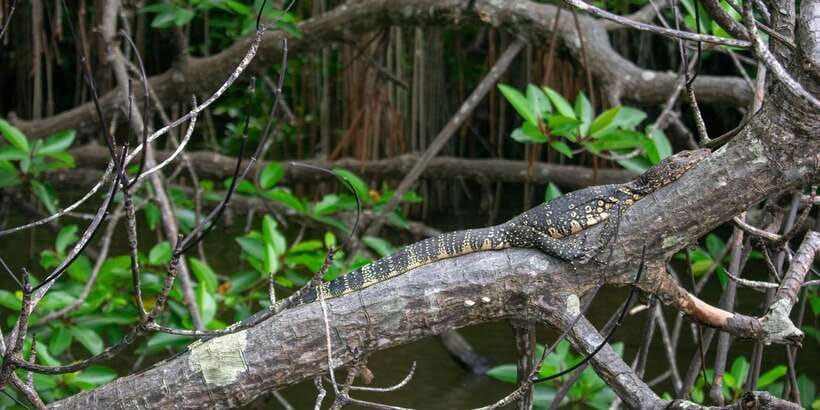
If you care about places that are disappearing, this kind of wetland trip matters. Mangrove forests grow only in tropical regions and they’re under pressure from climate change and human activity, which is exactly why a protected area like Madu River estuary is so important.
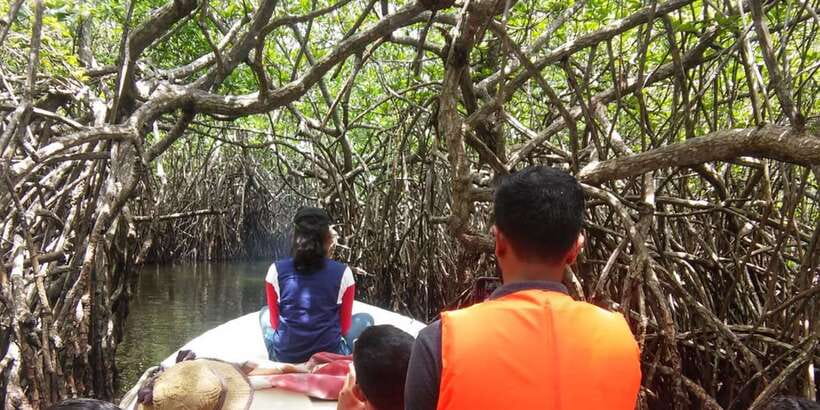
This tour focuses on the part of the day that feels most urgent: the waterways and mangroves themselves. You’re not rushing from one viewpoint to another. You’re out there, moving slowly through thick growth where birds and animals live, and where the ecosystem is doing real work—sheltering fish, birds, crabs, shrimp, and more.
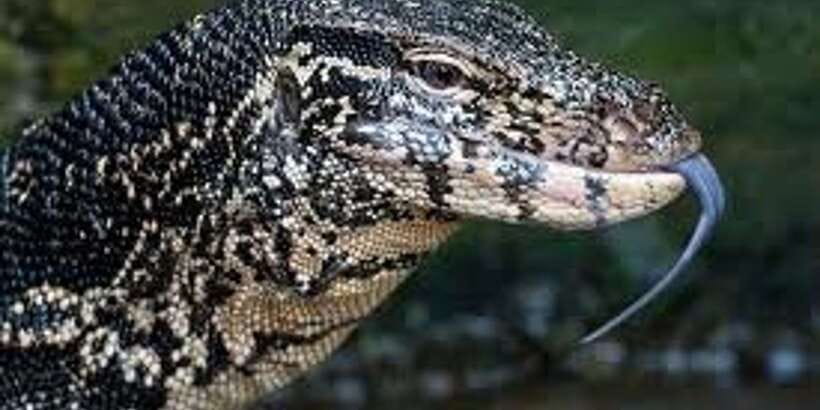
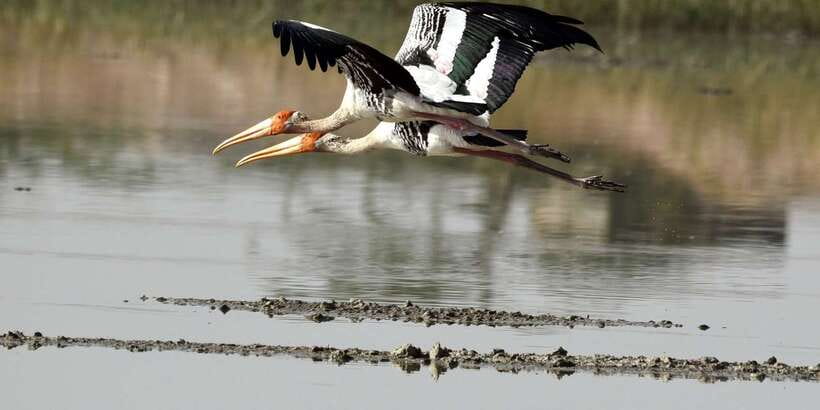
And yes, you do get the wildlife angle. The highlights call out eagles, cormorants, kingfishers, babblers, and bulbuls, plus lizards/monitor lizards, crocodiles, and monkeys. Even if you don’t see the biggest animals every time, bird life around mangroves is usually steady enough that you’re not just staring at empty water.
You can also read our reviews of more boat tours in Colombo
Getting Started From Colombo or West-Coast Resorts
The day begins with pickup from the Western Province—either Colombo or your west-coast beach resort. Then you head along the coast, passing coconut plantations, fishing villages, and towns, with several stops along the way.
This matters because the travel time isn’t just dead time. Those coastal glimpses are part of the experience: everyday life in Sri Lanka’s west coastal strip, not just resort scenery. That said, one practical caution is real—some people felt the long drive time reduced the enjoyment of the day. If you get car-sick or hate long transfers, keep that in mind when you book.
The tour is also designed for a small group, limited to 10 people. That tends to make the schedule feel more human, and it usually helps guides keep conversations going rather than just reciting facts.
Turtle Conservation Center: What You Learn and Why It Matters
A first stop is the sea turtle conservation center, where you can see how sick or handicapped turtles are treated. Sri Lanka matters for turtles because it’s a prime nesting site, and the conservation learning is built around that role.
This isn’t just a quick roadside glance. The tour includes a guided section about different sea turtle species found on Sri Lankan beaches and why conservation efforts matter for nesting and survival. In practical terms, it gives you context before you move into the mangrove boat segment.
Also, plan for costs here. Entrance fees to the turtle hatchery are not included, so you may need to budget a bit on arrival. One review experience also flagged that the turtle-related extra costs added up—so I’d treat that as a heads-up, not a surprise.
The Motorboat Safari Through Madu Ganga Wetland
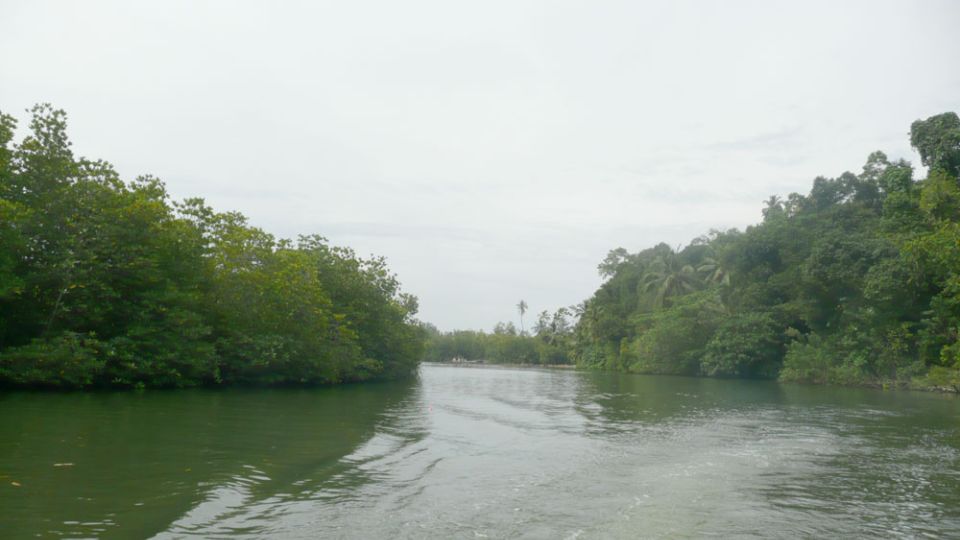
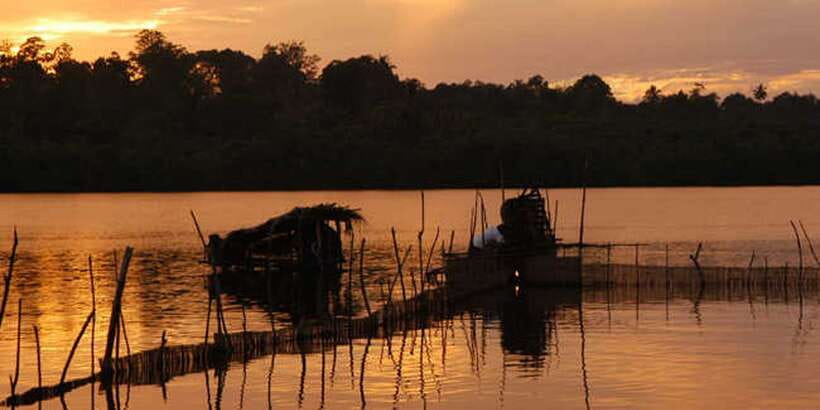
The heart of the day is the motorboat cruise on the Bentota River area and around Madu Ganga. Sri Lanka’s west coast wetlands are known for quiet, thickly grown islands, and this is one of the Ramsar Wetlands that’s considered a major natural attraction in the region.
The cruise is described as a slow cruise on a modern motorboat. That pacing is what makes wildlife watching work. If the boat were fast, you’d miss details like birds fishing, subtle crocodile sightings near edges, or the movement patterns of smaller animals.
This is also where you’re most likely to spot the tour’s named wildlife:
- Birds like eagles, cormorants, kingfishers, babblers, and bulbuls
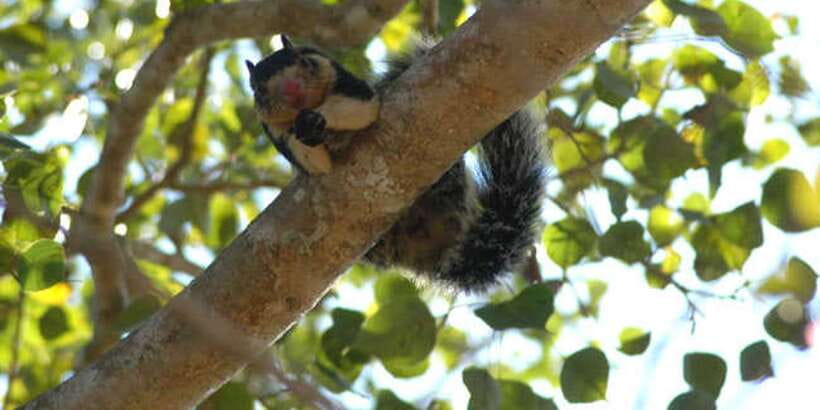
- Wetland animals such as monitor lizards, crocodiles, and monkeys
Could you get skunked on crocodiles? Sure, wildlife isn’t a theme park. But the wetland has lots of overlapping habitats—mangroves, aquatic plants, crabs/shrimp/fish, and insects—so even small sightings keep the cruise interesting.
One practical note: language support during the boat segment may vary. One German-speaking guide experience was excellent overall, but another booking mentioned no English speaking guide during boat riding. If you’re traveling with English requirements, I’d confirm ahead that the guide will be with you during the cruise portion, not just during car stops.
The Island Temple and the Mask Museum Detour
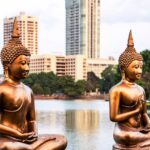
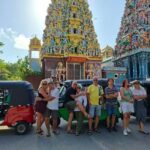
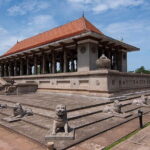
After (or around) the wildlife part, the day shifts toward culture. A key stop is an ancient Buddhist temple on the west coast, including a visit to a temple located on a secluded island. This isn’t a quick outside photo opportunity—this is the kind of place where you slow down a bit and notice rituals, carvings, and the atmosphere of worship.
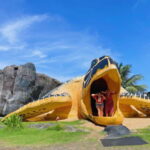
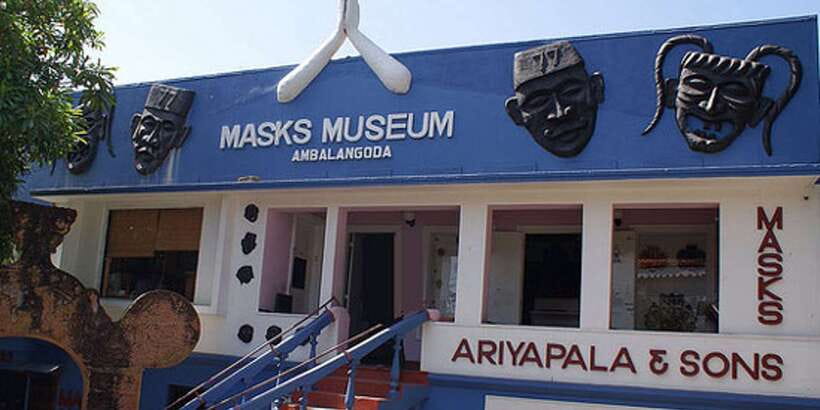
Then comes the mask museum, which is specifically described as having hundreds of ancient masks. You’ll learn about their history, folklore, and how they’re used in rituals. If you like cultural artifacts with local meaning (rather than just “stuff behind glass”), this part is a strong contrast to the mangrove wildlife.
There’s also mention of a carving workshop area connected to masks. That helps you connect what you see in the museum to how artisans keep traditions going.
If you’re the type who likes structure and meaning in your museum time, this stop helps the day feel more “Sri Lanka” and less like a nature-only excursion.
You can also read our reviews of more tours and experiences in Colombo

Moonstone Mine, King Coconut, and Other Included Comfort Stops
Not every tour includes small, local “pause points,” but this one does. You get a serving of king coconut (orange coconut), which is a nice mid-day reset when you’ve been in heat and on a boat. It’s included, so you won’t feel like you’re constantly shopping to keep going.
You’ll also visit a natural moon stone mine tour. The day includes several guided parts, and these included stops can be a good way to break the schedule so it doesn’t feel like one long straight line.
Could these stops be your favorite parts? Maybe not. But they add variety, and they’re included, so you don’t have to make extra decisions with your wallet.
Bentota Beach Stroll and the Spice/Herbal Garden Reality Check
The day ends with a leisurely stroll on Bentota beach and then includes a guided walking tour of the Bentota Beach Spice and Herbal Garden.
Bentota beach is one of the nicest beaches on the west coast, so this walk is more than a checkbox. It’s the moment where you can actually exhale after boat time and temple time.
The garden stop is more subjective. One booking called it a single tourist-funnel style stop, which is a useful warning if you’re hoping for hands-on learning or a quiet nature walk. Based on that, I’d approach the garden part with realistic expectations: it’s likely to be educational, but it may not feel like the kind of off-the-beaten-path experience you dream about at home.
If you want this stop to feel worthwhile, go in looking for quick practical takeaways—how local herbs are used, what the plants are called, and how people think about them—rather than expecting a long, intimate walk.
Price and Logistics: Does $90 Feel Fair?
$90 per person for an 8-hour day is not a bargain, but it also isn’t outrageous—if the day clicks for you. You’re paying for a bundle: return transfer from resorts, a modern motorboat cruise, a driver/guide, multiple guided stops (including temples and museums), plus included items like king coconut and the moonstone mine tour.
Where the value can wobble is cost add-ons that aren’t included. Meals and drinks aren’t included, and turtle hatchery entrance fees are also not included. Add to that the reality that tips may be requested throughout the day, and some people have felt the overall cost rose enough to make the tour feel expensive.
So here’s the practical way to judge value before booking:
- If you want wildlife + culture in one day with guided context, $90 can feel reasonable.
- If you only want mangroves and you hate paying for extras, this might feel pricier than you want.
- If you care about turtle center access, budget for turtle-related entrance fees so your day doesn’t get financially awkward.
Also note: luggage or large bags aren’t allowed. That doesn’t affect everyone, but it matters if you’re thinking of bringing a big backpack or extra gear.
Who This Tour Fits Best (and Who Should Skip)
This tour fits best if you want a nature-focused west-coast day that also respects local culture. You’ll like it if you enjoy wildlife watching around wetlands, bird spotting, and guided explanations that connect ecology to conservation.
It also fits people who like short cultural detours that are actually guided—temples, masks, and carving-related learning are part of the package, not random side stops.
Skip it if any of these are deal-breakers:
- You’re pregnant, since the tour includes speedboat transportation and is explicitly not suitable
- You hate boat rides or long drives, because you’ll spend real time in transit and on water
- You’re very sensitive to extra costs, since turtle-related entrance fees, meals/drinks, and tipping can shift the final spend
When It Works Really Well: The Guide Factor
The day’s tone heavily depends on the guide. In one verified experience, a German-speaking guide was praised for sharing interesting facts and for making the west coast sights and monuments feel coherent. Another review praised guide Chubby and the driver as excellent.
That’s not a guarantee for your day, but it tells you something important: when you get an active guide, the tour becomes more than a route. It becomes a story—linking mangroves, turtles, temples, and local traditions.
So if you have preferences (language, pace, focus on wildlife), communicate them early. A good day starts before you step on the boat.
Should You Book This Mangrove Lagoon and Wildlife Boat Tour?
I think you should book if your priority is a guided, small-group day that pairs Madu Ganga mangroves with turtle conservation learning and real cultural stops like an island temple and the mask museum. $90 can be fair value if you’re okay with the idea that the day includes multiple guided experiences and may include extra entrance fees for the turtle center.
I’d reconsider if you’re trying to keep costs tight or if you only want one thing—like pure wildlife with no museum/temple time. The garden stop is also the kind of segment that can feel too commercial for some tastes, so go with flexible expectations there.
If you do book, my best “make it better” checklist is simple:
- Confirm that the guide language support works for the boat portion
- Budget separately for turtle hatchery entrance fees and meals/drinks
- Bring a small bag since large luggage isn’t allowed
- Expect a full day: nature, temples, museums, beach walk, and a couple of included stops
FAQ
FAQ
Where is this tour located?
The experience is in Kotapola, Sri Lanka, with stops across the west coast area including Bentota.
How much does it cost?
The price is $90 per person.
How long is the tour?
It lasts 8 hours.
What’s included in the price?
Return transfer from your resort, a modern motorboat tour, a driver/guide, guided walking tours of Bentota beach and the spice/herbal garden, guided sea turtle species learning, visits to ancient Buddhist temples, king coconut, and a natural moon stone mine tour.
What is not included?
Personal expenses, meals and drinks, and entrance fees to the turtle hatchery.
What kind of boat do you use?
The tour includes transportation by a modern motorboat and uses a motorboat for the cruise.
How big is the group?
It’s limited to 10 participants.
Is the tour offered in English?
The tour lists English as the language, with a live tour guide of the chosen language.
Do I need to bring a suitcase?
No. Luggage or large bags are not allowed.
Is this tour suitable for pregnant women?
No, it’s not suitable for pregnant women.
Can I cancel for a refund?
Yes. Free cancellation is available up to 24 hours in advance for a full refund.