REVIEW · COLOMBO WALKING TOURS
Colombo Walking Tour with Ajeet De Soyza
Book on Viator →Operated by Ceymondu Escapes · Bookable on Viator
Colombo makes sense when you walk it. This small-group walking tour with Ajeet De Soyza gets you out from behind bus windows and into the real rhythms of the city, mixing colonial-era landmarks with living neighborhoods and places of worship. With a maximum group size of 8, the pacing stays human, and questions are welcomed.
Two things I really like: first, the route hits major Colombo “layers” in just a few hours, from Dutch colonial sites to British-built structures to temples in the middle of daily life. Second, Ajeet’s approach is relaxed and talk-friendly, with lots of context about Sri Lanka’s history and the way Colombo has changed. You’ll get snacks and bottled water, which matters when you’re on foot.
One consideration: it’s still a walk through hot, busy streets, so you’ll want comfortable shoes and a good attitude about spending a few hours outside. If you prefer short facts only, the storytelling can feel like more than a quick highlight reel.
In This Review
- Key things to know before you go
- Getting oriented at Galle Face Hotel and Galle Face Green
- Fort Colombo: Dutch Hospital, clock tower views, and colonial-era architecture
- King Sri Wickrama Rajasinghe Prison Cell
- Dutch Hospital Shopping Precinct
- Colombo Fort Clock Tower
- Currency Museum and old department-store Colombo: why the details matter
- Central Bank Currency Museum
- Cargills Department Store building
- Grand Oriental Hotel and the Red Mosque: two cultures in one walk
- Grand Oriental Hotel
- Jami Ul-Alfar Mosque, the Red Mosque
- TITUS STORES: old business adaptation
- Pettah’s Old Town Hall and the Fort Railway Station hub
- Old Town Hall in Pettah
- Colombo Fort Railway Station
- Gangaramaya (Vihara): the one place where you budget extra
- Gangaramaya Buddhist Temple
- Wrapping up at Galle Face Hotel and the Green’s British-era echoes
- How long it really takes, and what the pace feels like
- Price and value: what $30 covers
- Who should book this Colombo walking tour (and who might not love it)
- Should you book Colombo Walking Tour with Ajeet De Soyza?
- FAQ
- How much does the Colombo Walking Tour with Ajeet De Soyza cost?
- How long is the tour?
- Where does the tour start and end?
- What’s included in the tour price?
- Is there an extra cost at the temple?
- How big is the group?
- Do I need paper tickets?
- What happens if the weather is bad or the minimum number of travelers isn’t met?
Key things to know before you go
- Max 8 people means you’re not lost in a crowd, and your questions actually get answered
- Snacks and bottled water included so you’re not rationing energy mid-walk
- Fort to Pettah to temples: one route, multiple Colombo identities
- Most stops are free and a couple include entry for museums/buildings
- One temple donation is required, listed separately as a $2 per-person payment
- End at Galle Face Green so you finish where you can easily keep exploring
Getting oriented at Galle Face Hotel and Galle Face Green
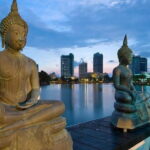
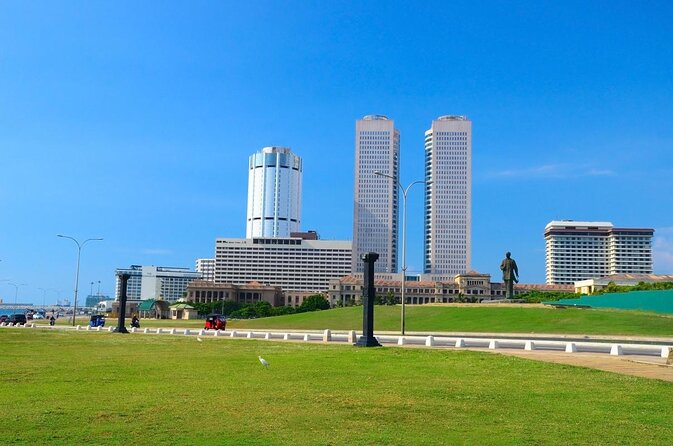
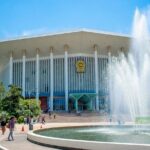
Your tour starts right where it’s easiest to understand Colombo’s “big picture”: in front of the Galle Face Hotel at the edge of Galle Face Green. The location is smart because the seafront area gives you a visual anchor. You can glance around and clock the mix of old and modern structures right away.
This matters for the whole trip. When you start at a place tied to Colombo’s most famous public space, Ajeet can connect what you’ll see later—Fort buildings, Pettah streets, and religious sites—back to how the city grew and what influences shaped it. It’s the kind of orientation that makes the rest of the walk feel logical, not random.
If you’re arriving from another part of town, give yourself a little buffer. The meeting point is easy to find, but the area is active, and you’ll want time to settle before you start walking.
You can also read our reviews of more walking tours in Colombo

Fort Colombo: Dutch Hospital, clock tower views, and colonial-era architecture
Most people think Colombo is just traffic and shopping. This walk quietly fixes that. Early on, you head into Fort-area streets where colonial architecture still shapes the city’s street feel.
King Sri Wickrama Rajasinghe Prison Cell
First stop is the King Sri Wickrama Rajasinghe Prison Cell. This is tied to a specific moment in Sri Lankan history: Sri Wickrama Rajasinghe was captured on 18 February 1815 in Madamahanuwara and transferred to Colombo without entering Kandy. The date 6 March 1815 is linked to when the king and his escort entered Colombo.
Even if you’re not a history buff, this stop works because it’s not just a label on a wall. It sets the tone: Colombo has layers, and some of them are tied to power, conflict, and colonial-era shifts.
Admission here is listed as free, so you’re not stopping while juggling extra ticket steps.
Dutch Hospital Shopping Precinct
Next, you’ll pass through the Dutch Hospital Shopping Precinct, known as The Dutch Hospital. It’s described as the oldest building in the Colombo Fort area dating back to the Dutch colonial era. Today it’s a heritage building turned into a shopping and dining precinct.
This stop is useful because it shows how Colombo reuses history. You get the old structure, but you also see how it functions now. It’s a good moment to slow down and notice details without rushing to the next photo.
Colombo Fort Clock Tower
Then comes the Colombo Fort Clock Tower. It’s a unique structure and part of the central business district’s colonial architecture mix. A clock tower sounds ordinary, but in Fort it signals timing, order, and a different era’s idea of city planning.
Expect a quick look here, but it sets up the later theme: Colombo’s “colonial bones” are still visible in everyday streets.


Currency Museum and old department-store Colombo: why the details matter
After the clock tower, the tour leans into buildings that feel more like Colombo’s systems than just its scenery.
Central Bank Currency Museum
You’ll visit the Central Bank Currency Museum area. The building’s construction started in 1911, and at opening it was the tallest building in Colombo. It’s described as Greco-Roman in architectural style, with a colonnade of Corinthian columns.
This is one of the stops where the architecture adds to the story. Money buildings were built to impress and to signal authority. Even if you skip museums in your daily life, a currency museum is a straightforward way to understand how a country thinks about trade, governance, and identity through time.
Time here is short, but it’s enough for the big-picture take.
Cargills Department Store building
Next is Cargills Department Store, linked to the old Cargills & Millers buildings. These are described as the oldest department stores in Sri Lanka. You’ll also learn about a Dutch building that originally stood on the land, which was occupied by Sir … (the detail is cut off in the summary you provided, so I’ll keep it at what’s explicit: there was an older Dutch structure on the same land).
Why I like this stop: department stores are where colonial-era commerce and local consumer life meet. It’s not a monument you only see once; it’s a commercial building still doing what it was built for—moving goods and people.
Grand Oriental Hotel and the Red Mosque: two cultures in one walk
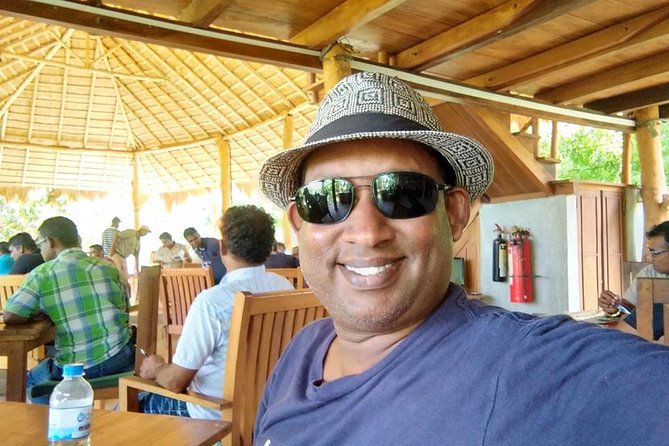
At this point, you’re still in the Fort zone, but the stop choices broaden from Western colonial landmarks to religious and community spaces.
Grand Oriental Hotel
The Grand Oriental Hotel stop is a history hit. It was officially opened 5 November 1875, and it had 154 luxury and semi-luxury rooms. It’s described as the first of the modern type of imposing hotels erected in the East.
This hotel stop is worth it even if you don’t plan to stay there. Hotels like this were built for international travelers and colonial-era visitors. They also tell you how Colombo positioned itself for the outside world.
Jami Ul-Alfar Mosque, the Red Mosque
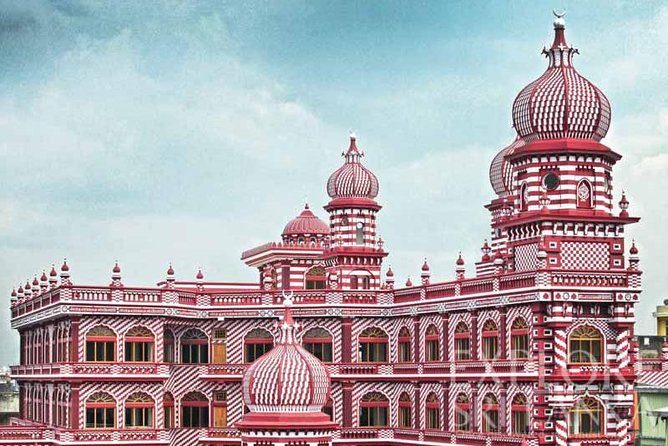
Then comes the Jami Ul-Alfar Mosque, popularly known as the Red Mosque. It’s described as a unique masterpiece.
This is one of those stops where you should just slow down and look. Mosque architecture isn’t just decoration; it’s tied to community and daily life. Even with limited time, you’ll get the sense that Colombo’s identity isn’t only colonial-era buildings and financial institutions.
TITUS STORES: old business adaptation
Right after, the tour includes TITUS STORES, a family-run business for over 90 years, founded in 1924 as TITUS LAMP STORES. The original product was petrol lamps called TITUS Lamps. With the advent of electricity, the business shifted to homeware and gifts.
This is a small stop with big meaning. Colombo changes through adaptation, not just buildings. You’re seeing how a local business evolved as technology changed. It’s exactly the kind of detail that makes a short tour feel real.
Pettah’s Old Town Hall and the Fort Railway Station hub
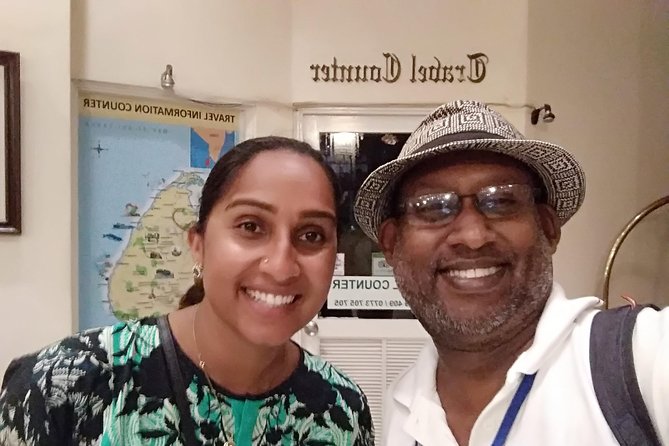
As the walk continues, the route helps you connect the “showpiece” Fort buildings to Colombo’s workday energy.
Old Town Hall in Pettah
You’ll stop at the Old Town Hall, described as a little-known historic monument in Pettah. It’s a large gothic church-like mansion in the old business quarter. It’s also described as a treasure trove inside—though the summary you shared cuts off the specifics of what you’ll see inside, I’d still expect the guide to point out features worth noticing rather than just handing you a pass and moving on.
Admission is listed as included here, so you’ll likely get a real look, not only a street-side glance.
Pettah itself is the kind of place where you notice movement: shops, deliveries, people bargaining, people cooking, people doing things. The tour choice here makes sense because it ties architecture to commerce and daily life.
Colombo Fort Railway Station
Next is the Colombo Fort Railway Station, built by the British and described as the major hub in Colombo. You get about 15 minutes, and entry is listed as included.
This stop is a practical one. Railway stations explain how a port city connects. They’re also where you see what Colombians use, not just what tourists photograph.
If you’re the type who likes cities through their infrastructure, this will land well.
Gangaramaya (Vihara): the one place where you budget extra
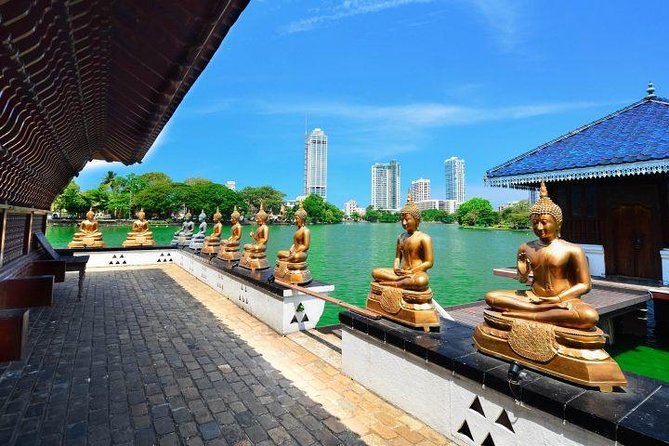
No walk like this is completely free. The tour includes a temple stop where a small donation is required.
Gangaramaya Buddhist Temple
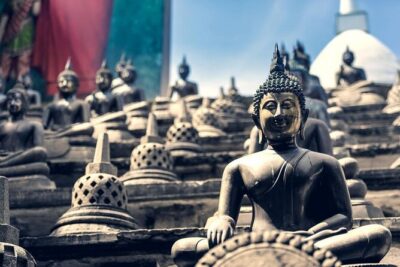
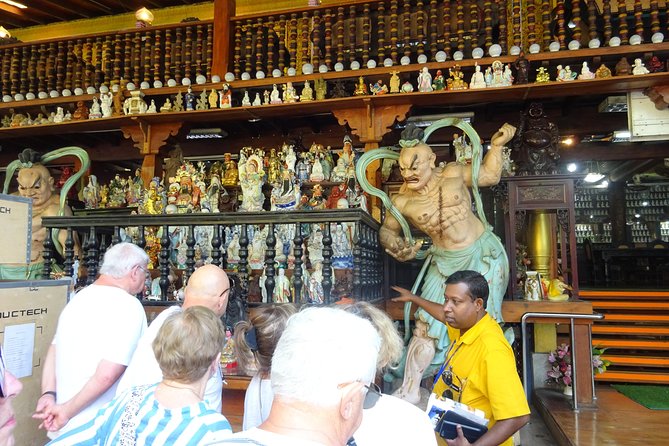
You’ll visit Gangaramaya (Vihara), described as the main temple in Colombo with unique architecture influenced by many cultures. It’s listed as not included for admission, and you’ll receive a ticket from the temple. The cost is $2.00 per person as a donation considered the admission fee.
That $2 is the only obvious “pay again” moment in the itinerary. Plan for it so you’re not scrambling at the entrance.
A practical tip: if you’re wearing something that covers shoulders and knees, you’ll likely feel more comfortable entering religious spaces. The tour is designed for most participants, but temples have their own expectations.
Wrapping up at Galle Face Hotel and the Green’s British-era echoes
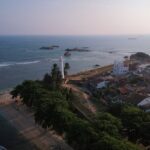
The tour finishes at the same place it starts: Galle Face Hotel, in front of Galle Face Green. The timing here is helpful because you can watch real city life as you walk out of the structured tour and back into free time.
Along the way, you’ll be able to see activities on the Green and also get a glimpse into the past of the green, including iconic buildings such as the Old Parliament and the Galle Face Hotel.
The summary also points to a Neo-Baroque-style building built during British colonial rule to house the Legislative Council of Ceylon. It was built on an idea of Sir Henry McCallum, with a proposal made by a committee for the new building.
This end section works because it turns the whole walk into a loop. You begin at the city’s most famous open space, then spend hours learning how colonial power, commerce, and religious life show up on the street. Then you finish with the view that helps everything click.
How long it really takes, and what the pace feels like
The official duration is 3 to 4 hours. The itinerary is paced with short stops—often 5 to 15 minutes—so you’re not stuck in any one place for too long.
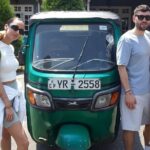
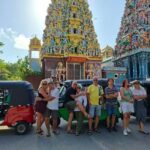
You’ll likely do mostly walking, but the tour includes private transportation, and in the experience you described, there’s mention of an electric tuk tuk between areas. That blend is usually a good sign: you get street-level details without spending your whole day sweating through transfers.
Group size is capped at 8, which keeps the pace comfortable. It also helps Ajeet manage the route when people ask questions. In that kind of group size, you’re not just getting a script. You can steer the conversation toward what interests you: architecture, colonial history, everyday Colombo life, or religious sites.
Price and value: what $30 covers
Let’s talk money in plain terms.
The tour price is $30, and it includes:
- Bottled water
- Snacks
- Government fees
- Private transportation
- Stops with free admission across multiple landmarks
- Some admissions listed as included (like Old Town Hall and Fort Railway Station)
What’s not included:
- Temple donation/admission at $2 per person (issued by the temple)
For a 3 to 4 hour guided walk with bottled water and snacks plus entry fees for at least a couple stops, $30 is pretty fair. The value isn’t only the price tag. It’s what you get: a guided sense of how Colombo changed over time, plus a route you wouldn’t easily assemble yourself in a first day trip.
If you’re visiting for a short time and want a fast, organized first look at the city, this tour saves mental energy.
Who should book this Colombo walking tour (and who might not love it)
This tour is a strong fit if:
- you like history tied to real street scenes, not only museum walls
- you want to ask questions and have a guide respond like a person, not a recording
- you want a route that balances Fort landmarks with Pettah commerce and at least one major temple
- you prefer small groups, ideally max 8 people
You might want to think twice if:
- you hate walking in heat and prefer fully seated sightseeing
- you want very short stops and minimal storytelling
- you’re not interested in history and would rather spend time only on beaches/shopping
Should you book Colombo Walking Tour with Ajeet De Soyza?
Yes—if you’re in Colombo early in your trip and you want the city to make sense. This route helps you see Colombo as more than a stopover: colonial-era buildings aren’t just pretty facades, and Pettah isn’t just a place you pass through. The small-group size, Ajeet De Soyza’s engaging way of connecting history to what you’re walking past, and the included water and snacks make it a practical win.
The one thing to do before you go: wear shoes that can handle uneven sidewalks and dust, and keep that $2 temple donation in mind. If you do that, you’ll come away with a clearer picture of Colombo and an easier time choosing what to do next.
FAQ
How much does the Colombo Walking Tour with Ajeet De Soyza cost?
The price is $30.
How long is the tour?
It runs about 3 to 4 hours.
Where does the tour start and end?
It starts and ends at Galle Face Hotel, on Galle Rd, Colombo 00300, finishing in front of Galle Face Green.
What’s included in the tour price?
Included are bottled water, snacks, government fees, and private transportation.
Is there an extra cost at the temple?
Yes. The temple admission/donation is $2.00 per person, and a ticket is issued by the temple.
How big is the group?
The maximum group size is 8 travelers.
Do I need paper tickets?
No. You’ll receive a mobile ticket.
What happens if the weather is bad or the minimum number of travelers isn’t met?
This experience requires good weather. If it’s canceled due to poor weather, you’ll be offered a different date or a full refund. If the minimum number of travelers isn’t met, you’ll be offered a different experience/date or a full refund.