REVIEW · CITY TOURS
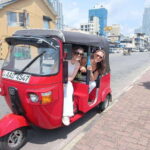
Colombo local Food Tour &City Tour by TukTuk All food Included
Book on Viator →Operated by Glory Tour By Tuk Tuk · Bookable on Viator
Four hours in a tuk-tuk can change your whole day.
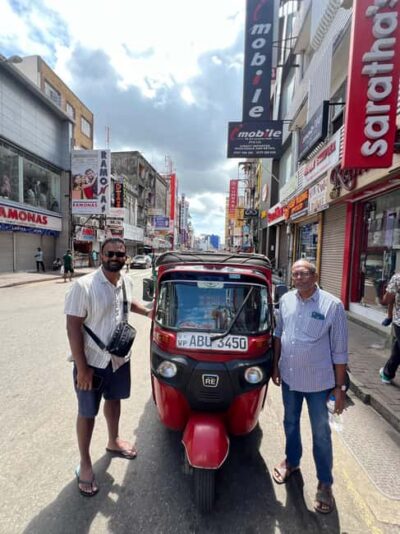
This Colombo tour strings together classic landmarks, Hindu and Buddhist sites, and a serious run of local bites, all while you roll through neighborhoods by tuk-tuk with a local guide.
I especially like two things: the street food lineup is fully built into the price, and the guidance from Starlin makes the stops feel connected, not random. You’re not just eating; you’re learning what you’re tasting and why that place matters.
One consideration: temple entrance tickets may cost extra on site, even though some parts of the route list admissions. It’s worth planning to pay a small amount in cash when you arrive.
In This Review
- Key highlights you’ll feel fast
- Why Colombo by tuk-tuk is the right match for a 3-hour route
- Price value check: $35 includes meals and a full food run
- Your food game plan: what you’ll eat and where the flavors show up
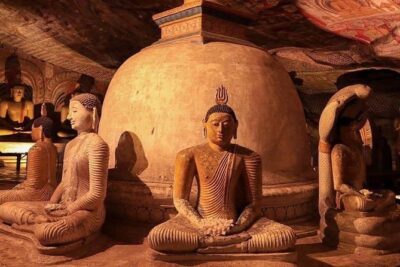
- Stop 1: Gangaramaya Temple and its mixed-identity architecture
- Stop 2: Sri Kailawasanathan Swami Devasthanam Kovil, Shiva and Ganesha
- Stop 3: Viharamahadevi Park’s shaded reset and former cinnamon grounds
- Stop 4: Ceylon Tea tasting and what you’ll learn beyond flavor
- Stop 5: Pettah and Thambili coconut water for a quick refresh
- Stop 6: Aluthkade Streetfood, where the night turns into your menu
- Stop 7: Colombo street food sweets, with festival timing as a bonus
- Stop 8: Galle Face Green for sunset-style snacks and sea air
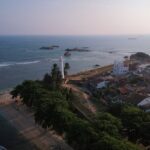
- Stop 9: Colombo Lighthouse, photos without the climb
- Timing, comfort, and what to expect from the group setup
- Who should book this Colombo tuk-tuk food and city tour
- Should you book Glory Tour By Tuk Tuk?
- FAQ
- How long is the Colombo Local Food Tour & City Tour by TukTuk?
- What does the $35 price include?
- Are temple entrance fees included?
- Does the tour offer pickup?
- Is this a private tour?
- Can I choose vegetarian food?
- What happens if the weather is poor?
Key highlights you’ll feel fast
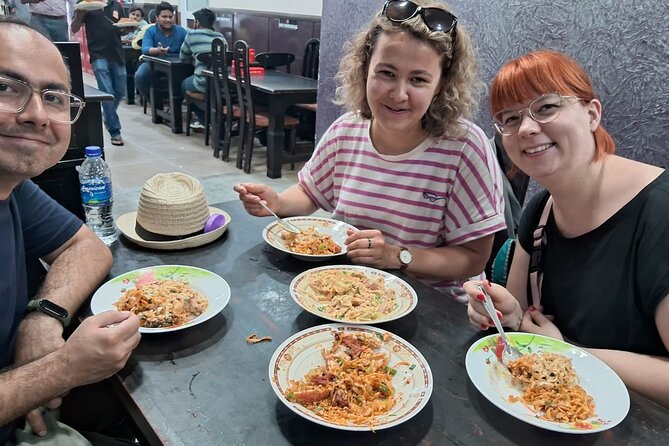
- Starlin-led route: clear explanations and easy going pacing for real city life
- All local food included: lunch or dinner plus multiple street-food stops and drinks
- Temple stops by theme: Buddhist Gangaramaya, then Hindu Shiva and Ganesha at Kovil
- Ceylon Tea tasting: samples plus basic grading and brewing know-how
- Coastal finale at Galle Face Green: sunset-style snack time and ocean breeze
- Colombo Lighthouse photo break: a landmark stop, with climbing reported as closed
Why Colombo by tuk-tuk is the right match for a 3-hour route
Colombo can feel like a blur if you try to DIY it. A tuk-tuk tour fixes that. In about 3 hours, you get a focused loop that hits major neighborhoods without you spending energy on directions, parking, or figuring out which streets are worth your time.
This is also a private tour, so it’s just your group. That matters for food tours, because you’ll want to move at a pace that lets you actually eat and ask questions. Pickup is offered, and you’ll get a mobile ticket, which keeps things simple when you meet your guide.
Finally, the timing is built for late day. The tour runs after 3 PM, and that lines up perfectly with the route’s coastal and street-food moments. If you’re in Colombo for a short window, this is a smart way to get your bearings fast while also eating like a local.
You can also read our reviews of more food & drink experiences in Colombo
Price value check: $35 includes meals and a full food run
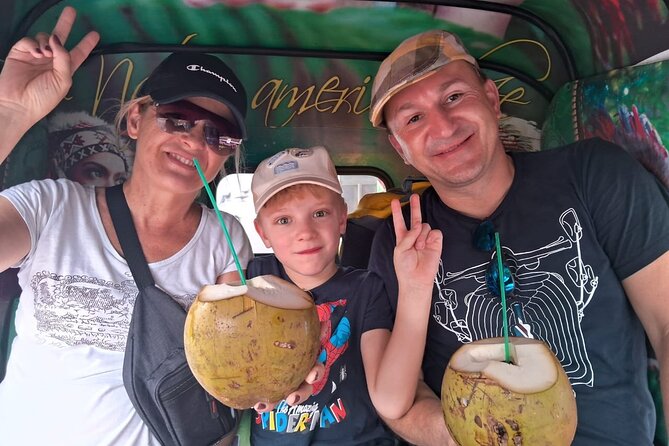
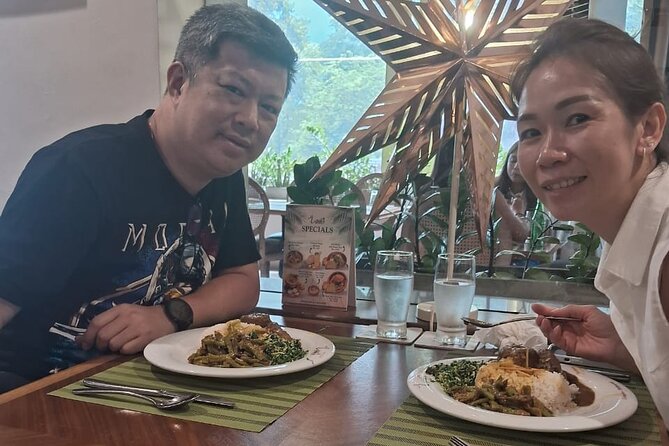
At $35 per person, the value comes from what’s wrapped in, not just the sightseeing. Your tour includes lunch or dinner, bottled water, and all local street food. On top of that, you get drinks and extras like king coconut water and a Ceylon Taste banana.
The stop list also includes Ceylon tea tasting and entry/admission for the Colombo Lighthouse area. So you’re paying mostly for one guided afternoon plus a lot of actual food, instead of paying twice—once for tours and again for meals.
The one line item to keep in mind: temple tickets are not included in the tour notes and may need to be paid on site. That’s not a deal breaker, but it is the one extra cost you should budget for so you’re not surprised at a temple gate.
Your food game plan: what you’ll eat and where the flavors show up
This tour is planned around multiple “small stops, big variety” bites. The easiest way to enjoy it is to come hungry and keep your expectations flexible. You’ll be bouncing between religious sites, tea sampling, markets, and street stalls, so the food is spread out to match the route.
Here’s the kind of eating rhythm you can expect:
- King coconut water (Thambili) at Pettah: sweet, cool, and mineral-satisfying. It’s a great reset when you’re walking between stops.
- Hoppers: you’ll get egg hoppers or plain hoppers, which are a Sri Lankan classic and an excellent comfort-food counterpoint to spicier street items.
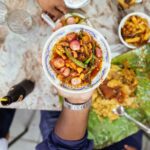
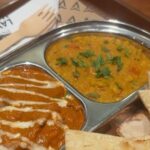
- Aluthkade street food (a big one): your guide brings you into the heart of the night-stall style scene. Expect options like kottu roti, chicken rolls, parathas, and faluda. Even if you don’t order everything, you’ll get a real sense of how Colombo eats after dark.
- Galle Face Green snack time: with the sea breeze, vendors line up with treats such as isso wade (shrimp fritters), achcharu (spicy fruit pickles), and spicy seafood like cuttlefish. The setting makes the food taste better, and it also helps you slow down before the final landmark stop.
- Festive sweets if timing matches: if your dates line up with events like Vesak or Sinhala and Tamil New Year, street stalls may offer sweets such as kavum, kokis, and milk rice. If you’re not there for a festival, you’ll still eat well, just without that seasonal bonus.
Also note the dietary option: you can choose vegetarian or non-vegetarian. That’s genuinely useful on food tours, where some places assume everyone eats the same way.
Stop 1: Gangaramaya Temple and its mixed-identity architecture
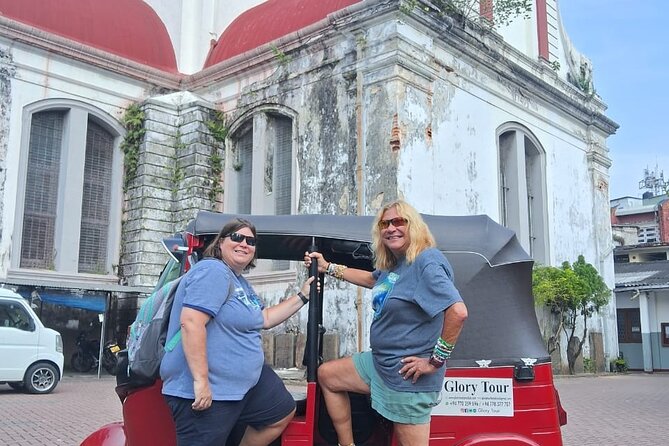
Gangaramaya Temple is the kind of stop that makes you look up. It isn’t only a place of worship; it’s also a cultural hub. Plan for about 30 minutes here.
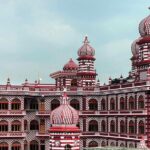
What makes it interesting is the architecture story: you’ll see a mix of Sri Lankan, Thai, Indian, and Chinese design elements in the same complex. That gives you a fast overview of how Colombo has absorbed different cultural influences over time.
Even if you’re not a deep-history person, this stop works because it’s visual and you can see the blend with your own eyes. The admission listing for this stop is part of the tour plan, but remember the broader note that temple tickets may require payment on site.
Stop 2: Sri Kailawasanathan Swami Devasthanam Kovil, Shiva and Ganesha
Next comes the Hindu temple stop, about 15 minutes. This one is dedicated to Lord Shiva and Lord Ganesha, and the setting is described as especially lively, with colorful towers and detailed carving work.
You’ll spend enough time to appreciate the decorative style without feeling rushed. This also gives your route balance: Buddhist architecture first, then Hindu worship spaces. It’s a good reminder that Colombo’s religious life is active and layered, not separated into neat museum zones.
Just like the previous temple: admission might be listed in the stop details, but the overall tour notes say temple tickets aren’t included. So be ready to pay on site if needed.
You can also read our reviews of more tours and experiences in Colombo
Stop 3: Viharamahadevi Park’s shaded reset and former cinnamon grounds
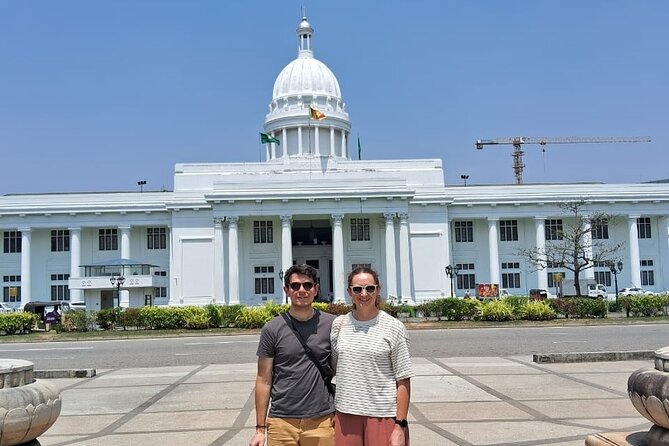
After temples, you shift to a break from the intensity: Viharamahadevi Park for about 15 minutes. The park sits in an area that used to be a cinnamon plantation, and today it’s one of Colombo’s more prestigious zones, with embassies and luxury homes nearby.
This stop is less about ticking boxes and more about pacing. You get a short walk through greener space and quieter streets, then you move back toward markets and food. If you’re sensitive to heat and crowds, the shaded park moment is a practical advantage.
Stop 4: Ceylon Tea tasting and what you’ll learn beyond flavor
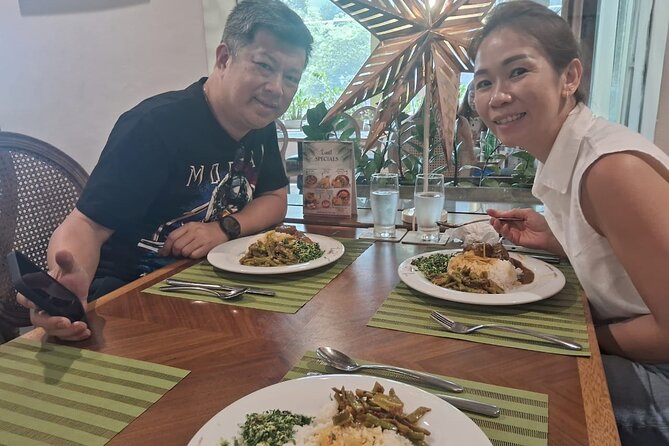
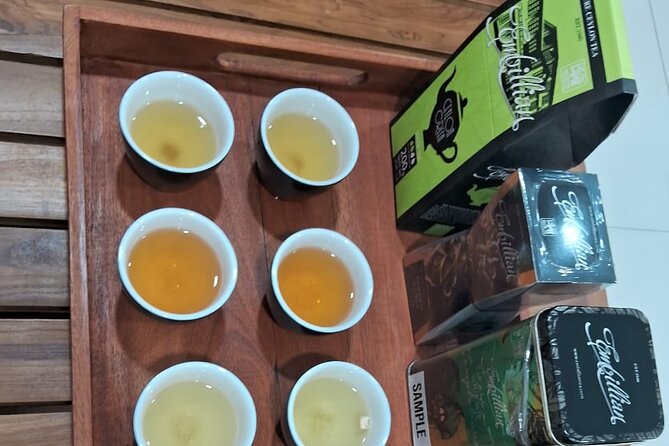
Tea in Sri Lanka isn’t just a drink; it’s an economy, a craft, and a culture. Your Ceylon Tea Supermarket tasting stop runs about 20 minutes, and it’s built to do two things: help you taste, and help you understand grading and brewing.
You’ll sample a variety of teas, including black, green, and herbal options. The learning component covers basics like tea grading and brewing techniques, so you’ll leave with a better sense of why one cup tastes lighter, darker, or more aromatic than another.
This is a great stop for anyone who likes food and drinks but doesn’t want a lecture. It’s short, practical, and tied to a real product Sri Lanka is known for.
Stop 5: Pettah and Thambili coconut water for a quick refresh
Pettah is a major Colombo neighborhood, and this time you’re using it for one of the smartest moves on a food tour: refresh first. The stop is only about 10 minutes, but you’ll taste king coconut water (Thambili), described as sweet and mineral-rich.
The practical value here is timing. You’re about to head into a food-heavy stretch, including street stalls where spice and salt show up fast. Coconut water gives your palate a cleaner reset, so you enjoy what comes next instead of getting overwhelmed.
Stop 6: Aluthkade Streetfood, where the night turns into your menu
This is one of the biggest parts of the tour: around 40 minutes at Aluthkade Streetfood. This area is known for its evening stalls, and it’s where you’ll eat the most variety.
You’ll likely see and taste items such as:
- kottu roti
- chicken rolls
- parathas
- faluda
For a first-time visitor, this stop does more than satisfy hunger. It shows how casual street food can be a full meal, not just a snack. It also gives you a sense of what locals look for: texture, heat, and balance between savory and sweet.
One tip I’d follow: don’t try to order like a tasting menu perfectionist. On a route like this, your best move is to taste, take small bites, and let your guide steer you toward what pairs well. With all food charges included, you don’t need to keep rethinking the price.
Stop 7: Colombo street food sweets, with festival timing as a bonus
There’s another stop framed around Colombo street food culture, described as especially lively during Vesak or Sinhala and Tamil New Year. In those periods, you may find sweets like kavum, kokis, and milk rice.
If your visit isn’t during a festival, you’ll still benefit from this stop because it reinforces the theme: Colombo food isn’t one category. It’s sweets, snacks, drinks, and full meals—depending on the day and the crowd.
This is also a good time to slow down and ask questions. You’ll learn how people think about snacks and how the city’s food rhythm changes from afternoon to evening.
Stop 8: Galle Face Green for sunset-style snacks and sea air
Then you move to Galle Face Green, the coastal promenade locals love. Your time here is about 20 minutes, and the big advantage is the atmosphere shift: you go from street food energy to open sea views.
Expect vendors selling snacks like isso wade and spicy pickles such as achcharu, plus options like spicy cuttlefish. Even if you skip a particular item, you’ll get the full sense of how the seaside scene supports Colombo’s evening food culture.
This stop is also a mental reset. If your first half felt full-speed, the ocean breeze helps you breathe and enjoy your final landmark moment with less fatigue.
Stop 9: Colombo Lighthouse, photos without the climb
The final stop is the Colombo Lighthouse area for about 10 minutes. Climbing is noted as closed, but it’s still a worthwhile photo and reflection point. You’ll feel the ocean breeze, get a quick viewpoint, and end on a calm note rather than ending mid-market.
The tour includes entry/admission for the Lighthouse area, so you’re not paying separately just to stand and look. It’s a neat way to finish, especially because the route already warmed you up with food and temples.
Timing, comfort, and what to expect from the group setup
This tour runs roughly 3 hours, starting after 3 PM. That timing matters because it lines up with:
- temple visits in daylight
- tea tasting before the main street food stretch
- evening-style snacks at Aluthkade and along the coast
It’s also a private experience, which means you’re not stuck listening to strangers’ pace. Pickup is offered, and the meeting area is described as near public transportation, so it’s easier to coordinate if you’re staying in the city center.
Weather matters too. The experience requires good weather, and if it’s canceled for poor conditions, you’ll be offered another date or a full refund. In Colombo, that’s worth taking seriously. Plan to keep your schedule flexible if you can.
Who should book this Colombo tuk-tuk food and city tour
Book this if you want:
- a first-time Colombo orientation in a short afternoon
- a food tour where the meals are actually covered
- a guide-led route that connects food stops with real cultural sites like Gangaramaya and Kovil
- an easy way to taste multiple Sri Lankan staples without committing to a full day out
You might skip it if you:
- want a long, slow sightseeing day with minimal food
- dislike street food style dining (even though you do get breaks, the center of the tour is still street stalls)
- are only interested in one narrow theme, like purely museums or purely beaches
Should you book Glory Tour By Tuk Tuk?
If you’re short on time and you want Colombo to make sense quickly, I think this is a smart pick. The pricing works because it bundles lunch or dinner, lots of street food, coconut water, tea tasting, and key landmark stops into one guided loop. The only real watch-out is the temple entrance situation, since temple tickets may be paid on site.
If you like being guided, eating your way through neighborhoods, and ending with sea views at Galle Face, you’ll likely enjoy this tour.
FAQ
How long is the Colombo Local Food Tour & City Tour by TukTuk?
It runs for about 3 hours.
What does the $35 price include?
The tour includes lunch or dinner, bottled water, all local street food, king coconut water, egg hoppers or plain hoppers, and admissions for Colombo Lighthouse and Ceylon tea tasting, plus other included food items.
Are temple entrance fees included?
Temple entrance fees are not included in the tour notes. You may need to pay on site for temple tickets.
Does the tour offer pickup?
Yes, pickup is offered.
Is this a private tour?
Yes. It’s listed as a private tour/activity, meaning only your group participates.
Can I choose vegetarian food?
Yes. There’s an option for vegetarian or non-vegetarian.
What happens if the weather is poor?
The experience requires good weather. If it’s canceled due to poor weather, you’ll be offered a different date or a full refund.