REVIEW · COOKING CLASSES
Colombo Cooking Class
Book on Viator →Operated by Colombo Cooking Class · Bookable on Viator
A Sri Lankan kitchen is a better classroom. This private hands-on cooking class in Colombo teaches you the real rhythms of local food, from egg hoppers and curries to traditional desserts, all with a home cook named Piumi.
I love that you’re not stuck with “recipe reading” or restaurant-style instructions; you’re working your hands through the dishes, then sitting down to eat what you made. I also love how much the class connects food to daily life, since you’re cooking in a family setting rather than a studio.
The only thing to watch is timing: lunch starts at 10am and dinner starts at 4pm, and those times can shift based on availability, so you’ll want to double-check before you plan the rest of your day.
In This Review
- Key Highlights You Should Know
- The Real Draw: Colombo Cooking in a Family Kitchen
- The 3-Hour Setup: Lunch at 10am, Dinner at 4pm
- Where You Start in Colombo (And Why It Helps)
- Who You Cook With: Learning From Piumi and Sri Lankan Home Life
- What You’ll Cook: 10 Dishes, Curries, Egg Hoppers, and Dessert
- Lunch vs. Dinner: Choosing the Session That Fits Your Trip
- How Value Works Here (It’s Not Just a “Meal”)
- What the Cooking Teaches You Beyond Recipes
- Practical Tips Before You Go
- Who This Colombo Cooking Class Is Best For
- Should You Book Colombo Cooking Class?
- FAQ
- How long is the Colombo Cooking Class?
- What’s included in the class?
- Do I choose lunch or dinner?
- Is this a private class?
- What’s the meeting point?
- Is there a cancellation option?
Key Highlights You Should Know
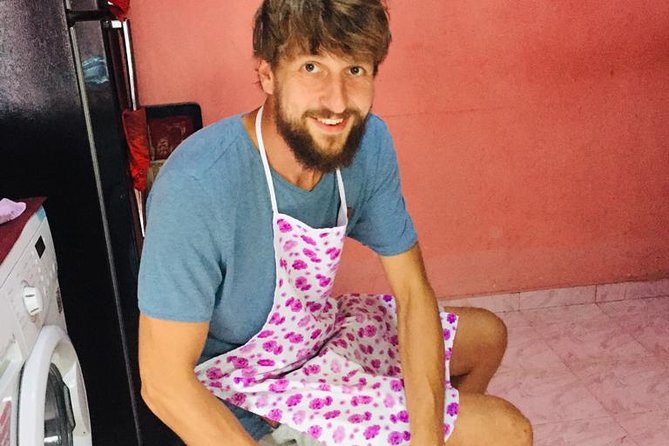
- Private, at-a-home cooking lesson led by a real cook, not a script
- Hands-on guidance while you build at least 10 dishes
- Lunch or dinner included, with ingredients provided
- Vegetarian-friendly options with multiple veg curries reported by guests
- Culture through food, taught through how a Sri Lankan family actually cooks
The Real Draw: Colombo Cooking in a Family Kitchen
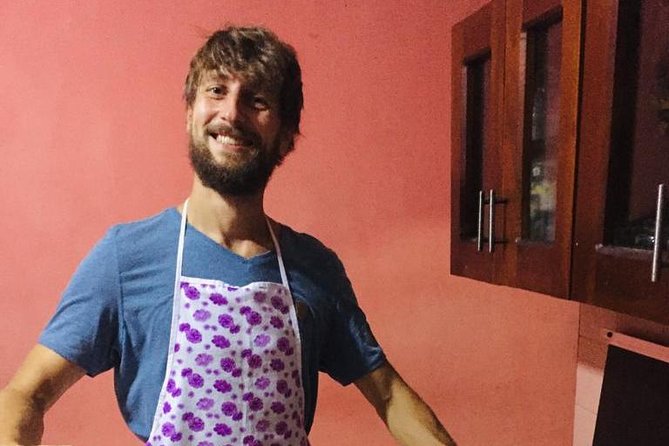
If you’ve ever taken a cooking class that felt like a demo with props, this one feels different right away. You’re in Colombo, but the point isn’t to “collect techniques” from a worksheet. The point is to learn how Sri Lankans cook at home—what matters, what gets adjusted, and why certain flavors are built in layers.
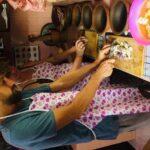
The class is private, so the pace is shaped around your group. That matters because Sri Lankan cooking isn’t just about spices on top. It’s about how you treat aromatics, balance heat, and get sauces and batters to the right consistency. The best part is you don’t finish after 10 minutes of stirring. You cook, you taste, and then you eat what you made.
And the biggest plus people consistently point to is the teacher: Piumi. In one vegetarian-focused experience, she taught how to prepare and cook ten different vegetarian curries, and the lunch was called genuinely delicious. Even when fish curry is on the menu for others, the teaching approach stays clear and welcoming.
You can also read our reviews of more cooking classes in Colombo
The 3-Hour Setup: Lunch at 10am, Dinner at 4pm
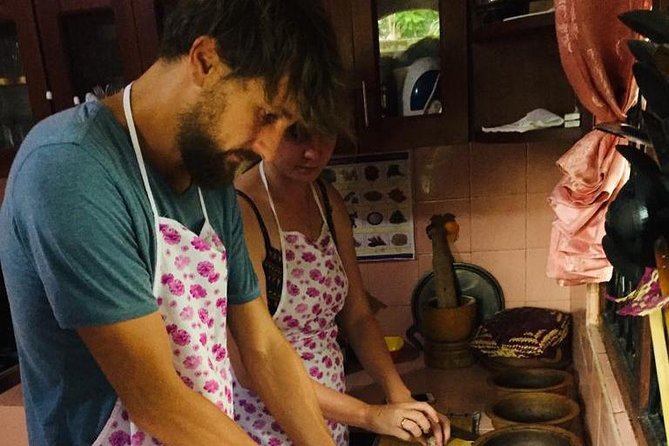
The class runs for about 3 hours. You choose either lunch or dinner, and sessions operate daily. Lunch starts at 10am, and dinner starts at 4pm. The provider notes that times can change depending on both sides’ availability, so treat those start times as your baseline, not a guarantee.
During the session, you’ll make multiple dishes with hands-on help, then you sit down to eat together. That structure is great for first-timers. You’re learning actively, but you’re not stuck standing over a stove for the full time without any “finish line.”
A practical note: plan for an active morning or afternoon. Even if you’re comfortable in kitchens, you’ll be chopping, mixing, and working through steps that take attention. If you’re the type who likes to casually watch cooking shows, this isn’t that. This is for people who want to do the work.
Where You Start in Colombo (And Why It Helps)
You meet at Colombo Cooking Class, No 275/1, B231, Angoda 10600, Sri Lanka, and the experience ends back at the same meeting point. That “return to start” setup makes logistics easier. You don’t need to figure out a new drop-off location after you’re done eating.
The location is described as near public transportation, which is helpful if you’re not renting a car. Also, the class is set up as a private tour/activity for your group only, so you won’t be squeezed into a larger crowd schedule.
One more small detail that can matter: you’ll receive a mobile ticket. So if you’re trying to reduce stress while traveling, this is one less thing to print or misplace.
Who You Cook With: Learning From Piumi and Sri Lankan Home Life
The tone of this class seems to come from a simple place: you’re learning from a home cook. That shows up in how the class feels—less formal than a cooking school and more like you’re being invited into a family rhythm.
Piumi comes up again and again in feedback as an excellent cook and teacher. What people seem to appreciate most is not just her ability to cook, but her ability to explain. In a vegetarian class, she guided the group through cooking multiple curries and helped turn them into a full lunch meal. In another experience, the group made fish curry as part of a wider spread and the session was described as authentic and rooted in Sri Lankan family life.
If you care about food as culture, you’ll like the way the class makes that connection. Instead of telling you Sri Lanka is “spice-rich” in a brochure way, you learn how flavors are built through actual steps—aromatics, spices, simmering, and finishing touches. That’s the stuff you can use later when you’re cooking at home.
What You’ll Cook: 10 Dishes, Curries, Egg Hoppers, and Dessert
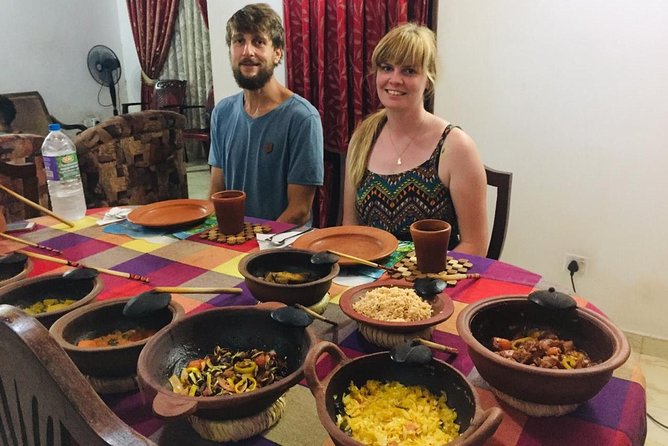
The promise is clear: you’ll make at least 10 different dishes, plus traditional desserts. The course focuses on beloved local foods, with curries and egg hoppers specifically mentioned.
Here’s what that means for your learning, practically:
- Curries teach you the foundation of Sri Lankan flavor: how spice blends behave when cooked, how sauces thicken, and how balance works when you’re not just dumping seasoning at the end.
- Egg hoppers (often a breakfast icon in Sri Lanka) help you understand batter consistency and heat control, which is a whole different skill set than curry sauce work.
- Traditional desserts add context, because Sri Lankan meals aren’t only savory. You learn how sweetness is handled in this cuisine—often with the kind of comforting ingredients locals expect after a meal.
In one vegetarian class, the cooking output was described as ten vegetarian curries, which tells you there’s real flexibility rather than a token side dish. So if your dietary needs lean vegetarian, you’re not just hoping there’s something you can eat—you’re actively cooking dishes that match that style.
And yes, you’ll eat what you make. That matters for quality control: the class can’t help but teach you by giving you immediate feedback through tasting.
You can also read our reviews of more tours and experiences in Colombo
Lunch vs. Dinner: Choosing the Session That Fits Your Trip
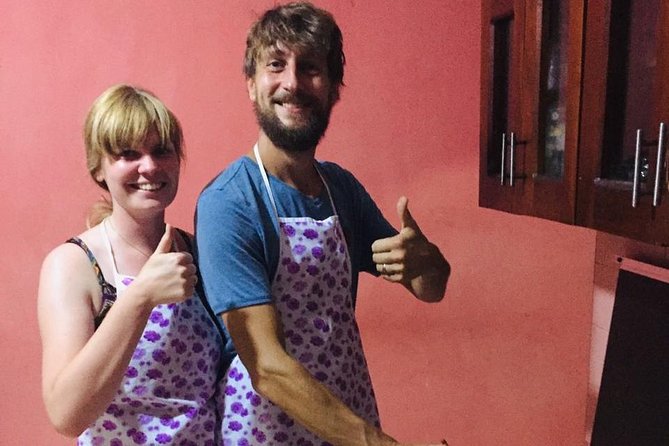
Both lunch and dinner sessions are available every day, but your choice should match how you plan your day.
Lunch at 10am is a solid pick if you want an earlier start and a guaranteed meal without hunting for restaurants later. You’ll also likely be more fresh for hands-on cooking at the start of the day, before heat and fatigue build.
Dinner at 4pm is better if you’ve got morning sightseeing and want a relaxed afternoon that ends in a proper meal you cooked yourself. It’s also a nice way to break up your travel pace—especially in a city where you might otherwise fall into repeating the same routine.
One caution: since the start times can change depending on availability, keep your schedule open enough that a small shift won’t derail your day.
How Value Works Here (It’s Not Just a “Meal”)
At $60 per person, this class can feel expensive if you compare it to a casual street meal. But cooking classes are value math, not price math.
You’re paying for:
- a private learning setup (not a shared group cram session)
- hands-on instruction for multiple dishes
- ingredients included
- and the meal itself
Also, there’s a difference between learning a few basics and learning a full set of dishes. Ten dishes is a serious amount of work and practice for a single 3-hour block. Even if you end up using only a few recipes later, you’re still walking away with techniques you can repeat.
The reviews rating—5 stars with a very high recommendation rate—also hints that the price is aligned with what you actually get: a home-cooked outcome, not a “pay and watch” experience.
What the Cooking Teaches You Beyond Recipes
The best part of a class like this isn’t memorizing ingredient lists. It’s learning how Sri Lankan cooking behaves in real conditions.
When you cook curries with guidance, you learn what changes when you:
- sauté aromatics properly before adding spices
- simmer until flavors meld
- adjust texture so the curry coats instead of stays watery
When you make egg hoppers, you learn heat control and batter consistency—two skills that don’t transfer automatically from Western pancakes. You’ll start thinking differently about kitchens and outcomes: less guesswork, more cause and effect.
And because the class is in a home setting, the lesson feels practical. You’re learning food that has to be consistent enough for daily life, not only special occasions. That’s why people describe it as authentic and connected to culture, not just cooking.
Practical Tips Before You Go
To make the most of your time in the kitchen, go in with the right mindset:
- Arrive with energy. You’ll be cooking, not just tasting.
- If you’re vegetarian (or have other dietary limits), let the provider know in advance. One review specifically praised a vegetarian teaching approach with multiple veg curries.
- Bring curiosity about spices and sauces. If you’re nervous around heat, you can still learn the method and ask about adjustments.
- Plan for a full meal. You’ll cook and then eat, so don’t build your day around extra dinner plans afterward.
Service animals are allowed, and the location is near public transportation, which are helpful to know if you rely on transit.
Who This Colombo Cooking Class Is Best For
You’ll enjoy this class most if:
- you want authentic home cooking rather than restaurant-style instruction
- you like hands-on learning where you do the cooking yourself
- you care about culture through everyday food
- you want a class that has worked well for vegetarians (at least based on what’s been described)
You might skip it if:
- you only want a quick snack-making workshop (this is a full 3-hour cooking + meal session)
- you’re looking for an airy, low-stress “watch from the sidelines” experience
It’s also a strong pick for a first trip to Sri Lanka cuisine, because you’ll cover enough variety—curries, egg hoppers, and dessert—to get a clear picture of what locals eat.
Should You Book Colombo Cooking Class?
Yes, if you want a cooking class that feels like you’re learning from a Sri Lankan family cook, not collecting random recipes from a brochure kitchen. The standout reasons are the home-cook teaching (Piumi), the hands-on structure with at least 10 dishes, and the fact that you finish by eating a meal you made.
Book it particularly if:
- you’re traveling with someone who also wants to cook, not just taste
- you want a practical skill set you can use later
- you’d rather learn cuisine from a real household approach
One last check before you commit: choose lunch or dinner based on your schedule, and keep some flexibility in case your time shifts. If you do that, you’re set up for a rewarding, no-nonsense culinary afternoon or morning—one where the food tastes like it belongs in someone’s everyday life.
FAQ
How long is the Colombo Cooking Class?
The class lasts about 3 hours.
What’s included in the class?
You’ll cook at least 10 different dishes, including traditional desserts, and ingredients are included. You also sit down to eat the meal you make.
Do I choose lunch or dinner?
Yes. You can pick either a lunch session starting at 10am or a dinner session starting at 4pm. The provider notes the time may change based on availability.
Is this a private class?
Yes. It’s a private tour/activity, so only your group participates.
What’s the meeting point?
The meeting point is Colombo Cooking Class, No 275/1, B231, Angoda 10600, Sri Lanka. The activity ends back at the meeting point.
Is there a cancellation option?
Yes. Free cancellation is available if you cancel up to 24 hours in advance for a full refund.