REVIEW · COOKING CLASSES
Cooking class in Srilanka
Book on Viator →Operated by Colombo Cooking Class · Bookable on Viator
Cooking class in Colombo sounds simple, until you realize you’ll be making the food yourself. What makes this one interesting is the hands-on format and the fact everything is built around traditional clay pot cooking with a chef guiding you in authentic Sri Lankan style.
I especially like that you’re not stuck watching from the sidelines. You cook the dishes, learn about the spices as you go, and the session centers on making a full spread, including traditional desserts.
One thing to consider: the class requires good weather, and the timing is fixed (about 3 hours), so if you’re trying to build a very loose schedule, plan a little buffer time.
In This Review
- Key things to know before you cook
- Clay pots and Colombo home-style cooking
- Your 3-hour game plan: from spices to ten dishes and dessert
- The menu teaches you: why a multi-dish class is more valuable than one recipe
- Price and value in Colombo: is $50 fair?
- Meeting point in Angoda (Colombo) and how to arrive without stress
- What the private setup changes for your experience
- Weather, tickets, and timing: practical tips before you go
- Who should book this Colombo cooking class
- Should you book Colombo Cooking Class?
- FAQ
- How long is the cooking class in Colombo?
- Where does the experience start in Colombo?
- What do you actually do during the class?
- How many dishes and desserts are included?
- Does the class use clay pots?
- Is this a private class?
- How will you receive tickets?
- Is public transportation nearby?
- What happens if weather is bad?
- What is the cancellation policy?
Key things to know before you cook
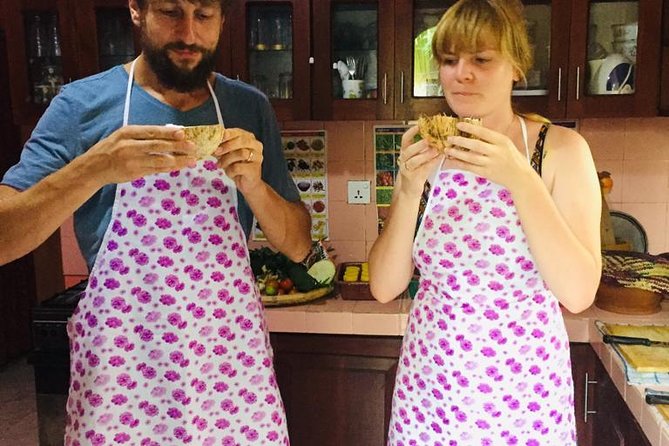
- Clay pots only: You’ll cook using clay pots, so expect the cooking style to feel different from metal pans.
- You cook the whole meal: The chef explains, but the work is yours—10 dishes plus traditional desserts.
- Chef-led spice education: You’ll learn about Sri Lankan spices while actually using them, not just hearing a lecture.
- Private group setup: It’s a private tour/activity, so your group cooks together without strangers hovering.
- Mobile ticket: You receive a mobile ticket, which makes arrival easier.
- Fixed timing at Colombo Cooking Class: Plan around the approximate 3-hour duration.
Clay pots and Colombo home-style cooking
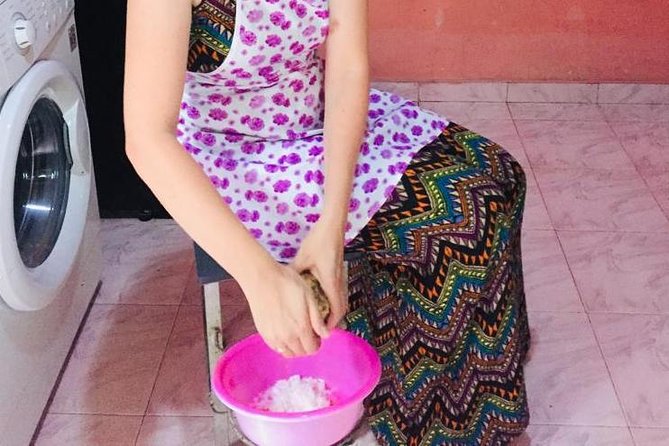
In Colombo, it’s easy to find food tours where you sample a few bites and move on. This cooking class is the opposite. It’s built around real kitchen rhythm: ingredient prep, heat control, seasoning, tasting, adjusting, and repeating—except you do most of it yourself.
The biggest draw here is the clay pot focus. Clay changes how food behaves. Heat can feel more gradual, and flavors can develop in a way you don’t get when you’re rushing through with modern cookware. Even if you’ve cooked before, this is the kind of setup that forces you to pay attention.
The second standout is the coaching style. The chef doesn’t just hand you a script. You’ll cook your dishes while the chef explains the authentic Sri Lankan approach and the role of spices. That combination matters because Sri Lankan cooking isn’t one-flavor-fits-all. It’s about balance: heat, aroma, and depth coming from spice blends and technique.
You’ll also get the sense that this isn’t a showy, polished restaurant class. One review described it like a real family kitchen experience—shared cooking duties, shared prep, and an actual meal you finish together. That’s the vibe I’d aim for if you want something more than a workshop.
You can also read our reviews of more cooking classes in Colombo
Your 3-hour game plan: from spices to ten dishes and dessert
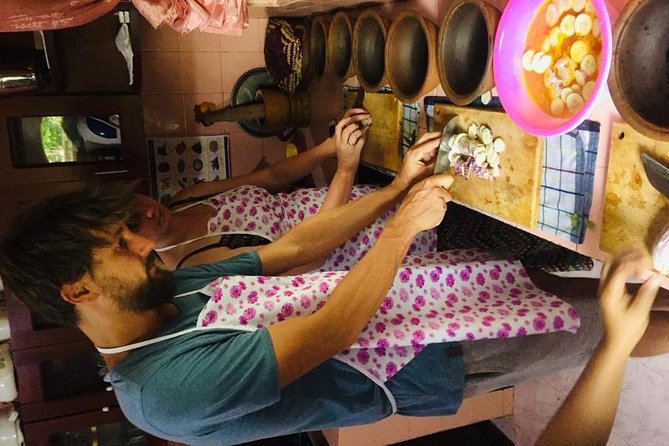
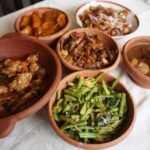
The session runs about 3 hours, and it’s structured around you producing a full variety of food rather than one signature dish. The core promise is that you’ll make 10 different dishes plus traditional desserts.
Here’s how that typically plays out in your time box, and what you should expect to feel as you go:
First, you start with the basics: how the dishes connect, what flavors to watch for, and how the spices fit into each recipe. The chef explains the authentic style in real time, so you can connect the instructions to the food in front of you.
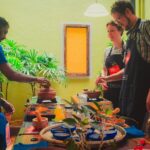
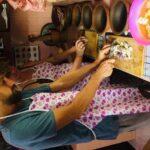
Then you move into the work. You’ll cook the dishes by yourself, and the chef is there to guide you when you need help. This part is the most “real” part of the experience. You’re handling ingredients, seasoning, stirring, and making decisions like how much spice to add and when the dish needs adjustment.
Because there are ten dishes, you won’t spend the whole class on one thing. You’ll likely rotate through parts of the meal, coordinating your efforts with the group setup. That’s why the chef’s explanations matter so much—you’re not just following steps, you’re learning how to think like a Sri Lankan cook.
Finally, you’ll finish with traditional desserts. Dessert is the part people often skip in cooking classes, but here it’s included. Even if you’re not the world’s best dessert maker, having the chef guide the process keeps it from turning into a frantic “guess-and-hope” moment.
By the end, you’re not just leaving with photos. You’ve made a spread, you understand the spice logic behind it, and you get a meal that matches the effort you put in.
The menu teaches you: why a multi-dish class is more valuable than one recipe
You’ll receive a menu, and the session is organized around making a range of dishes, not a single highlight. That matters for two reasons.
First, Sri Lankan cooking is built on patterns. Once you understand how spice blends behave across different dishes, you can cook more confidently later—even if you don’t remember every exact step. A ten-dish setup naturally teaches those patterns faster than a “one recipe only” class.
Second, a multi-dish experience forces you to notice technique. Some dishes might require a certain approach to aromatics, while others lean on simmering and layering flavor. Even without a detailed list of dish names provided here, the structure itself is educational: you learn a method, then you apply it repeatedly.
Also, the class is fun in a practical way. One review called out the feeling of cooking together with a family-like group. That shared workload keeps the energy up. Instead of feeling stuck in a single long recipe, you’re continuously engaged because something new is happening on your station.
If you’re the type who wants to go home and cook one “wow” meal, this may still fit. But if you’re the type who wants to build real competence with Sri Lankan flavors, the ten-dish format is a strong value.
Price and value in Colombo: is $50 fair?
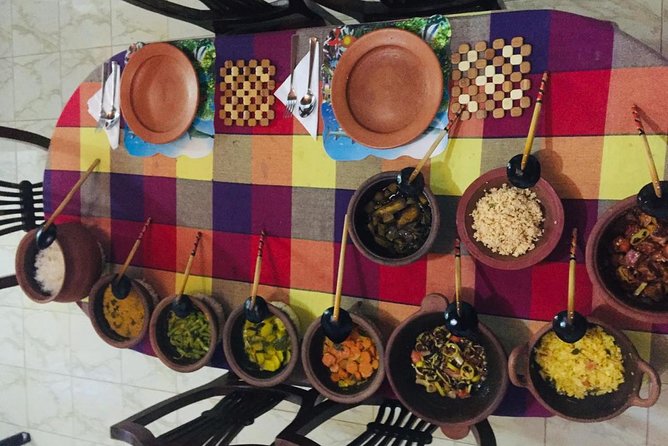
At $50 per person, you’re paying for a guided, hands-on cooking session with coaching and ingredients, and you’re leaving with a full meal worth of food you helped create. In practice, the value comes from three things.
1) You cook ten dishes. Many cooking classes charge for a shorter, simpler output. Here the promise is a broad spread, including desserts, which means more time producing food with real instructions.
2) Chef explanation is built in. The chef explains everything as you cook. That’s not just “FYI” commentary—it’s guidance while you’re actively making decisions in the kitchen.
3) Clay pot traditional method. You’re not just learning recipes in theory. You’re experiencing a cooking style that uses clay pots, and that difference can carry over to how you season and handle heat.
There are also hidden value points. You’re learning about spices while cooking, which is often the hardest part to replicate later. If you’ve ever tried to cook a foreign dish from memory, you know that spices are where recipes break.
Is it expensive? For Colombo, $50 for three hours of private, hands-on coaching with a multi-dish meal isn’t bargain-bin pricing. But compared to doing the same thing with a restaurant meal and a bunch of separate cooking experiences, this is a focused way to get real technique.
If you’re a solo traveler, it can still be worth it for the output. If you’re a couple or small group, it tends to feel even better because you’re paying for instruction and cookware time, not just tasting.
Meeting point in Angoda (Colombo) and how to arrive without stress
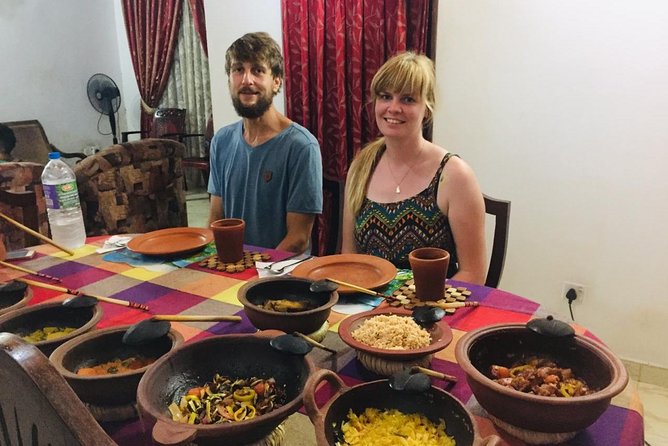
The class starts at No 275/1, B231, Angoda 10600, Sri Lanka, and it ends back at the same meeting point. That round-trip setup is helpful. You don’t need to plan transportation across town once the cooking starts.
It’s also listed as near public transportation, which matters because Colombo traffic can be unpredictable. Aim to arrive a little early so you can get settled and start cooking without feeling rushed.
One practical note: the experience is described as requiring good weather. If you’re traveling in a rainy period, keep an eye on forecasts and be ready for date adjustments or a shift in plans if weather becomes an issue.
Since this is a private tour/activity, you should also expect a more direct, group-centered setup. That’s good for comfort and attention. It also means you’ll want to be on time, because the kitchen flow is likely geared toward your group rather than waiting around.
You can also read our reviews of more tours and experiences in Colombo

What the private setup changes for your experience
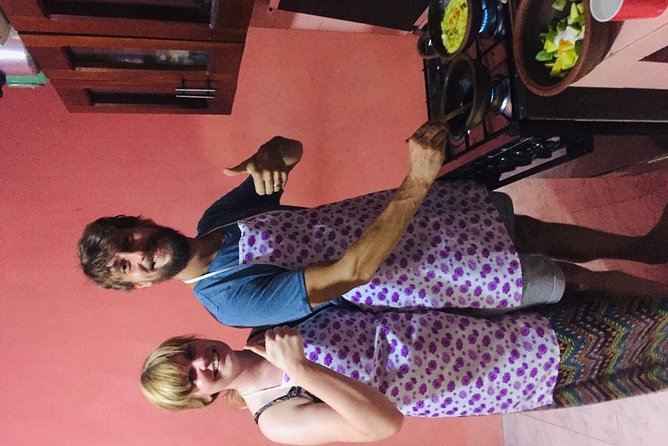
This is a private tour/activity, meaning only your group participates. That changes the experience in small but meaningful ways.
You get more time with the chef because attention doesn’t get spread across random participants. If you have questions about spice levels or technique, you’re more likely to get a direct answer in the moment. And since you’re cooking the dishes yourself, quick troubleshooting matters.
It also changes the pacing. Group cooking works best when everyone is moving together. A private setup tends to feel more coordinated, more like a small family kitchen where you all have jobs.
If you’re traveling with friends or family, this format is ideal. You can share tasks, help each other, and keep the energy up. If you’re solo, you’ll still cook yourself, but it’ll feel less like a solo performance and more like being added to a focused group session.
The review tone around a real home cooking experience suggests the vibe can be warm and personal. Even if you’re introverted, the shared prep work is a natural social lubricant. You’ll talk because you have to coordinate steps.
Weather, tickets, and timing: practical tips before you go
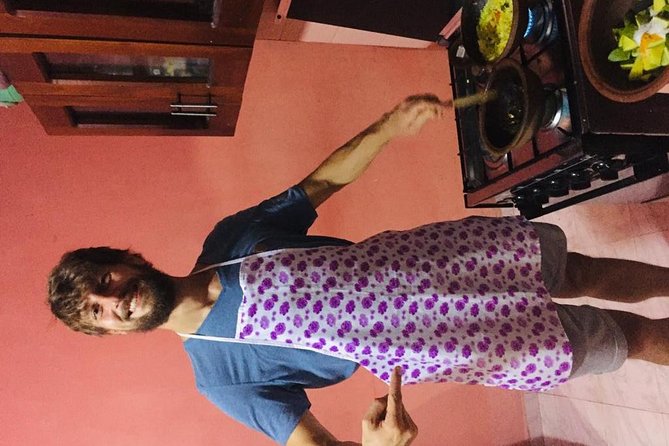
The class is designed for about 3 hours, and you should plan your day around it. If you schedule another major activity immediately before or after, you might feel squeezed. Cooking takes real time, and you’ll likely want a little breathing room so you can enjoy the meal instead of rushing out.
You’ll receive a mobile ticket, which is convenient. Bring it up on your phone and make sure your screen brightness and battery are decent. It sounds basic, but it saves time when you’re trying to locate the exact meeting point.
Also, remember the key note: the experience requires good weather. The provider says that if it’s canceled due to poor weather, you’ll be offered a different date or receive a full refund. So if you’re flexible, you’ll have an easier time. If you’re locked into a tight itinerary, pick a date with a backup day nearby.
Who should book this Colombo cooking class
This cooking class fits best if you want authentic Sri Lankan food knowledge that you can actually use. If you like hands-on learning, this will feel satisfying fast because you’re doing the cooking, not just collecting information.
You’ll likely enjoy it if:
- You want to learn how spices work in real recipes.
- You’re okay with active participation for the full session.
- You want a traditional cooking experience using clay pots.
- You prefer a private group format with more direct chef attention.
You might choose something else if:
- You dislike cooking and would rather watch.
- You have very specific dietary restrictions not mentioned here.
- You’re traveling during a period where rain is likely and you hate plan changes.
It’s also a great option for food lovers who’ve already eaten their way through Colombo and want to level up. This is less about tasting and more about learning the mechanics of flavor.
Should you book Colombo Cooking Class?
If you want a cooking class that feels like a real kitchen job, this one is an easy yes. The best part isn’t just the number of dishes—it’s the combination of hands-on cooking, chef guidance, and the traditional use of clay pots while you learn about Sri Lankan spices.
At $50 for about 3 hours, you’re paying for more than a single recipe. You’re getting a full, multi-dish meal experience with real technique coaching. That’s strong value if you’re the type who wants to take skills home, not just memories.
Before booking, do two things: pick a date that has a decent weather window, and set aside enough time so you don’t have to rush. If you do, you’ll leave with a meal you helped make—and that’s the kind of souvenir that actually lasts.
FAQ
How long is the cooking class in Colombo?
It runs for about 3 hours.
Where does the experience start in Colombo?
The meeting point is No 275/1, B231, Angoda 10600, Sri Lanka.
What do you actually do during the class?
You cook all the dishes yourself, while the chef explains everything.
How many dishes and desserts are included?
You will make 10 different dishes and traditional desserts.
Does the class use clay pots?
Yes. The experience uses clay pots for cooking.
Is this a private class?
Yes. It’s a private tour/activity, so only your group participates.
How will you receive tickets?
You’ll receive a mobile ticket.
Is public transportation nearby?
The meeting point is listed as near public transportation.
What happens if weather is bad?
The experience requires good weather. If it’s canceled due to poor weather, you’ll be offered a different date or a full refund.
What is the cancellation policy?
Free cancellation is available, and you can cancel up to 24 hours in advance for a full refund.