REVIEW · 3-HOUR EXPERIENCES
3 hour cooking experience
Book on Viator →Operated by Cooking By Colour - Sri Lankan Cuisine with Mohara Dole in Colombo · Bookable on Viator
In This Review
- A cook-in-a-home class beats restaurant meals
- 6 key things you’ll notice fast
- A home-stove experience in Colombo (with Chef Mohara Dole)
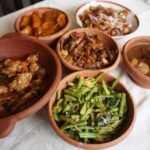
- What you’ll cook: curries, rice, and sambols that cover real variety
- Curries you can expect to learn
- Rice types: more than just basmati
- Sambols: the flavor punch you can’t fake
- How the 3-hour session works at the stove
- Dinner included: what that adds to the value
- The setting and logistics: where to go and when
- Who this is perfect for (and who should think twice)
- The biggest takeaways you’ll use back home
- Price and value: is $60 fair for 3 hours of Sri Lankan home cooking?
- Should you book Cooking By Colour with Mohara Dole?
- FAQ
- How long is the cooking experience?
- How much does the tour cost?
- Where do I meet for the class in Colombo?
- What will I learn to cook during the session?
- What’s included with the ticket?
- Is alcohol included?
- Is this tour private?
- Can I cancel and get a full refund?
A cook-in-a-home class beats restaurant meals
If you want Sri Lankan food you can actually remake, this hands-on session with Chef Mohara Dole is a great fit. You’ll cook and learn traditional curries, rices, and sambols, with recipes to take home, plus dinner and all ingredients provided. One possible drawback: it’s a tight 3-hour block, so it won’t turn you into a full pantry of Sri Lankan cooking skills in one go.
What I like most is the personal, at-the-stove style. This is a private tour/activity, so your group cooks together rather than watching from the sidelines, and it ends right back where you started. Still, it’s not a bar night: alcohol isn’t included, so plan around that if you expect drinks with dinner.
6 key things you’ll notice fast
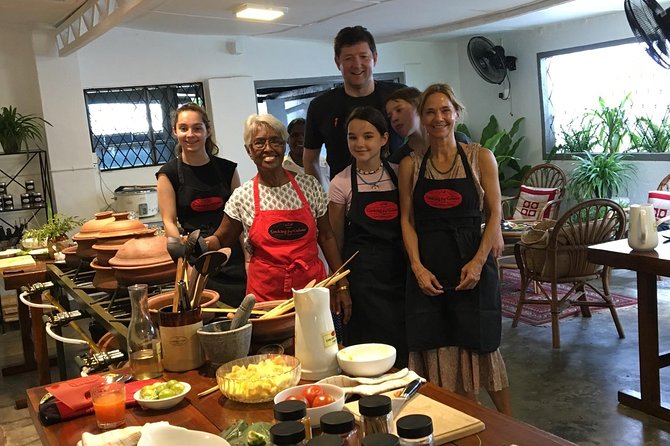
- Chef Mohara Dole hosts from her home and cooking studio, with lots of hands-on instruction
- You’ll cook a mix of curries, rices, and sambols, not just one dish
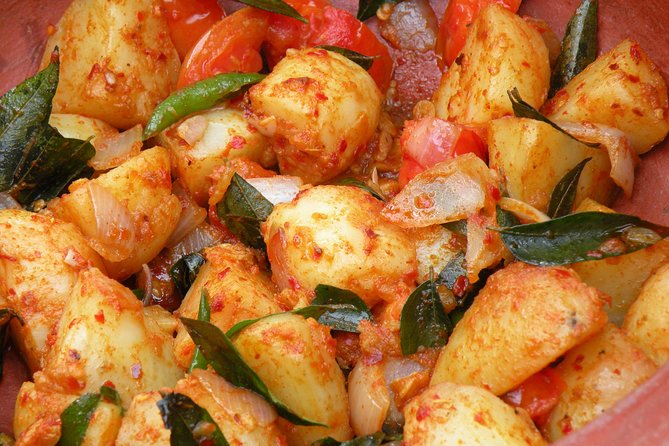
- Curries can include loofah, eggplant, lotus root, chicken, seafood, and beetroot
- You’ll learn rice styles like basmati, red raw rice, and samba
- The class includes dinner, all ingredients, bottled water, and soda/pop
- You leave with recipes so you can cook again at home
You can also read our reviews of more cooking classes in Colombo
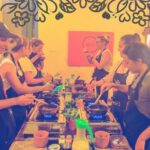
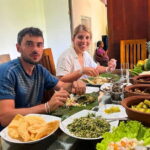
A home-stove experience in Colombo (with Chef Mohara Dole)
In Colombo, it’s easy to eat Sri Lankan food. It’s harder to learn why it tastes the way it does. This cooking experience focuses on the practical side: you’ll work at the stove and cook a Sri Lankan meal with guidance from Chef Mohara Dole.
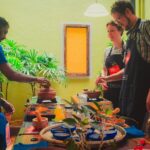
The setting matters. One review highlight was the warm welcome into Mohara’s home and cooking studio, which sets a relaxed tone right away. Instead of feeling like a rigid class, it feels like you’ve been invited into someone’s cooking routine, where questions are welcome and tips are shared as you go.
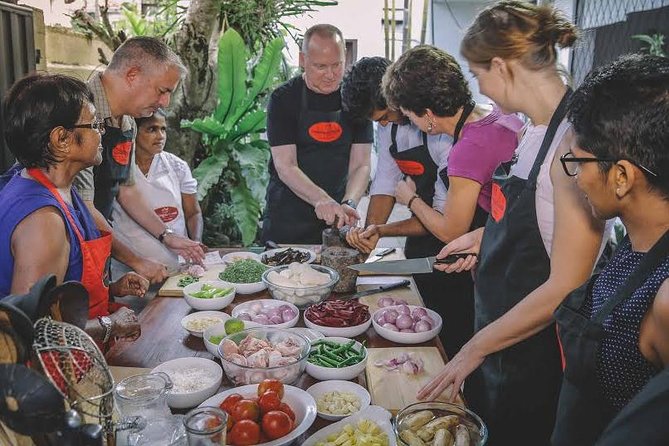
Also, you’re not competing for attention. It’s a private experience, meaning your group is the only group participating. That generally leads to better back-and-forth when you’re learning techniques and ingredient choices, especially in a hands-on format where timing matters.
One last practical note: the experience runs during a limited window—10:30 AM to 2:00 PM—so pick your day carefully if you’re building a tight Colombo schedule.
What you’ll cook: curries, rice, and sambols that cover real variety
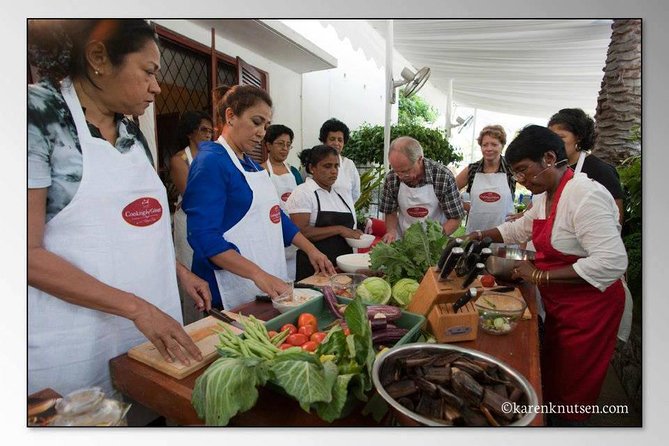
The core of the experience is learning multiple staples of Sri Lankan cooking: curries, rices, and sambols. That combination is one of the best ways to understand the food, because Sri Lankan meals often work as a system. Rice is the base. Curries and sambols bring depth, heat, tang, and texture. When you learn several pieces, you start to see the full meal, not just one plate.
Curries you can expect to learn
You’ll learn how to make many traditional curries. The examples given are deliciously specific, which is great because it points to vegetable and protein variety. Expect to see curries featuring items like:
- loofah
- eggplant
- lotus root
- chicken
- seafood
- beetroot
Why this variety is valuable: each of these ingredients pushes the curry in a slightly different direction, and you practice thinking about how flavors balance across vegetables and proteins. It’s also a smart approach for home cooks, because it’s easier to adapt a taught method to what you can find locally.
Rice types: more than just basmati
Sri Lankan rice isn’t one-size-fits-all, and this class reflects that. You’ll learn rice styles such as:
- basmati
- red raw rice
- samba
Rice choice matters because texture and cooking behavior differ. Samba and other local varieties tend to change the way the meal feels in the bowl—slightly more character, less generic “white rice” energy. Learning several options gives you choices when you recreate the meal later.
You can also read our reviews of more tours and experiences in Colombo
Sambols: the flavor punch you can’t fake
Sambols are a big part of Sri Lankan eating, and this class includes them. You’ll learn sambols alongside curries and rice, which helps you understand that a Sri Lankan meal is not only about the curry sauce. Sambols add brightness and complexity, and they’re often the part people miss when they try to cook at home without guidance.
How the 3-hour session works at the stove
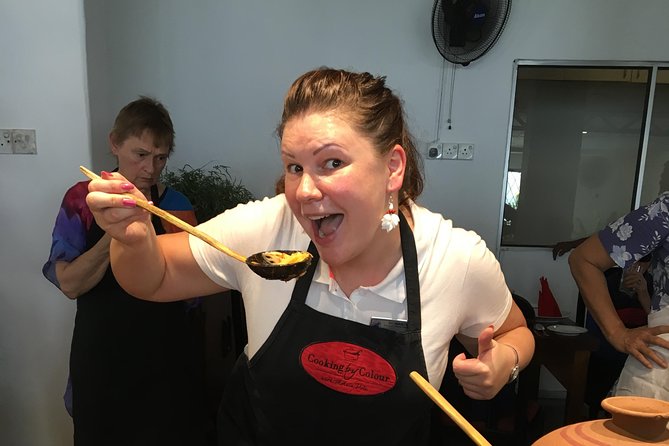
This is a three-hour experience built as a cultural cooking adventure for food lovers. The format is straightforward: you join in as the meal comes together, and Chef Mohara Dole helps guide the process.
Here’s the practical expectation:
- You’ll get hands-on time working with real ingredients and real steps.
- You’ll make multiple parts of the meal rather than a single dish.
- You’ll receive recipe information so you can reproduce what you learned later.
In a class like this, the best results usually come from two things: asking questions when you’re standing right there, and tasting as you go so you know what the dish should feel like. You’ll also get dinner, so it’s not just a demonstration. You end by eating the meal you helped make, which makes the flavors memorable.
Since time is limited, don’t expect full deep technical training on every single component. Instead, think of this as a strong “foundation meal” that gives you a toolkit: several curries, a few rice styles, and sambols, plus recipes you can use as your home reference.
Dinner included: what that adds to the value
The price is $60 for about three hours, and the included elements make it feel more reasonable than a typical cooking class where you leave hungry. Your experience includes:
- dinner
- all ingredients for lunch/dinner
- bottled water
- soda/pop
Alcoholic beverages are not included.
From a value standpoint, what you’re really paying for isn’t only the food—it’s the access. You’re paying for someone’s home-based cooking workflow, ingredient knowledge, and the time to guide you while you cook. With ingredients and dinner covered, you’re not stuck doing the math where you have to buy extra food afterward.
Also, the recipes you receive are a quiet value boost. Many cooking classes teach you, but you still need the notes later. Having the recipe info makes it easier to repeat the results without guessing at spice amounts or ingredient choices.
The setting and logistics: where to go and when
You’ll meet at 49 Park Ln, Sri Jayawardenepura Kotte, Sri Lanka, and the activity ends back at the meeting point. It also notes that it’s near public transportation, which matters in Colombo where rides can eat time if you plan poorly.
The class runs across the week, Monday through Sunday, with hours listed as 10:30 AM to 2:00 PM. The date range runs from 08/30/2019 through 11/27/2026.
If you’re planning a day around this, try to treat it like your “anchor event.” Don’t schedule it as a last-minute filler between crowded sightseeing blocks. Cooking takes focus, and you’ll enjoy it more if you arrive ready and unhurried.
Who this is perfect for (and who should think twice)
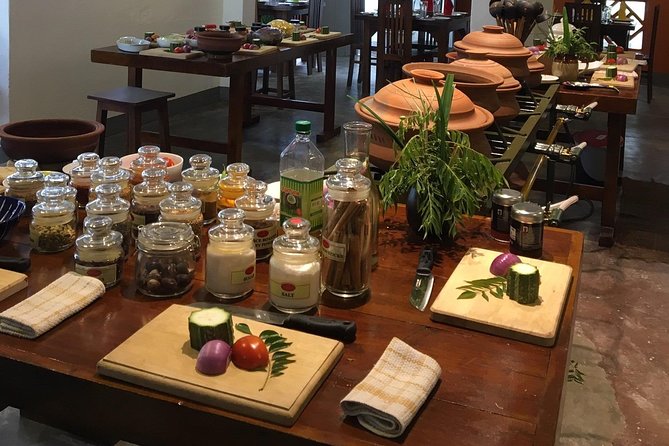
This cooking experience is well suited for:
- food lovers who want to learn how Sri Lankan meals fit together
- home cooks who like repeating meals once they have recipes
- travelers who prefer authentic, small-group learning over big restaurant tours
- anyone who enjoys hands-on classes, because you’ll actually be cooking at the stove
It might be less ideal if:
- you’re expecting alcohol included with dinner
- you only want to focus on one dish and go deep on technique for that one item
- you have strong dietary restrictions and need a guaranteed menu (the class includes meat, fish, and vegetable options based on what’s been discussed, but you should confirm your needs)
The biggest takeaways you’ll use back home
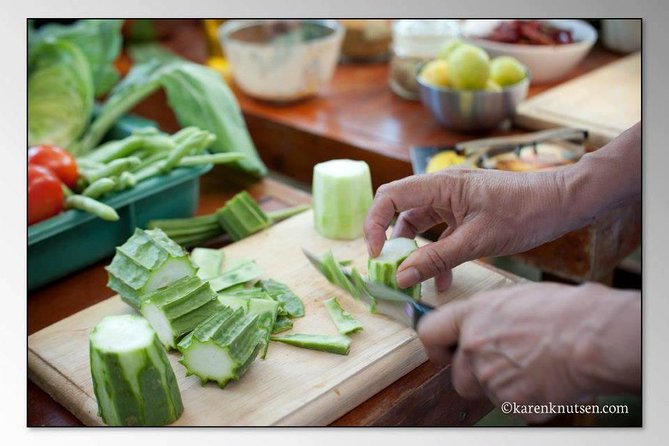
The recipes you receive are the most practical takeaway. When you cook Sri Lankan food at home, the hardest part is often not cooking skills—it’s consistency: getting flavors to line up, recreating the right balance, and knowing what goes with what.
By learning multiple curries plus rice types plus sambols, you leave with a “meal map.” Next time you cook, you’re not guessing whether your sambol belongs with the curry you chose, or which rice style best matches the dish. You’ll also have multiple options when you shop: if you can’t find the exact vegetable used in class, you can still build a similar meal structure from what you learned.
And Chef Mohara Dole’s teaching style is a major reason people seem to leave happy. In one review, Mohara was praised for her enthusiasm and for welcoming people into her home and cooking studio. That energy matters in a class like this, because it turns a cooking task into a story you can repeat.
Price and value: is $60 fair for 3 hours of Sri Lankan home cooking?
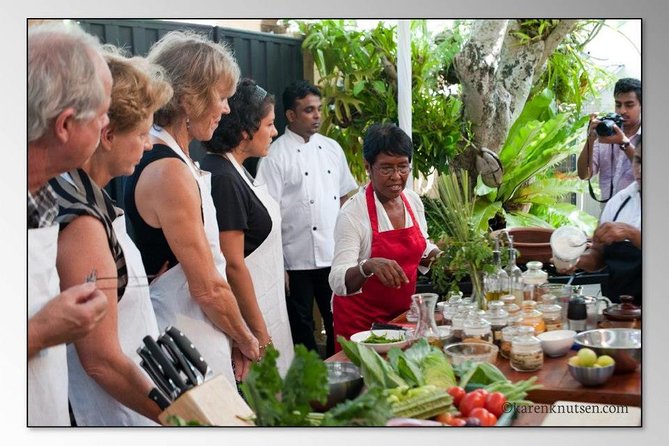
For $60, you get about three hours of guided cooking, dinner, ingredients, bottled water, and soda/pop. That package makes the price feel less like a “pay for food” deal and more like a guided meal-learning experience.
Here’s the value logic that tends to matter:
- If you tried to replicate the meal on your own from scratch, you’d still pay for ingredients, and you wouldn’t have the teaching or recipe notes.
- You’re paying for someone to help you produce multiple dishes and then eat them, which you can’t do from a cookbook alone.
- Private, hands-on instruction is usually where the cost lands in cooking classes—so the inclusion of ingredients and dinner makes this one more balanced.
If you want a class where you leave with a realistic set of recipes you can use right away, this is strong value for Colombo.
Should you book Cooking By Colour with Mohara Dole?
Book it if you want Sri Lankan cooking you can repeat. The biggest reasons are the hands-on stove time, the variety (curries, rice styles like basmati/red raw rice/samba, and sambols), and the fact that you leave with recipes.
I’d skip it only if you’re looking for alcohol included or you prefer a purely observational experience. This is active. You’ll cook, you’ll eat, and you’ll take notes home in the form of recipes.
If you like food that has a system—base, curry, crunch, and brightness—this class gives you that structure in one afternoon.
FAQ
How long is the cooking experience?
The experience runs for about 3 hours.
How much does the tour cost?
The price is $60.
Where do I meet for the class in Colombo?
The meeting point is 49 Park Ln, Sri Jayawardenepura Kotte, Sri Lanka.
What will I learn to cook during the session?
You’ll learn traditional Sri Lankan foods including curries, rices, and sambols. Curries mentioned include options like loofah, eggplant, lotus root, chicken, seafood, and beetroot, and rice types mentioned include basmati, red raw rice, and samba.
What’s included with the ticket?
Dinner is included, along with all ingredients for lunch/dinner, bottled water, and soda/pop.
Is alcohol included?
No, alcoholic beverages are not included.
Is this tour private?
Yes. It’s listed as a private tour/activity, so only your group participates.
Can I cancel and get a full refund?
Yes. Free cancellation is available up to 24 hours in advance for a full refund.