REVIEW · COOKING CLASSES
Cooking Class Sri Lanka with Locals
Book on Viator →Operated by Hellow Travel · Bookable on Viator
Cooking with Sri Lankan families feels personal. This 4-hour Colombo class pairs a local market ingredient hunt with hands-on cooking guidance in a family home. You get a real view of everyday Sri Lankan flavors, not a staged demo.
I love the market-to-kitchen flow. You start by selecting produce with your hosts, and you even get fruit time—an easy way to understand what’s in season and why certain ingredients show up again and again.
I also love the focus on natural, local spices with no artificial additives. The only drawback to plan around is that the experience depends on good weather, since you’ll spend time outdoors at the market.
In This Review
- Quick hits
- A Colombo cooking class that starts like a real day
- Price and value for a $40 Sri Lanka food experience
- Pickup, timing, and what to do about the drop-off
- The market stop: picking produce and learning fruit basics
- Cooking in a real Colombo home with Anu and Dhanuka
- Why natural spices matter more than you think
- Lunch and dinner: you eat what you cook
- How group privacy changes the learning curve
- Weather and comfort tips for Colombo’s market-and-kitchen day
- Is this class worth it for you?
- Should you book Cooking Class Sri Lanka with Locals?
- FAQ
- How long is the cooking class?
- What is included in the price?
- Is pickup offered in Colombo?
- Is drop-off included after the class?
- Is this a private class or shared with other people?
- Can I choose the time for the activity?
- Do you visit a market during the experience?
- What kind of ingredients are used?
- What happens if the weather is bad?
- Is there free cancellation?
Quick hits
- Local market first: pick ingredients and sample seasonal fruit before you cook
- Family-led instruction: you learn in the home with Anu and Dhanuka guiding you
- Natural-spices approach: traditional cooking without artificial additives
- Lunch and dinner included: you eat what you make
- 4 hours, private group: only your group participates, with pickup by air-conditioned vehicle
- Timing you choose: you select your preferred activity time
A Colombo cooking class that starts like a real day
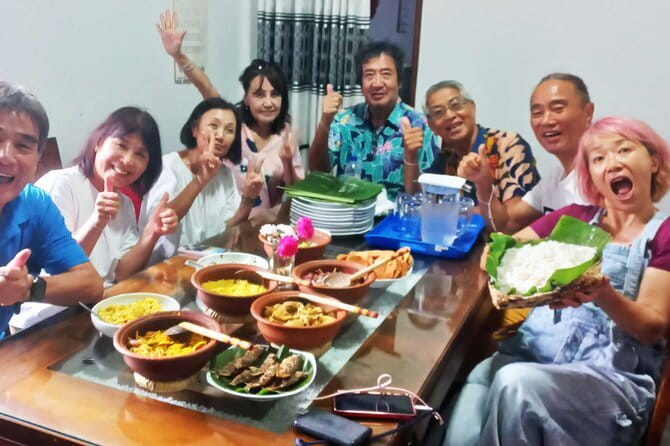
If you’ve done cooking classes that feel like a “show,” this one behaves differently. It begins with shopping—so your dishes are grounded in what people actually buy and eat in Colombo. That simple choice changes the whole experience. You’re not just following steps; you’re learning how ingredients and spices become meals.
I like that it’s guided by family members in their home. Anu and Dhanuka (and their family) lead you through the process in a way that feels practical and lived-in. You’ll get explanations tied to why certain flavors are used, not just what to do with a cutting board.
The other big win is the attention to cleanup and comfort. The home is described as clean and hygienic, and that matters when the experience includes both cooking and eating in one place. You can relax and focus on learning instead of worrying about the basics.
Still, remember you’re joining people at the market and cooking in a home environment. This is not a warehouse studio setup, so you’ll want to come ready for a casual, warm, everyday vibe.
You can also read our reviews of more cooking classes in Colombo
Price and value for a $40 Sri Lanka food experience
At $40 per person for about 4 hours, this class is priced like a good deal—especially because you’re getting meals. Lunch and dinner are included, and the experience also includes pickup by air-conditioned vehicle.
Here’s the value equation I’d use: you pay for (1) market time, (2) guided cooking instruction in a local home, and (3) two meals. For many cooking classes, you might get a snack or a single dish, and transport costs are extra. Here, pickup is included, and you’re eating as part of the plan.
You can also benefit from group discounts if you’re traveling with friends. And because it’s private (only your group participates), you avoid the awkward feeling of being crammed into someone else’s schedule.
Where the value can be slightly trickier is the return logistics: drop-off isn’t included. The good news is that it’s easy to arrange onward transport—taxi, Uber, or PickMe from the location. The provider also says they’re happy to help you arrange it. So you’re not stuck, but you should think about how you’ll get back before you plan anything right after.
Pickup, timing, and what to do about the drop-off
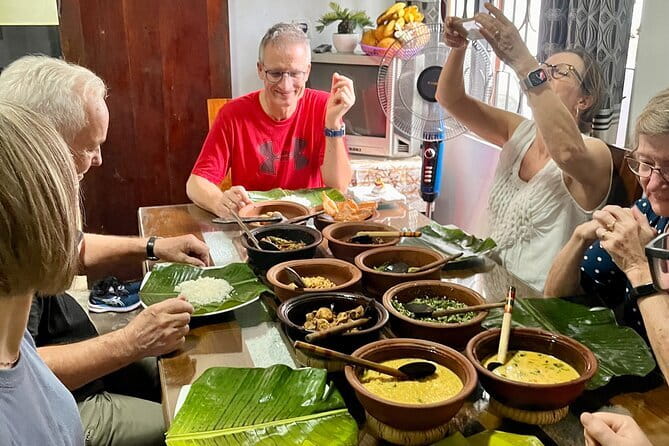
One reason this works well for real travel days is the timing flexibility. You can select your preferred timing for the designated activity. That’s handy in Colombo where your day can swing based on weather, traffic, or just how long the sights take.
Pickup is included, and it’s done by air-conditioned vehicle. That’s a relief in Sri Lanka’s heat, especially when your day includes an outdoor market stop.
Drop-off is not included. Instead, you’ll need to grab transport from the provider’s location when you’re done. In practice, that’s usually fine in a city, because taxis and ride-hailing options are available (the provider specifically calls out taxi, Uber, and PickMe). If you’re planning dinner elsewhere afterward, give yourself some buffer time so you can get set for the ride.
If you’re coming from public transportation, note that the experience is described as near public transportation. That means you aren’t forced into a long backtrack if you prefer to handle your own route to the meeting area.
The market stop: picking produce and learning fruit basics
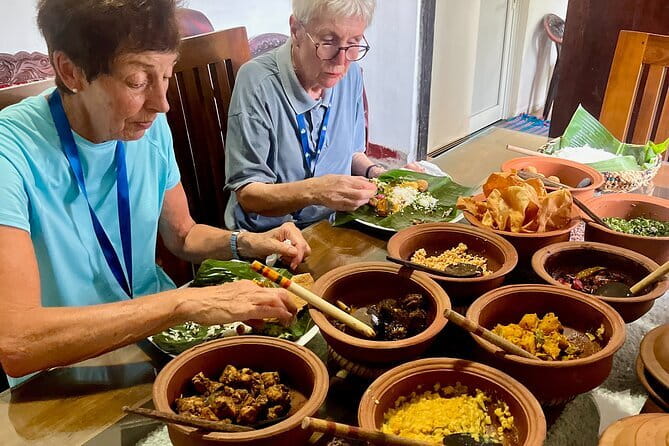
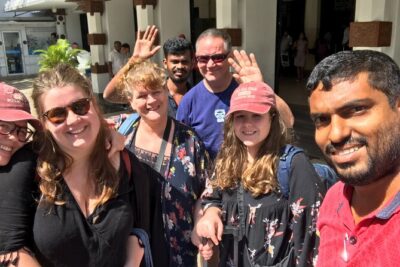
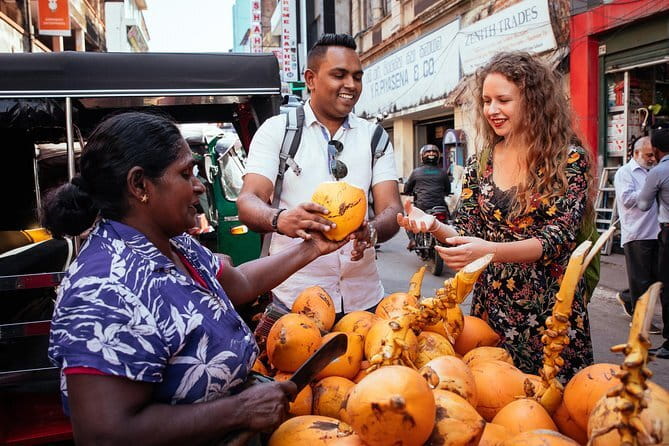
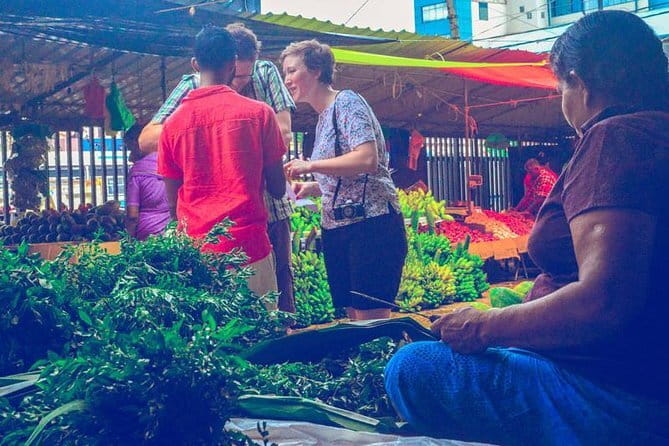
The class starts at a local market where you and your hosts choose ingredients. This isn’t just sightseeing with a side of shopping. The whole point is to show you how to select food in Sri Lanka—what looks fresh, what’s ripe, and what to buy for the recipes you’ll cook later.
You’ll likely see a mix of produce types and spices, and you’ll get guided tips while you browse. One review highlights the fruit part—there’s a chance to sample local fruits right along the way. That’s a small detail, but it teaches something useful: Sri Lankan cooking isn’t only about savory dishes. Fruit flavors and sweetness also play a role in how people think about balance.
For you, the practical takeaway is this: wear comfortable shoes and expect some outdoor time before you get to the kitchen. If it’s hot, you’ll appreciate moving with the group and keeping hydrated. If you’re sensitive to sun, a hat helps. If rain happens, the provider notes the class needs good weather, so your schedule may shift.
Also, don’t be shy about asking simple questions while you’re choosing ingredients. Market selection is where cooking classes often turn vague. Here, the family approach makes it feel like you’re learning alongside someone who shops this way every day.
Cooking in a real Colombo home with Anu and Dhanuka
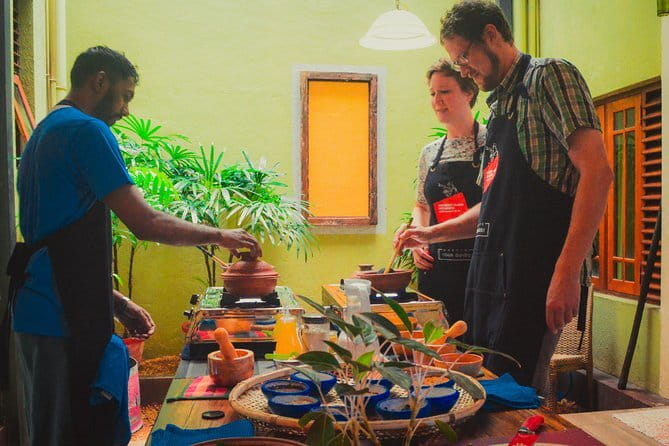
After the market, you head to the family home for the cooking part. This is where the class feels most different from studio cooking. You’re not cooking behind glass. You’re in someone’s home kitchen, guided by Anu and Dhanuka.
They guide you through the art of Sri Lankan cuisine using traditional methods and local spices. The tone is warm and personal, and the setup is designed to be safe and comfortable. The home is described as clean and hygienic, which helps you stay focused on learning.
What I like about the family-led format is that it tends to produce better questions. When you’re cooking at a home, people naturally explain in a way that makes sense for a regular cook. You may hear practical advice like when to adjust spice strength, or how ingredients behave in Sri Lankan flavors compared to what you might be used to.
And because it’s private for your group, you’re less likely to feel rushed. You can ask follow-ups, and the pace can fit your comfort level.
One more smart detail: the class is designed around actual meal building. You don’t just end up with a plate of one dish. You’re working toward the lunch and dinner included in the experience.
You can also read our reviews of more tours and experiences in Colombo

Why natural spices matter more than you think
Sri Lankan cooking is famous for spice, but the key point here is how the class frames it. The ingredients are described as natural local spices with no artificial additives. That matters because it keeps the flavors grounded.
If you’re used to spice blends that taste the same no matter where you buy them, this helps you notice differences. Fresh spices and local spice choices can change aroma, heat level, and even how long flavors linger in a dish.
The coconut angle is another standout in the comments you get from the hosts. One review specifically points out coconut as central to the cuisine. Coconut shows up in Sri Lankan flavors in ways that add richness and body without needing complicated steps. Once you cook with coconut in the right way, you start to understand why it keeps coming back across so many dishes.
The class also stresses tradition over shortcuts. For you, that means you’ll learn the logic behind flavor combinations: spices aren’t only for heat; they’re for aroma and depth. If you take notes (even simple ones), you’ll leave with a better sense of how to recreate the style at home.
Lunch and dinner: you eat what you cook
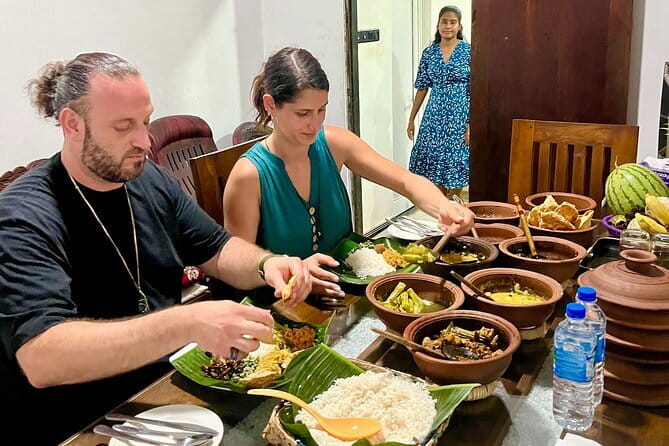
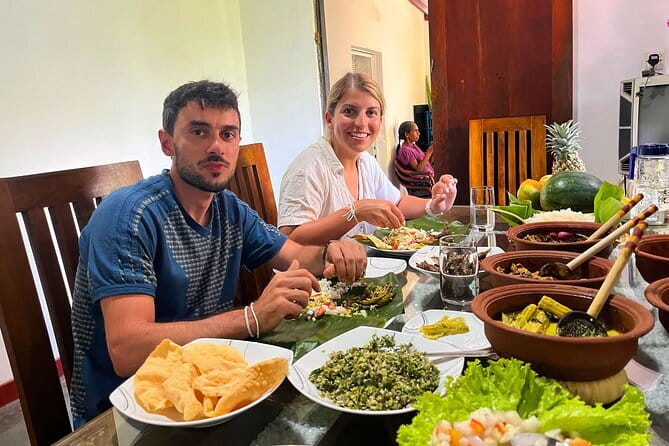
A lot of cooking classes include one meal or a small tasting. Here you get lunch and dinner, included. That’s a major part of the value because your time isn’t just spent preparing food. It’s also spent eating the results with the people who helped you make it.
Since the ingredients start at the market and move into the kitchen, your meals should reflect what’s available. That’s not only tastier—it also makes it easier to remember what you used and why it belonged in the dish.
Think of it like this: the class gives you two chances to understand Sri Lankan flavors. Lunch helps you grasp the basics and technique. Dinner lets you see how spices and ingredient choices build into a fuller meal experience.
If you’re hoping for a single instant “wow,” this approach works well because it doesn’t stop after one dish. You get more time, more meals, and more opportunity to learn what makes Sri Lankan cuisine tick.
How group privacy changes the learning curve
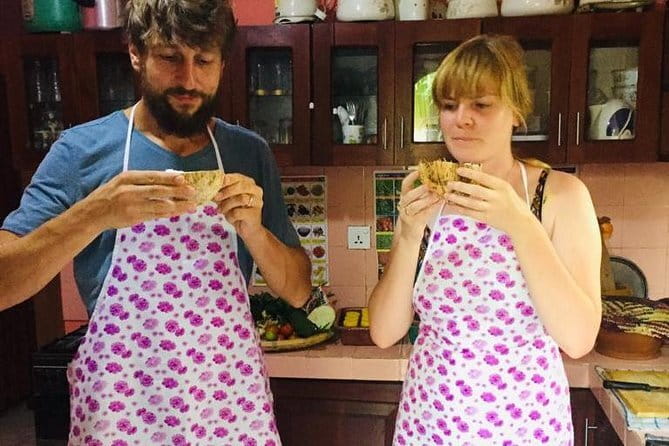
This is a private tour/activity. Only your group participates, so the class isn’t competing with other schedules or other languages in the same kitchen space.
That matters because cooking is hands-on and time-sensitive. If one person is unclear, the group can suffer. Private instruction helps keep the pace manageable and the explanations clearer.
It’s also easier to get personalized attention from the local chefs, especially when you’re doing market selection and then cooking. You can ask about ingredient choices while it’s still fresh in your mind, not after everything is already cooked.
If you’re a couple, this format is a great way to make the day feel special without booking a fully custom private tour. If you’re with friends, it’s a friendly way to share one guided experience where everyone gets hands-on time.
Weather and comfort tips for Colombo’s market-and-kitchen day
Because the market stop is part of the plan and the experience requires good weather, you should keep your schedule flexible. If the weather turns, you may be offered a different date or a full refund.
Plan your clothing around comfort more than style:
- Wear closed, comfortable shoes for market walking.
- Bring sun protection if the day is bright.
- Expect time outdoors before you’re back in the home kitchen.
Also, keep the day simple. Since it includes both lunch and dinner, you won’t need to rush to find food afterward. Leave room for some downtime after you finish cooking, because you’ll likely be a bit mentally tired from learning, plus a bit physically satisfied from eating.
Is this class worth it for you?
This cooking class fits best if you want more than a recipe sheet.
Book it if:
- You want a market ingredient lesson and not just cooking in a kitchen.
- You like learning from people who cook at home, not from scripted demonstrations.
- You’re hungry at the end. Lunch and dinner are included.
- You want pickup included in a city where travel time can otherwise eat your schedule.
Skip it (or adjust expectations) if:
- You need a plan that works perfectly in rain, since the experience depends on good weather.
- You strongly prefer a full door-to-door service. Drop-off isn’t included, though transport is easy to arrange.
Should you book Cooking Class Sri Lanka with Locals?
My take: this is a strong choice for food-first travelers in Colombo, especially if you value market shopping and family-led cooking. The price makes sense because you get two meals plus pickup, and the private group setup helps you actually learn instead of just watch.
If your trip timing is flexible and you can handle an outdoor market start, I’d lean toward booking. It’s the kind of experience that teaches you how Sri Lankan cuisine is built—spices, coconut, and ingredient choices—so you leave with understanding, not just a full stomach.
FAQ
How long is the cooking class?
It runs for about 4 hours.
What is included in the price?
Lunch and dinner are included, and pickup is included via an air-conditioned vehicle.
Is pickup offered in Colombo?
Yes. Pickup is included.
Is drop-off included after the class?
No drop-off is included. The provider says it’s easy to grab a taxi, Uber, or PickMe from their location, and they can help you arrange it.
Is this a private class or shared with other people?
It’s private. Only your group participates.
Can I choose the time for the activity?
Yes. You can select your preferred timing for the designated activity.
Do you visit a market during the experience?
Yes. You’ll go to a local market to pick ingredients together with your hosts.
What kind of ingredients are used?
The class uses natural local spices and is described as free from artificial additives.
What happens if the weather is bad?
The experience requires good weather. If it’s canceled due to poor weather, you’ll be offered a different date or a full refund.
Is there free cancellation?
Yes, free cancellation is available. You can cancel up to 24 hours in advance for a full refund.