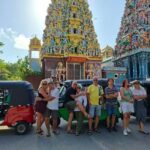
REVIEW · COLOMBO TUK-TUK CITY TOURS
Colombo Foods Tour by Tuk Tuk ( Food chargers included )
Book on GetYourGuide →Operated by Travel with Lenin · Bookable on GetYourGuide
Traffic fades when food takes over. A Colombo street food tour by tuk-tuk turns a morning snack run into a simple way to understand Sri Lankan flavors, from market produce to sizzling griddles. What I like most is the mix of hoppers, pittu, and kottu roti—not just one “famous item,” but a spread that shows how Sri Lankans build meals around batter, steam, and chili heat. One thing to keep in mind: this is a focused tasting style tour, so if you want a big drink order or alcohol, plan on paying separately.
I also like the smart pacing and the people factor. You’ll move through key food stops around Colombo, including a vegetable and fruit market, a quick snack stop near Pettah Market, and a Ceylon tea and spice tasting that actually helps you learn what you’re eating. Expect a friendly guide experience—names like Caviar and Ricky show up in real-world encounters—and you’ll appreciate the way the tastings line up with each stop instead of feeling random. My only caution: some items come with spicy sambols and crab curry, so if heat is an issue for you, tell your guide early and go slow.
In This Review
- Key moments that make this tour worth your morning
- A tuk-tuk street food tour that makes Colombo feel close
- Price and value: what $25 actually covers
- The tuk-tuk route through Colombo traffic (and why it’s part of the meal)
- Vegetable and fruit market: your best intro to Sri Lankan cooking
- Pettah Market snack stop: cheese balls and samosas on the move
- Ceylon tea and spice tasting: learn what you’re tasting
- Three kinds of hoppers: crisp vs soft, and why that’s the whole point
- Pittu with crab curry and sambols: the heat-and-steam combo
- Chicken kottu roti: the sizzling ending that makes the tour stick
- Comfort, hygiene, and pace: how to enjoy it without getting worn out
- Who this tour is best for (and who might want to skip it)
- Morning menu notes: items that may show up on your tastings
- Booking call: should you book the Colombo Foods Tour by Tuk Tuk?
- FAQ
- What’s included in the Colombo street food tour by tuk-tuk?
- What street foods should I expect to try?
- Is a vegetable and fruit market included?
- Are alcohol or drugs allowed?
- Can I record audio during the tour?
- What should I bring?
- What language is the tour offered in?
- Is the tour refundable if I cancel?
Key moments that make this tour worth your morning
- Vegetable and fruit market viewing: see what’s being picked and used right now, not just what’s on a menu.
- Pettah Market snack timing: cheese ball and samosa are quick, grab-and-go bites while you’re on the move.
- Ceylon tea and spice tasting: you’ll taste the ingredients behind Sri Lankan cooking, not just the final dish.
- Three types of hoppers: learn the difference between crispy and soft textures in one sitting.
- Pittu with crab curry and sambols: steamed comfort food meets seafood heat and chili punch.
- Chicken kottu roti finish: the griddle-style finale gives you the sound and smell of street cooking.
A tuk-tuk street food tour that makes Colombo feel close
Colombo can be a lot: traffic, noise, crowds, and a city that changes fast block to block. The beauty of this tour is that the transport matches the goal—short hops by tuk-tuk that keep you moving without turning it into a tiring commute.
I like that the tour is designed around food stations you can reach comfortably and quickly. You get a true sense of how people shop and snack, including the market atmosphere that’s hard to recreate from a taxi window. And because it’s a morning tour, the flavors feel fresh—especially when it comes to batter-based items like hoppers and the steamed texture of pittu.
You can also read our reviews of more food & drink experiences in Colombo

Price and value: what $25 actually covers
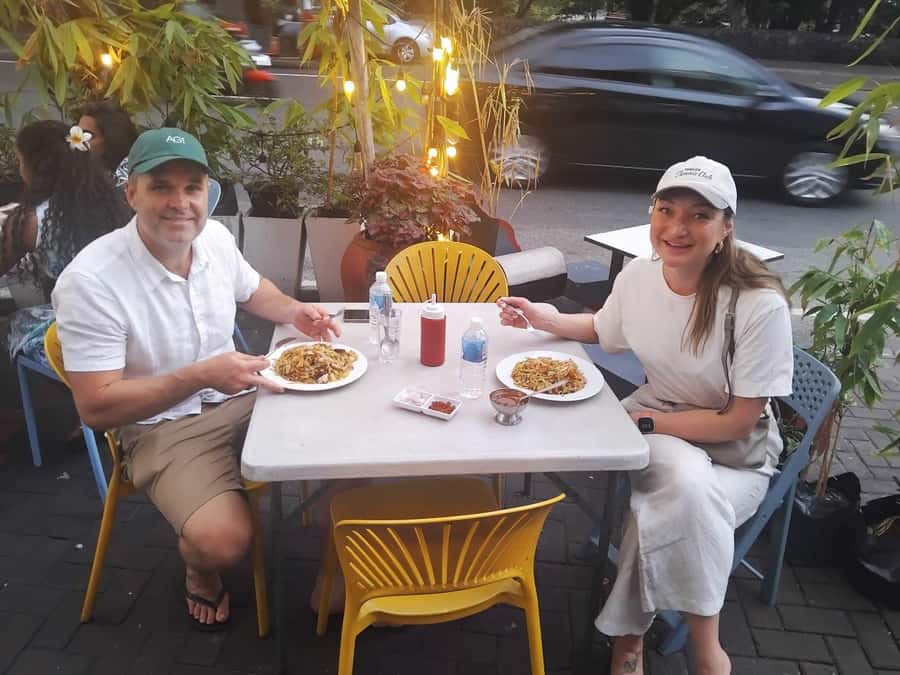
At $25 per person, you’re paying for a guided route through Colombo’s food culture plus real tastings. Included are bottled water, tasty local snacks, and all fees and taxes, so you’re not constantly calculating what’s next or what costs extra.
That value matters because street food tours can turn into “guide markup” if you end up paying separately at each stop. Here, the core eating plan is built in: multiple tasting items, a tea and spice component, and a final kottu roti dish that’s meant to be the dramatic ending.
One practical note: additional beverages and foods beyond what’s part of the tasting plan are not included, and alcohol is not part of the tour.
The tuk-tuk route through Colombo traffic (and why it’s part of the meal)
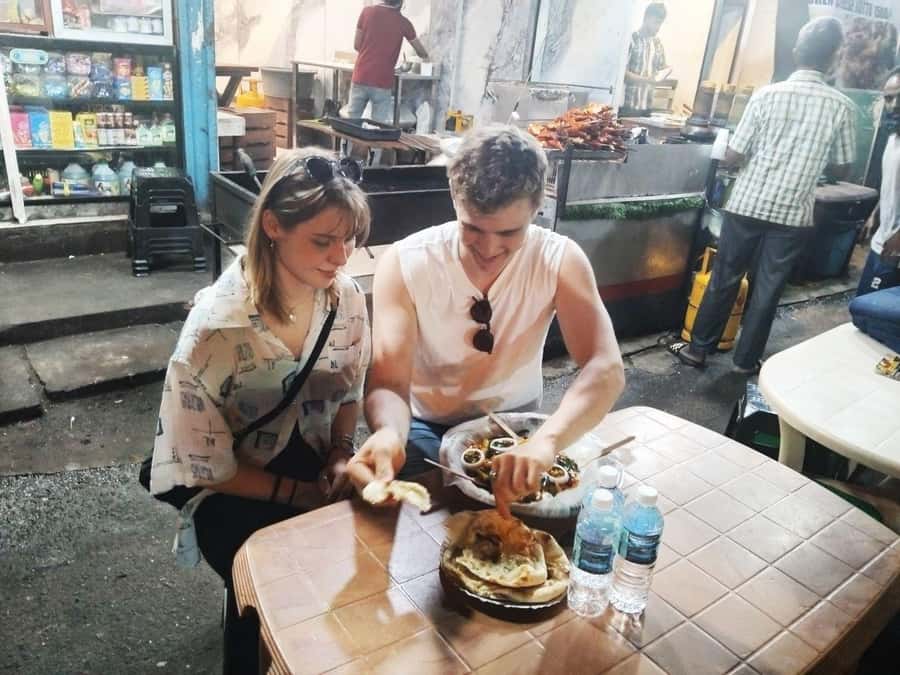
This experience uses tuk-tuk transport for a reason. You’re not just getting to restaurants; you’re getting to the everyday lanes where vendors cook and people pass by with shopping bags.
In Colombo, that context changes what food means. Kottu roti isn’t the same when you see it on a griddle next to a busy sidewalk, and hoppers taste different when you understand that they’re a quick staple, not a special occasion item. Even the stop style—tastings timed to each location—helps you keep momentum instead of wasting time waiting.
Vegetable and fruit market: your best intro to Sri Lankan cooking
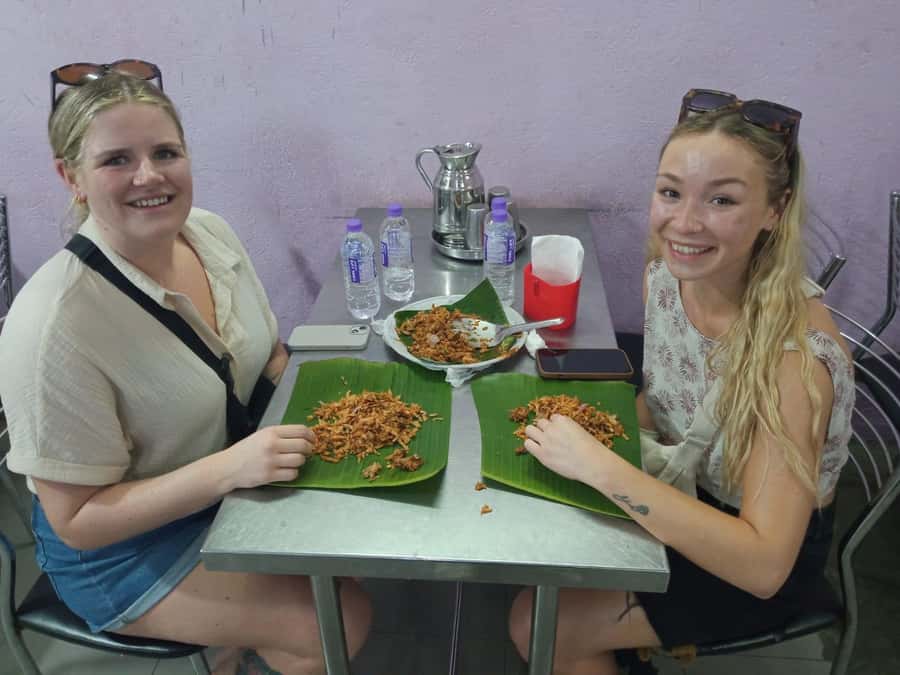
Your morning starts with a vegetable and fruit market visit. This is the kind of stop that pays off later because you’ll recognize ingredients across multiple dishes.
Look closely at what’s available and what looks most common. Sri Lankan cooking relies on a lot of produce and aromatics, and when you see what farmers bring in and what shoppers pick, you start to understand why meals taste the way they do. You’re also absorbing the “why” behind the flavors—spices, chili, and coconut don’t appear out of nowhere; they match the local food economy.
Possible downside: markets can be busy and sensory-heavy. If you get overwhelmed by crowds or strong smells, go at a slow pace, drink your bottled water, and keep your camera ready so you’re not rushing.
Pettah Market snack stop: cheese balls and samosas on the move
As you pass Pettah Market, you’ll get a quick snack like a cheese ball or samosa. This isn’t a sit-down restaurant stop, so the point is taste and timing—small bites that keep you fueled while you keep rolling through the area.
I like this approach because it lets you eat without breaking the tour flow. You’re not spending time ordering, waiting, and paying; you’re sampling what people grab for a quick pause. It’s also a useful “warm-up” bite before the more iconic items like hoppers and pittu.
If you’re sensitive to fried foods, take it easy at this stop. The later dishes can still be filling, and fried snacks stack up quickly.
You can also read our reviews of more tours and experiences in Colombo


Ceylon tea and spice tasting: learn what you’re tasting
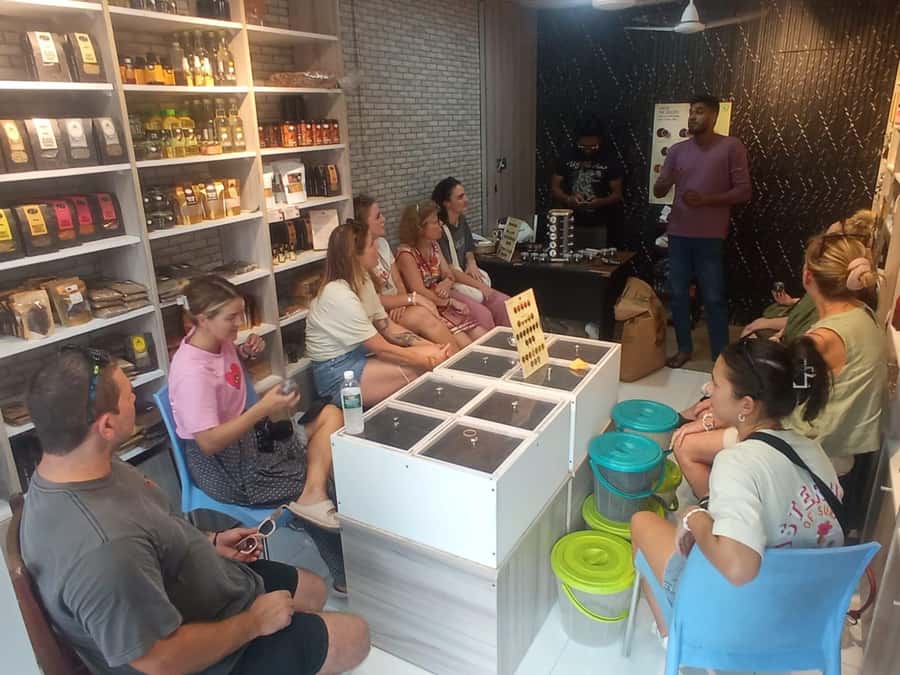
One of the most useful parts of this tour is the Ceylon tea and spice tasting. It’s not just about drinking tea—it’s about tasting the flavors that show up repeatedly in Sri Lankan food.
Spices matter because they’re the foundation for sambols and curry notes. When you taste them in a guided setting, you’re more likely to recognize what you’re tasting later if you order from a menu on your own.
I also like that the tour doesn’t require you to be a “food expert.” You just need curiosity. If you ask simple questions—like what spice is stronger or how tea differs—you’ll get a lot of clarity fast.
Three kinds of hoppers: crisp vs soft, and why that’s the whole point
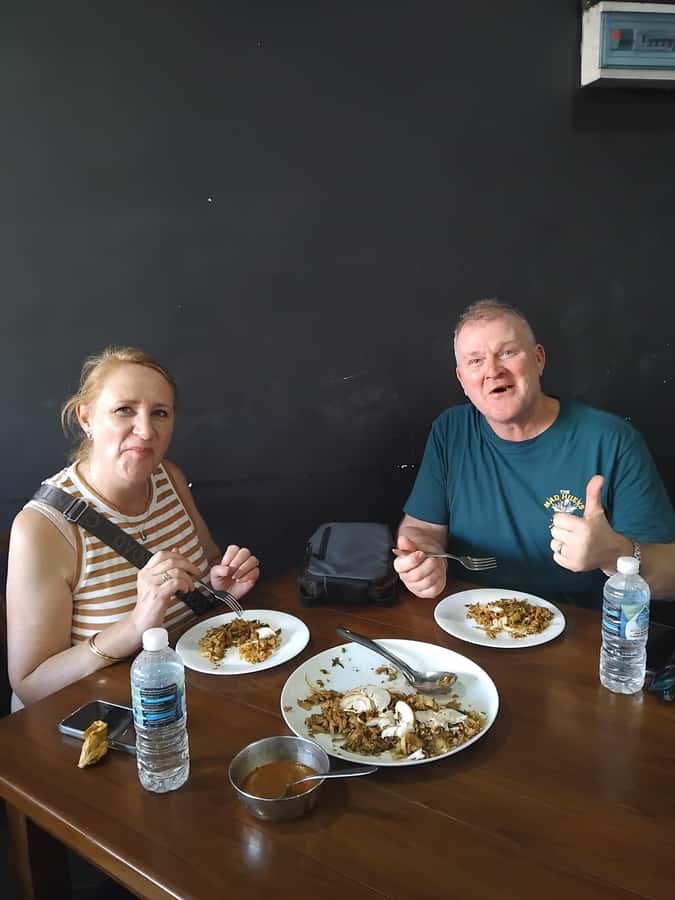
Hoppers are one of Sri Lanka’s signatures, and this tour gives you three types so you can feel the differences. You’ll taste crispy and soft styles, and that texture shift is the key learning moment.
Here’s why it’s worth doing: hoppers aren’t just a snack. They show how Sri Lankan cooking plays with batter, heat, and time. Crispy hoppers feel different in the mouth, and soft hoppers carry flavors in a gentler way—so you end up noticing how the same base becomes a different experience.
A practical tip: take notes in your head. Which one tastes more coconut-forward? Which one feels like it holds chili better? Those little observations help you order smarter later, especially when sambols and curry show up again.
Pittu with crab curry and sambols: the heat-and-steam combo
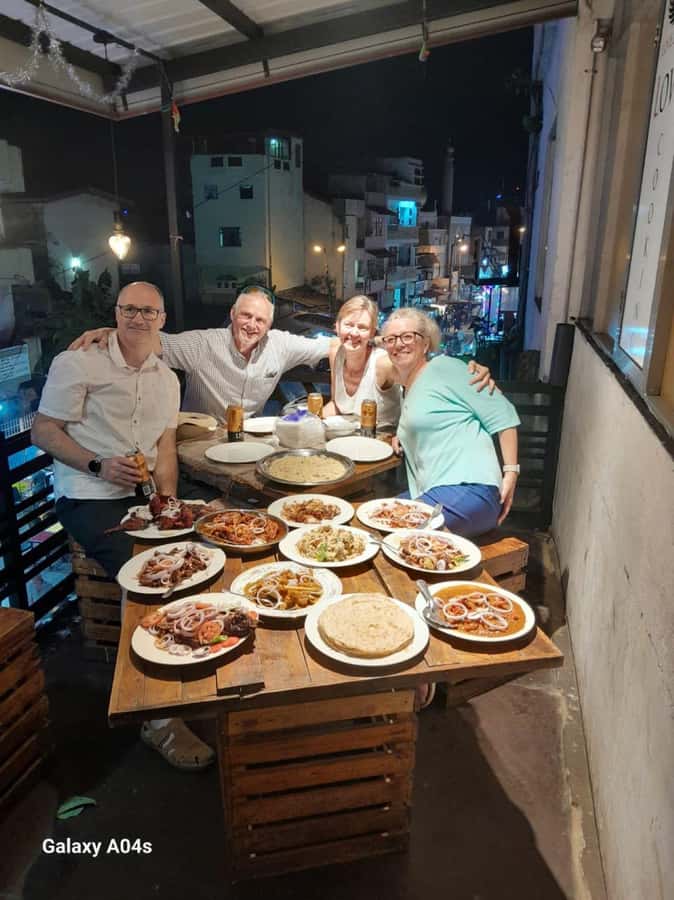
Then comes pittu served with crab curry and a mix of traditional sambols. Pittu is steamed, made to be eaten hot and soon, and pairing it with curry changes everything.
Why this stop works: pittu’s mild, starchy base gives you something to balance the spice. Sambols add chili, tang, and punch, while crab curry brings a seafood depth that feels distinct from chicken or purely vegetarian curries.
What to watch for: spice level. Sambols can be intense. If you want to enjoy the flavors without feeling punished, ask your guide how spicy it is or take small bites first and see how your body responds.
Chicken kottu roti: the sizzling ending that makes the tour stick
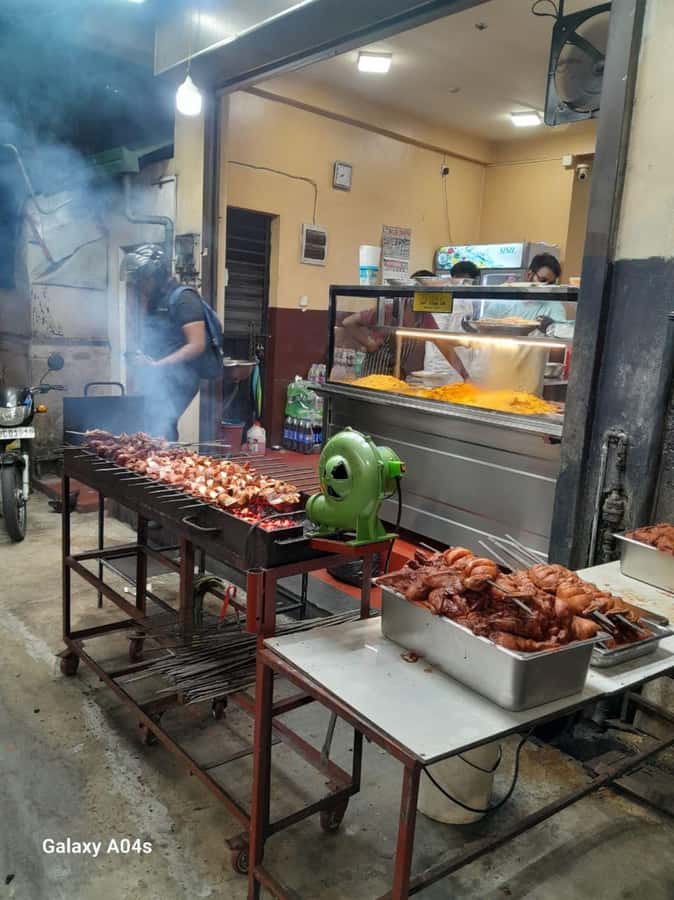
The tour ends with chicken kottu roti, Sri Lanka’s most popular street dish. Kottu roti is usually cooked on a griddle, and the experience is as much about the process as the result.
This finale matters because it’s not delicate. It’s hearty, savory, and built for the street-food rhythm of Sri Lanka—hot, fast, and packed with flavor. If you’re hungry by the end of the route, this is the dish that meets you where you are.
Portions also help here. In the overall experience, people consistently mention generous amounts and a satisfying finish, which is important at this price point. You shouldn’t leave feeling like you “paid for a few bites.”
Comfort, hygiene, and pace: how to enjoy it without getting worn out
This is a morning food tour, so your comfort plan matters. You’ll have bottled water included, plus an umbrella for sun or rain, which is handy in Colombo where weather can change fast.
Hygiene is also part of the value. The snacks are set up as a guided tasting route, not a random scavenger hunt. That means you’ll get choices that are ready for eating and served in a practical way for a group moving through the city.
What to bring is simple: a camera. And keep in mind that audio recording isn’t allowed. If you like documenting, you can still photograph your food and the market items—just avoid turning it into a recording session.
Who this tour is best for (and who might want to skip it)
I’d recommend this tour if you want a street-food foundation without spending hours researching. It’s great for first-timers in Colombo, and it also works if you’ve eaten Sri Lankan food before but want a clearer sense of how hoppers, pittu, and kottu roti connect.
It also suits people who like learning while eating. The tea and spice tasting is a real education moment, and the market stop helps you understand ingredients instead of memorizing dish names.
You might want to choose another option if you want a long sit-down meal or heavy drink service. This tour is built for tastings, and alcohol is not part of it.
Morning menu notes: items that may show up on your tastings
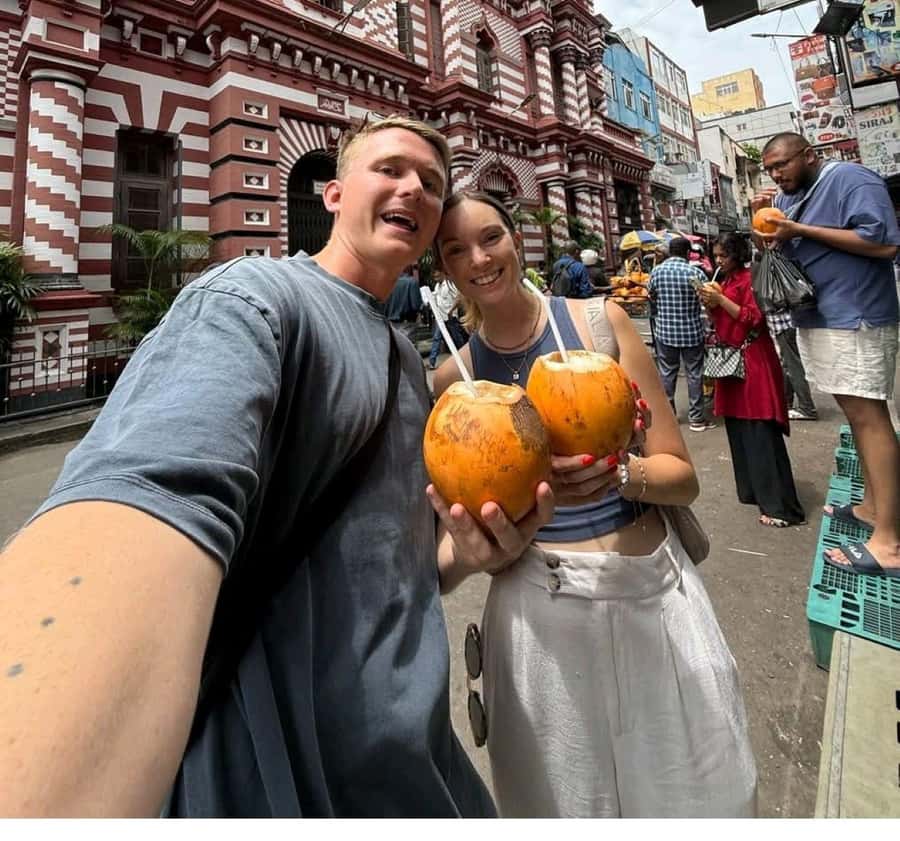
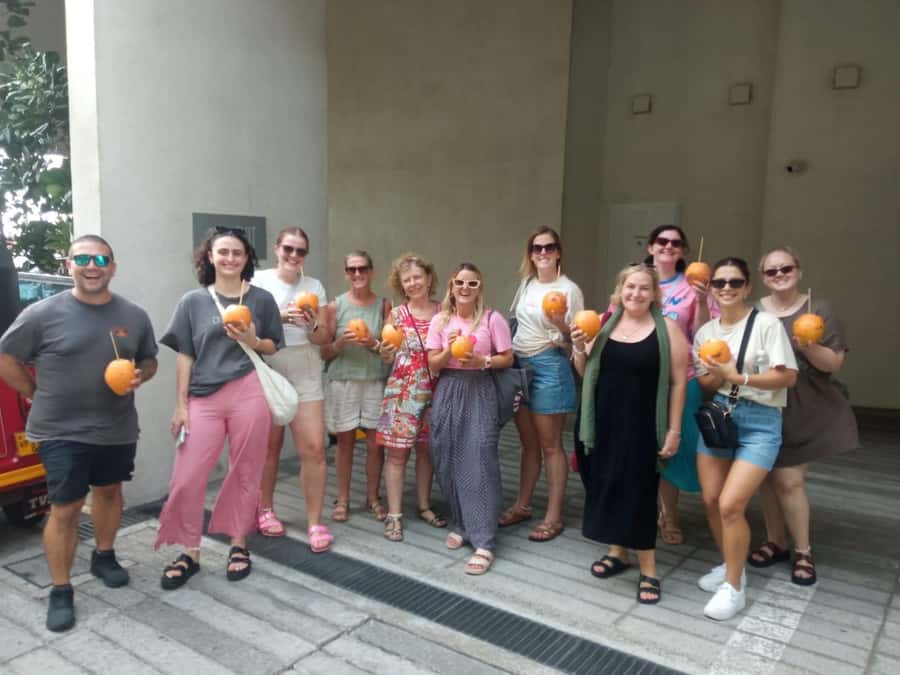
Depending on the morning food tour menu, you may see items such as king coconut, string hoppers, rotti with spicy sambal, cassava and potatoes with coconut sambol, milk rice, and cheese ball with samosa.
That’s useful because it tells you the tour isn’t just repeating one theme. You get a mix of steamed, fried, and batter-based foods, plus coconut-heavy sides and sambol flavors that tie the dishes together.
If you’re planning what to eat before the tour, keep the idea of coconut, rice, and spicy sambals in mind. You’ll likely start with something refreshing and then move into richer bites.
Booking call: should you book the Colombo Foods Tour by Tuk Tuk?
If you like street food and want Colombo to feel navigable, I think this is an easy yes. For $25, you get a structured path through markets and signature dishes—three types of hoppers, pittu with crab curry, and chicken kottu roti—plus water, snacks, and umbrella support.
Book it if you’re:
- short on time and want key dishes in one morning
- curious about Ceylon tea and Sri Lankan spices
- comfortable with street-style pacing and possible spice levels
Skip it (or adjust expectations) if you want:
- a long sit-down meal format
- alcohol included
- a no-spice plan
If you’re on the fence, my best advice is to go with hunger level and your spice tolerance. Tell your guide about heat preferences early, and you’ll get a much more enjoyable ride through Colombo’s food rhythm.
FAQ
What’s included in the Colombo street food tour by tuk-tuk?
The tour includes bottled water, tasty local snacks, an umbrella for sun or rain, a first aid kit, and all fees and taxes covered.
What street foods should I expect to try?
You can expect hoppers in three types, pittu served with crab curry and sambols, and chicken kottu roti. You’ll also get quick snacks such as cheese balls or samosas and a tea and spice tasting.
Is a vegetable and fruit market included?
Yes. The experience includes a vegetable and fruit market visit to see a variety of local produce.
Are alcohol or drugs allowed?
No. Alcohol and drugs are not allowed during the tour.
Can I record audio during the tour?
No. Audio recording is not allowed.
What should I bring?
Bring a camera.
What language is the tour offered in?
The tour is offered in English.
Is the tour refundable if I cancel?
You can cancel up to 24 hours in advance for a full refund.